Unlock the Hidden Power: Benefits of Eating Fermented Foods
benefits of eating fermented foods

Unlock the Hidden Power: Benefits of Eating Fermented Foods

Explore how incorporating fermented foods into your diet can revolutionize your health from the inside out.

Start Your Fermented Journey

Key Takeaways

  • ✓ Fermented foods are rich in beneficial probiotics that support a healthy gut microbiome.
  • ✓ They can enhance nutrient absorption, making vitamins and minerals more bioavailable.
  • ✓ Regular consumption may boost your immune system, helping to ward off illness.
  • ✓ Fermentation can preserve food and create unique, complex flavors.

How It Works

1
Microbial Transformation

Beneficial microorganisms (bacteria, yeast, molds) consume carbohydrates in food. This process breaks down complex compounds into simpler, more digestible forms.

2
Probiotic Proliferation

As microorganisms thrive, they produce a variety of beneficial compounds, including lactic acid, acetic acid, and enzymes. These living cultures are known as probiotics.

3
Nutrient Enhancement

Fermentation can increase the bioavailability of certain vitamins and minerals, and even synthesize new ones. It also helps detoxify some anti-nutrients found in raw foods.

4
Gut Health & Beyond

When consumed, these probiotics populate your gut, balancing the microbiome and supporting digestive health. This, in turn, influences immunity, mood, and overall well-being.

The Science Behind Gut Health and Fermentation
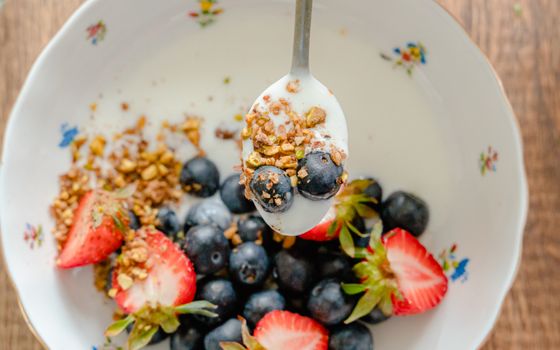
Close-up of a healthy yogurt bowl with fresh fruits and granola, perfect for a nutritious breakfast. Photo: Adventure Studio / Pexels
The human gut is a complex ecosystem, home to trillions of microorganisms collectively known as the gut microbiome. This intricate community plays a pivotal role in far more than just digestion; it influences our immune system, mood, metabolism, and even cognitive function. A balanced and diverse microbiome is crucial for optimal health, and this is precisely where fermented foods shine. Fermentation is an ancient preservation technique that harnesses the power of beneficial bacteria and yeasts to transform food. During this process, these microorganisms break down sugars and other compounds, creating a plethora of new, health-promoting substances. The most significant contribution of fermented foods to gut health is their rich probiotic content. Probiotics are live microorganisms that, when administered in adequate amounts, confer a health benefit on the host. When you consume fermented foods like yogurt, kimchi, or sauerkraut, you are essentially introducing these beneficial bacteria directly into your digestive tract. These probiotics help to diversify and strengthen your existing gut flora, outcompeting harmful bacteria and maintaining a healthy balance. A thriving gut microbiome aids in the digestion and absorption of nutrients, ensuring your body gets the most out of the food you eat. For instance, some fermented dairy products contain lactase, an enzyme that helps break down lactose, making them more digestible for individuals with lactose intolerance. Beyond direct probiotic input, the metabolic byproducts of fermentation, such as short-chain fatty acids (SCFAs) like butyrate, acetate, and propionate, are incredibly beneficial. Butyrate, in particular, serves as the primary fuel source for the cells lining your colon, promoting gut barrier integrity and reducing inflammation. A strong gut barrier is essential for preventing 'leaky gut,' a condition where unwanted substances can pass from the gut into the bloodstream, potentially triggering systemic inflammation and various health issues. By fortifying this barrier, fermented foods contribute to a more resilient and less permeable gut. Furthermore, the fermentation process can neutralize or reduce anti-nutrients present in some foods, such as phytic acid in grains and legumes, which can otherwise hinder mineral absorption. This means that not only are you introducing beneficial microbes, but you're also potentially making the existing nutrients in the food more bioavailable. The interplay between your gut microbiome and overall health is a rapidly expanding field of research, and the consistent finding is that a diverse and well-supported gut is fundamental to well-being. Incorporating a variety of fermented foods into your diet is a delicious and effective strategy to cultivate a flourishing internal ecosystem, laying the groundwork for improved digestion, enhanced immunity, and a healthier you. Explore more about gut-friendly foods to further enhance your digestive wellness.

Boosting Immunity and Nutrient Absorption with Fermented Foods

Flat lay of lemon, ginger, and supplements on a marble surface, illustrating natural remedies. Photo: Nataliya Vaitkevich / Pexels
The connection between gut health and a robust immune system is undeniable, with approximately 70-80% of our immune cells residing in the gut-associated lymphoid tissue (GALT). This makes the gut microbiome a critical player in our body's defense mechanisms. The beneficial bacteria found in fermented foods act as a natural training ground for our immune system. They interact with immune cells in the gut lining, helping to modulate immune responses and distinguishing between harmless substances and genuine threats. This constant interaction can lead to a more balanced and effective immune system, better equipped to fight off pathogens and reduce the likelihood of allergies and autoimmune conditions. Regular consumption of fermented foods can lead to an increase in certain immune markers, such as IgA antibodies, which play a crucial role in mucosal immunity, protecting surfaces like the respiratory and digestive tracts from infections. Studies have shown that individuals who regularly consume probiotics, often found in fermented foods, experience fewer and less severe respiratory infections. Beyond direct immune modulation, fermented foods significantly enhance nutrient absorption, which is vital for a strong immune response. The fermentation process predigests certain components of food, breaking down complex carbohydrates, proteins, and fats into simpler, more easily absorbable forms. For example, the lactic acid bacteria in yogurt and kefir can produce enzymes that break down lactose, making dairy products more digestible and their nutrients more accessible. Moreover, fermentation can increase the bioavailability of essential vitamins and minerals. Some microorganisms produce B vitamins, including B12, and vitamin K2 during the fermentation process. These vitamins are crucial for various bodily functions, including energy production and blood clotting, and their enhanced presence in fermented foods adds to their nutritional value. Iron and zinc, often bound by anti-nutrients like phytic acid in plant-based foods, become more absorbable after fermentation, as the microbes break down these inhibiting compounds. This means you're not just eating food; you're eating food that your body can utilize more efficiently. Consider sauerkraut, a fermented cabbage dish. The fermentation process not only makes the vitamins C and K in cabbage more available but also introduces beneficial bacteria. Vitamin C, a powerful antioxidant, is well-known for its immune-boosting properties, and its enhanced absorption contributes directly to your body's ability to fight off illness. Similarly, the vitamin K2 produced during fermentation is vital for bone health and cardiovascular function, areas often overlooked but intrinsically linked to overall well-being. By integrating a variety of fermented foods into your diet, you're not just supporting your gut; you're building a stronger, more resilient immune system and ensuring your body is receiving and utilizing the vital nutrients it needs to thrive.

Beyond Digestion: Mood, Weight Management, and Heart Health

Elderly man with gray hair holding fresh lettuce smiling in a grocery store. Photo: Kampus Production / Pexels
The influence of fermented foods extends far beyond the confines of the digestive tract, touching upon aspects of our health that might seem unrelated at first glance. The gut-brain axis, a bidirectional communication pathway between the gut and the central nervous system, is a prime example of this interconnectedness. A healthy gut microbiome, fostered by fermented foods, can significantly impact mood and cognitive function. The gut produces many neurotransmitters, including serotonin, often dubbed the 'happiness hormone,' with about 90% of the body's serotonin being produced in the gut. Probiotics in fermented foods can influence the production of these neurotransmitters, potentially alleviating symptoms of anxiety and depression. Emerging research suggests that specific strains of probiotics can even reduce stress hormones and improve overall mood, highlighting the profound impact of gut health on mental well-being. This fascinating area of research is continually revealing new insights into how our gut literally influences how we feel and think. Furthermore, fermented foods can play a supportive role in weight management. A diverse and balanced gut microbiome is associated with a healthier metabolism and can influence how our bodies store fat, regulate appetite, and respond to insulin. Some studies indicate that certain probiotic strains found in fermented foods may help reduce body weight and fat mass, potentially by altering gut microbiota composition, reducing inflammation, and influencing satiety hormones. For instance, the acetic acid in fermented foods like apple cider vinegar can help regulate blood sugar levels and suppress appetite. While fermented foods are not a magic bullet for weight loss, they can be a valuable component of a holistic approach to maintaining a healthy weight. The benefits also extend to cardiovascular health. The gut microbiome influences various factors related to heart health, including cholesterol levels and blood pressure. Specific probiotic strains found in fermented dairy products like yogurt and kefir have been shown to help lower LDL ('bad') cholesterol and total cholesterol, and some may even contribute to modest reductions in blood pressure. This is partly due to their ability to metabolize cholesterol in the gut and produce beneficial compounds that can impact lipid metabolism. Moreover, the anti-inflammatory properties of a healthy gut, supported by fermented foods, are crucial for heart health. Chronic low-grade inflammation is a known risk factor for cardiovascular disease. By reducing systemic inflammation, fermented foods indirectly contribute to a healthier heart and circulatory system. Incorporating fermented foods into your diet is a simple yet powerful way to support these vital functions, contributing to a holistic state of well-being that spans from your gut to your brain and heart. Discover more ways to support heart health through diet.

Practical Tips for Incorporating Fermented Foods and Common Mistakes to Avoid

Vibrant assortment of pickled vegetables in jars with red fabric covers, displayed on shelves. Photo: mehmet uzut / Pexels
Adding fermented foods to your diet doesn't have to be complicated, but a strategic approach can maximize their benefits. Start small and gradually increase your intake to allow your digestive system to adapt. Overdoing it initially can sometimes lead to temporary digestive discomfort. Here are some practical tips: * **Variety is Key:** Don't stick to just one type of fermented food. Different foods contain different strains of bacteria, offering a broader spectrum of benefits. Include a mix of fermented vegetables (sauerkraut, kimchi), dairy (yogurt, kefir), and beverages (kombucha, kvass). * **Read Labels Carefully:** When buying fermented products, look for labels that say 'live and active cultures' or 'unpasteurized.' Pasteurization kills beneficial bacteria, negating the probiotic benefits. * **Integrate Daily:** Aim for a small serving of fermented foods with at least one meal a day. A tablespoon of sauerkraut with dinner, a serving of yogurt for breakfast, or a glass of kombucha can make a difference. * **DIY Fermentation:** Consider making your own fermented foods. It can be cost-effective and allows you to control ingredients. Simple ferments like sauerkraut or fermented vegetables are easy to start with. * **Pair with Prebiotics:** To further nourish your gut bacteria, pair fermented foods with prebiotic-rich foods like garlic, onions, leeks, asparagus, bananas, and oats. Prebiotics are fibers that feed the beneficial bacteria in your gut. Common mistakes to avoid: * **Overconsumption Initially:** As mentioned, introducing too many fermented foods too quickly can lead to bloating or gas. Start with a teaspoon or a small serving and gradually increase. * **Heating Fermented Foods:** High heat can kill the beneficial live cultures. Add fermented foods like sauerkraut or kimchi after cooking, or enjoy them raw. * **Ignoring Quality:** Not all fermented products are created equal. Avoid highly processed options with added sugars, artificial flavors, or those that have been heat-treated. * **Expecting Instant Results:** Building a healthy gut microbiome takes time and consistency. Be patient and consistent with your intake to see long-term benefits. * **Relying Solely on Supplements:** While probiotic supplements can be beneficial, they often contain a limited range of strains compared to the diverse microbial communities found in traditional fermented foods. Aim for food-first, supplements second.

Comparison

FeatureYogurt (Live)Sauerkraut (Raw)Kombucha
Primary MicrobesLactobacillus, BifidobacteriumLactobacillusSCOBY (bacteria & yeast)
Key Nutrient BoostProtein, Calcium, B VitaminsVitamin C, K, FiberB Vitamins, Antioxidants
Digestive Aid
Lactose-Free Option✗ (Dairy, but often low-lactose)

What Readers Say

"Since I started eating kimchi regularly, my digestion has improved dramatically. I used to feel sluggish after meals, but now I feel lighter and more energetic. It's truly been a game-changer for my gut health!"

Sarah J. · Austin, TX

"I was skeptical at first, but incorporating kefir into my morning routine has significantly boosted my immune system. I used to get sick frequently, but this past year I've felt much more resilient. The benefits of eating fermented foods are real!"

Michael D. · Seattle, WA

"After struggling with chronic bloating for years, a nutritionist suggested fermented foods. Within a month of adding homemade sauerkraut and yogurt, my bloating was gone, and my energy levels soared. It's incredible how much difference a healthy gut makes!"

Emily R. · Denver, CO

"Kombucha has become my go-to refreshing drink. I've noticed a subtle improvement in my overall gut comfort, though it took a little getting used to the taste. Definitely a positive addition to my diet."

David L. · Boston, MA

"My kids actually love yogurt, so getting them to eat fermented foods was easier than I thought. We've seen fewer upset stomachs and they seem to have more consistent energy. It's great knowing we're supporting their health naturally."

Jessica M. · San Francisco, CA

Frequently Asked Questions

What are the primary benefits of eating fermented foods?

The primary benefits include improved gut health due to a rich probiotic content, enhanced immune system function, better nutrient absorption, and potential positive impacts on mood, weight management, and heart health. They contribute to a diverse and balanced gut microbiome, which is foundational for overall well-being.

Are there any side effects to eating fermented foods?

When introduced gradually, most people tolerate fermented foods well. However, some individuals might experience mild digestive upset like gas or bloating initially, especially if they consume large quantities too quickly. This usually subsides as the body adjusts to the new beneficial bacteria.

How can I easily incorporate fermented foods into my daily diet?

Start by adding small portions to your meals. You can have a spoonful of sauerkraut with your lunch, a serving of plain yogurt with berries for breakfast, or a glass of kombucha as a midday drink. Experiment with different types to find what you enjoy and build variety.

Are fermented foods expensive?

While some artisanal fermented products can be pricey, many staple fermented foods like plain yogurt, sauerkraut, and even some kombuchas are quite affordable. Making your own fermented foods at home, such as sauerkraut or kefir, can be a very cost-effective way to enjoy their benefits.

How do fermented foods compare to probiotic supplements?

Fermented foods offer a diverse array of probiotic strains, along with prebiotics, vitamins, and other beneficial compounds produced during fermentation, creating a synergistic effect. Probiotic supplements, while useful, typically contain a more limited selection of strains. Both can be beneficial, but a food-first approach is often recommended for comprehensive gut support.

Who should consider increasing their intake of fermented foods?

Almost anyone can benefit from incorporating fermented foods into their diet. They are particularly helpful for individuals looking to improve digestion, boost immunity, reduce inflammation, or support overall gut health. Those with certain digestive issues may find them especially beneficial, but it's always wise to consult a healthcare provider.

Are all fermented foods equally beneficial?

No, not all fermented foods offer the same probiotic benefits. For example, sourdough bread is fermented but the baking process typically kills the beneficial microbes. Look for products labeled 'live and active cultures' or 'unpasteurized' to ensure you're getting the probiotic advantages. A variety of different fermented foods will provide a broader spectrum of microbial strains.

What are some emerging trends in fermented foods?

Beyond traditional staples, there's a growing interest in fermented plant-based alternatives like cashew-based yogurts and cheeses, tempeh, and natto. Fermented condiments, drinks like water kefir, and even fermented vegetables beyond cabbage are also gaining popularity, offering exciting new ways to incorporate these health-boosting foods.

Embrace the ancient wisdom of fermentation and unlock a world of health benefits. By consistently integrating a variety of fermented foods into your diet, you're not just eating well – you're investing in a thriving gut, a robust immune system, and a happier, healthier you. Start your fermented food journey today and feel the difference from within.

Topics: benefits of eating fermented foodsgut healthprobioticsfermentationimmune system
Leo List

DK Escorts LU Escorts AT Escorts SE Escorts FI Escorts CH Escorts DE Escorts HR Escorts IE Escorts GR Escorts CZ Escorts NO Escorts BE Escorts FR Escorts SI Escorts IL Escorts NL Escorts PL Escorts HU Escorts ES Escorts IT Escorts PT Escorts SK Escorts RO Escorts ZA Escorts UY Escorts US Escorts UK Escorts NZ Escorts AU Escorts
Brampton weed
Adultwork EstrelaBet Vai de Bet R7 Bet Betão Galera Bet Rainbet Bet9ja Shop SportyBet BetKing Sisal Loto Foot Hollywoodbets YesPlay Odibets RushBet Jugabet BetWarrior BetCity MSport betPawa Fortebet