Unlocking the Benefits of Intermittent Fasting Diet
benefits of intermittent fasting diet

Unlocking the Benefits of Intermittent Fasting Diet

Discover how strategic eating windows can transform your health, energy, and well-being.

Start Your Journey

Key Takeaways

  • ✓ Intermittent fasting involves alternating periods of eating and fasting, not restricting food types.
  • ✓ It can promote weight loss by reducing overall calorie intake and improving fat burning.
  • ✓ Fasting has been shown to enhance metabolic health, including insulin sensitivity.
  • ✓ Autophagy, a cellular repair process, is stimulated during fasting, potentially extending lifespan.
  • ✓ There are several popular intermittent fasting methods, each with different eating windows.

How It Works

1
Choose Your Method

Select an intermittent fasting protocol that aligns with your lifestyle, such as 16/8, 5:2, or Eat-Stop-Eat. Consistency is key for success.

2
Establish Your Eating Window

Define the specific hours you will consume food and the hours you will fast. During fasting, only water, black coffee, or plain tea are typically allowed.

3
Focus on Nutrient-Dense Foods

During your eating window, prioritize whole, unprocessed foods like lean proteins, healthy fats, fruits, and vegetables. Avoid overeating or unhealthy choices.

4
Listen to Your Body

Pay attention to hunger cues, energy levels, and overall well-being. Adjust your fasting schedule or consult a healthcare professional if you experience adverse effects.

Understanding the Core Principles of Intermittent Fasting

Adult meditating in lotus pose on yoga mat with candle, creating a calming atmosphere. Photo: Yan Krukau / Pexels
Intermittent fasting (IF) isn't just another fad diet; it's an eating pattern that cycles between periods of voluntary fasting and non-fasting. Unlike traditional diets that focus on *what* you eat, IF primarily dictates *when* you eat. This fundamental shift in approach is what makes it so powerful and, for many, more sustainable. The concept isn't new; humans have fasted for millennia, often out of necessity or for spiritual reasons. Our bodies are naturally equipped to handle periods without food, a capability that modern, constant eating habits have largely suppressed. At its heart, IF works by extending the time your body spends in a 'fasted state.' When you eat, your body processes food, primarily using glucose from carbohydrates for energy. During this fed state, insulin levels are high, signaling your body to store excess energy as fat. However, after several hours without food, your body depletes its glucose stores. This is when it switches to burning stored fat for energy, a process known as metabolic switching. This metabolic shift is a cornerstone of the many benefits associated with IF. Beyond just burning fat, a fasted state triggers a cascade of cellular and hormonal changes. Insulin levels drop significantly, which is crucial for improving insulin sensitivity and potentially reducing the risk of type 2 diabetes. Growth hormone levels can increase, aiding in muscle preservation and fat loss. Perhaps one of the most remarkable benefits is the initiation of autophagy, a cellular 'self-cleaning' process where cells remove damaged components and regenerate. This process is vital for cellular health, anti-aging, and disease prevention, and it's significantly upregulated during fasting. Understanding these physiological mechanisms is key to appreciating the profound benefits of intermittent fasting diet. It's not about starvation; it's about optimizing your body's natural processes for better health and longevity. The beauty of IF lies in its flexibility; there are various protocols, allowing individuals to choose a method that best fits their lifestyle and goals. Whether it's the popular 16/8 method, the 5:2 diet, or alternate-day fasting, the underlying principle remains the same: strategically alternating between eating and fasting to harness your body's innate healing and optimizing capabilities. This strategic approach to eating can lead to a host of health improvements, from weight management to enhanced cognitive function, making it a compelling dietary strategy for many.

Weight Management and Metabolic Health Improvements

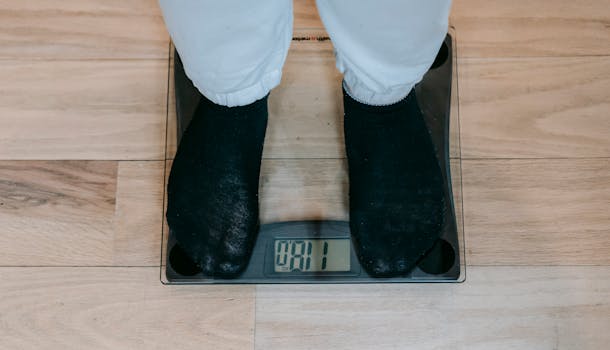
Adult female using a medical weighing scale in a healthcare setting. Photo: RDNE Stock project / Pexels
One of the most widely sought-after benefits of intermittent fasting is its effectiveness in weight management. For many, conventional dieting often feels like a constant struggle against hunger and restrictive food choices. Intermittent fasting offers a different approach, allowing individuals to eat their preferred foods (within reason) during specific windows, which can make it feel less like a 'diet' and more like a sustainable eating pattern. The primary mechanism for weight loss through IF is often a natural reduction in overall calorie intake. By limiting the time available for eating, people tend to consume fewer meals and snacks, leading to a caloric deficit without the painstaking calorie counting. Beyond simple calorie restriction, IF significantly impacts metabolic health, which is crucial for sustainable weight loss and disease prevention. As mentioned, fasting leads to a decrease in insulin levels. Insulin is a fat-storage hormone; when it's constantly elevated due to frequent eating, your body is less likely to tap into its fat reserves. By giving your body periods of low insulin, IF encourages it to switch from burning glucose to burning stored fat for energy. This metabolic flexibility is a cornerstone of good health and is often impaired in individuals with obesity and type 2 diabetes. Studies have shown that intermittent fasting can improve insulin sensitivity, meaning your cells respond more effectively to insulin, which helps regulate blood sugar levels. This is particularly beneficial for individuals at risk of or managing type 2 diabetes. Furthermore, IF can reduce inflammation, a known contributor to various chronic diseases, including heart disease and certain cancers. It also has a positive impact on blood pressure and cholesterol levels, further bolstering cardiovascular health. The combined effect of reduced calorie intake, enhanced fat burning, improved insulin sensitivity, and decreased inflammation makes IF a powerful tool for not only shedding pounds but also for fundamentally improving your body's metabolic function. This holistic approach to weight and health management is what sets the benefits of intermittent fasting diet apart from many other dietary interventions. It's not just about looking better; it's about feeling better, having more energy, and reducing your long-term risk of chronic illnesses. The metabolic adaptations fostered by IF create a more efficient and resilient body, capable of better utilizing its energy stores and maintaining optimal health over time.

Beyond Weight Loss: Enhanced Cellular Repair and Longevity

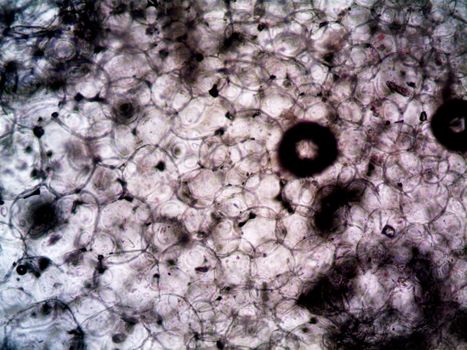
Close-up image depicting the detailed structure of fungal hyphae under a microscope. Photo: turek / Pexels
While weight loss and metabolic improvements are compelling reasons to consider intermittent fasting, some of its most profound benefits lie at the cellular level, impacting longevity and overall vitality. The concept of autophagy, which literally means "self-eating," is central to these long-term advantages. Autophagy is a natural, regulated mechanism of the cell that removes unnecessary or dysfunctional components. It's like your body's internal recycling program, clearing out damaged proteins and organelles, and generating new, healthier cells. This process is crucial for cellular maintenance, repair, and adaptation to stress. Fasting is one of the most potent activators of autophagy, offering a deep cellular cleanse that regular eating patterns simply don't allow. By promoting autophagy, intermittent fasting plays a significant role in anti-aging. As we age, our cells accumulate damage, and the efficiency of autophagy tends to decline. By intermittently fasting, we can kickstart this vital process, potentially slowing down the aging process and protecting against age-related diseases. This cellular renewal has implications for various aspects of health, including neuroprotection. Emerging research suggests that fasting may support brain health by enhancing the production of Brain-Derived Neurotrophic Factor (BDNF), a protein that promotes the growth and survival of neurons. This could translate to improved cognitive function, memory, and a reduced risk of neurodegenerative diseases like Alzheimer's and Parkinson's. Moreover, intermittent fasting can influence gene expression, specifically genes related to longevity and disease resistance. It can upregulate sirtuins, a class of proteins known to play a role in cellular health and lifespan. The impact of IF extends to reducing oxidative stress, which is an imbalance between free radicals and antioxidants in your body. High levels of oxidative stress can damage cells and contribute to chronic diseases. Fasting helps bolster your body's antioxidant defenses, providing another layer of protection. These deep-seated cellular and genetic changes highlight that the benefits of intermittent fasting diet go far beyond superficial changes, contributing to a more robust, resilient, and long-lived body. It's about empowering your cells to function optimally, fostering a state of internal well-being that can translate into improved energy, mental clarity, and a reduced susceptibility to many of the ailments that plague modern society. Embracing IF is not just about managing symptoms; it's about cultivating foundational health.

Practical Tips for Starting Intermittent Fasting Safely

Person with blue face mask in towel turban drinking bottled water from open fridge. Photo: Sydney Sang / Pexels
Embarking on an intermittent fasting journey can be incredibly rewarding, but it's crucial to approach it safely and strategically. Before making any significant dietary changes, especially if you have underlying health conditions, are pregnant, breastfeeding, or taking medication, it is highly advisable to consult with a healthcare professional. They can provide personalized guidance and ensure IF is appropriate for your individual circumstances. Here are some practical tips to help you get started:
  • Start Gradually: Don't jump straight into an extreme fasting protocol. Begin with a shorter fasting window, such as 12 hours, and slowly extend it as your body adapts. The 16/8 method (fasting for 16 hours, eating within an 8-hour window) is a popular and manageable starting point for many.
  • Stay Hydrated: This is paramount during fasting periods. Drink plenty of water, black coffee, or plain tea. These beverages can also help curb hunger pangs. Avoid sugary drinks or anything with calories, as they will break your fast.
  • Prioritize Nutrient-Dense Foods: During your eating window, focus on whole, unprocessed foods. Include lean proteins, healthy fats, fiber-rich vegetables, and complex carbohydrates. Eating a balanced diet will provide your body with the necessary nutrients and help you feel satiated, making the fasting period easier.
  • Listen to Your Body: Pay close attention to how you feel. Some common side effects when starting include headaches, fatigue, and irritability. These often subside as your body adjusts. However, if you experience severe discomfort, dizziness, or other concerning symptoms, break your fast and reassess. IF should enhance your well-being, not detract from it.
  • Avoid Overcompensation: It's tempting to overeat during your feeding window, especially after a long fast. Resist this urge. The goal is not to gorge but to consume a healthy, appropriate amount of food. Overeating can negate the caloric deficit and metabolic benefits of fasting.
  • Be Patient and Consistent: Results from intermittent fasting don't happen overnight. It takes time for your body to adapt and for the benefits to become evident. Consistency is more important than perfection. If you miss a fast or have an off day, don't get discouraged; simply get back on track the next day.
By following these guidelines, you can safely integrate intermittent fasting into your lifestyle and begin to experience its numerous health benefits.

Comparison

FeatureIntermittent Fasting (IF)Traditional Calorie RestrictionKeto DietPaleo Diet
FocusWhen to eatWhat/how much to eatMacronutrient ratiosAncestral foods
Primary MechanismMetabolic switching, autophagyCalorie deficitKetosisWhole, unprocessed foods
FlexibilityHigh (various protocols)Moderate (can be restrictive)Moderate (carb restriction)Moderate (food group restriction)
Initial Side EffectsHunger, fatigue, headachesHunger, deprivationKeto fluDigestive changes
Long-Term SustainabilityHigh for manyVariable, often lowModerate for someModerate for some
Insulin Sensitivity
Cellular Repair (Autophagy)

What Readers Say

"The benefits of intermittent fasting diet have been life-changing for me. I've lost 15 pounds, have more sustained energy throughout the day, and my digestion has significantly improved. I never thought I could go without breakfast, but now it feels natural."

Sarah J. · Austin, TX

"As someone who struggled with constant snacking, adopting intermittent fasting has brought incredible discipline to my eating habits. I feel sharper mentally and have seen a noticeable improvement in my blood sugar levels, according to my last check-up."

Mark D. · Chicago, IL

"I started IF to break a weight-loss plateau, and it worked wonders! Within two months, I dropped 8 pounds and felt a significant boost in my overall energy. The simplicity of the 16/8 method made it easy to integrate into my busy schedule."

Emily R. · Denver, CO

"Intermittent fasting has definitely improved my metabolic health and reduced my cravings for sugary foods. It took a few weeks to adjust to the fasting window, and sometimes I still get hungry, but the benefits outweigh the initial discomfort."

David L. · Miami, FL

"I'm a busy professional, and the benefits of intermittent fasting diet have streamlined my meal prep and decision-making. I eat fewer meals, but they're more satisfying, and I've experienced better focus and productivity during my fasting hours."

Jessica M. · Seattle, WA

Frequently Asked Questions

What are the primary benefits of intermittent fasting diet?

The primary benefits include weight loss due to reduced calorie intake and increased fat burning, improved metabolic health (better insulin sensitivity, lower blood sugar), enhanced cellular repair processes like autophagy, reduced inflammation, and potential anti-aging effects. It can also lead to increased energy and mental clarity for many individuals.

Is intermittent fasting safe for everyone?

While generally safe for healthy adults, intermittent fasting is not suitable for everyone. Pregnant or breastfeeding women, individuals with a history of eating disorders, those with certain medical conditions like diabetes (without medical supervision), or people taking specific medications should avoid IF or consult a doctor first. Always seek professional medical advice before starting.

How do I choose the best intermittent fasting method for me?

The best method depends on your lifestyle and preferences. The 16/8 method (fasting for 16 hours, eating for 8) is popular for beginners. Other methods include 5:2 (eating normally for 5 days, restricting calories to 500-600 for 2 non-consecutive days) or Eat-Stop-Eat (24-hour fasts once or twice a week). Experiment cautiously and find what feels sustainable and effective for you.

Does intermittent fasting cost money?

No, intermittent fasting itself doesn't cost money; in fact, it can save you money by potentially reducing your grocery bill if you're eating fewer meals. There are no special foods or supplements required. The focus is on *when* you eat, not *what* you eat, though choosing nutritious foods during your eating window is highly recommended.

How does intermittent fasting compare to traditional calorie restriction for weight loss?

Both methods can lead to weight loss by creating a calorie deficit. However, IF may offer additional metabolic benefits like improved insulin sensitivity and autophagy that traditional calorie restriction might not emphasize as strongly. Many find IF more sustainable due to its focus on timing rather than constant food restriction, which can reduce feelings of deprivation.

Who should consider incorporating the benefits of intermittent fasting diet into their routine?

Individuals looking to manage their weight, improve metabolic markers like blood sugar and insulin sensitivity, enhance cellular repair, or simply adopt a more disciplined eating pattern often find IF beneficial. It's particularly appealing to those who find traditional dieting too restrictive or complicated and are seeking a flexible approach to health.

Are there any risks or common side effects when starting intermittent fasting?

Common initial side effects include hunger, headaches, fatigue, irritability, and difficulty concentrating. These usually subside as your body adapts. More serious risks are rare but can include nutrient deficiencies if food choices are poor, or exacerbation of existing medical conditions. Always consult a healthcare provider to ensure it's safe for you.

What is the future trend for intermittent fasting in health and wellness?

Intermittent fasting is gaining significant traction and is likely to become an even more widely accepted and researched dietary strategy. Future trends may include more personalized fasting protocols based on genetic markers, deeper integration with digital health tools for tracking, and continued research into its effects on specific diseases and anti-aging pathways, moving beyond just weight loss to broader health optimization.

Ready to experience the transformative benefits of intermittent fasting diet for yourself? Start by choosing a method that fits your lifestyle, prioritize nutrient-dense foods, and listen to your body. Unlock a healthier, more energetic you today.

Topics: benefits of intermittent fasting dietintermittent fasting weight lossmetabolic health fastinglongevity fastingfasting protocols
Leo List
Brampton weed
Adultwork EstrelaBet Vai de Bet R7 Bet Betão Galera Bet Rainbet Bet9ja Shop SportyBet BetKing Sisal Loto Foot Hollywoodbets YesPlay Odibets RushBet Jugabet BetWarrior BetCity MSport betPawa Fortebet