
Unlock Health: The Amazing Benefits of Intermittent Fasting
benefits of intermittent fasting

Unlock Health: The Amazing Benefits of Intermittent Fasting

Transform your health and unlock your body's potential with this powerful eating strategy.

Start Your Journey

Key Takeaways

  • ✓ Intermittent fasting can aid in significant weight loss.
  • ✓ It may improve insulin sensitivity and blood sugar control.
  • ✓ Fasting promotes cellular repair processes like autophagy.
  • ✓ It can enhance brain function and reduce inflammation.

How It Works

1
Choose Your Method

Select an intermittent fasting protocol that fits your lifestyle, such as 16/8, 5:2, or Eat-Stop-Eat. Consistency is key for success.

2
Define Your Eating Window

Stick to your chosen eating window, consuming all your meals and snacks within this period. During your fasting window, only consume water, black coffee, or plain tea.

3
Focus on Nutrient-Dense Foods

During your eating window, prioritize whole, unprocessed foods rich in protein, healthy fats, fiber, vitamins, and minerals. This maximizes the benefits.

4
Stay Hydrated and Listen to Your Body

Drink plenty of water throughout the day, especially during fasting periods. Pay attention to your body's signals and adjust your fasting schedule as needed.

Intermittent Fasting for Weight Management and Fat Loss

A charming kitchen setup showcasing baking essentials and sugar cubes on a scale. Photo: Lina Kivaka / Pexels
One of the most widely recognized and sought-after benefits of intermittent fasting is its profound impact on weight management and fat loss. Unlike traditional diets that focus solely on calorie restriction, intermittent fasting leverages natural physiological processes to help your body burn stored fat more efficiently. When you fast, your insulin levels drop significantly. Insulin is a hormone that tells your body to store fat. When insulin levels are low, your body switches from burning sugar for energy to burning stored fat. This metabolic shift is a cornerstone of why intermittent fasting is so effective for shedding unwanted pounds. Furthermore, intermittent fasting can lead to a natural reduction in overall calorie intake. By compressing your eating window, you naturally have fewer opportunities to eat, which can help prevent overeating and mindless snacking. Studies have shown that people practicing intermittent fasting often consume fewer calories without consciously trying to restrict them, simply because they have less time to eat. This isn't just about calorie reduction; it's about optimizing your body's hormonal environment for fat burning. When you combine reduced insulin levels with a slight caloric deficit, your body becomes a fat-burning machine. Beyond just weight loss, intermittent fasting helps improve body composition by preserving lean muscle mass while targeting fat stores. Many traditional diets can lead to muscle loss alongside fat loss, which is counterproductive for long-term health and metabolism. However, research suggests that intermittent fasting may be more effective at retaining muscle mass during weight loss compared to continuous calorie restriction. This is partly due to the increase in human growth hormone (HGH) during fasting periods, which plays a crucial role in muscle maintenance and fat metabolism. Higher HGH levels help protect muscle tissue while encouraging the body to tap into fat reserves for energy, leading to a more favorable body composition. For those looking to optimize their overall health and fitness, this is a significant advantage. The combination of sustained fat loss, muscle preservation, and improved metabolic flexibility makes intermittent fasting a powerful tool for achieving and maintaining a healthy weight. It's important to approach intermittent fasting with a focus on nutrient density during your eating windows. While fasting can help with weight loss, it's not a license to eat unhealthy foods. Filling your body with whole, unprocessed foods – rich in protein, healthy fats, fiber, and micronutrients – will amplify the weight loss benefits and ensure you're nourishing your body properly. This holistic approach ensures that you're not just losing weight, but also improving your overall health and vitality.

Enhanced Metabolic Health and Blood Sugar Regulation
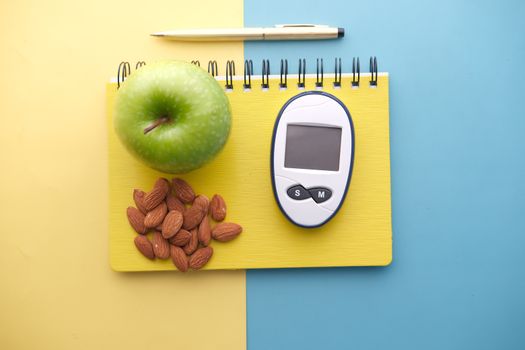
Flat lay of diabetes tools, green apple, almonds, and notebook for health planning. Photo: Towfiqu barbhuiya / Pexels
The benefits of intermittent fasting extend far beyond the scale, deeply impacting metabolic health and offering significant improvements in blood sugar regulation. In a world grappling with rising rates of type 2 diabetes and metabolic syndrome, intermittent fasting emerges as a potent intervention. The primary mechanism here involves insulin sensitivity. When we eat frequently, especially carbohydrate-rich foods, our bodies constantly produce insulin to manage blood sugar. Over time, cells can become less responsive to insulin, a condition known as insulin resistance. This forces the pancreas to work harder, producing even more insulin, leading to chronically high insulin levels and increased risk for metabolic diseases. Intermittent fasting provides a much-needed break for the pancreas and allows insulin levels to drop significantly during fasting periods. This prolonged state of low insulin helps to reverse insulin resistance, making your cells more sensitive and responsive to insulin once again. Improved insulin sensitivity means your body can more efficiently transport glucose from your bloodstream into your cells for energy, preventing blood sugar spikes and crashes. For individuals at risk of type 2 diabetes, or those already managing the condition (under medical supervision), this can be a game-changer. Research consistently demonstrates that intermittent fasting can lower fasting blood glucose levels and reduce hemoglobin A1c, a key marker for long-term blood sugar control. Beyond insulin, intermittent fasting also impacts other metabolic markers. It can lead to reductions in triglycerides, LDL (bad) cholesterol, and blood pressure, all of which are crucial for cardiovascular health. This comprehensive improvement in metabolic parameters contributes to a reduced risk of chronic diseases and promotes overall longevity. By giving your digestive system a break and allowing your body to enter a 'repair and maintenance' mode, intermittent fasting helps to reset and optimize various metabolic pathways that may have become dysfunctional due to constant eating. This metabolic flexibility – the body's ability to seamlessly switch between burning glucose and burning fat for fuel – is a hallmark of good metabolic health. Regular eating patterns, especially those high in refined carbohydrates, often keep our bodies stuck in glucose-burning mode. Intermittent fasting encourages the body to become more adept at utilizing fat stores, not just during fasting but also during eating windows, leading to more stable energy levels and reduced cravings. This adaptability is key to preventing energy slumps and promoting sustained vitality throughout the day. The improvements in metabolic health are not just theoretical; they translate into tangible benefits like increased energy, better mental clarity, and a reduced risk of developing serious health conditions.

Cellular Repair, Autophagy, and Anti-Aging Effects

A digitally rendered abstract image showcasing a futuristic eye with complex network patterns. Photo: Merlin Lightpainting / Pexels
One of the most fascinating and profound benefits of intermittent fasting lies in its ability to stimulate cellular repair processes, most notably autophagy. Autophagy, derived from Greek words meaning "self-eating," is a fundamental biological process where your cells clean out damaged components, recycle old parts, and regenerate new, healthier cells. Think of it as your body's built-in recycling and rejuvenation system. During periods of fasting, when nutrient availability is low, cells trigger autophagy to break down and remove dysfunctional proteins, organelles, and pathogens. This cellular housekeeping is crucial for maintaining cellular health and preventing the accumulation of waste products that can contribute to aging and disease. When we are constantly eating, our bodies are in an anabolic (building up) state, and autophagy is largely suppressed. By introducing periods of fasting, we shift our bodies into a catabolic (breaking down) state, which activates and enhances autophagy. This process has significant implications for anti-aging and disease prevention. By clearing out cellular debris and promoting the regeneration of new cells, autophagy helps to keep our tissues and organs functioning optimally. It's like giving your body a deep clean from the inside out, which can lead to improved cellular resilience and longevity. This is one of the key reasons why intermittent fasting is often linked to a reduced risk of various age-related diseases, including neurodegenerative disorders and certain cancers. Beyond autophagy, intermittent fasting also influences other pathways associated with longevity. It can modulate key signaling pathways such as mTOR (mammalian target of rapamycin) and AMPK (AMP-activated protein kinase), which play critical roles in cell growth, metabolism, and aging. Fasting tends to suppress mTOR and activate AMPK, shifting the cellular balance towards repair and maintenance rather than growth and proliferation. This shift is considered beneficial for extending lifespan and healthspan. Moreover, intermittent fasting has been shown to increase the production of sirtuins, a class of proteins that protect cells from damage and are implicated in longevity. These molecular changes underscore the deep biological impact of fasting on our cells and tissues. Furthermore, the anti-inflammatory effects of intermittent fasting contribute to its anti-aging potential. Chronic low-grade inflammation is a driver of many age-related diseases. Fasting can reduce inflammatory markers in the body, creating a more favorable internal environment for cellular health and repair. This reduction in inflammation, combined with enhanced autophagy and optimized cellular signaling, paints a compelling picture of intermittent fasting as a powerful tool for promoting long-term health and vitality. It's not just about what you don't eat; it's about activating your body's inherent mechanisms for self-renewal and protection.

Tips for Successful Intermittent Fasting and Common Mistakes to Avoid

Person with blue face mask in towel turban drinking bottled water from open fridge. Photo: Sydney Sang / Pexels
Embarking on an intermittent fasting journey can be incredibly rewarding, but like any new lifestyle change, it comes with its own set of considerations. To maximize the benefits and ensure a sustainable practice, it's essential to adopt smart strategies and be aware of common pitfalls. Here are some key tips for success and mistakes to avoid: **Tips for Success:** * **Start Gradually:** Don't jump into a 24-hour fast on day one. Begin with shorter fasting windows, like 12 hours, and slowly extend them as your body adapts. The 16/8 method (fasting for 16 hours, eating within an 8-hour window) is a popular and manageable starting point. * **Stay Hydrated:** This is paramount. Drink plenty of water, black coffee, or plain tea during your fasting window. This helps manage hunger, supports bodily functions, and prevents dehydration headaches. * **Prioritize Nutrient-Dense Foods:** During your eating window, focus on whole, unprocessed foods. Include plenty of protein, healthy fats, fiber-rich vegetables, and complex carbohydrates. This ensures you get all necessary nutrients and feel satisfied. * **Listen to Your Body:** Intermittent fasting should make you feel better, not worse. If you experience extreme dizziness, nausea, or prolonged fatigue, re-evaluate your approach. It might not be for everyone, or you might need to adjust your schedule. * **Plan Your Meals:** Knowing what you'll eat during your eating window helps prevent unhealthy impulse choices. Prepare meals in advance if possible. * **Manage Electrolytes:** Especially for longer fasts, consider adding a pinch of Himalayan pink salt to your water or consuming electrolyte supplements to prevent imbalances. **Common Mistakes to Avoid:** * **Overeating During Eating Windows:** This is a major pitfall. Intermittent fasting is not an excuse to binge. Consuming excessive calories or unhealthy foods negates many of the benefits. * **Not Drinking Enough Water:** Dehydration can mimic hunger and lead to fatigue and headaches, making fasting much harder. * **Ignoring Hunger Signals (to an extreme):** While some hunger is normal, severe, debilitating hunger might mean you need to adjust your fasting window or consider a different protocol. * **Lack of Sleep:** Poor sleep can disrupt hormones that regulate hunger and satiety, making fasting more challenging and less effective. * **Excessive Exercise During Fasting:** While light exercise is generally fine, intense workouts on an empty stomach might not be suitable for everyone and could lead to burnout or injury. Listen to your body and fuel appropriately. * **Not Consulting a Doctor:** If you have underlying health conditions, are pregnant or breastfeeding, or are on medication, always consult with a healthcare professional before starting intermittent fasting. It's not suitable for everyone. By being mindful of these tips and avoiding common mistakes, you can harness the full potential of intermittent fasting for improved health and well-being.

Comparison

Feature16/8 Method5:2 MethodEat-Stop-Eat
Fasting Duration16 hours daily2 non-consecutive days (24 hrs each)1-2 full 24-hour fasts per week
Eating Window8 hours daily5 days normal eatingNormal eating on non-fast days
FlexibilityHighMediumMedium
Beginner Friendly
IntensityLow-ModerateModerateHigh

What Readers Say

"I started intermittent fasting a few months ago, and the benefits have been incredible. My energy levels are so much more stable, and I've shed those stubborn 10 pounds I couldn't get rid of for years. Highly recommend trying it!"

Sarah J. · Austin, TX

"As someone with pre-diabetes, I was looking for ways to improve my blood sugar. Intermittent fasting has helped tremendously; my doctor is even impressed with my latest numbers. It's surprisingly easy to stick with once you get into a routine."

Michael D. · Chicago, IL

"I used to snack constantly, but with IF, I feel more in control of my eating habits. I've lost 15 pounds in 3 months and feel sharper mentally. My digestion has also improved significantly."

Jessica L. · Denver, CO

"Intermittent fasting definitely works for weight loss and focus, but the first week was a bit tough with hunger pangs. Once I pushed through, it became much easier. It's a great tool, but requires some initial discipline."

David P. · Miami, FL

"As a busy professional, I love the simplicity of intermittent fasting. Not having to think about breakfast saves me time, and I feel more productive and less bloated throughout the day. The benefits of intermittent fasting are truly transformative."

Emily R. · Seattle, WA

Frequently Asked Questions

What is the most common benefit of intermittent fasting?

The most commonly reported and studied benefit is weight loss and improved body composition, primarily due to reduced calorie intake and enhanced fat burning. Many also experience improved metabolic health, including better blood sugar control and insulin sensitivity.

Is intermittent fasting safe for everyone?

While generally safe for healthy adults, intermittent fasting is not suitable for everyone. Pregnant or breastfeeding women, individuals with a history of eating disorders, those with certain medical conditions like diabetes (without medical supervision), or people on specific medications should avoid it or consult a doctor first.

How do I start intermittent fasting?

Begin by choosing a simple protocol like 16/8, where you fast for 16 hours and eat all your meals within an 8-hour window (e.g., skip breakfast and eat from 12 PM to 8 PM). Gradually extend your fasting window as your body adapts, ensuring you stay hydrated and eat nutritious foods during your eating period.

Does intermittent fasting save money on groceries?

Potentially, yes. By consolidating your meals into a shorter eating window, you might naturally reduce the quantity of food purchased, especially if you cut out snacks or an entire meal like breakfast. However, this depends on your eating habits during the feeding window.

How does intermittent fasting compare to traditional calorie restriction diets?

Intermittent fasting often leads to similar or superior weight loss results compared to continuous calorie restriction, but with added benefits like improved insulin sensitivity, enhanced cellular repair (autophagy), and better preservation of muscle mass. It focuses on 'when' you eat, not just 'what' or 'how much'.

Who should particularly consider the benefits of intermittent fasting?

Individuals looking for sustainable weight loss, those aiming to improve metabolic markers like blood sugar and insulin levels, people interested in anti-aging effects, or anyone seeking greater mental clarity and sustained energy may find intermittent fasting beneficial. Always consult a healthcare provider first.

Are there any side effects or risks associated with intermittent fasting?

Initial side effects can include hunger, headaches, fatigue, and irritability, which usually subside as the body adapts. Risks, though rare, can involve nutrient deficiencies if not eating properly, dehydration, or exacerbation of existing medical conditions if not medically supervised. Listen to your body and seek professional advice if concerns arise.

What are the future trends in research on the benefits of intermittent fasting?

Future research is increasingly focusing on the impact of intermittent fasting on specific diseases like Alzheimer's, Parkinson's, and certain cancers, as well as its role in gut microbiome health and optimizing athletic performance. Personalized fasting protocols based on genetic factors are also an emerging area of interest.

Ready to experience the transformative benefits of intermittent fasting for yourself? Start exploring how this powerful eating pattern can unlock better health, improved energy, and a renewed sense of well-being. Consult with a healthcare professional to determine the best approach for your unique health journey.

Topics: benefits of intermittent fastingintermittent fasting weight lossmetabolic healthfasting dietautophagy benefits
Leo List

DK Escorts LU Escorts AT Escorts SE Escorts FI Escorts CH Escorts DE Escorts HR Escorts IE Escorts GR Escorts CZ Escorts NO Escorts BE Escorts FR Escorts SI Escorts IL Escorts NL Escorts PL Escorts HU Escorts ES Escorts IT Escorts PT Escorts SK Escorts RO Escorts ZA Escorts UY Escorts US Escorts UK Escorts NZ Escorts AU Escorts
Brampton weed
Adultwork EstrelaBet Vai de Bet R7 Bet Betão Galera Bet Rainbet Bet9ja Shop SportyBet BetKing Sisal Loto Foot Hollywoodbets YesPlay Odibets RushBet Jugabet BetWarrior BetCity MSport betPawa Fortebet