✓ Air fryers use hot air circulation for crispy results with less oil.
✓ Beginner recipes often involve single-layer cooking for even browning.
✓ Preheating is crucial for consistent cooking and crispiness.
✓ Shaking the basket or flipping food ensures uniform cooking.
How It Works
1
Understand Your Air Fryer
Familiarize yourself with your specific air fryer model, including temperature controls, basket capacity, and any pre-set functions. This will help you adjust recipes accordingly.
2
Prep Your Ingredients Simply
For beginners, focus on minimal ingredient preparation. Cut foods into uniform sizes, and use a light coating of oil and seasonings to enhance flavor and crispiness.
3
Load and Cook Smartly
Avoid overcrowding the air fryer basket to allow hot air to circulate effectively, which is key for crispiness. Cook in batches if necessary, and always preheat.
4
Monitor and Adjust
Periodically check your food, especially if it's your first time with a recipe or ingredient. Shake the basket or flip items halfway through to ensure even cooking and browning.
Why the Air Fryer is Your New Best Friend in the Kitchen: Air Fryer Cooking Tips
Photo: Angelo Greñas / Pexels
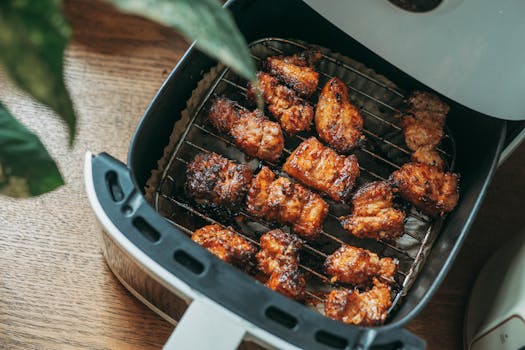
The air fryer has rapidly ascended from a niche kitchen gadget to a household staple, and for good reason. For beginners, it offers an incredibly forgiving and efficient way to cook a wide array of dishes, transforming everyday ingredients into crispy, golden perfection with minimal effort and significantly less oil than traditional deep frying. This makes it an invaluable tool for those looking to embrace healthier eating habits without sacrificing flavor or texture. At its core, an air fryer is a compact convection oven. It works by circulating superheated air around your food at high speeds, creating a powerful 'Maillard reaction' on the surface. This chemical process is responsible for the browning and crisping that makes fried foods so appealing. Unlike a conventional oven, which can take a while to heat up and often cooks unevenly, an air fryer reaches its target temperature rapidly and maintains a consistent, intense heat, leading to faster cooking times and superior crispiness.
One of the most significant advantages for beginners is the simplicity of operation. Most air fryers feature intuitive digital or dial controls for temperature and time, making them incredibly straightforward to use. There's no need for large pots of hot oil, no messy splattering, and significantly easier cleanup. This reduces the intimidation factor often associated with frying and encourages more home cooking. Moreover, the air fryer's versatility extends far beyond just 'frying.' It can roast vegetables, bake small goods, grill meats, and even reheat leftovers to their original crispy glory. Imagine reheating pizza that tastes fresh out of the oven, or making perfectly crispy chicken wings without the deep-fried guilt. These capabilities open up a world of culinary possibilities, making it an ideal appliance for busy weeknights, quick snacks, or even preparing components for more elaborate meals.
For those new to air frying, understanding a few basic principles will set you up for success. Always preheat your air fryer; just like a conventional oven, a preheated environment ensures even cooking and helps food crisp up faster. Don't overcrowd the basket; air circulation is key, so cooking in single layers or small batches is essential for optimal results. A light spray of oil can enhance crispiness and flavor, especially for foods that tend to be dry. And finally, shake the basket or flip your food halfway through the cooking process to ensure all sides get exposed to the hot air. Embracing these simple air fryer cooking tips will quickly make you a confident air fryer chef, ready to tackle any recipe. The journey into air frying is not just about making food crispy; it's about discovering a faster, healthier, and more convenient way to enjoy your favorite dishes. It's a game-changer for anyone looking to simplify their cooking routine and enjoy delicious, guilt-free meals. For more insights into healthy cooking, check out our guide on healthy weeknight meals.
Essential Gear and Prep for Your First Air Fryer Recipes
Photo: FOX ^.ᆽ.^= ∫ / Pexels
Before diving into your first delicious air fryer creations, a little preparation goes a long way. Having the right tools and understanding some basic preparation techniques will not only make your cooking experience smoother but also ensure your dishes turn out perfectly. While the air fryer itself is the star, a few supporting players can elevate your game. First and foremost, a good quality oil mister or spray bottle is invaluable. This allows you to apply a thin, even layer of oil to your food, which is crucial for achieving that signature crispiness without using excess fat. Avoid aerosol cooking sprays that contain propellants, as these can damage the non-stick coating of your air fryer basket over time. Instead, opt for an oil mister filled with your preferred cooking oil, such as olive oil, avocado oil, or grapeseed oil, depending on the recipe and desired flavor profile.
Next, consider parchment paper or silicone liners designed specifically for air fryers. These can make cleanup significantly easier, especially for stickier foods or those prone to leaving residue. Ensure they are perforated to allow for proper air circulation. While not strictly necessary for every dish, they can be a lifesaver for certain recipes and extend the life of your air fryer's non-stick coating. Tongs and a heat-resistant spatula are also essential for safely flipping and removing food from the hot basket. Long-handled silicone tongs are particularly useful for reaching into the air fryer without burning your hands.
When it comes to food preparation, uniformity is key for the best air fryer recipes for beginners. Whether you're cutting vegetables, chicken, or potatoes, strive for pieces of similar size and thickness. This ensures that everything cooks evenly and at the same rate, preventing some pieces from being undercooked while others are overdone. Patting food dry, especially proteins like chicken or fish, before seasoning and air frying helps achieve a crispier exterior. Excess moisture can steam the food rather than crisp it. Seasoning should be applied evenly, and don't be shy – the intense heat of the air fryer can sometimes mellow flavors, so a generous hand with herbs, spices, and salt is often beneficial.
Finally, remember the importance of preheating. Just as you wouldn't put a cake into a cold oven, your air fryer performs best when it's already at the target temperature. Preheating typically takes only 3-5 minutes, and it makes a noticeable difference in the texture and cooking time of your food. For many beginner recipes, keeping the ingredient list simple and focusing on one or two core items per batch will yield the best results as you get accustomed to your air fryer's nuances. These simple tools and preparation steps will empower you to confidently tackle a wide array of air fryer dishes, making cooking an enjoyable and successful experience right from the start.
Your First Bites: Best Air Fryer Recipes for Beginners to Master
Photo: Ron Lach / Pexels
Embarking on your air fryer journey is exciting, and starting with the right recipes ensures a positive and delicious experience. These beginner-friendly dishes are chosen for their simplicity, minimal ingredients, and guaranteed crispy results, making them the best air fryer recipes for beginners. They'll help you build confidence and understand the core principles of air frying.
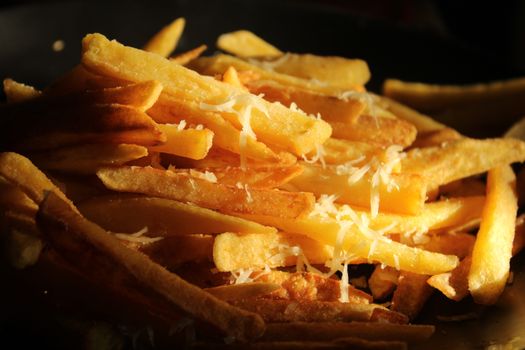
**1. Crispy Air Fryer French Fries:** This is arguably the quintessential air fryer recipe, demonstrating its ability to replicate deep-fried texture with a fraction of the oil. Cut russet potatoes into uniform fries (about 1/4 to 1/2 inch thick). Soak them in cold water for 30 minutes to remove excess starch, then pat them thoroughly dry. Toss with 1-2 teaspoons of oil (like olive or avocado oil) and season with salt, pepper, and a pinch of garlic powder. Air fry at 375°F (190°C) for 15-20 minutes, shaking the basket every 5 minutes, until golden brown and crispy. Serve immediately with your favorite dipping sauce. This recipe teaches you about even coating, shaking for crispiness, and temperature control.
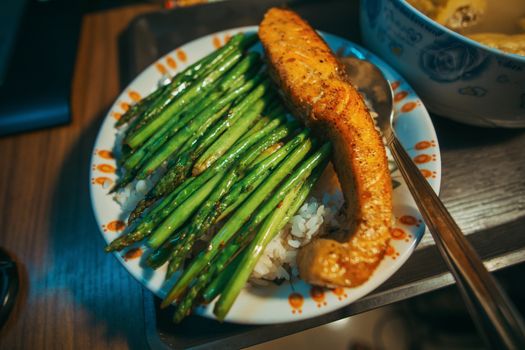
**2. Perfectly Roasted Air Fryer Broccoli:** Vegetables truly shine in the air fryer, becoming tender-crisp with caramelized edges. Cut a head of broccoli into small florets. Toss with 1 tablespoon of olive oil, salt, pepper, and a squeeze of lemon juice (optional). Air fry at 375°F (190°C) for 10-12 minutes, shaking halfway through, until the florets are tender with slightly charred, crispy edges. This showcases the air fryer's ability to roast and caramelize vegetables quickly.
**3. Quick Air Fryer Chicken Breast:** For a protein-packed meal component, chicken breast is incredibly easy. Pat a boneless, skinless chicken breast dry. Rub with 1 teaspoon of oil and season generously with your favorite blend (e.g., paprika, garlic powder, onion powder, salt, pepper). Air fry at 370°F (185°C) for 15-20 minutes, flipping halfway, until an internal temperature of 165°F (74°C) is reached. The air fryer keeps the chicken moist while giving it a delightful exterior.
**4. Speedy Air Fryer Frozen Chicken Nuggets/Fish Sticks:** For ultimate convenience, your air fryer excels at cooking frozen foods to perfection. Simply place your desired amount of frozen nuggets or fish sticks in a single layer in the air fryer basket. Air fry at 400°F (200°C) for 10-15 minutes, shaking the basket halfway, until heated through and crispy. This is a fantastic demonstration of the air fryer's ability to transform convenience foods into something much better than a microwave or conventional oven could achieve.
**5. Simple Air Fryer Garlic Bread:** Who doesn't love crispy, garlicky bread? Slice a baguette or use pre-sliced bread. Spread with garlic butter (melted butter, minced garlic, parsley, salt). Air fry at 350°F (175°C) for 5-8 minutes, checking frequently, until golden brown and toasted. This quick snack or side dish highlights the air fryer's toasting capabilities.
**6. Easy Air Fryer Potato Wedges:** A hearty alternative to fries. Cut potatoes (russet or Yukon gold work well) into wedges. Toss with 1-2 tablespoons of oil, salt, pepper, paprika, and a touch of rosemary. Air fry at 400°F (200°C) for 18-25 minutes, shaking every 5-7 minutes, until tender on the inside and crispy on the outside. This recipe reinforces the importance of shaking and cooking in batches if needed.
These foundational recipes will not only yield delicious results but also build your confidence. As you master these, you'll naturally gain an understanding of how your air fryer operates, allowing you to experiment with more complex dishes and adapt existing recipes. Remember, the key is to start simple, observe, and adjust. For more ideas on quick meals, explore our easy dinner recipes.
Troubleshooting Common Air Fryer Mistakes and Pro Tips for Beginners
Even with the best air fryer recipes for beginners, occasional hiccups can occur. Understanding common mistakes and learning a few pro tips will help you consistently achieve perfect results and avoid frustration.
**Common Air Fryer Mistakes to Avoid:**
* **Overcrowding the Basket:** This is the most frequent mistake. When the basket is too full, air cannot circulate properly, leading to steamed, soggy food instead of crispy. Always cook in a single layer, even if it means working in batches.
* **Forgetting to Preheat:** Just like a conventional oven, an air fryer needs to be preheated to its target temperature. Skipping this step can result in uneven cooking and longer cooking times.
* **Not Shaking or Flipping:** Many recipes require shaking the basket or flipping food halfway through. This ensures all surfaces are exposed to the hot air, leading to uniform crispiness and browning.
* **Using Too Much Oil (or None at All):** While air frying uses less oil than deep frying, a light spray or toss with oil is often necessary for optimal crispiness and flavor, especially for fresh ingredients. Conversely, too much oil can make food greasy.
* **Ignoring Food Size/Thickness:** Uniformly cut ingredients cook more evenly. If pieces are vastly different in size, some will be overcooked while others remain raw.
* **Not Patting Food Dry:** For items like chicken, fish, or potatoes, excess surface moisture can prevent browning and crisping. Always pat them dry before seasoning and air frying.
**Pro Tips for Air Fryer Success:**
* **Invest in a Meat Thermometer:** For proteins like chicken, pork, and fish, a reliable meat thermometer is crucial to ensure they are cooked to a safe internal temperature without overcooking.
* **Experiment with Seasonings:** The intense heat of the air fryer can sometimes mellow flavors. Don't be afraid to be generous with your spices and herbs.
* **Clean After Every Use:** While often easier to clean than traditional frying, regular cleaning prevents baked-on residue and maintains efficiency. Most baskets are dishwasher-safe.
* **Use Perforated Liners:** Air fryer-specific parchment paper or silicone liners with holes can make cleanup a breeze for certain messy foods, while still allowing air to circulate.
* **Adjust for Your Model:** Cooking times and temperatures can vary slightly between different air fryer brands and models. Treat recipes as a guide and adjust based on your specific appliance and desired doneness.
* **Reheat Like a Pro:** The air fryer is fantastic for reheating leftovers, bringing back crispiness to pizza, fries, or fried chicken that would turn soggy in a microwave. Use slightly lower temperatures (around 325-350°F) for shorter durations.
* **Don't Be Afraid to Open and Check:** Unlike a conventional oven where opening the door can significantly drop the temperature, air fryers recover quickly. Feel free to open the basket to check on your food, shake it, or flip it as needed.
By keeping these common pitfalls in mind and applying these simple pro tips, beginners can quickly master their air fryer and consistently produce delicious, perfectly cooked meals. It's all about understanding the appliance and making small adjustments for big results.
Comparison
Feature
Air Frying
Deep Frying
Baking (Oven)
Oil Usage
Minimal (1-2 tsp)
Lots (cups)
Moderate (varies)
Crispiness
High
Very High
Moderate
Cooking Time
Fast
Fast
Slow
Cleanup
Easy
Messy
Moderate
Health Factor
Healthier
Less Healthy
Healthy
Preheating Time
✓
✗
✓
Temperature Control
Digital/Dial
Stovetop
Digital/Dial
What Readers Say
★★★★★
"These beginner air fryer recipes completely changed my cooking game! I was intimidated by my new air fryer, but the crispy fries and roasted broccoli turned out perfect on my first try. So easy and delicious!"
Sarah J. · Austin, TX
★★★★★
"As a total novice, I found these recipes incredibly helpful. The chicken breast was moist and flavorful, and the instructions were so clear. My family is already asking for more air fryer meals!"
Mark D. · Miami, FL
★★★★★
"I used the frozen chicken nugget recipe, and they were the crispiest I've ever made at home. This guide made me feel so much more confident using my air fryer. Highly recommend for any beginner!"
Jessica L. · Denver, CO
★★★★★
"Great starting point for air fryer beginners. The tips on not overcrowding the basket were especially useful. Some recipes needed a minute or two more cooking time in my specific model, but overall excellent guidance."
Tom W. · Seattle, WA
★★★★★
"My kids are notoriously picky, but they devoured the air fryer potato wedges from this list! It's a fantastic way to get them to eat more veggies, and cleanup is a breeze. A true lifesaver for busy parents."
Emily R. · Boston, MA
Frequently Asked Questions
What are the absolute best air fryer recipes for beginners to start with?
For beginners, the best recipes are those with minimal ingredients and simple steps that showcase the air fryer's core capabilities. Crispy French fries, roasted broccoli, chicken nuggets from frozen, and simple seasoned chicken breast are excellent starting points. These teach you about even cooking, achieving crispiness, and managing cooking times.
Is an air fryer really healthier than deep frying?
Yes, an air fryer is significantly healthier than traditional deep frying. It uses hot air circulation to achieve a crispy texture with only a fraction of the oil, often just a tablespoon or two, compared to cups of oil required for deep frying. This drastically reduces the fat and calorie content of your meals.
How do I prevent my food from getting soggy in the air fryer?
To prevent soggy food, ensure you don't overcrowd the basket, allowing ample space for hot air to circulate. Always preheat your air fryer, pat moist ingredients dry before cooking, and shake or flip your food halfway through to ensure even exposure to the circulating hot air. A light spray of oil can also help crispiness.
Are air fryers expensive to run compared to a conventional oven?
Generally, air fryers are more energy-efficient for smaller portions than a conventional oven. They heat up much faster and cook food quicker due to their compact size and powerful convection technology. While the initial cost of the appliance varies, the running cost for everyday meals is often lower than using a large oven.
Can I put aluminum foil in my air fryer?
Yes, you can generally use aluminum foil in an air fryer, but with some precautions. Ensure it's placed securely and doesn't block air circulation or touch the heating element. Never use it for highly acidic foods, as it can react. Perforated parchment paper or silicone liners designed for air fryers are often a safer and better alternative.
Who should use air fryer recipes for beginners?
Air fryer recipes for beginners are perfect for anyone new to air frying, those looking for healthier cooking alternatives, busy individuals seeking quick and easy meals, or anyone who wants to expand their culinary skills without complex techniques. They are designed to build confidence and deliver consistent, delicious results.
Are there any safety concerns I should be aware of when using an air fryer?
Key safety concerns include not overfilling the basket to avoid fire hazards and ensuring proper air circulation. Always place your air fryer on a heat-resistant surface away from walls or cabinets, as it emits hot air. Regularly clean the appliance to prevent grease buildup, and always unplug it when not in use.
What's the next step after mastering beginner air fryer recipes?
After mastering beginner recipes, you can explore more advanced techniques like baking small cakes or muffins, dehydrating fruits, making more complex one-pot meals, or even experimenting with different marinades and breadings. You'll gain the confidence to adapt almost any oven-based recipe for your air fryer.
Ready to transform your cooking experience? Dive into these best air fryer recipes for beginners today and unlock a world of crispy, delicious, and healthier meals. Your air fryer journey starts here – happy cooking!