Mastering Your Brew: Best Coffee Beans for Espresso Machine
best coffee beans for espresso machine

Mastering Your Brew: Best Coffee Beans for Espresso Machine

Unlock the secrets to crafting exceptional espresso at home with the right beans, elevating every sip to a professional level.

Find Your Perfect Bean

Key Takeaways

  • ✓ Freshness is paramount: buy whole beans and grind just before brewing.
  • ✓ Darker roasts often preferred for traditional espresso, but medium roasts offer complexity.
  • ✓ Arabica beans provide nuanced flavor; Robusta adds crema and body.
  • ✓ Proper grind size is crucial for optimal espresso extraction.

How It Works

1
Select Fresh, Quality Beans

Choose whole beans roasted within the last 2-4 weeks for peak flavor. Look for reputable roasters who provide roast dates.

2
Understand Roast Levels

Dark roasts typically yield classic espresso profiles, while medium roasts can offer more vibrant, fruitier notes. Experiment to find your preference.

3
Grind Just Before Brewing

Use a high-quality burr grinder to achieve a fine, consistent grind. This is critical for proper extraction and crema formation.

4
Dial In Your Shot

Adjust your grind size and dose to achieve a perfect espresso shot in 25-30 seconds. Taste and adjust for optimal flavor.

Unlocking Espresso Excellence: Why Bean Choice Matters
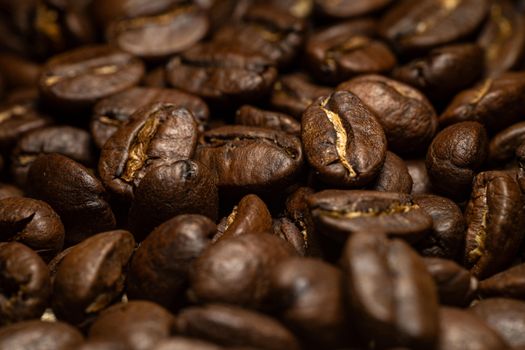
Detailed close-up of aromatic roasted coffee beans, ideal for food and drink themes. Photo: Ignacio Vazquez / Pexels
The quest for the perfect espresso shot begins not with the machine, but with the humble coffee bean. For home baristas and professional connoisseurs alike, understanding the critical role of bean selection is the first, most pivotal step towards crafting a truly exceptional cup. While a high-quality espresso machine provides the pressure and temperature control, it's the beans that dictate the flavor, aroma, body, and the coveted crema of your shot. Choosing the best coffee beans for espresso machine use is an art and a science, influenced by a myriad of factors from origin and varietal to roast level and freshness. Many beginners mistakenly believe that any dark roast coffee will suffice for espresso. While dark roasts are common, the truth is far more nuanced. The ideal espresso bean is one that can withstand the high-pressure extraction process, yielding a concentrated, complex, and balanced flavor profile without bitterness or sourness. This often means looking beyond generic supermarket offerings and delving into the world of specialty coffee. Different beans react differently to the intense heat and pressure of an espresso machine. A bean that makes a fantastic pour-over might produce an astringent or watery espresso, and vice versa. The specific characteristics of the bean – its density, oil content, and soluble solids – all play a role in how it extracts. For instance, beans with higher oil content tend to produce a richer, more persistent crema, a hallmark of a well-pulled espresso shot. Moreover, the inherent flavor notes of the bean, derived from its origin and processing, are amplified in espresso. A fruity Ethiopian Yirgacheffe will present a bright, almost tea-like espresso, while a chocolatey Brazilian bean will offer a more traditional, robust profile. The goal is to find beans whose intrinsic qualities are best showcased and balanced through the espresso extraction method. Ignoring bean quality or suitability is akin to using sub-par ingredients in a gourmet recipe; the final result will always fall short. Investing time and effort in selecting the right beans is the single most effective way to elevate your home espresso game, ensuring each shot is a delightful experience. Explore different coffee origins to understand their unique flavor profiles. The journey to finding your perfect espresso bean is an exciting one, filled with discovery and delicious rewards. It’s about understanding that the bean is the heart of your espresso, and every other element, from grind to machine, serves to unlock its full potential.

Arabica vs. Robusta: The Core of Espresso Blends
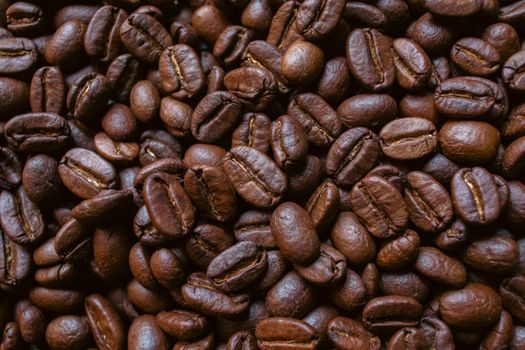
High-detail image showcasing roasted coffee beans, highlighting texture and color. Photo: indra projects / Pexels
When discussing the best coffee beans for espresso machine applications, the fundamental distinction between Arabica and Robusta beans inevitably comes to the forefront. These two species dominate the global coffee market, and each brings unique characteristics to your espresso shot. Understanding their differences is crucial for selecting or creating a blend that perfectly suits your taste and desired espresso profile. Arabica, accounting for roughly 60% of the world's coffee production, is renowned for its complex aromatic profile and nuanced flavors. Grown at high altitudes in rich soil, Arabica beans are typically larger, more oval, and possess a higher acidity, contributing to bright, fruity, floral, or chocolatey notes. They contain less caffeine than Robusta and are generally considered superior in taste, often forming the backbone of specialty coffee offerings. For espresso, 100% Arabica blends are popular among those who prioritize sophisticated flavor and a cleaner finish. These blends often produce a delicate, less viscous crema, but compensate with an intricate taste experience. However, Arabica's lower oil content and density can sometimes lead to a less robust body and a less stable crema if not roasted and prepared expertly. On the other hand, Robusta, making up about 30-40% of the market, is a hardier plant grown in hotter climates at lower altitudes. Its beans are smaller, rounder, and contain almost double the caffeine of Arabica. Robusta is characterized by a stronger, more bitter flavor, often described as rubbery or earthy, with a distinctive 'roasty' note. While often overlooked in single-origin specialty coffee, Robusta plays a vital role in traditional espresso blends, particularly in Italy. Its higher oil content and dense structure contribute significantly to a thick, dark, and persistent crema – the golden-brown foam that caps a well-pulled espresso. Furthermore, Robusta provides excellent body and a more intense, bold flavor that can cut through milk in lattes and cappuccinos. Many classic Italian espresso blends incorporate 10-30% Robusta to achieve that iconic rich crema and powerful punch. The ideal choice for the best coffee beans for espresso machine often lies in a carefully crafted blend of both. A blend allows roasters to harness the best of both worlds: Arabica's aromatic complexity and subtle flavors, combined with Robusta's body, crema, and caffeine kick. For instance, a blend of 80% Arabica and 20% Robusta can offer a rich, flavorful espresso with a beautiful, stable crema and a satisfyingly bold finish. Experimenting with different Arabica/Robusta ratios in pre-blended or custom-blended beans is a rewarding journey for any espresso enthusiast aiming to perfect their brew. The balance is key; too much Robusta can lead to an overly bitter and harsh shot, while too little might result in a thin body and fleeting crema. Understanding this dynamic is fundamental to selecting or creating your signature espresso.

Roast Levels and Their Impact on Espresso Flavor
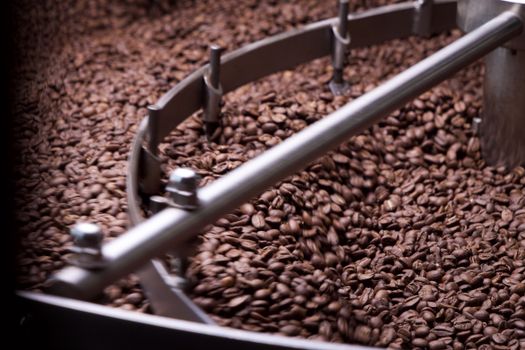
Detailed shot of coffee beans during the roasting process in a professional machine. Photo: Hannoversche Kaffeemanufaktur / Pexels
The roast level of your coffee beans is arguably as critical as the bean origin itself when it comes to crafting the best coffee beans for espresso machine results. Roasting transforms raw green coffee beans into the aromatic, flavorful coffee we know and love, and the duration and temperature of this process dramatically influence the final taste profile of your espresso. Understanding the nuances of light, medium, and dark roasts will guide you in selecting beans that align with your preferred espresso experience. Light roasts are typically stopped shortly after the first crack, retaining much of the bean's original characteristics. They are bright, acidic, and often showcase fruity, floral, or citrus notes. While popular for pour-overs and drip coffee, light roasts can be challenging for espresso. The high acidity can become overwhelming and sour under espresso's intense pressure, and they tend to produce less crema. However, for adventurous baristas seeking a modern, vibrant, and complex espresso that pushes traditional boundaries, some specialty roasters are expertly developing light roast espresso profiles that highlight unique terroir. Medium roasts represent a balance, often roasted to just before or at the beginning of the second crack. These beans offer a fuller body, more balanced acidity, and a broader range of flavors, often including chocolate, caramel, and nutty notes. Medium roasts are a fantastic starting point for espresso, providing a sweet spot between acidity and bitterness. They are versatile, capable of producing a rich, well-rounded shot with a decent amount of crema, making them an excellent choice for those who enjoy both straight espresso and milk-based drinks. Many high-quality espresso blends fall into the medium-dark roast category, offering depth without excessive bitterness. Dark roasts, often roasted well into or past the second crack, are what many traditionally associate with espresso. These beans have a shiny, oily surface due to the oils migrating to the surface during the prolonged roasting process. Dark roasts typically have low acidity, a heavy body, and prominent notes of dark chocolate, smoke, and sometimes a pleasant bitterness. They excel at producing a thick, rich, and stable crema, which is a hallmark of classic Italian espresso. The intense flavors of dark roasts also stand up well to milk, making them ideal for lattes and cappuccinos. However, dark roasts can be prone to bitterness if over-extracted, and their origin characteristics are often masked by the roast flavors. When selecting the best coffee beans for espresso machine, consider your personal preference. Do you crave a bright, complex, and acidic shot (light/medium-light), a balanced and versatile cup (medium/medium-dark), or a bold, traditional, and robust espresso with abundant crema (dark)? Many specialty roasters will specify the intended brewing method on their packaging, offering blends specifically designed and roasted for espresso. Learn more about the science of coffee roasting. Don't be afraid to experiment with different roast levels to discover what truly resonates with your palate and machine.

Essential Tips for Selecting and Storing Your Espresso Beans
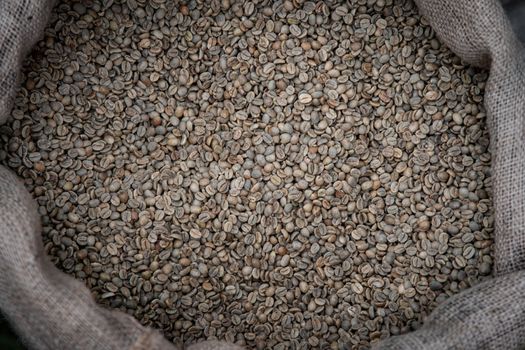
Close-up of unroasted green coffee beans in a burlap sack, showcasing rustic texture and natural color. Photo: Yasin Onuş / Pexels
Beyond understanding bean types and roast levels, several practical considerations are paramount when choosing and maintaining the best coffee beans for espresso machine performance. Adhering to these tips will not only enhance the flavor of your espresso but also ensure consistency and longevity of your bean supply. **1. Prioritize Freshness Above All Else:** This cannot be stressed enough. Coffee beans are at their peak flavor within 2-4 weeks post-roast date. Always look for a 'roasted on' date on the packaging, not a 'best by' date. Avoid beans sold in bulk bins, as their roast date is often unknown and they are exposed to air, light, and moisture, all of which degrade quality rapidly. Buying smaller quantities more frequently is better than buying a large bag that sits for months. **2. Buy Whole Beans, Always:** Pre-ground coffee, even if labeled for espresso, begins to lose its volatile aromatic compounds and flavor within minutes of grinding. For the absolute best espresso, invest in a quality burr grinder and grind your beans immediately before each shot. This preserves the delicate oils and flavors that contribute to a rich crema and complex taste. **3. Consider Single Origin vs. Blends:** Single-origin beans offer a unique taste profile tied to a specific region, farm, or processing method. They can be exciting for exploring diverse flavors. Blends, however, are often meticulously crafted by roasters to achieve a specific, balanced espresso profile, combining the best attributes of different beans to create consistency. For most home baristas, a well-designed espresso blend is a reliable choice. **4. Storage is Key:** Once you've purchased fresh, whole beans, proper storage is crucial. Store them in an airtight container, away from direct sunlight, heat, and moisture. A ceramic canister with an airtight seal or a specialized coffee storage container with a one-way valve is ideal. Avoid storing beans in the refrigerator, as condensation and odors can be absorbed, degrading flavor. Freezing can be an option for longer-term storage (up to a month) for unopened bags, but once opened, it's best to keep them at room temperature and consume quickly. **5. Experiment with Roasters:** Different roasters have distinct styles and philosophies. Don't be afraid to try beans from various local and online specialty roasters. Many offer espresso-specific blends or single-origin beans that are particularly well-suited for espresso. Read reviews, and if possible, visit their cafes to taste their espresso before buying beans. **6. Grind Consistency Matters:** While not directly about bean selection, having a good quality burr grinder is indispensable. A consistent, fine grind is essential for proper espresso extraction. Inconsistent grinds lead to uneven extraction, resulting in sour or bitter shots. Adjusting your grind size is one of the most powerful tools you have for dialing in your espresso. By following these essential tips, you'll not only choose the best coffee beans for espresso machine but also ensure they retain their peak flavor and aroma until they make it into your cup, transforming your home espresso experience.

Comparison

FeatureBest All-Around BlendBest Single Origin (Bold)Best Single Origin (Bright)
Bean TypeArabica/Robusta Blend100% Arabica (Dark Roast)100% Arabica (Medium Roast)
Roast LevelMedium-DarkDarkMedium
Flavor ProfileChocolate, Caramel, Nutty, Full BodyDark Chocolate, Smoky, RobustFruity, Floral, Citrus, Acidic
Crema ProductionExcellent (✓)Very Good (✓)Good (✗)
Milk CompatibilityHigh (✓)High (✓)Moderate (✓)
Recommended UserEveryday Espresso & Milk DrinksTraditional Espresso LoverModern Espresso Enthusiast

What Readers Say

"These beans transformed my home espresso. The crema is incredible, and the flavor is so rich and balanced. I finally feel like I'm getting café-quality shots."

Sarah J. · Portland, OR

"I've tried countless brands, but this blend truly delivers. It pulls a perfect shot every time in my Gaggia, with notes of dark chocolate and a hint of spice. Absolutely my new go-to for the best coffee beans for espresso machine."

Mark D. · Austin, TX

"My morning lattes have never tasted better! The espresso is so smooth and cuts through the milk perfectly without losing its character. This coffee makes my home barista efforts so rewarding."

Emily R. · New York, NY

"While excellent for a traditional espresso, I found the dark roast a bit too intense for my palate when consumed black. However, it's phenomenal in my cappuccinos. Definitely a high-quality bean for specific uses."

David L. · Denver, CO

"As a former barista, I'm picky about my beans. These are incredibly fresh and produce a consistent, beautiful shot with fantastic body. My Breville loves them, making them the best coffee beans for espresso machine I've found."

Jessica M. · Los Angeles, CA

Frequently Asked Questions

What is the single most important factor for selecting the best coffee beans for espresso?

The single most important factor is freshness. Always choose whole beans with a 'roasted on' date within the last 2-4 weeks. Freshly roasted beans retain their volatile aromatic compounds and oils, which are crucial for optimal flavor extraction and crema production in espresso.

Do I always need a dark roast for espresso?

Not necessarily. While dark roasts are traditional for espresso and produce a classic bold flavor with abundant crema, many specialty coffee enthusiasts now enjoy medium and even some lighter roasts for a more nuanced, brighter, and complex espresso experience. Your preference will dictate the ideal roast level.

How fine should I grind my coffee beans for espresso?

For espresso, you need a very fine, consistent grind, similar to powdered sugar or fine sand. The exact fineness will depend on your machine and beans, requiring adjustment (dialing in) to achieve a shot that extracts in 25-30 seconds, producing a rich crema and balanced flavor.

Are expensive coffee beans always better for espresso?

Not always, but quality often correlates with price. More expensive beans typically come from specialty origins, have been processed with greater care, and are roasted by skilled artisans. While you don't need the absolute priciest, investing in fresh, well-sourced beans from a reputable roaster will significantly improve your espresso quality over generic supermarket options.

Can I use regular drip coffee beans for my espresso machine?

While technically possible, using 'regular' drip coffee beans for espresso is not recommended. Drip coffee beans are often roasted for different extraction methods and may not hold up to the high pressure of an espresso machine, resulting in thin, watery, or overly bitter/sour shots with poor crema. Look for beans specifically blended or roasted for espresso.

Who should prioritize Arabica beans for their espresso machine?

Those who prioritize complex, aromatic, and nuanced flavors with higher acidity and less bitterness should lean towards 100% Arabica beans or Arabica-dominant blends. These are ideal for exploring distinct regional flavors and a more 'modern' espresso profile, especially if you prefer drinking espresso black.

Is it safe to store my coffee beans in the freezer?

Freezing can be an option for long-term storage (up to a month or two) for *unopened*, airtight bags of whole beans. However, once opened, repeated freezing and thawing can introduce moisture and freezer burn, degrading flavor. For daily use, an airtight container at room temperature is best.

What is the future trend for the best coffee beans for espresso machine?

The trend is moving towards greater transparency in sourcing, more experimental and lighter roast profiles for espresso, and an increased focus on specific varietals and processing methods. Expect more single-origin espressos that highlight unique terroir, alongside continued innovation in classic blends for balanced flavor and crema.

Elevate your home espresso experience by making an informed choice about your beans. With the best coffee beans for espresso machine, every pull can be a masterpiece, delivering rich flavors and perfect crema. Start exploring today and taste the difference quality makes in your daily ritual.

Topics: best coffee beans for espresso machineespresso bean typesespresso roastespresso grindhome espresso beans
Leo List

DK Escorts LU Escorts AT Escorts SE Escorts FI Escorts CH Escorts DE Escorts HR Escorts IE Escorts GR Escorts CZ Escorts NO Escorts BE Escorts FR Escorts SI Escorts IL Escorts NL Escorts PL Escorts HU Escorts ES Escorts IT Escorts PT Escorts SK Escorts RO Escorts ZA Escorts UY Escorts US Escorts UK Escorts NZ Escorts AU Escorts
Brampton weed
Adultwork EstrelaBet Vai de Bet R7 Bet Betão Galera Bet Rainbet Bet9ja Shop SportyBet BetKing Sisal Loto Foot Hollywoodbets YesPlay Odibets RushBet Jugabet BetWarrior BetCity MSport betPawa Fortebet