Unlocking Smoothness: The Best Coffee Beans for Cold Brew
best coffee beans for cold brew

Unlocking Smoothness: The Best Coffee Beans for Cold Brew

Elevate your homemade cold brew with our expert guide to selecting the perfect beans for unparalleled flavor and smoothness.

Find Your Perfect Bean

Key Takeaways

  • ✓ Darker roasts often yield a richer, less acidic cold brew.
  • ✓ Coarsely ground beans are essential for proper cold brew extraction.
  • ✓ Single-origin beans can offer unique flavor profiles to your cold brew.
  • ✓ Freshly roasted beans are paramount for optimal flavor and aroma.

How It Works

1
Select Your Beans Wisely

The foundation of great cold brew begins with the right coffee beans. Consider roast level, origin, and flavor notes that appeal to your palate.

2
Grind Coarsely and Consistently

A coarse, uniform grind prevents over-extraction and bitterness. This is crucial for the long steeping process inherent in cold brewing.

3
Steep for Optimal Extraction

Combine your coarsely ground coffee with cold, filtered water. Allow it to steep for 12-24 hours, adjusting for desired strength and flavor.

4
Strain and Enjoy

Carefully strain your cold brew concentrate, removing all coffee grounds. Dilute to taste and savor the smooth, refreshing results.

Understanding the Fundamentals of Cold Brew Coffee
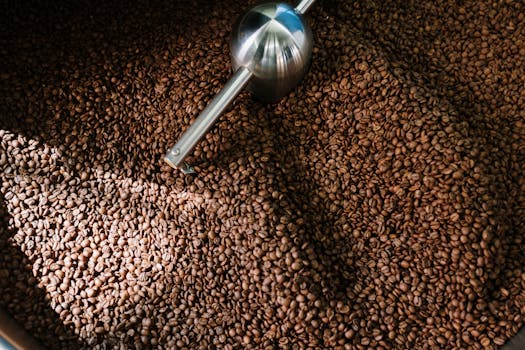
Detailed image of roasted coffee beans spinning inside a professional coffee roaster. Photo: cottonbro studio / Pexels
Cold brew coffee has surged in popularity, captivating enthusiasts with its inherently smooth, low-acid profile and versatile nature. Unlike traditional hot brewing methods, which use heat to extract flavor compounds from coffee grounds, cold brewing relies on time and cold water. This gentle extraction process is the secret behind its distinctive characteristics. When coffee grounds are steeped in cold water for an extended period, typically 12 to 24 hours, the compounds that contribute to bitterness and acidity – like chlorogenic acids – are extracted less efficiently. The result is a concentrate that is remarkably smooth, naturally sweet, and significantly less acidic than its hot-brewed counterpart. This makes cold brew an excellent option for those with sensitive stomachs or anyone seeking a less bitter coffee experience. The choice of coffee beans plays an even more critical role in cold brew than it might in hot coffee. Because cold water is a less efficient solvent than hot water, the inherent quality and characteristics of the beans are amplified. You can't hide behind the intense extraction of hot water; every nuance of the bean will come through. Therefore, selecting the best coffee beans for cold brew is not just about preference, but about understanding how different bean types, origins, and roast levels interact with the cold brewing process. A bean that shines in a hot pour-over might fall flat in cold brew, and vice-versa. This guide aims to demystify that selection process, helping you pinpoint the ideal beans to create your perfect cup. We'll delve into the science of cold extraction and how it influences flavor, laying the groundwork for informed bean choices. The ultimate goal is a cold brew that is not just refreshing, but rich in flavor, smooth on the palate, and perfectly balanced, all starting with the right foundation: your coffee beans.

The Impact of Roast Level on Cold Brew Flavor
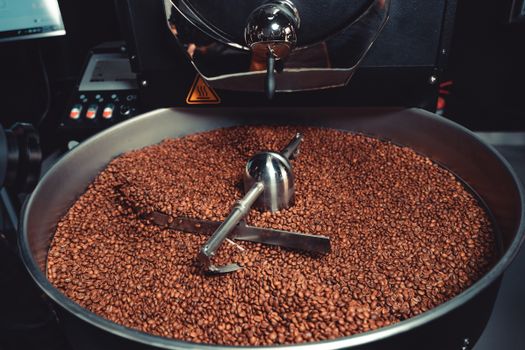
A detailed view of freshly roasted coffee beans inside an industrial roaster, showcasing machinery and process. Photo: Denys Gromov / Pexels
The roast level of your coffee beans is arguably one of the most significant factors influencing the final taste profile of your cold brew. While personal preference always plays a role, certain roast levels tend to perform better in cold brewing due to the unique extraction method. Generally, medium to dark roasts are highly recommended for cold brew. Here's why: **Medium Roasts:** These beans offer a balanced profile. They retain some of the original characteristics of the coffee bean's origin while developing richer, more caramelized notes from the roasting process. For cold brew, a medium roast can yield a smooth, sweet, and complex cup with hints of chocolate, nuts, or even fruit, depending on the bean's origin. They strike a good balance, providing enough body and flavor without becoming overly bitter or muted. Many find medium roasts to be the 'sweet spot' for a versatile and approachable cold brew concentrate. **Dark Roasts:** Often perceived as the quintessential cold brew bean, dark roasts excel due to their robust and full-bodied nature. The extended roasting time develops deep, rich flavors like dark chocolate, caramel, and sometimes a smoky quality. Critically, the bitterness associated with dark roasts in hot brewing is significantly reduced in cold brewing because the cold water doesn't extract those bitter compounds as readily. This results in an incredibly smooth, bold, and low-acid cold brew that stands up well to dilution with milk or water. If you crave a strong, classic coffee flavor without the harshness, dark roasted beans are an excellent choice. Look for beans roasted specifically for espresso or dark roasts labeled 'French Roast' or 'Espresso Roast' for a truly intense cold brew. **Light Roasts:** While light roasts are celebrated in hot brewing for their vibrant acidity and complex, often fruity or floral notes, they can be more challenging for cold brew. The cold water extraction often struggles to fully develop these delicate nuances, sometimes resulting in a thin, underdeveloped, or even sour cold brew. The bright acidity that makes them appealing in hot coffee can also translate poorly to cold brew, where low acidity is often desired. However, for adventurous palates seeking a truly unique and bright cold brew, a carefully chosen light roast with distinct fruity notes can offer an interesting, albeit less traditional, experience. It requires more experimentation and understanding of the specific bean's profile. For the majority of cold brew drinkers, sticking to medium or dark roasts will yield the most consistently satisfying results. The key is to remember that the cold brewing process itself is a gentle one, and beans that already possess a deeper, more developed flavor profile tend to shine brighter in this method.

Optimal Coffee Bean Origins and Varietals for Cold Brew
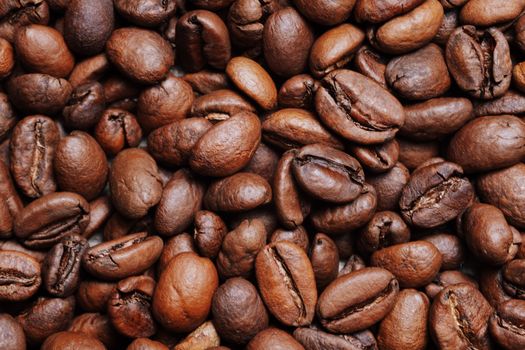
A detailed close-up of roasted coffee beans showcasing texture and richness. Photo: K / Pexels
Beyond the roast level, the origin of your coffee beans and their varietal can profoundly influence the final flavor of your cold brew. Different regions produce beans with distinct characteristics, and understanding these can help you select the best coffee beans for cold brew that align with your taste preferences. Here’s a breakdown of some popular origins and what they typically offer for cold brew: **Brazilian Beans:** Brazil is the world's largest coffee producer, and its beans are often characterized by a rich, nutty, and chocolatey profile with low acidity and a heavy body. These qualities make Brazilian beans an excellent choice for cold brew, contributing to a smooth, sweet, and classic coffee flavor that holds up well to dilution. They are a safe bet for a consistently delicious and approachable cold brew. **Colombian Beans:** Colombian coffees are renowned for their balanced profile, medium body, bright acidity (though less pronounced in cold brew), and notes of caramel, citrus, and sometimes red fruit. While their acidity might be a concern for some cold brew purists, the overall balance and sweetness translate beautifully, offering a slightly brighter and more complex cold brew than Brazilian beans, without sacrificing smoothness. **Ethiopian Beans:** Ethiopia is the birthplace of coffee, and its beans are known for their incredibly diverse and vibrant flavor profiles, often featuring floral, fruity (berry, citrus), and tea-like notes with a lighter body and higher acidity. For cold brew, Ethiopian beans can be a bit more challenging. If you prefer a truly unique, bright, and aromatic cold brew that defies the traditional bold profile, a medium-dark roasted Ethiopian can offer fascinating results, showcasing those delicate notes in a new light. However, their higher acidity might not appeal to everyone seeking the ultra-low-acid cold brew experience. **Sumatran Beans (Indonesia):** Hailing from Sumatra, these beans are famous for their bold, earthy, full-bodied, and sometimes spicy or woody flavors with very low acidity. They often have a unique 'foresty' or 'umami' characteristic. Sumatran beans are an exceptional choice for dark roast cold brew, delivering an incredibly rich, robust, and deep flavor that is inherently smooth and satisfying. If you enjoy a strong, exotic, and non-acidic cold brew, Sumatran varieties are highly recommended. **Central American Beans (e.g., Guatemala, Costa Rica):** Coffees from these regions often present a clean, balanced cup with notes of chocolate, nuts, and subtle fruitiness, along with a medium body. Guatemalan beans, in particular, are known for their smoky, chocolatey, and sometimes spicy notes that translate wonderfully into a smooth, well-rounded cold brew. Costa Rican beans tend to be cleaner and brighter. Both can provide a delightful and complex cold brew experience. **Blends vs. Single Origin:** While single-origin beans allow you to explore specific regional characteristics, many roasters offer cold brew-specific blends. These blends are expertly crafted to combine beans from different origins to achieve a desired balance of body, sweetness, and complexity ideal for cold brewing. Don't shy away from a good cold brew blend; they can often offer a more consistent and well-rounded experience specifically formulated for this brewing method. Ultimately, experimentation with different origins and blends is key to discovering your personal favorite for the perfect cold brew.

Essential Tips for Crafting the Ultimate Cold Brew
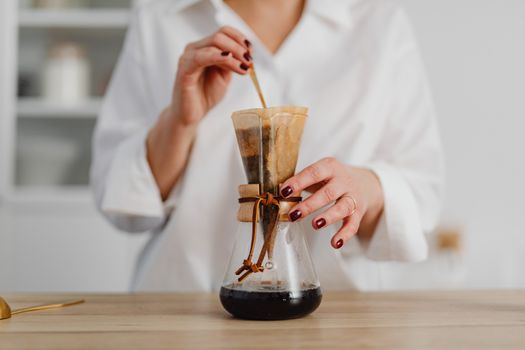
Close-up of a woman preparing drip coffee with a Chemex in a modern kitchen. Photo: https://kaboompics.com/ / Pexels
Beyond selecting the best coffee beans for cold brew, several crucial steps and common pitfalls can make or break your homemade batch. Mastering these techniques will ensure your cold brew is consistently delicious, smooth, and exactly to your liking. **Grind Size is King:** This cannot be stressed enough. The single most common mistake in cold brewing is using too fine a grind. Cold brew requires a very coarse grind, akin to breadcrumbs or coarse sea salt. A fine grind leads to over-extraction, resulting in a bitter, muddy, and often gritty cold brew. It also makes filtering significantly more difficult. Invest in a good burr grinder to achieve a consistent, coarse grind. **Water Quality Matters:** Since water makes up over 90% of your cold brew, its quality is paramount. Use filtered water – tap water can contain chlorine or other impurities that impart off-flavors to your coffee. Good quality water allows the true flavors of your beans to shine through. **The Right Ratio:** A common starting ratio for cold brew concentrate is 1:8 coffee to water by weight (e.g., 100g coffee to 800ml water). This produces a strong concentrate that can be diluted later. You can adjust this ratio based on your preference – a 1:5 ratio will yield a very strong concentrate, while 1:10 will be milder. Experiment to find your sweet spot. **Steeping Time is Crucial:** The ideal steeping time typically ranges from 12 to 24 hours. Shorter times (under 12 hours) might result in an underdeveloped, weak brew. Longer times (over 24 hours) can lead to over-extraction and a more bitter or woody flavor, although some prefer a longer steep for maximum strength. Taste your brew periodically after 12 hours to determine when it’s perfect for you. Avoid steeping for excessively long periods, such as 48 hours, as this rarely improves flavor and often introduces undesirable notes. **Filtering for Clarity:** After steeping, proper filtration is essential for a clean, grit-free cold brew. Use a fine-mesh sieve lined with cheesecloth or a dedicated cold brew filter bag. For an even cleaner result, a second filtration through a paper coffee filter (though slower) can remove any remaining fine particles. Avoid squeezing the coffee grounds during filtration, as this can force bitter compounds and fine sediment into your concentrate. **Storage and Dilution:** Store your cold brew concentrate in an airtight container in the refrigerator for up to two weeks. When serving, dilute your concentrate with water, milk, or your favorite creamer to taste. A good starting point is a 1:1 ratio of concentrate to water/milk, but adjust based on desired strength and flavor. Cold brew is also excellent for making iced lattes, cocktails, or even cooking. **Common Mistakes to Avoid:** * **Using pre-ground coffee:** Pre-ground coffee is usually too fine for cold brew and often stale. * **Hot water:** Never use hot water for cold brew; it defeats the purpose of the low-acid extraction. * **Ignoring bean freshness:** Stale beans will produce flat, lifeless cold brew. * **Over-filling the steeping vessel:** Leave enough room for the coffee to expand and for proper water circulation. * **Not tasting as you go:** Your palate is the best guide; adjust ratios and times based on your preferences.

Comparison

FeatureDark Roast (e.g., Brazil, Sumatra)Medium Roast (e.g., Colombia, Central America)Light Roast (e.g., Ethiopia, some Central America)
AcidityVery LowLow to MediumMedium to High
Flavor ProfileBold, Chocolatey, Smoky, EarthyBalanced, Caramel, Nutty, Subtle FruitBright, Floral, Fruity, Tea-like
BodyFull, HeavyMediumLight
SmoothnessExceptionalExcellentGood (can be tart)
Bitterness (in Cold Brew)MinimalMinimalCan be noticeable if improperly extracted
Recommended for Cold Brew✗ (expert use only)

What Readers Say

"Using a good quality dark roast from Brazil made all the difference in my cold brew. It’s incredibly smooth, rich, and has none of the bitterness I used to get. My morning coffee routine is totally transformed!"

Sarah J. · Austin, TX

"I tried a Sumatran dark roast for my cold brew based on a recommendation, and wow! The earthy, chocolate notes are so prominent and it's unbelievably smooth. It's now my go-to bean for a strong, satisfying cold brew."

Mark D. · Seattle, WA

"After struggling with watery cold brew, I switched to a freshly roasted medium-dark Colombian bean. The flavor is fantastic – rich caramel and chocolate, and it makes a perfect concentrate that lasts me all week."

Emily R. · Denver, CO

"I usually prefer light roasts, but for cold brew, I've found medium roasts from Central America work best. They provide a nice balance without being too acidic, though I sometimes miss the bright notes of my usual coffee."

David L. · Miami, FL

"My husband loves strong coffee, and I prefer something smoother. Finding the best coffee beans for cold brew (a dark roast espresso blend) has meant we both get exactly what we want from the same batch. It's a game-changer for our household."

Jessica M. · Chicago, IL

Frequently Asked Questions

What is the absolute best type of coffee bean for cold brew?

While 'best' is subjective, medium to dark roast beans from regions like Brazil, Colombia, or Sumatra are consistently recommended for cold brew. These origins typically offer low acidity, full body, and rich, chocolatey, or nutty flavor profiles that translate beautifully into a smooth, sweet, and robust cold brew concentrate.

Will using cheap coffee beans ruin my cold brew?

Yes, using low-quality or stale coffee beans will significantly detract from your cold brew's flavor. Cold brewing extracts flavor gently, meaning the inherent quality of the bean is amplified. Investing in fresh, good-quality beans, even if not premium, will yield a much better tasting and more enjoyable cold brew.

How do I grind my coffee beans specifically for cold brew?

For cold brew, you need a very coarse, uniform grind. Think of the consistency of coarse sea salt or breadcrumbs. Use a burr grinder if possible, as blade grinders produce an inconsistent grind with too many fines, which can lead to over-extraction and a gritty cold brew. Avoid pre-ground coffee unless it's specifically labeled for cold brew.

Is it worth buying specialty coffee beans just for cold brew?

Absolutely. While you don't need the most expensive beans, investing in freshly roasted, quality specialty coffee beans designed for cold brew or that fit the recommended profiles (medium to dark, low acid) will elevate your cold brew experience significantly. The difference in smoothness, depth of flavor, and lack of bitterness is often well worth the slightly higher cost.

Can I use espresso beans for cold brew?

Yes, espresso beans, which are typically dark roasts, are often an excellent choice for cold brew. Their robust, rich, and low-acid characteristics developed during the dark roasting process translate very well to the cold brewing method, yielding a strong, smooth, and full-bodied concentrate perfect for dilution.

What if I prefer a lighter, more fruity cold brew?

If you prefer a lighter, more fruity cold brew, you can experiment with medium-roasted single-origin beans, particularly those from Ethiopia or certain Central American regions known for bright, fruity notes. However, be aware that cold brewing may not extract these delicate flavors as intensely as hot brewing, and the acidity might be more pronounced than in traditional cold brew.

Are there any health risks associated with cold brew coffee?

Cold brew coffee is generally considered a healthy beverage. Its lower acidity can be beneficial for individuals with sensitive stomachs or acid reflux, reducing the digestive discomfort often associated with hot coffee. As with any caffeinated beverage, moderation is key, especially given that cold brew concentrate can be quite potent.

What's the next big trend in cold brew coffee beans?

The trend is moving towards more nuanced and experimental cold brew. Expect to see more single-origin, medium-roasted beans specifically optimized for cold brew, focusing on unique flavor profiles beyond just 'bold.' Also, sustainable and ethically sourced beans will continue to gain importance, with roasters highlighting transparency in their supply chains.

Armed with this comprehensive guide, you're now ready to confidently select the best coffee beans for cold brew and embark on a journey to unparalleled smoothness and flavor. Experiment with different roasts and origins, and discover your personal favorite to craft the ultimate refreshing cold brew experience at home. Your perfect cup awaits!

Topics: best coffee beans for cold brewcold brew coffee beanslow acid coffeesmooth cold brewcoffee roast for cold brew
Leo List

IE Escorts NO Escorts US Escorts NZ Escorts AU Escorts
Brampton weed
Adultwork EstrelaBet Vai de Bet R7 Bet Betão Galera Bet Rainbet Bet9ja Shop SportyBet BetKing Sisal Loto Foot Hollywoodbets YesPlay Odibets RushBet Jugabet BetWarrior BetCity MSport betPawa Fortebet