Unlock Smooth Sips: Discover the Best Coffee Beans for Cold Brew

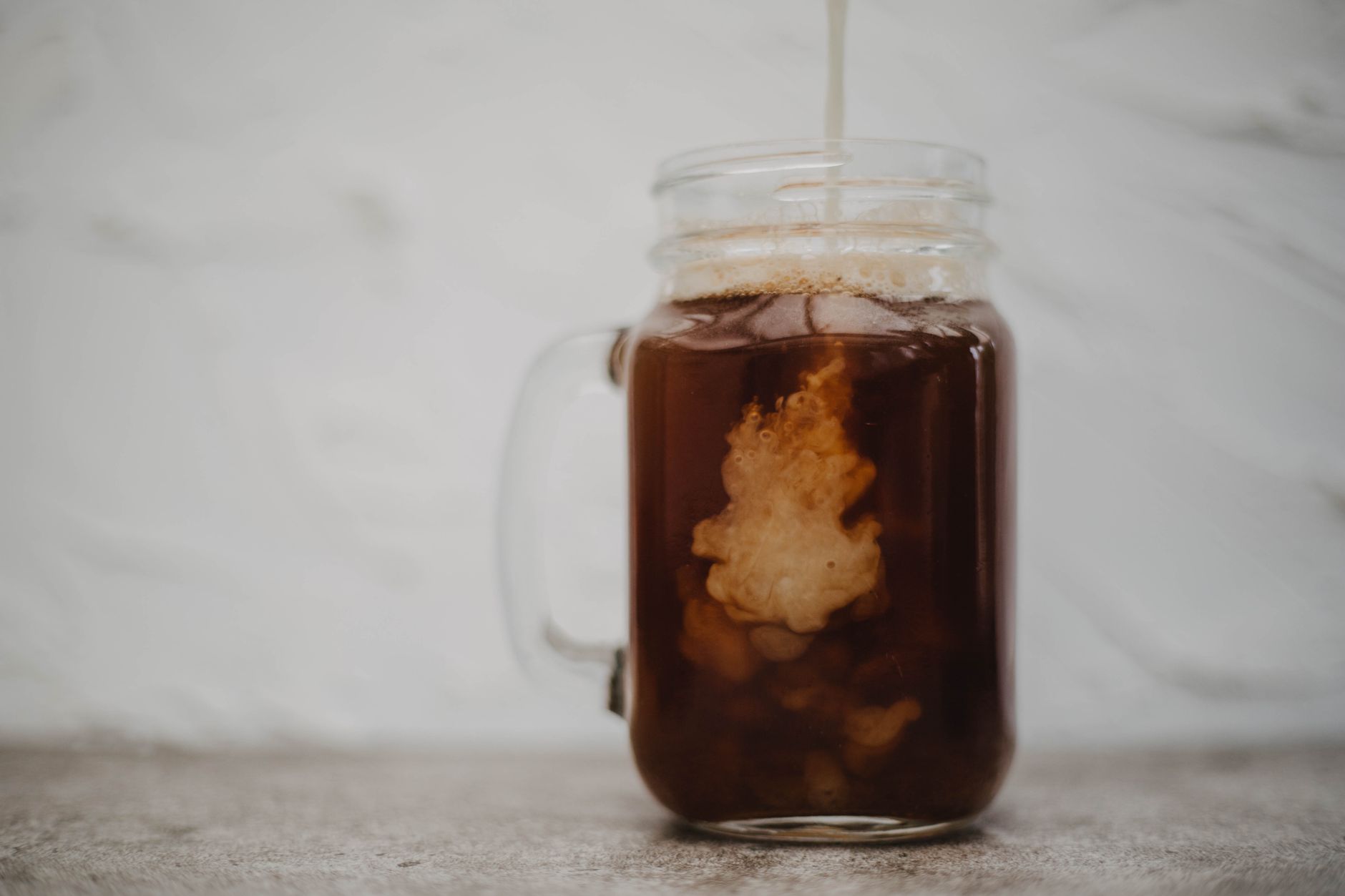
Close-up of cold brew coffee with cream swirling in a mason jar. Perfect for beverage themes.Photo: Kate Amos / Pexels

Unlock Smooth Sips: Discover the Best Coffee Beans for Cold Brew

Master the art of cold brew by selecting the perfect beans for unparalleled flavor and smoothness.

Brew Your Best Cold Brew

Key Takeaways

  • ✓ Dark roasts are often preferred for cold brew due to their robust flavor that withstands the long steeping process.
  • ✓ Coarse grinding your beans is crucial for optimal extraction and to prevent over-extraction and bitterness.
  • ✓ Single-origin beans can offer unique flavor profiles, while blends provide balanced, consistent results.
  • ✓ Freshness matters; use beans roasted within 2-4 weeks for the best cold brew experience.

How It Works

1
Select Your Beans Wisely

Choose beans known for their compatibility with cold brewing, focusing on roast level and origin. This foundational step dictates the ultimate flavor profile of your brew.

2
Grind to Perfection

Achieve a coarse, uniform grind. This ensures proper extraction over the extended steeping period and prevents the introduction of unwanted bitterness or sediment.

3
Steep for Flavor

Combine your coarsely ground coffee with cold, filtered water in an appropriate ratio. Allow it to steep for 12-24 hours, letting time do the work of extracting rich, smooth flavors.

4
Filter and Enjoy

Carefully strain the concentrate to remove all grounds, leaving you with a clean, potent cold brew. Dilute to taste and savor the smooth, low-acid delight.

Understanding Cold Brew: Why Bean Choice Matters
Close-up of cold brew coffee with cream swirling in a mason jar. Perfect for beverage themes.Photo: Kate Amos / Pexels
Cold brew has surged in popularity, captivating coffee lovers with its distinctly smooth, low-acid profile and inherent sweetness. Unlike traditional hot brewing methods that use heat to rapidly extract flavors, cold brewing relies on time and cold water. This gentle, prolonged extraction process fundamentally alters the chemical composition of the final beverage, resulting in a less bitter, less acidic, and often sweeter concentrate. But what exactly makes a coffee bean 'good' for cold brew? It all boils down to how the bean's inherent characteristics interact with this unique brewing method. When hot water hits coffee grounds, it rapidly dissolves acids, oils, and aromatic compounds. This quick extraction can bring out bright, sometimes sharp, notes. Cold water, however, is a much slower solvent. It extracts fewer of the bitter acids and oils, leading to a smoother, mellower drink. This means that beans which might taste overly acidic or sharp when hot brewed can transform into something wonderfully balanced and rich when cold brewed. Conversely, very light roasts, often prized for their delicate floral and fruity notes in hot coffee, can sometimes get lost in the cold brew process, resulting in a thin or understated flavor profile. The key is to select beans that possess robust flavors capable of standing up to the long steeping time without becoming muddy or bland. We're looking for inherent sweetness, chocolatey or nutty undertones, and a full body that translates into a satisfying concentrate. Origin also plays a significant role. Beans from regions like Brazil, Colombia, or Sumatra are often favored for their inherent chocolate, caramel, and earthy notes, which are beautifully amplified in cold brew. African beans, with their brighter, fruitier profiles, can also shine, but often require careful selection to ensure the fruitiness doesn't become overwhelming or sour. Ultimately, the 'best coffee beans for cold brew' are those that provide a harmonious balance of flavor, body, and aroma, tailored to the unique extraction dynamics of cold water. Understanding these fundamental differences is the first step in crafting your perfect cold brew masterpiece. It's not just about any coffee bean; it's about the right coffee bean for the job. Delving into the nuances of roast levels, origin, and even processing methods will unlock a world of cold brew possibilities, transforming your morning ritual into an exceptional experience. For more insights on coffee fundamentals, consider exploring the basics of coffee beans.

Exploring Roast Levels and Their Impact on Cold Brew
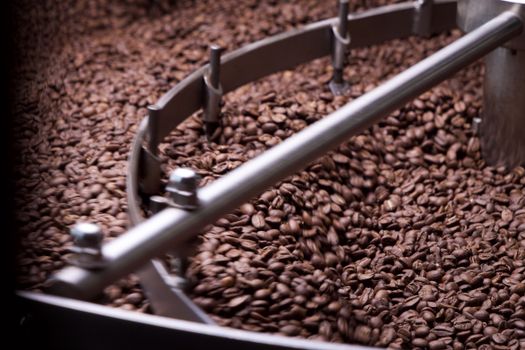
Detailed shot of coffee beans during the roasting process in a professional machine.Photo: Hannoversche Kaffeemanufaktur / Pexels
The roast level of a coffee bean is arguably one of the most critical factors influencing its suitability for cold brew. As coffee beans are roasted, they undergo significant chemical changes. Lighter roasts retain more of the bean's original characteristics, including higher acidity and brighter, more delicate flavors like citrus, berries, and florals. Medium roasts offer a balance, developing sweetness and body while still showcasing some origin characteristics, often with notes of chocolate, nuts, and caramel. Dark roasts, having been roasted longer, develop a fuller body, lower acidity, and prominent flavors of dark chocolate, caramel, and often a smoky or robust quality. For cold brew, dark roasts are often the go-to choice for several compelling reasons. The extensive roasting process reduces the acidity in the beans, which naturally aligns with cold brew's inherently low-acid profile. This means you start with a bean that's already predisposed to delivering a smooth, gentle cup. Furthermore, the robust, often intense flavors developed in dark roasts – think rich chocolate, deep caramel, and toasted nuts – stand up exceptionally well to the long, slow extraction of cold water. These flavors don't get diluted or lost; instead, they become concentrated and harmoniously blended, resulting in a full-bodied, satisfying cold brew concentrate. A well-chosen dark roast can yield a cold brew that is remarkably smooth, with a pleasant bitterness that hints at dark chocolate rather than an acrid, sharp taste. However, this doesn't mean lighter roasts are entirely out of the picture for cold brew enthusiasts. While they can sometimes produce a thin or overly bright cold brew, certain light-to-medium roasts, especially those with naturally rich, sweet, or fruity notes, can create a surprisingly vibrant and complex cold brew. For instance, some Ethiopian or Kenyan beans, known for their bright, berry-like, or citrusy profiles, can, when carefully cold brewed, yield a refreshing and unique drink that diverges from the traditional dark roast cold brew experience. The key here is experimentation and understanding that a lighter roast cold brew will likely have a different character – less heavy, potentially more nuanced – than its darker counterpart. Medium roasts offer a fantastic middle ground. They provide enough body and developed sweetness to hold their own in cold brew, while still allowing some of the bean's origin characteristics to shine through. Many cold brew specific blends utilize medium to dark roasted beans to achieve a balanced, crowd-pleasing profile. When selecting the best coffee beans for cold brew based on roast level, consider your personal preference: do you crave a classic, bold, and chocolatey cold brew, or are you seeking something more adventurous with brighter, more intricate flavors? Your answer will guide your roast choice, ensuring your cold brew perfectly matches your palate.

Origin, Processing, and Grind Size: Unlocking Cold Brew Potential
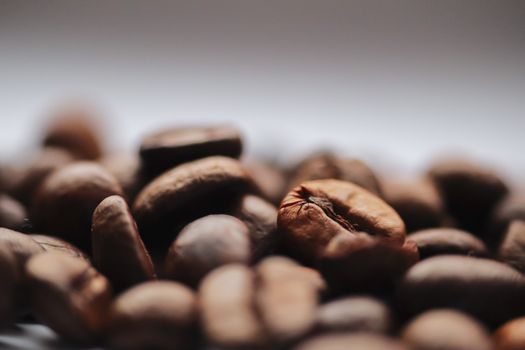
Detailed close-up photo showcasing the rich aroma of roasted coffee beans in soft focus lighting.Photo: Sara / Pexels
Beyond roast level, the origin of your coffee beans and their processing method significantly influence the flavor profile of your cold brew. Different coffee-growing regions are renowned for distinct characteristics that translate uniquely into cold brew. For a classic, rich, and chocolatey cold brew, beans from Central and South America are often ideal. Colombian beans, for example, are known for their balanced acidity, medium body, and notes of chocolate, nuts, and caramel – all excellent qualities that become amplified in a smooth cold brew. Brazilian beans tend to be lower in acidity and possess prominent nutty and chocolate flavors, making them another strong contender for a robust and sweet cold brew. Sumatran beans, often characterized by their earthy, spicy, and full-bodied profiles, can create an incredibly unique and complex cold brew with a deep, almost syrupy texture. These beans are perfect for those who enjoy a more adventurous and less conventional cold brew experience. On the other hand, for a cold brew with brighter, more vibrant notes, some East African beans (like those from Ethiopia or Kenya) can be fantastic. While typically known for their high acidity and fruit-forward notes in hot coffee, when cold brewed, these beans can produce a surprisingly smooth, floral, or berry-like concentrate. The acidity is significantly mellowed, allowing the inherent sweetness and fruitiness to shine without being overpowering. It's a delicate balance, but when done right, it offers a refreshing alternative to the darker, bolder brews. Processing methods also play a role. Washed (or wet-processed) coffees tend to have a cleaner, brighter flavor profile, while natural (or dry-processed) coffees often exhibit more intense fruitiness and a heavier body. For cold brew, naturally processed beans can often contribute a deeper sweetness and more pronounced fruit notes, which can be delightful. However, ensure the beans are high quality to avoid any undesirable fermented flavors. Finally, the grind size is paramount for successful cold brewing. Unlike drip coffee or espresso, cold brew requires a very coarse grind – similar to coarse sea salt or breadcrumbs. Why? The long steeping time. If your grind is too fine, you risk over-extraction, which leads to a bitter, astringent taste and a cloudy, muddy final product. A fine grind also makes filtering significantly more difficult, often resulting in sediment in your cup. A coarse grind allows for a slow, even extraction, preventing over-extraction and ensuring a clean, smooth, and delicious cold brew. Invest in a good burr grinder to achieve a consistent coarse grind, which is crucial for making the best cold brew possible. You can explore more about different coffee processing methods for a deeper understanding.

Tips for Brewing the Best Cold Brew and Avoiding Common Mistakes

Close-up of cold brew coffee with cream swirling in a mason jar. Perfect for beverage themes.Photo: Kate Amos / Pexels
Crafting the perfect cold brew at home is an incredibly rewarding experience, but a few key tips and awareness of common pitfalls can elevate your results from good to exceptional. Here’s how to ensure your journey to the best cold brew is smooth and delicious: **Tips for Success:** * **Use Filtered Water:** Tap water often contains impurities and chlorine that can negatively impact the delicate flavors of your cold brew. Using filtered water provides a clean slate, allowing the true character of your chosen beans to shine through. * **Maintain the Right Coffee-to-Water Ratio:** A common starting point is a 1:8 coffee-to-water ratio by weight (e.g., 100g coffee to 800g water) for a concentrate. Adjust this ratio to your preference for strength and intensity. A stronger concentrate means you can dilute it more later. * **Experiment with Steeping Times:** While 12-24 hours is a general guideline, the ideal steeping time can vary depending on your beans, grind size, and desired strength. Start at 12 hours and taste test. If it's too weak, steep for a few more hours. Don't go beyond 24 hours too often, as it can lead to over-extraction. * **Store Properly:** Once brewed, your cold brew concentrate is best stored in an airtight container in the refrigerator. It typically stays fresh for up to two weeks, though peak flavor is often within the first week. * **Consider a Cold Brew Maker:** While not essential, dedicated cold brew makers simplify the process, often including built-in filters and ensuring optimal immersion. **Common Mistakes to Avoid:** * **Using a Fine Grind:** As discussed, a fine grind is the enemy of good cold brew. It leads to over-extraction, bitterness, and a muddy final product. Always opt for a coarse grind. * **Over-Steeping:** While cold brew is forgiving, steeping for too long (e.g., beyond 24 hours, especially with darker roasts) can still lead to undesirable bitter notes and a loss of desirable flavors. It’s a delicate balance. * **Using Stale Beans:** Freshness is crucial. Beans that are too old will have lost many of their volatile aromatic compounds, resulting in a flat and uninspiring cold brew. Aim for beans roasted within 2-4 weeks. * **Not Diluting Properly:** Cold brew concentrate is meant to be diluted. Drinking it straight can be overwhelmingly strong. Experiment with water, milk, or ice to find your perfect dilution ratio. * **Skipping the Second Filter:** Even with a good initial filter, a secondary filtering step (e.g., through a paper filter or cheesecloth) can remove fine sediment, resulting in an even cleaner and smoother cup. By keeping these tips in mind and sidestepping common pitfalls, you'll be well on your way to consistently brewing the best cold brew that rivals any cafe, right in the comfort of your own home.

Comparison

FeatureDark Roast (e.g., Brazil, Sumatra)Medium Roast (e.g., Colombia)Light Roast (e.g., Ethiopia)
Flavor ProfileRich, chocolatey, nutty, caramel, low acidityBalanced, sweet, nutty, balanced acidityBright, fruity, floral, higher acidity
BodyFull, heavyMediumLight to medium
Acidity Level in Cold BrewVery LowLowMedium-Low (mellowed)
Recommended for Beginners✗ (Requires specific bean choice)
Best for Traditional Cold Brew Taste
Best for Unique/Fruity Cold Brew
Common NotesDark chocolate, toasted nuts, smokyCaramel, milk chocolate, citrus hintBerries, citrus, jasmine, tea-like

What Our Readers Say

5 ★★★★★

"I used to buy expensive cold brew, but after trying these recommended dark roast beans, my homemade cold brew is consistently smoother and more flavorful. It's a game-changer for my morning routine!"

5 ★★★★★

"The Sumatra beans mentioned here create an incredibly rich, earthy cold brew that I absolutely adore. I love how it’s not bitter at all, even after a long steep."

5 ★★★★★

"Following the advice on grind size and using a good quality medium-dark roast, I finally achieved a cold brew concentrate that tastes just like my favorite coffee shop's. My iced lattes are perfect now!"

4 ★★★★☆

"I tried an Ethiopian light roast for cold brew, and while it wasn't the bold cup I usually prefer, it made a surprisingly refreshing, fruity iced coffee. It's different, but in a good way for a change of pace."

5 ★★★★★

"As someone who struggles with coffee acidity, finding the best coffee beans for cold brew from this guide has been a lifesaver. My stomach thanks me, and my taste buds are thrilled with the smooth, sweet result."

Frequently Asked Questions

What roast level is truly best for cold brew?
While personal preference plays a role, dark and medium-dark roasts are generally considered the best for cold brew. Their robust flavors and low acidity translate beautifully into a smooth, rich, and naturally sweet concentrate. Lighter roasts can work, but require careful selection to avoid a thin or overly acidic brew.
Will any coffee bean work for cold brew?
Technically, you can cold brew any coffee bean, but not all will yield a delicious result. Beans chosen specifically for cold brew will provide a smoother, less bitter, and more flavorful experience. Using stale or inappropriate beans can lead to a flat or unpleasant cold brew.
How do I grind coffee beans specifically for cold brew?
For cold brew, you need a very coarse, uniform grind, similar to coarse sea salt or breadcrumbs. Use a burr grinder if possible, as it provides a consistent grind size, which is crucial for optimal extraction and to prevent bitterness and sediment.
Is expensive coffee necessary for good cold brew?
Not necessarily. While high-quality beans generally lead to better results, you don't need the most expensive options. Focus on fresh, whole beans with the right roast level and flavor profile. Often, a good quality medium-dark roast from a reputable roaster will suffice.
How does cold brew compare to iced coffee in terms of bean choice?
Iced coffee is typically hot-brewed coffee chilled over ice, so it often benefits from beans that shine when hot, like medium roasts. Cold brew, however, is brewed cold, extracting fewer acids and requiring beans (often darker roasts) that can deliver robust, smooth flavors without bitterness over a long steeping period.
Who should prioritize selecting specific beans for cold brew?
Anyone looking for a consistently delicious, low-acid, and smooth coffee experience should prioritize selecting specific beans for cold brew. This is especially true for those sensitive to acidity, or individuals who want to replicate the quality of commercial cold brew at home.
Can using the wrong beans make my cold brew unsafe?
No, using the 'wrong' beans won't make your cold brew unsafe to drink. The primary risk is a less enjoyable taste, such as bitterness, sourness, or a weak flavor. The safety of your cold brew primarily depends on proper hygiene and storage practices.
What's the future trend for cold brew beans?
The trend for cold brew beans is moving towards more experimentation with single-origin, specialty beans, and unique processing methods (like anaerobic ferments) that can offer complex, nuanced flavors beyond traditional dark roasts. Expect more roasters to offer cold-brew specific blends designed to highlight specific characteristics.

Embark on your journey to the perfect cup by selecting the best coffee beans for cold brew. With the right beans and techniques, you'll unlock unparalleled smoothness and flavor, transforming your coffee experience. Start brewing your ultimate cold brew today!

Topics: best coffee beans for cold brewcold brew coffee beanslow acid coffee beansdark roast cold brewsmooth cold brew
Leo List
Brampton weed
Adultwork