✓ Dehydrating fruit concentrates flavor and nutrients.
✓ Two main types: horizontal airflow (Excalibur style) and vertical airflow (stackable).
✓ Temperature control is crucial for optimal fruit dehydration.
✓ Stainless steel models offer durability and easier cleaning.
How It Works
1
Prepare Your Fruit
Wash and thinly slice your chosen fruits. Pre-treatment (like lemon juice dip) can prevent browning for some fruits.
2
Load Trays Evenly
Arrange fruit slices in a single layer on dehydrator trays, ensuring good air circulation around each piece. Avoid overcrowding.
3
Set Temperature & Time
Refer to your dehydrator's manual or a reliable guide for appropriate temperatures and estimated drying times for your specific fruit.
4
Monitor & Store
Check fruit periodically for desired dryness. Once fully dehydrated, cool completely and store in airtight containers away from light.
Why Invest in a Food Dehydrator for Fruits?
Photo: Valentin Ivantsov / Pexels
The allure of homemade, perfectly preserved fruit snacks is undeniable. Beyond the delicious taste, investing in the best food dehydrator for fruits offers a plethora of benefits that extend from your pantry to your health and even your wallet. First and foremost, dehydration is an ancient and effective method of food preservation that removes moisture, inhibiting the growth of bacteria, yeasts, and molds. This means you can extend the shelf life of seasonal produce, reducing food waste and ensuring you have access to your favorite fruits year-round, regardless of their harvest season. Imagine enjoying sweet, chewy strawberries in the dead of winter or tart apple slices on a summer hike. A high-quality food dehydrator makes this not just possible, but incredibly easy.
Beyond preservation, dehydrating fruits allows you to take complete control over what goes into your snacks. Store-bought dried fruits often contain added sugars, sulfites, and preservatives that many health-conscious individuals prefer to avoid. By making your own, you can ensure your snacks are 100% natural, free from artificial additives, and tailored to your dietary needs. This is particularly beneficial for families with young children, athletes, or anyone striving for a cleaner diet. Dehydrated fruits are nutrient-dense powerhouses, concentrating vitamins, minerals, and fiber into a convenient, portable form. They make excellent additions to lunchboxes, trail mixes, yogurts, or simply enjoyed on their own as a guilt-free treat. The process itself is surprisingly simple, transforming fresh, ripe fruit into concentrated bursts of flavor that are both satisfying and nutritious. The initial investment in a quality dehydrator pays dividends in reduced grocery bills (especially when buying in bulk or during peak season) and improved health outcomes. Choosing the right machine, however, is crucial. Factors like capacity, temperature control, airflow design, and material quality all play a significant role in determining the efficiency and versatility of your dehydrator. We'll delve into these aspects to help you identify the best food dehydrator that meets your specific fruit-drying needs and culinary aspirations. Understanding these foundational benefits sets the stage for a deeper exploration into the features and models that truly stand out in the market.
Key Features to Look for in a Fruit Dehydrator
Photo: Valentin Ivantsov / Pexels
When searching for the best food dehydrator for fruits, not all machines are created equal. Several key features differentiate a good dehydrator from a great one, especially when your primary goal is fruit preservation. The first and arguably most critical feature is precise temperature control. Fruits, especially delicate ones, require specific temperature ranges to dry effectively without cooking or scorching. A dehydrator with an adjustable thermostat, typically ranging from 95°F to 165°F (35°C to 74°C), allows you to customize settings for different fruit types, ensuring optimal drying and nutrient retention. Look for models with digital controls for greater accuracy and ease of use.
Next, consider the airflow system. Dehydrators generally come in two main types: vertical airflow (stackable) and horizontal airflow (box-style). Vertical airflow dehydrators have the heating element and fan at the bottom or top, blowing air vertically through stacked trays. While often more compact and affordable, they can lead to uneven drying, requiring tray rotation. Horizontal airflow dehydrators, on the other hand, have the heating element and fan at the back, circulating air horizontally across each tray. This design typically provides more even drying, eliminating the need for tray rotation and making them ideal for larger batches of fruit or when drying items with varying moisture content. For serious fruit dehydrators, horizontal airflow is often preferred.
Capacity is another vital consideration. How much fruit do you plan to dry at once? Dehydrators come with varying numbers of trays and overall drying space. If you have a large garden harvest or frequently buy fruit in bulk, a larger capacity model with more trays will be more efficient. Conversely, if you only plan to dry small batches for personal snacks, a compact unit might suffice. Tray material also matters. BPA-free plastic trays are common and lightweight, but stainless steel trays offer superior durability, are easier to clean, and don't absorb food odors. Some dehydrators also offer mesh sheets or non-stick sheets, which are excellent for drying smaller pieces of fruit like berries or making fruit leathers.
Finally, don't overlook noise levels and ease of cleaning. Dehydrators can run for many hours, so a quieter model is a significant advantage. Look for machines with components that are dishwasher-safe or easy to wipe down. A removable drip tray can also simplify cleanup, especially when drying juicy fruits. Considering these features carefully will guide you toward a dehydrator that not only performs exceptionally well but also fits seamlessly into your lifestyle and kitchen space, making your fruit drying endeavors a consistent success.
Top Contenders: Best Food Dehydrators for Fruit
Photo: Mushtaq Hussain / Pexels
After extensive research, user reviews analysis, and feature comparisons, several food dehydrators consistently rise to the top for their excellence in drying fruits. The Excalibur 3926TB (or its stainless steel counterpart, the Excalibur 3900B) often takes the crown for serious home dehydrators, especially for fruit. Its patented Parallex Horizontal Airflow system ensures incredibly even drying across all nine large trays, meaning no tray rotation is necessary. This is a game-changer when you're drying large batches of different fruits simultaneously. With an adjustable thermostat ranging from 105°F to 165°F (41°C to 74°C) and a 26-hour timer, it offers precise control for perfect fruit leathers, chewy apple rings, or delicate berry chips. While it's a larger investment, its durability and performance make it a favorite among enthusiasts.
Another strong contender is the COSORI Food Dehydrator Machine. This model typically features five or six stainless steel trays and a horizontal airflow system, making it a more budget-friendly yet highly effective option. It boasts a digital thermostat with a wide temperature range (95°F-165°F) and a timer, offering excellent control. Its transparent door allows you to monitor the drying process without opening the unit, which helps maintain consistent internal temperatures. Users frequently praise its quiet operation and ease of cleaning, thanks to the stainless steel trays. It’s an excellent choice for those seeking a balance of performance, capacity, and affordability.
For those who prefer a more compact and often more affordable vertical airflow option, the Nesco Snackmaster Pro Food Dehydrator FD-75A remains a popular choice. While it requires occasional tray rotation for even drying, its powerful top-mounted fan and adjustable thermostat (95°F-160°F) do an admirable job with fruits. It’s expandable, allowing you to add more trays as needed (up to 12 in some models), which is a significant advantage for growing needs without a huge upfront commitment. Its opaque design, however, means you can't visually check progress without lifting the lid and trays.
Lastly, the Tribest Sedona Express Digital Food Dehydrator stands out as a premium option, often featuring all stainless steel construction and a powerful dual-fan, dual-heater system. This allows for even more precise temperature control and energy efficiency, as you can run one or both fans. Its glass door and internal LED light provide excellent visibility, and its quiet operation is a luxury. While it comes with a higher price tag, its robust build, advanced features, and exceptional drying consistency make it a top-tier choice for those who demand the best and frequently dehydrate a variety of foods, including vegetables and meats, alongside their fruits. Each of these dehydrators brings unique strengths to the table, catering to different budgets, capacities, and user preferences, but all are highly capable of producing delicious, perfectly dried fruits.
Tips for Perfect Fruit Dehydration & Common Mistakes to Avoid
Photo: Valentin Ivantsov / Pexels
Achieving perfectly dehydrated fruit involves more than just loading your machine; a few key techniques and awareness of common pitfalls can significantly elevate your results.
**Tips for Perfect Fruit Dehydration:**
* **Slice Evenly:** Uniform thickness is paramount for even drying. Use a mandoline slicer for consistent results, especially for apples, pears, or citrus. This prevents some pieces from being bone dry while others are still moist.
* **Pre-treat for Color and Shelf-Life:** For fruits prone to browning (apples, pears, bananas, peaches), a quick dip in an ascorbic acid (Vitamin C) solution, lemon juice, or a sulfite solution can preserve their vibrant color. This also helps inhibit microbial growth for longer storage.
* **Don't Overload Trays:** Airflow is key. Arrange fruit slices in a single layer with a little space between each piece. Overcrowding impedes air circulation and leads to longer drying times and potentially uneven results.
* **Rotate Trays (for vertical airflow models):** If you have a stackable dehydrator, rotate your trays every few hours. Move the bottom trays to the top and vice versa, and flip individual slices, to ensure all fruit dries uniformly.
* **Check for Doneness:** Fruit is properly dehydrated when it's pliable but not sticky, and no moisture can be squeezed out. It should feel leathery or crispy, depending on the fruit and desired texture. Allow a piece to cool before testing.
* **Conditioning:** After drying, let the fruit cool completely. Then, place it loosely in jars or containers for a few days, shaking daily. This "conditions" the fruit, allowing any residual moisture to equalize, preventing mold.
**Common Mistakes to Avoid:**
* **Drying at Too High a Temperature:** While it might seem faster, high temperatures can cook the fruit, making it brittle and less flavorful, or create a hard outer crust while the inside remains moist, leading to spoilage.
* **Not Pre-treating Browning Fruits:** Skipping this step will result in unsightly, dark fruit that, while safe to eat, isn't as appealing.
* **Improper Storage:** Storing dehydrated fruit in non-airtight containers or in warm, humid conditions will lead to rehydration and spoilage. Always use airtight jars or vacuum-seal bags in a cool, dark place.
* **Insufficient Drying:** This is the most common mistake leading to mold. If fruit isn't dried completely, any remaining moisture will foster microbial growth. Always err on the side of slightly over-drying rather than under-drying.
* **Mixing Fruits with Different Drying Times:** Avoid drying very moist fruits (like mango) alongside delicate, quicker-drying fruits (like berries) unless you have a dehydrator with independent temperature zones or are prepared to remove items at different times. This can lead to some fruits being over-dried and others under-dried.
Comparison
Feature
Excalibur 3926TB
COSORI Dehydrator
Nesco Snackmaster Pro FD-75A
Airflow Type
Horizontal
Horizontal
Vertical
Temperature Range
105-165°F
95-165°F
95-160°F
Trays Included
9 (Plastic)
5-6 (Stainless Steel)
5 (Plastic, expandable)
Timer
26-hour
48-hour
No (Manual)
Tray Rotation Needed
✗
✗
✓
Noise Level
Moderate
Quiet
Moderate
Visibility
Opaque
Transparent Door
Opaque
What Readers Say
★★★★★
"The Excalibur 3926TB is truly the best food dehydrator for fruits! My apple chips and mango slices come out perfectly even every single time, without me having to rotate trays. It's a workhorse for my garden harvest."
Sarah J. · Austin, TX
★★★★★
"I absolutely love my COSORI dehydrator for making fruit leathers. The stainless steel trays are a breeze to clean, and the digital controls make setting precise temperatures for different fruits incredibly easy."
Mark D. · Portland, OR
★★★★★
"This Nesco Snackmaster Pro has transformed our snack game. We're eating so many more healthy, homemade dried fruits now, and my kids actually prefer them to candy. It's a great value for delicious results."
Emily R. · Denver, CO
★★★★★
"The Tribest Sedona Express dries fruit wonderfully, and it's so quiet. It's a bit pricey, but the quality is undeniable. My only minor gripe is the initial learning curve with the dual-fan settings, but once mastered, it's fantastic."
David L. · Miami, FL
★★★★★
"As a backpacker, having the best food dehydrator for fruits means I can create lightweight, energy-packed trail snacks. My Excalibur handles everything from pineapple to bananas like a champ, perfect for my adventures."
Jessica M. · Chicago, IL
Frequently Asked Questions
What temperature is best for dehydrating fruits?
Most fruits dehydrate best at temperatures between 130°F to 140°F (54°C to 60°C). Lower temperatures preserve more nutrients and enzymes but take longer, while slightly higher temperatures speed up the process but can compromise delicate flavors or textures. Always check your specific fruit and dehydrator manual for the optimal range.
Will my dehydrated fruit turn brown?
Some fruits, like apples, pears, peaches, and bananas, are prone to enzymatic browning when exposed to air. To prevent this, pre-treat them by dipping slices in an acidulated water solution (lemon juice and water) or a commercial anti-darkening product before dehydrating. This helps maintain their appealing color.
How do I make fruit leather in a dehydrator?
To make fruit leather, blend fresh or cooked fruit into a smooth puree. Spread the puree evenly (about 1/4 inch thick) onto non-stick dehydrator sheets or parchment paper-lined trays. Dry at a lower temperature (around 135°F / 57°C) until the leather is pliable, non-sticky, and peels easily from the sheet, usually 6-12 hours.
Are expensive dehydrators worth it for just drying fruit?
The 'worth' depends on your volume and frequency of use. If you only dry small batches occasionally, a mid-range model might suffice. However, for large harvests, frequent use, superior efficiency, and precise control over various fruit types, the investment in a higher-end dehydrator often pays off in consistency, durability, and time saved.
What's the difference between horizontal and vertical airflow dehydrators for fruit?
Horizontal airflow dehydrators (fan at the back) provide more even drying across all trays without rotation, making them ideal for juicy fruits and larger batches. Vertical airflow dehydrators (fan at top or bottom) are often more compact and affordable but may require tray rotation for uniform drying, especially with high-moisture fruits.
Who should buy a food dehydrator specifically for fruits?
Anyone looking to reduce food waste, create healthy and natural snacks, save money on groceries, or preserve seasonal harvests should consider a food dehydrator for fruits. It's perfect for gardeners, health-conscious individuals, hikers, campers, and parents looking for additive-free options for their children.
Is it safe to store dehydrated fruit at room temperature?
Yes, fully dehydrated fruit, properly conditioned, can be safely stored at room temperature in airtight containers in a cool, dark, dry place. However, for optimal freshness and extended shelf life (up to a year or more), refrigeration or freezing is recommended, especially for very moist or oily fruits.
What new innovations are coming for fruit dehydrators?
Future fruit dehydrators are likely to feature enhanced smart capabilities, such as app-controlled drying cycles, integrated humidity sensors for precise doneness detection, and even more energy-efficient heating and airflow systems. Expect quieter operations and more compact, aesthetically pleasing designs that blend into modern kitchens.
Ready to transform your fruit into delicious, healthy, and long-lasting snacks? Choosing the best food dehydrator for fruits means investing in health, flavor, and sustainability. Explore our top recommendations and start your dehydrating journey today to enjoy nature's candy year-round.

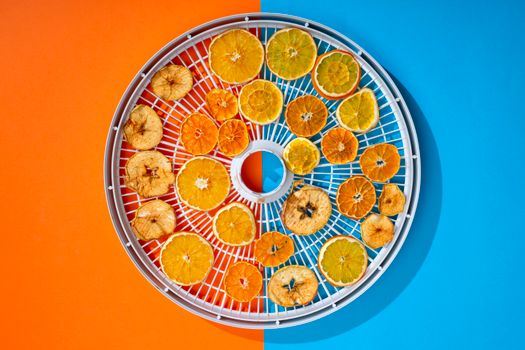 Photo: Valentin Ivantsov / Pexels
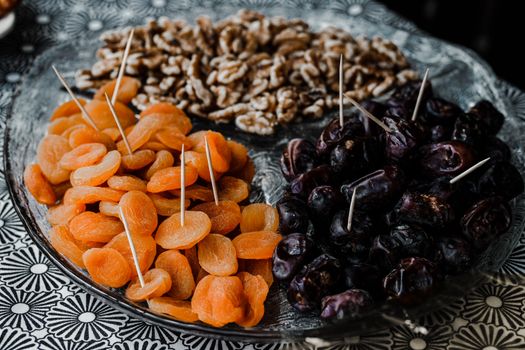 Photo: Mushtaq Hussain / Pexels
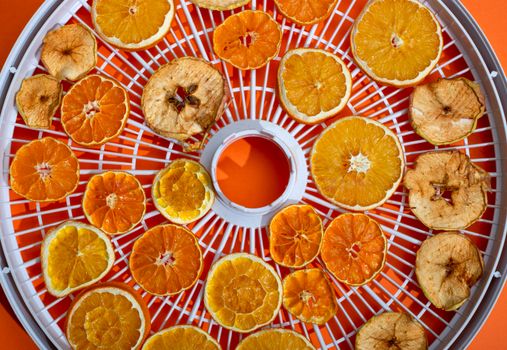 Photo: Valentin Ivantsov / Pexels