Unveiling the Best Non-Toxic Cookware Sets for Your Health
best non toxic cookware sets

Unveiling the Best Non-Toxic Cookware Sets for Your Health

Transform your kitchen with safe, durable, and health-conscious cookware for worry-free meal preparation.

Find Your Perfect Set

Key Takeaways

  • ✓ Traditional non-stick coatings can release harmful chemicals when overheated.
  • ✓ Ceramic, cast iron, stainless steel, and glass are popular non-toxic material choices.
  • ✓ Choosing non-toxic cookware reduces exposure to PFAS, PFOA, and other synthetic compounds.
  • ✓ Proper care and maintenance extend the life and safety of your non-toxic cookware.

How It Works

1
Identify Your Needs

Consider your cooking style, frequency, and specific dietary requirements. This will help narrow down material and set size options.

2
Research Material Safety

Educate yourself on different cookware materials and their potential health implications. Focus on certifications and independent testing for transparency.

3
Compare Top Brands

Evaluate reputable brands known for their commitment to non-toxic manufacturing. Look at reviews, warranties, and customer service records.

4
Invest and Maintain

Purchase a set that aligns with your budget and values. Follow care instructions diligently to preserve its non-toxic properties and extend its lifespan.

Why Ditch Traditional Non-Stick for Healthier Cookware Choices?
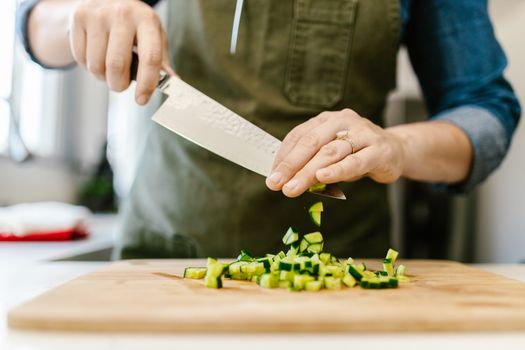
Close-up of a chef slicing cucumbers on a wooden board with precision. Photo: RDNE Stock project / Pexels
In today's health-conscious world, the choices we make in the kitchen extend far beyond the ingredients we use. The very tools we cook with, particularly our pots and pans, play a crucial role in our overall well-being. For decades, traditional non-stick cookware, primarily those coated with polytetrafluoroethylene (PTFE) – commonly known by brand names like Teflon – reigned supreme due to its convenience. However, a growing body of research and public awareness has shed light on the potential health risks associated with these materials, especially when subjected to high heat. The primary concern revolves around per- and polyfluoroalkyl substances (PFAS), a group of man-made chemicals that includes PFOA (perfluorooctanoic acid) and PFOS (perfluorooctane sulfonate). While PFOA has largely been phased out of manufacturing in the US, the broader category of PFAS chemicals remains a concern, with some still being used in certain non-stick coatings. When traditional non-stick pans are overheated – even to temperatures commonly reached during everyday cooking like searing meat or stir-frying – the coating can degrade, releasing fumes and microscopic particles into the air and potentially into your food. These substances have been linked to various health issues, including thyroid problems, kidney disease, liver damage, developmental issues in children, and certain cancers. The concept of 'forever chemicals' also adds to the urgency, as PFAS compounds are incredibly persistent in the environment and the human body, accumulating over time. This alarming information has driven a significant shift in consumer demand towards healthier cookware choices, prompting manufacturers to innovate and offer truly non-toxic alternatives. Understanding these risks is the first step towards making informed decisions for your kitchen and your family's health. By opting for cookware free from these harmful chemicals, you're not just buying pots and pans; you're investing in peace of mind and contributing to a safer cooking environment. The good news is that there are numerous excellent, durable, and highly functional non-toxic options available today, making the transition easier and more effective than ever before. For more insights into safe food preparation, check out our guide on healthy eating habits.

Exploring the Best Non-Toxic Cookware Materials and Their Benefits
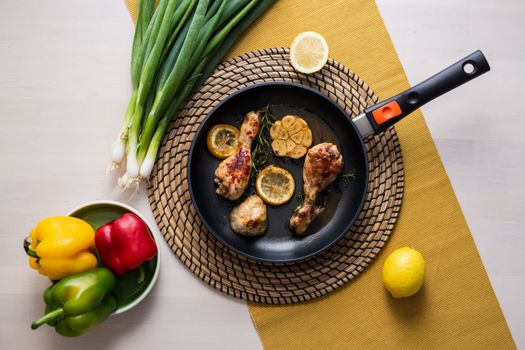
Top view of lemon herb roasted chicken in a frying pan with fresh vegetables and lemon slices on a table. Photo: Sternsteiger Stahlwaren / Pexels
Navigating the world of non-toxic cookware can feel overwhelming with the array of materials available. However, understanding the unique benefits and characteristics of each can simplify your decision-making process. The goal is to find materials that are inert, meaning they won't react with your food or leach harmful substances, even at high temperatures. Here's a breakdown of the top contenders for the best non-toxic cookware sets: **1. Ceramic Cookware (True Ceramic & Ceramic-Coated):** It's crucial to distinguish between true ceramic and ceramic-coated cookware. True ceramic, often made from natural clay and minerals, is fired at high temperatures, creating a naturally non-stick and highly durable surface. It's completely free of PTFE, PFOA, lead, and cadmium. Ceramic-coated cookware, on the other hand, typically features a metal base (like aluminum) with a ceramic-based non-stick coating applied. While generally safer than traditional non-stick, the durability of the coating can vary, and it's essential to ensure the coating itself is free from harmful chemicals. Benefits include excellent heat retention, even cooking, and natural non-stick properties. **2. Cast Iron:** A timeless classic, cast iron is incredibly durable and naturally non-stick once properly seasoned. It's made from 100% iron, making it inherently non-toxic. Beyond its longevity, cast iron provides excellent heat retention and distribution, making it ideal for searing, frying, and baking. It can also fortify your food with a small amount of dietary iron, which can be beneficial. However, it requires specific seasoning and maintenance to prevent rust and maintain its non-stick surface. It's also quite heavy, which might be a consideration for some. **3. Stainless Steel:** A workhorse in professional and home kitchens alike, stainless steel is a popular choice for its durability, corrosion resistance, and non-reactive nature. High-quality stainless steel (look for 18/8 or 18/10, indicating chromium and nickel content) is considered very safe and non-toxic. While not inherently non-stick, it can achieve a good non-stick surface with proper heating and oiling. Many premium stainless steel sets feature an encapsulated aluminum or copper core for superior heat conductivity and even cooking. It's versatile, dishwasher-safe, and relatively easy to maintain. **4. Glass Cookware:** Often overlooked, glass cookware is completely non-toxic and non-reactive. It's excellent for baking, casseroles, and even some stovetop cooking (if specifically designed for it). Glass allows you to see your food as it cooks and doesn't absorb odors or flavors. However, it's generally not suitable for high-heat searing and can be prone to breakage if dropped or subjected to extreme temperature changes. **5. Carbon Steel:** Similar to cast iron but lighter and smoother, carbon steel is another excellent non-toxic option. It's made from iron and carbon, seasons beautifully over time to become naturally non-stick, and heats up quickly. It's a favorite among professional chefs for its responsiveness and durability, offering a good middle ground between cast iron and stainless steel. Each of these materials offers a unique cooking experience and set of advantages. Your ideal choice will depend on your cooking habits, preferred maintenance level, and budget. Prioritizing health means selecting materials that are proven safe and reliable for everyday use, ensuring your culinary creations are not only delicious but also free from unwanted chemical contamination.

Top Brands and What to Look for in the Best Non Toxic Cookware Sets
Close-up of hands holding a red pot filled with water, indoors. Photo: Cats Coming / Pexels
When investing in the best non toxic cookware sets, it's not just about the material; the brand's commitment to safety, quality, and ethical manufacturing also plays a pivotal role. Reputable brands often go above and beyond to ensure their products are genuinely free from harmful chemicals and offer transparency regarding their manufacturing processes and materials. Here are some of the top brands consistently praised for their non-toxic offerings and what key features to look for when making your selection: **Caraway:** Known for their aesthetically pleasing design and effective ceramic non-stick coating. Caraway uses a ceramic coating that is free from PTFE, PFOA, PFAS, lead, and cadmium. Their sets often come with clever storage solutions, making them practical for modern kitchens. They emphasize even heat distribution and ease of cleaning, making them a popular choice for those transitioning from traditional non-stick. **GreenPan:** A pioneer in ceramic non-stick technology, GreenPan offers a wide range of cookware lines, all featuring their Thermolon ceramic non-stick coating. This coating is derived from sand and is free from PFAS, PFOA, lead, and cadmium. GreenPan focuses on innovative designs and excellent performance, with various options catering to different budgets and cooking styles. **Xtrema Cookware:** For those seeking 100% pure ceramic cookware, Xtrema is a standout. Their products are made entirely from natural, inorganic materials and are free of metals, glues, polymers, and coatings. This makes them incredibly inert and a top choice for individuals with chemical sensitivities. They are oven, microwave, and dishwasher safe, offering extreme versatility. **All-Clad (Stainless Steel):** While known for its premium stainless steel, All-Clad is a go-to for many chefs and serious home cooks. Their bonded stainless steel construction (often with an aluminum or copper core) ensures exceptional heat conductivity and durability. While not non-stick in the traditional sense, their high-quality stainless steel is completely non-toxic and built to last a lifetime with proper care. For tips on seasoning stainless steel, you might find our guide on cooking techniques helpful. **Lodge (Cast Iron):** When it comes to cast iron, Lodge is the undisputed leader. An American company with over a century of experience, Lodge produces high-quality, pre-seasoned cast iron cookware that is incredibly durable and affordable. Their commitment to quality and simplicity makes them a trusted choice for non-toxic cooking. **Key Features to Look For:** * **Certifications:** While not always mandatory, look for brands that voluntarily seek third-party certifications or clearly state their adherence to specific safety standards (e.g., California Prop 65 compliance). * **Material Transparency:** A reputable brand will openly disclose the exact materials used in their cookware, including the base metal and any coatings. * **Durability & Warranty:** Non-toxic cookware should be an investment. Check for robust construction, chip resistance (for ceramic), and a comprehensive warranty that speaks to the product's longevity. * **Heat Compatibility:** Ensure the cookware is compatible with your stovetop (induction, gas, electric) and oven-safe to your desired temperatures. * **Handle Design:** Ergonomic, heat-resistant handles (or those that stay cool on the stovetop) significantly enhance the cooking experience. * **Ease of Cleaning:** While some non-toxic options require specific care, many are designed for relatively easy cleanup, which is a major convenience factor. By focusing on these trusted brands and essential features, you can confidently select a non-toxic cookware set that not only performs exceptionally but also contributes positively to your health and peace of mind in the kitchen.

Maintenance, Longevity, and Avoiding Common Cookware Mistakes

Close-up of hands holding a red pot filled with water, indoors. Photo: Cats Coming / Pexels
Investing in the best non-toxic cookware sets is a significant step towards a healthier kitchen, but its longevity and continued safety heavily depend on proper maintenance and avoiding common pitfalls. Even the most robust non-toxic materials can be damaged or lose their efficacy if not cared for correctly. Here's how to ensure your non-toxic pots and pans serve you well for years to come: **1. Gentle Cleaning is Key:** * **Avoid harsh abrasives:** Steel wool, abrasive sponges, and strong chemical cleaners can scratch surfaces, especially ceramic coatings and seasoned cast iron, compromising their integrity. Use soft sponges or cloths with mild dish soap. * **Cool down first:** Never plunge a hot pan into cold water, as thermal shock can warp metal cookware and crack ceramic or glass. Let your pans cool naturally before washing. * **Hand wash when possible:** While some non-toxic cookware is dishwasher safe (like stainless steel and some ceramic), hand washing is generally gentler and extends the life of most materials, especially cast iron and ceramic-coated items. **2. Mind Your Heat Settings:** * **Medium heat is often sufficient:** Non-toxic non-stick coatings (like ceramic) are designed to work effectively at medium heat. Overheating can degrade the coating faster and is rarely necessary. Cast iron and stainless steel can handle higher heats, but always preheat gradually. * **Never leave empty pans on high heat:** This is a common mistake that can quickly damage any cookware, especially those with non-stick coatings, and can lead to dangerous fumes from traditional non-stick. **3. Choose the Right Utensils:** * **Silicone, wood, or nylon:** These are your best friends for non-stick ceramic and even seasoned cast iron, as they won't scratch the surface. Metal utensils can damage coatings and seasoning, reducing their non-stick properties and potentially exposing base materials. * **Stainless steel utensils:** Are perfectly fine for stainless steel cookware. **4. Proper Storage:** * **Prevent scratching:** When stacking pots and pans, place a cloth, paper towel, or pan protector between them to prevent scratches, especially on coated surfaces. * **Hang or use racks:** If space allows, hanging cookware or using a pan rack can also prevent damage. **5. Seasoning (for Cast Iron & Carbon Steel):** * **Regular re-seasoning:** Cast iron and carbon steel require regular seasoning with oil to maintain their non-stick surface and prevent rust. This isn't a chore; it's an investment in their performance and longevity. * **After every wash:** A thin layer of oil applied and heated after washing helps maintain the seasoning. **Common Mistakes to Avoid:** * **Using cooking sprays:** Many cooking sprays contain propellants and other agents that can build up on non-stick surfaces, creating a sticky residue that is difficult to remove and degrades performance. * **Metal scouring pads:** As mentioned, these are detrimental to almost all non-toxic cookware surfaces. * **Ignoring manufacturer instructions:** Always read and follow the specific care instructions provided by the manufacturer for your particular cookware set. This is the most reliable way to ensure its longevity and maintain its non-toxic properties. By adopting these simple yet effective maintenance practices and avoiding common errors, your investment in non-toxic cookware will continue to provide safe, efficient, and enjoyable cooking experiences for many years, proving that health-conscious choices can also be incredibly durable.

Comparison

FeatureBest Ceramic Non-Stick (e.g., Caraway)Best Stainless Steel (e.g., All-Clad)Best Cast Iron (e.g., Lodge)Best 100% Ceramic (e.g., Xtrema)
Non-Toxic StatusPFAS/PFOA-free ceramic coatingNaturally non-toxic, non-reactiveNaturally non-toxic (iron)100% pure ceramic, inert
Non-Stick PerformanceExcellent (requires care)Requires oil/fat, good with techniqueExcellent (with seasoning)Good (requires oil)
DurabilityGood (coating can chip with misuse)Excellent (lifetime investment)Exceptional (lasts generations)Very good (can chip if dropped)
Heat ConductivityGood (often aluminum core)Excellent (multi-ply construction)Good (retains heat well)Good (retains heat well)
MaintenanceHand wash, gentle utensilsDishwasher safe, easy to cleanSeasoning required, hand washHand wash, careful handling
WeightModerateModerate to HeavyHeavyModerate to Heavy
Oven SafeUp to 550°F (check specific product)Generally up to 600°FYes (unlimited, check handles)Yes (unlimited)
Induction CompatibleYes (check specific product)YesYesNo (unless adapter used)

What Readers Say

"I finally made the switch to non-toxic cookware sets, and I couldn't be happier with my Caraway set. The non-stick is fantastic, and knowing I'm not exposing my family to harmful chemicals gives me such peace of mind. Cleaning is a breeze too!"

Sarah J. · Austin, TX

"After researching the best non toxic cookware sets, I opted for a high-quality stainless steel set. It took a little learning curve to get used to, but now I wouldn't go back. It heats evenly, and it's incredibly durable."

Mark D. · Seattle, WA

"My new ceramic non-stick pans from GreenPan have completely changed my cooking. Eggs slide right off, and I've noticed a significant reduction in oil use. It feels great to cook healthier meals with peace of mind."

Emily R. · Denver, CO

"I'm mostly happy with my new non-toxic cookware set. The performance is excellent, but I do find myself being extra careful with cleaning to ensure the coating lasts. A small price to pay for health, though."

David L. · Boston, MA

"As someone with chemical sensitivities, finding truly non-toxic cookware was a priority. My Xtrema pure ceramic set is perfect. It's heavy, but the peace of mind knowing it's 100% inert is invaluable for my health."

Jessica M. · Miami, FL

Frequently Asked Questions

What exactly makes cookware 'non-toxic'?

Non-toxic cookware refers to pots and pans made from materials that do not leach harmful chemicals into food, especially when heated. This typically means they are free from PFAS (PFOA, PFOS), lead, cadmium, and other heavy metals commonly found in traditional non-stick coatings or low-quality materials. The goal is to ensure your food remains pure and uncontaminated by the cooking vessel itself.

Are all ceramic-coated pans truly non-toxic?

While ceramic-coated pans are generally a safer alternative to traditional PTFE non-stick, it's important to verify. Most reputable brands use ceramic coatings free from PFAS, PFOA, lead, and cadmium. However, the base material (often aluminum) and the durability of the coating can vary. Always check for explicit statements from the manufacturer confirming the absence of these harmful chemicals.

How do I properly season cast iron for non-toxic cooking?

To season cast iron, first clean it thoroughly and dry completely. Apply a very thin, even layer of high smoke point oil (like flaxseed, grapeseed, or vegetable oil) to all surfaces. Wipe off any excess so it looks dry. Bake the pan upside down in an oven at 450-500°F (232-260°C) for one hour, with foil on the rack below to catch drips. Let it cool in the oven. Repeat this process 3-5 times for a good initial seasoning, and re-season as needed after cooking and cleaning.

Is non-toxic cookware significantly more expensive than regular cookware?

The cost of non-toxic cookware can vary widely, much like regular cookware. While some premium non-toxic sets (like high-end stainless steel or specialty ceramic) can be an investment, many excellent and affordable options exist, especially with brands like Lodge cast iron or mid-range ceramic-coated sets. Considering the health benefits and often superior durability, the long-term value often outweighs the initial cost.

How does carbon steel compare to cast iron in terms of non-toxicity and performance?

Both carbon steel and cast iron are excellent non-toxic options made primarily from iron and carbon. Carbon steel is generally lighter, heats up faster, and is more responsive to temperature changes, making it a favorite for searing and stir-frying. Cast iron is heavier, retains heat exceptionally well, and is ideal for slow cooking and baking. Both become naturally non-stick with proper seasoning and are incredibly durable.

Who should prioritize investing in best non toxic cookware sets?

Anyone concerned about their health and environmental impact should consider non-toxic cookware. It's particularly beneficial for families with young children, pregnant individuals, and those with existing health conditions, as they may be more vulnerable to chemical exposures. Additionally, home cooks who frequently use high heat or cook acidic foods will benefit from non-reactive, stable materials.

Can I still use my old non-stick pans while transitioning to non-toxic options?

It's generally recommended to phase out old non-stick pans, especially if they are scratched, flaking, or have been frequently overheated. Damaged non-stick coatings are more likely to release harmful chemicals. If you must use them during transition, do so at low to medium heat and avoid using metal utensils. Prioritize replacing your most frequently used pans first.

What are the future trends in non-toxic cookware technology?

Future trends in non-toxic cookware are focusing on enhanced durability for ceramic coatings, innovative natural materials, and even greater transparency in manufacturing. We can expect to see more advanced ceramic formulations that resist chipping and scratching, sustainable sourcing of materials, and integrated smart features that help users maintain optimal cooking temperatures, further reducing the risk of material degradation.

Embrace a healthier cooking journey by choosing from the best non-toxic cookware sets available today. Your health and your meals deserve the safest, most reliable tools. Explore our recommendations and make the switch to a cleaner, greener kitchen environment, ensuring every dish you create is not only delicious but also worry-free.

Topics: best non toxic cookware setshealthy cooking panssafe kitchenwarenon-toxic pots and panseco-friendly cookware
Leo List

DK Escorts LU Escorts AT Escorts SE Escorts FI Escorts CH Escorts DE Escorts HR Escorts IE Escorts GR Escorts CZ Escorts NO Escorts BE Escorts FR Escorts SI Escorts IL Escorts NL Escorts PL Escorts HU Escorts ES Escorts IT Escorts PT Escorts SK Escorts RO Escorts ZA Escorts UY Escorts US Escorts UK Escorts NZ Escorts AU Escorts
Brampton weed
Adultwork EstrelaBet Vai de Bet R7 Bet Betão Galera Bet Rainbet Bet9ja Shop SportyBet BetKing Sisal Loto Foot Hollywoodbets YesPlay Odibets RushBet Jugabet BetWarrior BetCity MSport betPawa Fortebet