Top Vegan Protein Powder Reviews: Your Ultimate Guide
vegan protein powder reviews

Top Vegan Protein Powder Reviews: Your Ultimate Guide

Unlock the power of plant-based protein with our comprehensive reviews, helping you choose the perfect supplement.

Find Your Perfect Protein

Key Takeaways

  • ✓ Vegan protein powders are derived from plants like pea, rice, hemp, and soy.
  • ✓ They offer a complete amino acid profile, especially when blended.
  • ✓ Benefits include improved digestion, reduced allergens, and ethical sourcing.
  • ✓ Consider taste, texture, ingredients, and protein content when choosing.

How It Works

1
Identify Your Goals

Determine if you need protein for muscle building, weight management, or general wellness. This guides your ingredient and nutritional needs.

2
Understand Protein Sources

Learn about pea, rice, hemp, and soy proteins and their unique benefits. Each source offers a different amino acid profile and texture.

3
Read Reviews & Compare

Consult expert and user vegan protein powder reviews to assess taste, mixability, and effectiveness. Compare nutritional labels and ingredient lists carefully.

4
Test & Adjust

Purchase a small size or sample if available to test taste and digestion. Don't be afraid to try different brands until you find your ideal match.

Why Choose Vegan Protein Powders for Optimal Health?
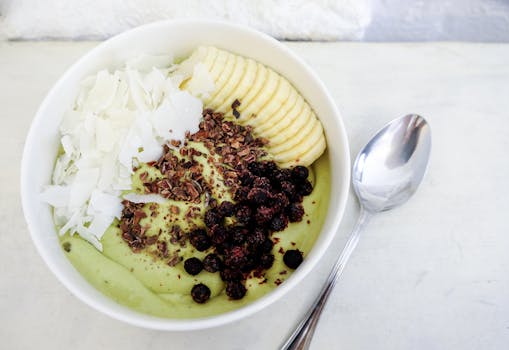
A vibrant healthy smoothie bowl topped with bananas, coconut, berries, and cacao nibs for breakfast. Photo: Ella Olsson / Pexels
In an increasingly health-conscious world, the demand for plant-based nutrition has skyrocketed, and vegan protein powders are at the forefront of this revolution. No longer a niche product, these supplements have become a staple for athletes, fitness enthusiasts, and anyone looking to boost their protein intake without relying on animal products. But why exactly are so many people making the switch, and what makes these plant-derived powerhouses so beneficial? The answer lies in a combination of nutritional advantages, ethical considerations, and improved digestibility for many individuals. One of the primary drivers for choosing vegan protein powders is their excellent nutritional profile. Unlike some misconceptions, modern vegan protein blends often provide a complete amino acid profile, meaning they contain all nine essential amino acids that your body cannot produce on its own. This is achieved by expertly combining different plant sources, such as pea protein (rich in lysine), rice protein (high in methionine and cysteine), and hemp protein (a great source of omega-3 and omega-6 fatty acids). This synergistic approach ensures that you're getting comprehensive nutritional support comparable to, or even surpassing, animal-based proteins. Beyond amino acids, many vegan protein powders are fortified with vitamins, minerals, and digestive enzymes, enhancing their overall health benefits and making them more than just a protein source. Another significant advantage is digestibility. For many people, dairy-based proteins like whey can cause digestive discomfort, bloating, or even allergic reactions due to lactose. Vegan protein powders, being dairy-free, often provide a much gentler option for the stomach. Ingredients like pea and rice protein are generally well-tolerated and can be easier to digest, leading to less gastrointestinal distress. This makes them an ideal choice for those with sensitivities, allergies, or simply anyone seeking a smoother digestive experience. Furthermore, plant-based proteins are typically lower in saturated fat and cholesterol, contributing to better cardiovascular health and overall well-being. They also come packed with fiber, which is crucial for digestive regularity and satiety, helping with weight management and gut health. Beyond the physiological benefits, ethical and environmental considerations play a huge role in the growing popularity of vegan protein. Choosing plant-based options reduces reliance on animal agriculture, which has a significant environmental footprint in terms of greenhouse gas emissions, land use, and water consumption. For many, it's a conscious decision to align their dietary choices with their values regarding animal welfare and planetary sustainability. The transparency in sourcing that many vegan protein brands offer also appeals to consumers who want to know exactly where their food comes from and how it's produced. As you delve into various plant-based meal prep strategies, incorporating these powders can significantly simplify meeting your protein targets. This holistic approach — combining personal health benefits with broader ethical and environmental impacts — is what truly sets vegan protein powders apart and explains their surging demand in the health and wellness market.

Decoding the Best Vegan Protein Powder Reviews: What to Look For
Top view of hands mixing colorful grains and vegan ingredients on a table. Photo: cottonbro studio / Pexels
Navigating the vast landscape of vegan protein powder reviews can be overwhelming, with countless brands, flavors, and formulations vying for your attention. To make an informed decision, it's crucial to understand the key factors that differentiate a good protein powder from a great one. Focusing on these elements will help you cut through the noise and find a product that aligns perfectly with your dietary needs, taste preferences, and health goals. It's not just about the protein content; the overall composition and user experience are equally vital. First and foremost, consider the protein source and its amino acid profile. As mentioned, a blend of different plant proteins (like pea, rice, hemp, or soy) is often superior as it provides a complete spectrum of essential amino acids. Single-source proteins, while sometimes effective, may lack certain amino acids. For instance, pea protein is excellent but can be lower in methionine, while rice protein can be lower in lysine. A blend addresses these potential deficiencies, offering a more robust nutritional profile for muscle repair and growth. Look for brands that explicitly state their amino acid profile or confirm that their blend is complete. The quality of the protein source also matters – organic, non-GMO, and sustainably sourced ingredients are often preferred for their purity and environmental impact. Next, taste and texture are paramount. Let's be honest: even the most nutritionally superior protein powder won't be effective if you can't stand to drink it. Vegan protein powders have historically had a reputation for gritty textures or earthy flavors, but advancements in processing have led to significantly improved products. Pay close attention to reviews that discuss mixability (does it blend smoothly or clump?), taste (is it overly sweet, artificial, or pleasant?), and aftertaste. Popular flavors include chocolate, vanilla, and unflavored options, with many brands now offering more adventurous choices. Reading multiple health food reviews often highlights recurring themes regarding taste and texture, giving you a good indication of what to expect. Ingredient transparency and additives are another critical area. Scrutinize the ingredient list for unnecessary fillers, artificial sweeteners (like sucralose or aspartame), artificial flavors, and colors. Many high-quality vegan protein powders opt for natural sweeteners like stevia, monk fruit, or erythritol, and use natural flavorings. Some even include digestive enzymes, probiotics, or adaptogens to enhance absorption and overall well-being. Conversely, be wary of proprietary blends where specific ingredient amounts aren't disclosed. The cleaner the ingredient list, the better, especially if you have allergies or sensitivities. Finally, consider third-party testing for heavy metals and contaminants. This is particularly important for plant-based proteins, as plants can absorb elements from the soil. Reputable brands will often provide certificates of analysis (COAs) to assure product purity and safety, offering peace of mind that you're consuming a clean, effective supplement.

Top Contenders: In-Depth Vegan Protein Powder Reviews
Close-up of dried chickpeas scattered on a textured brown surface, perfect for healthy food imagery. Photo: Vie Studio / Pexels
With a clear understanding of what to look for, let's dive into some of the leading vegan protein powders that consistently receive high marks in consumer and expert reviews. This section will highlight their unique features, pros, and cons, helping you narrow down your choices and find a product that truly stands out. Our aim is to provide actionable insights based on extensive research and user feedback, ensuring you make a confident purchase. **1. Garden of Life Sport Organic Plant-Based Protein:** This brand is a consistent favorite, especially among athletes and those prioritizing organic ingredients. It features a multi-source blend of organic pea protein, organic sprouted brown rice protein, organic cranberry seed protein, and organic Sacha Inchi protein, ensuring a complete amino acid profile. Users frequently praise its smooth texture and delicious taste, particularly the chocolate and vanilla flavors, which are naturally sweetened with stevia and erythritol. It's also packed with a probiotic blend and digestive enzymes, aiding absorption and gut health. With 30g of protein per serving and a comprehensive amino acid profile, it’s an excellent choice for muscle recovery and growth. Some users note it can be a bit pricier than other options, but the quality and clean ingredients often justify the cost. **2. Orgain Organic Plant-Based Protein Powder:** Orgain is a household name for a reason – it offers a fantastic balance of quality, taste, and affordability. Its protein blend typically includes organic pea protein, organic brown rice protein, and organic chia seed. This combination provides a complete protein source along with healthy fats and fiber. Orgain is renowned for its excellent mixability and creamy texture, making it a great addition to smoothies or shakes. The chocolate fudge and vanilla bean flavors are particularly popular, often described as rich and not overly sweet. It's also free from soy, gluten, and artificial ingredients, appealing to a broad audience. While it offers a slightly lower protein content per serving (around 21g), its accessibility and pleasant taste make it a top contender for everyday use and those new to vegan protein. It's a great option if you're looking for an all-rounder that consistently delivers on taste and nutritional value. **3. KOS Organic Plant Protein:** KOS has made a significant splash in the vegan protein market with its unique blend and focus on superfoods. Its protein matrix includes organic pea, flax seed, quinoa, pumpkin seed, and chia seed protein, providing a diverse range of nutrients beyond just protein. What sets KOS apart is its inclusion of an organic fruit and vegetable blend, digestive enzymes, and essential vitamins and minerals, transforming it into more of a comprehensive nutritional supplement. Reviewers often highlight its earthy yet pleasant flavor profiles (chocolate and vanilla are favorites) and its satisfying texture. It delivers 20g of protein per serving and is free from soy, dairy, gluten, and artificial ingredients. While some find the taste takes a little getting used to compared to more conventional flavors, its nutrient density and commitment to clean ingredients make it a strong choice for those seeking maximum health benefits. This brand aligns well with those exploring superfood benefits in their diet. **4. Vega Sport Premium Protein:** For serious athletes, Vega Sport Premium Protein is often the go-to. Developed with performance in mind, it features a multi-source plant-based protein blend of pea, pumpkin seed, organic sunflower seed, and alfalfa protein, delivering 30g of complete protein per serving. What truly makes it stand out are the added performance-enhancing ingredients, such as tart cherry for recovery, and probiotics for gut health. Its BCAAs (Branched-Chain Amino Acids) content is also impressive, aiding in muscle repair and growth. While some find its texture slightly thicker than other brands, its effectiveness for post-workout recovery is consistently praised in vegan protein powder reviews. The chocolate and vanilla flavors are generally well-received, and it's certified NSF for Sport, ensuring purity and absence of banned substances. It’s a premium product with a premium price, but for those dedicated to peak athletic performance, it’s often considered worth the investment.

Common Mistakes and Tips for Maximizing Your Vegan Protein Powder Experience
Close-up of roasted nuts in stainless bowls at a market, showcasing a variety of healthy and nutritious snacks. Photo: Engin Akyurt / Pexels
Even with the best vegan protein powder reviews guiding your choice, how you use and integrate your supplement can significantly impact your experience. Avoiding common pitfalls and adopting smart strategies will ensure you get the most out of your plant-based protein. From preparation to timing, these tips can elevate your routine and optimize your results. **Common Mistakes to Avoid:** * **Not checking the ingredient list:** Blindly trusting the front label can lead to consuming unwanted fillers, artificial sweeteners, or allergens. Always read the full ingredient list. * **Ignoring mixability and texture reviews:** A gritty or clumpy shake can ruin the experience. Prioritize brands known for smooth blending. * **Overlooking protein per serving:** Some powders might seem cheaper, but offer significantly less protein per scoop, making them less cost-effective in the long run. * **Solely relying on protein powder:** Remember, supplements are meant to supplement, not replace whole foods. Ensure a balanced diet alongside your powder. * **Using too much or too little liquid:** This affects taste and texture. Experiment to find your preferred consistency. * **Not considering your specific needs:** An athlete's needs differ from someone looking for general wellness. Choose a powder tailored to your goals. **Tips for Maximizing Your Experience:** * **Experiment with liquids:** Don't just stick to water. Try unsweetened almond milk, oat milk, or coconut water for added creaminess and flavor. * **Blend, don't just shake:** For the smoothest texture, especially with thicker powders, a blender is often superior to a shaker bottle. * **Add fruits and vegetables:** Boost nutritional value and flavor by adding spinach, kale, berries, or a banana to your protein shake. * **Incorporate into recipes:** Vegan protein powder isn't just for shakes. Use it in oatmeal, baked goods, energy balls, or pancakes for a protein boost. * **Consider timing:** For muscle repair, consume protein within an hour or two post-workout. For satiety, a morning shake can be effective. * **Store properly:** Keep your protein powder in a cool, dry place away from direct sunlight to maintain freshness and potency. * **Read user feedback on specific flavors:** Taste is subjective, but if many people dislike a particular flavor, it's a good warning sign. * **Listen to your body:** Pay attention to how your body reacts to different brands and ingredients, especially concerning digestion. By being mindful of these points, you can significantly enhance your experience with vegan protein powders, ensuring they become a delicious and effective part of your healthy lifestyle. The right approach transforms a simple supplement into a powerful tool for achieving your health and fitness aspirations.

Comparison

FeatureGarden of Life SportOrgain Organic ProteinKOS Organic Plant Protein
Protein SourcePea, Rice, Cranberry, Sacha InchiPea, Brown Rice, Chia SeedPea, Flax, Quinoa, Pumpkin, Chia
Protein per Serving30g21g20g
Key AdditionsProbiotics, EnzymesNone specificSuperfood Blend, Enzymes
Organic Certified
Taste/Mixability (Avg. Reviews)ExcellentExcellentGood (Earthy)
Price Point (per serving)HigherModerateModerate

What Readers Say

"I've tried countless vegan protein powders, and Garden of Life Sport is by far the best. The chocolate flavor is incredible, and I've noticed a real difference in my recovery after workouts. It blends perfectly with almond milk!"

Sarah J. · Austin, TX

"Orgain's vanilla bean protein is my daily go-to. It's affordable, tastes great in my smoothies, and never upsets my stomach like whey did. Their vegan protein powder reviews are spot on about its mixability."

Mark L. · Portland, OR

"KOS Organic has transformed my morning routine. I love that it's packed with superfoods, and I feel more energized throughout the day. My digestion has also improved significantly since starting it."

Emily R. · Denver, CO

"Vega Sport is effective for my intense training, giving me 30g of protein. The tart cherry really helps with soreness. While the texture is a bit thicker than I prefer, the results speak for themselves."

David P. · Miami, FL

"As someone with multiple allergies, finding a clean, great-tasting protein was a challenge. After reading several vegan protein powder reviews, I tried Orgain, and it's been a game-changer. No soy, no dairy, just pure goodness."

Jessica M. · Seattle, WA

Frequently Asked Questions

What is the best type of vegan protein powder for muscle growth?

For muscle growth, look for a vegan protein powder that provides a complete amino acid profile, often achieved through a blend of pea and brown rice protein. Brands like Garden of Life Sport or Vega Sport are excellent choices due to their high protein content (30g per serving) and added ingredients for recovery like BCAAs or tart cherry.

Do vegan protein powders taste good?

The taste of vegan protein powders has improved dramatically over the years. Many brands now offer delicious flavors like chocolate, vanilla, and salted caramel, often sweetened naturally with stevia or monk fruit. While some still have a slightly earthy undertone, most reputable brands receive positive feedback on taste and mixability in vegan protein powder reviews.

How do I choose the right vegan protein powder for my needs?

Consider your primary goal (muscle building, weight loss, general health), dietary restrictions (soy-free, gluten-free), and taste preferences. Read ingredient lists carefully to avoid artificial additives and check for third-party testing. Consulting vegan protein powder reviews for feedback on taste and texture is also very helpful.

Are vegan protein powders more expensive than whey protein?

Generally, vegan protein powders can sometimes be slightly more expensive per serving than conventional whey protein, especially for organic or superfood-fortified options. However, prices vary widely by brand and ingredients. The added benefits of digestibility, ethical sourcing, and often cleaner ingredient profiles can justify the investment for many users.

How do vegan protein powders compare to whole food protein sources?

Vegan protein powders are a convenient way to boost protein intake, especially post-workout or when whole food sources are impractical. They offer concentrated protein with fewer calories and fats than many whole foods. However, whole food sources like lentils, beans, nuts, and seeds provide a wider array of micronutrients and fiber that powders may lack, so it's best to use powders as a supplement to a balanced diet.

Who should use vegan protein powder reviews to guide their purchase?

Anyone following a plant-based diet, those with dairy or soy allergies, individuals seeking a more digestible protein source, and environmentally conscious consumers will benefit from using vegan protein powder reviews. Athletes and fitness enthusiasts looking for effective muscle recovery and growth without animal products will also find them invaluable.

Are there any side effects to using vegan protein powder?

Most vegan protein powders are well-tolerated. However, some individuals might experience mild digestive issues like bloating or gas, especially when first introducing them, or if they contain certain fiber types or sugar alcohols. Always start with a small serving to assess tolerance and choose brands with simple, clean ingredients to minimize potential side effects.

What's the future trend for vegan protein powders?

The future of vegan protein powders is moving towards even more innovative sources (e.g., fungi, algae), enhanced flavor profiles, improved texture, and increased functional ingredients like adaptogens, nootropics, and specific probiotics. There's also a growing emphasis on sustainability, transparency in sourcing, and personalized nutrition tailored to individual genetic or lifestyle needs.

Armed with the insights from these vegan protein powder reviews, you're now ready to make an informed decision. Explore the top brands, find your perfect blend, and elevate your plant-based nutrition journey with confidence. Your ideal protein solution awaits!

Topics: vegan protein powder reviewsplant-based proteinbest vegan proteinprotein powder for vegansorganic vegan protein
Leo List
Brampton weed
Adultwork EstrelaBet Vai de Bet R7 Bet Betão Galera Bet Rainbet Bet9ja Shop SportyBet BetKing Sisal Loto Foot Hollywoodbets YesPlay Odibets RushBet Jugabet BetWarrior BetCity MSport betPawa Fortebet