✓ Ethically sourced chocolate ensures fair wages and safe working conditions for cocoa farmers.
✓ Major certifications like Fair Trade and Rainforest Alliance help identify ethical brands.
✓ Bean-to-bar makers often offer greater transparency in their sourcing.
✓ Supporting ethical chocolate combats child labor and deforestation in cocoa production.
How It Works
1
Understand Ethical Sourcing
Learn what 'ethically sourced' truly means in the chocolate industry, encompassing fair wages, no child labor, and environmental sustainability. This foundational knowledge empowers you to make informed choices that align with your values.
2
Identify Key Certifications
Familiarize yourself with reputable certifications like Fair Trade, Rainforest Alliance, and direct trade practices. These labels provide a quick and reliable way to verify a brand's commitment to ethical standards and sustainable practices.
3
Discover Ethical Brands
Explore a curated list of chocolate makers and retailers renowned for their transparent and ethical sourcing. From well-known names to artisanal producers, there's a wide world of delicious and responsible options waiting for you.
4
Make Informed Purchases
Utilize this guide to confidently buy ethically sourced chocolate bars online or in stores. Each purchase becomes a vote for a more equitable and sustainable cocoa industry, contributing to positive change with every bite.
The True Cost of Conventional Chocolate: Why Ethical Sourcing Matters
Photo: Zeal Creative Studios / Pexels
Chocolate is a universal delight, a comfort food, and a celebratory treat. Yet, behind the sweet facade of many conventional chocolate bars lies a bitter truth. The global cocoa industry, a multi-billion dollar market, is unfortunately plagued by systemic issues that impact millions of lives and vast ecosystems. When we buy ethically sourced chocolate bars, we are actively choosing to dismantle these problematic structures and support a more equitable and sustainable system. The primary concerns revolve around poverty-level wages for cocoa farmers, widespread child labor, and environmentally destructive practices like deforestation.
Cocoa farming is arduous work, often done by smallholder farmers who lack bargaining power. They frequently receive prices for their beans that are far below a living wage, trapping them and their families in a cycle of poverty. This economic hardship is a direct driver of child labor, where children as young as five years old are forced to work in hazardous conditions, missing out on education and a childhood. Reports from organizations like the International Labor Rights Forum and Tulane University have consistently highlighted the prevalence of child labor in major cocoa-producing regions, particularly in West Africa, which supplies over 70% of the world's cocoa. These children are exposed to dangerous tools, pesticides, and long working hours, compromising their health and future.
Beyond human rights, the environmental footprint of conventional cocoa production is devastating. To meet ever-increasing demand, forests are often cleared to make way for new cocoa farms, leading to deforestation, loss of biodiversity, and increased carbon emissions. Monoculture farming practices deplete soil nutrients and necessitate the heavy use of chemical fertilizers and pesticides, further harming ecosystems and farmer health. Ethical sourcing, in contrast, prioritizes practices like agroforestry, which integrates trees into cocoa farms, promoting biodiversity, improving soil health, and sequestering carbon. It also encourages organic farming methods, reducing reliance on harmful chemicals. By understanding these critical issues, consumers can appreciate that choosing to buy ethically sourced chocolate is not just a trend, but a powerful act of social and environmental responsibility, ensuring that the pleasure of chocolate doesn't come at an unacceptable cost to people or the planet. It's a commitment to supporting a supply chain where every hand involved is treated with dignity and respect, and where the environment is nurtured, not exploited. This deeper understanding underscores the importance of seeking out brands that are transparent about their sourcing and actively working to create positive change in the cocoa industry.
Decoding the Labels: Certifications and Direct Trade for Ethical Chocolate
Photo: Elly Mar Tamayor / Pexels
Navigating the world of ethically sourced chocolate can initially feel daunting due to the array of labels and claims. However, understanding key certifications and the concept of direct trade empowers you to make informed choices. The most widely recognized certifications include Fair Trade, Rainforest Alliance, and often, organic certifications, each with distinct standards and areas of focus. Fair Trade certification, arguably the most prominent, focuses heavily on social justice. It ensures that farmers receive a minimum price for their cocoa, along with a 'Fair Trade Premium' that communities can invest in local development projects, such as schools or healthcare facilities. It also promotes democratic farmer organizations and prohibits child labor and forced labor. When you see the Fair Trade logo, you can be confident that the chocolate meets stringent social and economic criteria designed to uplift farming communities.
Rainforest Alliance certification, on the other hand, emphasizes environmental sustainability alongside social considerations. Farms certified by Rainforest Alliance must meet criteria for biodiversity conservation, responsible water usage, and reduced pesticide use. While it also addresses labor practices, its primary strength lies in its comprehensive approach to ecological protection. Many ethical chocolate brands often carry both Fair Trade and Organic certifications, signifying a commitment to both social equity and environmental health by avoiding synthetic pesticides and fertilizers. An organic certification ensures that the cocoa beans are grown without harmful chemicals, contributing to healthier ecosystems and safer working conditions for farmers.
Beyond these third-party certifications, an increasingly important model in ethical sourcing is 'direct trade.' Direct trade brands bypass intermediaries and establish direct relationships with cocoa farmers. This model allows for greater transparency, as the chocolate maker has direct oversight of farming practices and can negotiate prices directly with farmers, often paying significantly above market rates and even above Fair Trade minimums. Direct trade fosters long-term partnerships, enabling farmers to invest in quality improvements and sustainable practices without the overhead of certification fees. While direct trade doesn't always come with a specific label, reputable direct trade brands are highly transparent about their sourcing relationships, often detailing the specific farms or cooperatives they work with, the prices paid, and the impact of their partnerships. When you seek to buy ethically sourced chocolate bars, looking for these certifications and understanding the direct trade model will guide you towards products that genuinely make a difference. Many craft and bean-to-bar chocolate makers are pioneers in direct trade, offering unparalleled transparency and ensuring a truly ethical product from farm to bar. Always check a brand's website for their specific sourcing policies and commitments.
Where to Buy Ethically Sourced Chocolate Bars: Top Brands & Retailers in the US
Photo: Jonathan Borba / Pexels
Finding reputable sources to buy ethically sourced chocolate bars in the US has become significantly easier as consumer awareness grows and demand for responsible products increases. Both online retailers and brick-and-mortar stores are expanding their selections, offering a diverse range of options from large-scale producers committed to ethical practices to small, artisanal bean-to-bar makers. When you’re ready to make your next ethical chocolate purchase, consider these avenues and brands known for their commitment to responsible sourcing.
For a wide selection and convenience, online specialty retailers are excellent resources. Websites like Thrive Market, Vitacost, and even Amazon (with careful filter usage) offer a variety of certified ethical brands. Dedicated ethical food marketplaces are also emerging, focusing exclusively on products that meet high social and environmental standards. Many individual chocolate brands also operate robust online stores, providing direct access to their full product lines and often offering more detailed information about their sourcing practices. This direct-to-consumer model allows brands to tell their story more effectively and connect with customers who prioritize ethical purchasing.
In terms of specific brands, several stand out for their unwavering commitment to ethical sourcing. Alter Eco is a pioneer in fair trade and organic chocolate, offering a range of delicious bars and truffles. Their commitment extends to regenerative agriculture and carbon neutrality. Equal Exchange is another long-standing leader in the fair trade movement, owned by farmers and workers, ensuring a democratic and equitable supply chain. TCHO, while a larger brand, has made significant strides in direct trade and transparency, often publishing detailed reports on their sourcing. For those seeking bean-to-bar experiences, brands like Dandelion Chocolate (San Francisco), Mast Brothers (though with past controversies, they have refined their sourcing), and Raaka Chocolate (Brooklyn) are known for their meticulous sourcing and often direct relationships with farmers. These smaller makers typically offer single-origin bars, allowing you to taste the unique terroir of different cocoa regions, all while knowing the beans were ethically procured.
Beyond dedicated chocolate shops, many mainstream grocery stores are increasing their ethical chocolate offerings. Look for the Fair Trade or Rainforest Alliance seals in stores like Whole Foods Market, Sprouts Farmers Market, and even larger chains like Target and Walmart, which are beginning to stock more certified options. Local co-ops and independent natural food stores are also excellent places to find smaller, artisanal brands that prioritize ethical sourcing. Don't hesitate to ask store managers about their ethical chocolate selections; consumer demand is a powerful driver for change. By exploring these options, you can confidently buy ethically sourced chocolate bars that satisfy your cravings and align with your values, supporting a better future for cocoa farmers and the planet.
Beyond the Bar: Tips for Sustainable Chocolate Consumption and Advocacy
Photo: Erik Mclean / Pexels
Choosing to buy ethically sourced chocolate bars is a fantastic first step, but the journey towards truly sustainable chocolate consumption extends beyond just the purchase. There are several ways you can amplify your impact, advocate for change, and ensure your chocolate habit is as responsible as possible. One crucial aspect is to understand that 'ethical' doesn't always mean 'expensive,' but it often reflects the true cost of production when farmers are paid fairly and sustainable practices are employed. View it as an investment in human dignity and planetary health, rather than just a luxury.
First, consider the packaging. Many ethical chocolate brands are also committed to sustainable packaging, utilizing recycled materials, compostable wrappers, or minimal design. Look for brands that prioritize eco-friendly packaging to reduce your environmental footprint further. Supporting companies that go the extra mile in this regard reinforces the importance of a holistic approach to sustainability. Second, educate yourself and others. Share your knowledge about ethical chocolate with friends and family. A simple recommendation of a great-tasting, ethically sourced bar can introduce someone new to the concept and expand the market for responsible chocolate. Social media is also a powerful tool; share your favorite ethical brands and highlight why their practices matter.
Third, engage with brands. Follow your favorite ethical chocolate brands on social media, sign up for their newsletters, and provide feedback. Your engagement shows them that consumers care about their sourcing practices and encourages them to maintain or even improve their standards. If you encounter a brand whose ethical claims are unclear, don't hesitate to reach out to them directly and ask questions about their supply chain. Transparency is a hallmark of truly ethical companies. Fourth, support advocacy organizations. Groups like the World Cocoa Foundation, Fair Trade USA, and Rainforest Alliance are continuously working to improve conditions in the cocoa industry. Donating to or volunteering with these organizations can contribute to larger systemic changes that benefit countless farmers and ecosystems.
Finally, explore beyond chocolate bars. Many ethical brands also offer cocoa powder, baking chocolate, and other cocoa-based products that adhere to the same high standards. Incorporating these into your baking and cooking ensures your entire chocolate consumption is responsible. By adopting these tips, you become a more conscious consumer and an active advocate for a better chocolate industry, proving that every delicious bite can contribute to a more just and sustainable world. Your choices have power, and by making informed decisions, you can help shape the future of chocolate.
Comparison
Feature
Ethically Sourced
Conventional
Organic
Farmer Wages
Fair & Living Wage
Poverty-Level
Often Fairer
Child Labor
Prohibited & Monitored
Common Risk
Prohibited
Environmental Impact
Sustainable & Regenerative
Deforestation, Pesticides
No Synthetic Pesticides
Transparency
High, often Direct Trade
Low, complex supply chains
Medium to High
Certifications
Fair Trade, Rainforest Alliance
None Specific
USDA Organic, EU Organic
Taste Profile
Diverse, often Single-Origin
Consistent, often Blended
Clean, sometimes unique
What Readers Say
★★★★★
"I used to just grab any chocolate, but after reading about the issues, I decided to buy ethically sourced chocolate bars. The Alter Eco bars are amazing, and I feel so much better knowing my treat supports fair wages."
Sarah J. · Portland, OR
★★★★★
"This guide was incredibly helpful. I found a few new bean-to-bar brands that directly trade with farmers, and the quality is exceptional. It's worth the extra few dollars for the peace of mind."
David M. · Austin, TX
★★★★★
"My family and I switched to Equal Exchange chocolate after learning about their mission. The kids love it, and I'm proud to teach them about making responsible choices. It's a small change with a big impact."
Emily R. · Chicago, IL
★★★★★
"I'm still exploring different ethical brands, but this article gave me a solid starting point. Some of the direct trade options are a bit pricier, but the unique flavors are a real treat. It's a journey, not just a purchase."
Mark T. · Denver, CO
★★★★★
"As a vegan, finding truly ethical and delicious chocolate can be tricky. This guide pointed me to some fantastic options that meet both my dietary and ethical requirements. My favorite new discovery is Raaka!"
Jessica L. · Miami, FL
Frequently Asked Questions
What does 'ethically sourced' truly mean for chocolate?
'Ethically sourced' for chocolate primarily means that the cocoa beans are produced without child labor or forced labor, farmers receive fair wages that allow for a decent standard of living, and environmentally sustainable farming practices are employed. It encompasses social, economic, and environmental justice throughout the supply chain.
Is ethically sourced chocolate more expensive, and is it worth it?
Ethically sourced chocolate can sometimes be more expensive than conventional chocolate because the true cost of production, including fair wages and sustainable practices, is reflected in the price. Many consumers find it absolutely worth the investment, as it ensures human dignity, environmental protection, and often results in higher quality, better-tasting chocolate.
How can I identify a truly ethical chocolate bar among so many labels?
Look for reputable third-party certifications like Fair Trade, Rainforest Alliance, or USDA Organic. Also, research brands that practice 'direct trade' and are transparent about their sourcing, often detailing relationships with specific farms or cooperatives on their websites. Avoid vague terms like 'sustainable' without further explanation.
What's the difference between Fair Trade and Rainforest Alliance certifications?
Fair Trade primarily focuses on social and economic justice for farmers, guaranteeing minimum prices and community premiums. Rainforest Alliance emphasizes environmental sustainability, biodiversity conservation, and responsible resource management, alongside some social criteria. Many brands carry both to demonstrate comprehensive ethical commitment.
Can I find ethically sourced chocolate in regular grocery stores, or do I need to go to specialty shops?
While specialty shops and online retailers often have the widest selection, many mainstream grocery stores like Whole Foods, Sprouts, and even larger chains are increasingly stocking ethically sourced chocolate bars. Look for certification labels like Fair Trade or Rainforest Alliance on the packaging in the regular chocolate aisle.
Who benefits most when I buy ethically sourced chocolate bars?
The primary beneficiaries are cocoa farmers and their communities, who receive fair compensation, improved working conditions, and funds for community development. The environment also benefits from sustainable farming practices. Ultimately, conscious consumers benefit from enjoying a product that aligns with their values and contributes to a better world.
Are there any risks or downsides to buying ethically sourced chocolate?
The main 'risk' is sometimes a slightly higher price point, reflecting the true cost of ethical production. It also requires a bit more research to verify claims, as 'greenwashing' can occur. However, the benefits of supporting human rights and environmental sustainability far outweigh these minor considerations.
What is the future trend for ethical chocolate sourcing?
The trend is moving towards even greater transparency, direct trade relationships, and regenerative agriculture practices that actively restore ecosystems. Consumers will likely see more single-origin bars, detailed farm-to-bar stories, and innovations in sustainable packaging, making ethical chocolate even more accessible and impactful.
Ready to make a difference with every delicious bite? Use this comprehensive guide to confidently buy ethically sourced chocolate bars. Support fair wages, combat child labor, and protect our planet, one decadent square at a time. Your conscious choice creates a ripple effect for good.

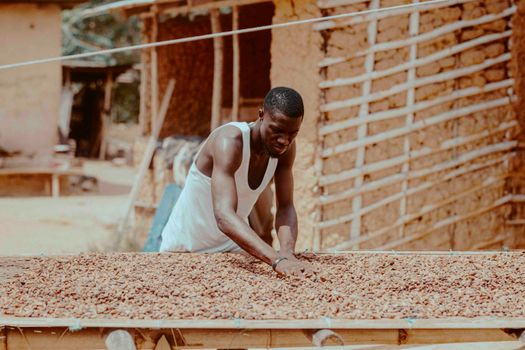 Photo: Zeal Creative Studios / Pexels
 Photo: Elly Mar Tamayor / Pexels
 Photo: Jonathan Borba / Pexels
 Photo: Erik Mclean / Pexels