Probiotics vs. Prebiotics: Unlocking Your Gut Health
difference between probiotics and prebiotics

Probiotics vs. Prebiotics: Unlocking Your Gut Health

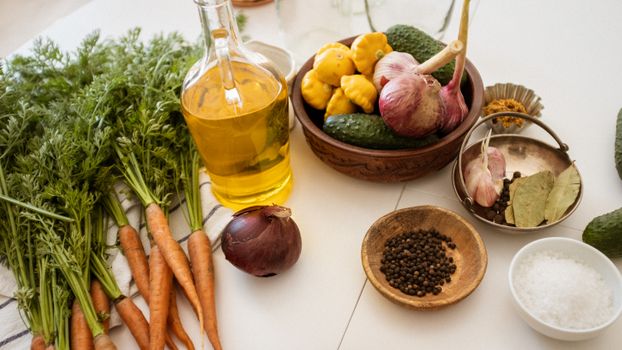
Assorted fresh vegetables and spices on a kitchen table ready for cooking.Photo: Kristina Snowasp / Pexels

Probiotics vs. Prebiotics: Unlocking Your Gut Health

Discover the distinct roles of these gut heroes and how to effectively harness their power for a healthier you.

Boost Your Gut Now

Key Takeaways

  • ✓ Probiotics are live beneficial bacteria that colonize your gut.
  • ✓ Prebiotics are non-digestible fibers that feed these beneficial bacteria.
  • ✓ Both are essential for a balanced and thriving gut microbiome.
  • ✓ Dietary sources and supplements offer ways to increase intake of both.

How It Works

1
Introduce Probiotics

Consume foods or supplements containing live microorganisms to add beneficial bacteria directly to your digestive system. These new residents begin to establish colonies and contribute to a healthier gut environment.

2
Feed with Prebiotics

Incorporate prebiotic-rich foods into your diet. These specialized fibers travel undigested to your large intestine, becoming the primary food source for your existing and newly introduced beneficial gut bacteria.

3
Foster a Balanced Microbiome

By supplying both probiotics and prebiotics, you create an optimal ecosystem within your gut. This balance helps beneficial bacteria flourish, outcompeting harmful pathogens and supporting various bodily functions.

4
Reap Health Benefits

A well-nourished and balanced gut microbiome contributes to improved digestion, enhanced immune function, better mood regulation, and even healthier skin. This symbiotic relationship is key to overall well-being.

Understanding the Gut Microbiome: The Foundation of Health
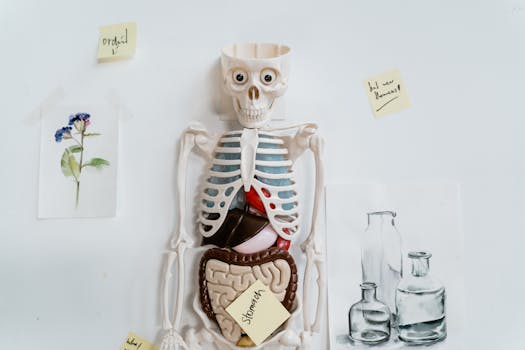
Anatomical model with sticky notes and drawings on a white wall, depicting internal organs.Photo: MART PRODUCTION / Pexels
Before we delve into the specific difference between probiotics and prebiotics, it's crucial to understand the intricate ecosystem they influence: your gut microbiome. Often referred to as your 'second brain,' the gut microbiome is a complex community of trillions of microorganisms, including bacteria, viruses, fungi, and other microbes, residing primarily in your large intestine. This bustling metropolis of microscopic life plays an astonishingly vital role in nearly every aspect of your health, extending far beyond mere digestion. It's involved in nutrient absorption, synthesizing essential vitamins like B and K, and even influencing your mood and cognitive function through the gut-brain axis. A diverse and balanced microbiome is characterized by a high proportion of beneficial bacteria, which work synergistically to maintain gut integrity, fend off pathogens, and modulate your immune system. Conversely, an imbalance, known as dysbiosis, where harmful bacteria outnumber the beneficial ones, can lead to a host of health issues, from digestive discomforts like bloating, gas, and irregular bowel movements to more systemic problems such as chronic inflammation, autoimmune conditions, allergies, and even mental health disorders. The composition of your microbiome is unique, influenced by genetics, diet, lifestyle, antibiotic use, and environmental factors. Therefore, actively nurturing this internal ecosystem is paramount for long-term health and vitality. Recognizing the profound impact of this microbial community sets the stage for appreciating the distinct yet complementary roles of probiotics and prebiotics in maintaining its delicate balance. They are not merely buzzwords in the health industry; they are fundamental components of a holistic approach to wellness, offering tangible ways to support this essential internal world. Explore how diet impacts your gut health and discover the foods that can either nourish or harm your microbiome. Maintaining a healthy gut lining is also crucial, and the microbiome plays a significant part in this by producing short-chain fatty acids, which are vital for colon cell health and function. Without a robust and diverse microbial community, the gut lining can become compromised, leading to issues like 'leaky gut,' where undigested food particles and toxins can enter the bloodstream, triggering inflammation and immune responses throughout the body. Thus, understanding and actively supporting your gut microbiome is not just about digestion; it's about safeguarding your overall physiological integrity and resilience.

Probiotics: The Live Beneficial Microorganisms Explained

Close-up of traditional Korean kimchi in a dark ceramic bowl with tongs.Photo: makafood / Pexels
Probiotics are live microorganisms, primarily bacteria and sometimes yeasts, that, when administered in adequate amounts, confer a health benefit on the host. Think of them as tiny, friendly tenants you introduce to your gut apartment building. These beneficial microbes are not foreign invaders; many of them are strains naturally found in a healthy human gut, such as various species of Lactobacillus and Bifidobacterium. When consumed, they supplement or bolster the existing population of good bacteria, helping to restore balance, particularly after disturbances like antibiotic use, illness, or stress. The mechanisms through which probiotics exert their beneficial effects are multifaceted. They can directly compete with pathogenic (harmful) bacteria for nutrients and adhesion sites on the intestinal lining, effectively crowding out the bad guys. They also produce antimicrobial substances that inhibit the growth of undesirable microbes. Furthermore, probiotics can enhance the gut barrier function, making it less permeable and preventing unwanted substances from entering the bloodstream. Crucially, they play a significant role in modulating the immune system, helping to train immune cells and reduce inflammatory responses. This immune-modulating effect can have far-reaching implications, impacting everything from allergies to autoimmune conditions. Common dietary sources of probiotics include fermented foods like yogurt, kefir, sauerkraut, kimchi, tempeh, miso, and kombucha. However, not all fermented foods contain live and active cultures, so it's important to check labels. When choosing probiotic supplements, look for products that specify the strain (e.g., Lactobacillus acidophilus NCFM), the number of colony-forming units (CFUs) at the time of expiration, and appropriate storage instructions. The efficacy of probiotics is often strain-specific, meaning different strains offer different benefits. For example, some strains might be particularly effective for digestive issues like irritable bowel syndrome (IBS), while others may support immune health or even mental well-being. It's a dynamic field of research, with new discoveries constantly emerging about the specific roles and benefits of various probiotic strains. The key takeaway is that probiotics are about introducing beneficial living organisms to your gut, actively contributing to its health and functionality. Understanding their role is a critical step in appreciating the full difference between probiotics and prebiotics.

Prebiotics: Fueling Your Gut's Good Bacteria

A colorful assortment of fresh vegetables including eggplants, peppers, and mushrooms on a flat surface.Photo: Viktoria Slowikowska / Pexels
While probiotics introduce beneficial bacteria, prebiotics play an equally vital, yet distinct, role: they are the specialized plant fibers that act as food for your existing and newly introduced beneficial gut bacteria. Unlike other dietary fibers, prebiotics are not digestible by human enzymes; instead, they pass through the upper digestive tract intact and reach the large intestine, where they are selectively fermented by beneficial microbes. This fermentation process produces short-chain fatty acids (SCFAs) like butyrate, acetate, and propionate, which are incredibly important for gut health and overall well-being. Butyrate, in particular, is the primary energy source for the cells lining your colon, helping to maintain the integrity of the gut barrier and reducing inflammation. Prebiotics essentially create a favorable environment, a thriving ecosystem, where good bacteria can multiply and flourish. Without adequate prebiotics, even a gut rich in probiotics might struggle to maintain its population of beneficial microbes. Common types of prebiotics include inulin, fructans, galactooligosaccharides (GOS), and resistant starch. These are naturally found in a wide variety of plant-based foods. Excellent dietary sources include garlic, onions, leeks, asparagus, bananas (especially slightly green ones), apples, oats, barley, flaxseeds, and various legumes like chickpeas and lentils. Incorporating a diverse range of these foods into your diet is the best way to ensure you're getting a broad spectrum of prebiotics. The beauty of prebiotics lies in their ability to selectively feed beneficial bacteria. They don't indiscriminately nourish all bacteria; instead, they are metabolized predominantly by probiotics and other advantageous microbes, giving them a competitive edge over potentially harmful bacteria. This selective feeding mechanism helps to shift the balance of the gut microbiome towards a healthier composition. Beyond supporting gut health, the SCFAs produced by prebiotic fermentation have systemic benefits, including improved mineral absorption (especially calcium), enhanced immune function, blood sugar regulation, and even appetite control. Some research suggests a link between prebiotic intake and improved mood, further highlighting the gut-brain connection. Understanding that prebiotics are the essential nourishment for your gut's beneficial inhabitants is key to grasping the complete difference between probiotics and prebiotics and how they work synergistically. Learn more about fiber-rich foods and their incredible benefits for your digestive system. It's not just about adding good bacteria; it's about creating a sustainable, nourishing environment for them to thrive and perform their critical functions within your body. The synergy between these two components is what truly unlocks the potential for optimal digestive and systemic health.

Synergy and Practical Tips: Maximizing Your Gut Health
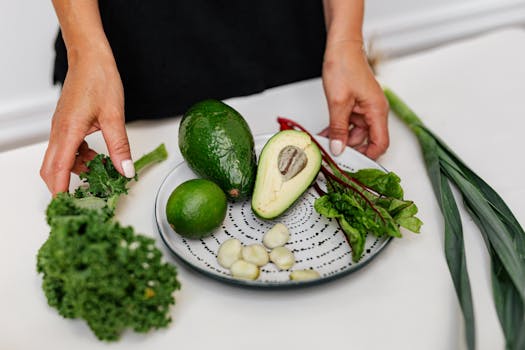
Top view of assorted fresh ingredients including avocado and kale on a plate. Perfect for healthy eating themes.Photo: www.kaboompics.com / Pexels
While the difference between probiotics and prebiotics is clear — one introduces beneficial bacteria, the other feeds them — their true power lies in their synergy. This combination is often referred to as 'synbiotics.' Consuming both probiotics and prebiotics creates a more robust and resilient gut microbiome. Think of it like planting seeds (probiotics) and then providing them with fertile soil and water (prebiotics) to help them grow and thrive. Simply taking probiotics without adequate prebiotic intake might lead to the beneficial bacteria struggling to establish themselves. Conversely, consuming prebiotics without a sufficient existing population of beneficial bacteria might not yield optimal results. Therefore, a holistic approach that integrates both is often recommended for comprehensive gut health support. **Practical Tips for Incorporating Probiotics and Prebiotics:** * **Diversify Your Diet:** Aim for a wide variety of plant-based foods, especially fruits, vegetables, whole grains, and legumes. This naturally increases your prebiotic intake and supports a diverse microbiome. * **Embrace Fermented Foods:** Regularly include foods like yogurt (with live active cultures), kefir, sauerkraut, kimchi, and kombucha. Start slowly if you're new to these to avoid digestive upset. * **Consider Quality Supplements:** If dietary intake isn't sufficient, or if you're addressing specific health concerns, high-quality probiotic and prebiotic supplements can be beneficial. Consult with a healthcare professional to choose the right strains and dosages for your needs. * **Hydrate Adequately:** Water is crucial for fiber digestion and overall gut motility. * **Manage Stress:** Chronic stress can negatively impact the gut microbiome. Incorporate stress-reduction techniques like meditation, yoga, or spending time in nature. * **Limit Processed Foods:** These often lack fiber and can contain ingredients that negatively alter the gut microbiome. * **Be Patient:** Changes to the gut microbiome don't happen overnight. Consistency in your dietary and lifestyle choices is key to long-term benefits. **Common Mistakes to Avoid:** * **Expecting Instant Results:** Gut healing is a process. Give your body time to adapt and respond. * **Focusing Only on One:** Neglecting either probiotics or prebiotics can limit the effectiveness of your efforts. * **Ignoring Individual Responses:** What works for one person might not work for another. Pay attention to how your body reacts and adjust accordingly. * **Overdoing It Initially:** Introducing too many new fermented foods or high-fiber prebiotics too quickly can cause temporary bloating or gas. Start small and gradually increase. * **Not Checking Labels:** For fermented foods, ensure they contain 'live and active cultures.' For supplements, look for reputable brands with third-party testing and clear strain information.

Comparison

FeatureProbioticsPrebioticsSynbiotics (Combination)
What it isLive beneficial microorganismsNon-digestible fibersCombination of both
Primary FunctionIntroduce good bacteriaFeed good bacteriaIntroduce and feed good bacteria
Source TypeFermented foods, supplementsFiber-rich plant foods, supplementsSpecific fermented foods, combined supplements
NatureLiving organismsNon-living compoundsBoth living and non-living
MechanismColonize gut, compete with pathogensSelectively fermented by beneficial microbesSynergistic action for optimal gut health
Key BenefitRestores microbial balancePromotes growth of beneficial bacteriaComprehensive gut microbiome support
Best Use CaseAfter antibiotics, specific GI issuesGeneral gut health maintenanceHolistic gut health improvement

What Our Readers Say

5 ★★★★★

"Understanding the difference between probiotics and prebiotics completely changed how I approach my diet. I used to just take a probiotic, but adding prebiotic-rich foods has made a huge difference in my digestion."

5 ★★★★★

"This article was so helpful! I finally get that probiotics are the good bugs and prebiotics are their food. My gut has felt so much better since I started focusing on both."

5 ★★★★★

"After struggling with bloating for years, learning the synergy between probiotics and prebiotics has been a game-changer. My digestive comfort has improved by at least 70%!"

4 ★★★★☆

"I appreciate the detailed explanation. While I've seen improvements with fermented foods, I realize now I need to consciously increase my prebiotic fiber intake even more for optimal benefits."

5 ★★★★★

"As a nutritionist, I often explain the difference between probiotics and prebiotics to clients. This article breaks it down perfectly, making it accessible for everyone to understand and implement."

Frequently Asked Questions

What is the main difference between probiotics and prebiotics?
Probiotics are live beneficial bacteria that you introduce into your gut, typically through fermented foods or supplements. Prebiotics, on the other hand, are non-digestible fibers that act as food for these beneficial bacteria, helping them to grow and thrive in your gut. One introduces the 'workers,' the other provides their 'fuel.'
Can I just take a probiotic supplement without focusing on prebiotics?
While probiotic supplements can be beneficial, especially after antibiotic use or for specific issues, their effectiveness can be significantly enhanced when combined with prebiotics. Without sufficient prebiotic fiber, the probiotics you introduce may struggle to establish and maintain their population in your gut, limiting their long-term benefits.
How can I easily incorporate more prebiotics into my diet?
You can easily boost your prebiotic intake by eating more whole, plant-based foods. Focus on foods like garlic, onions, leeks, asparagus, bananas, apples, oats, flaxseeds, and various legumes. Aim for a diverse range to ensure you're feeding a wide variety of beneficial gut bacteria.
Are probiotic and prebiotic supplements expensive, and are they worth it?
The cost of supplements varies widely by brand, strain, and dosage. While whole foods are often the best and most cost-effective source, high-quality supplements can be a worthwhile investment, especially if you have specific health goals or dietary restrictions. It's essential to choose reputable brands and consult with a healthcare professional to determine if they're right for you.
How do probiotics and prebiotics compare to digestive enzymes?
Probiotics and prebiotics focus on the microbial balance in your gut. Digestive enzymes, however, are proteins that help break down food into smaller, absorbable components. While all three support digestion, their mechanisms are distinct: enzymes break down food, probiotics add beneficial microbes, and prebiotics feed those microbes.
Who should consider increasing their intake of probiotics and prebiotics?
Virtually anyone looking to improve their overall health can benefit, as gut health impacts so many bodily functions. Individuals experiencing digestive issues (bloating, gas, irregular bowels), those recovering from antibiotic use, people with weakened immune systems, or those looking to support mood and cognitive function are particularly good candidates.
Are there any risks or side effects associated with probiotics or prebiotics?
Generally, both are safe for most healthy individuals. However, some people might experience mild digestive upset like gas or bloating when first introducing them, especially with prebiotics. Individuals with compromised immune systems or certain medical conditions should consult a doctor before taking supplements. Start with small amounts and gradually increase.
What is the future outlook for gut health research involving probiotics and prebiotics?
Research into the gut microbiome, probiotics, and prebiotics is a rapidly expanding field. Future trends include personalized nutrition based on individual microbiome analysis, the development of highly targeted probiotic strains for specific health conditions, and a deeper understanding of the gut-brain axis's role in mental health, all driven by the powerful interplay of these beneficial compounds.

Now that you understand the crucial difference between probiotics and prebiotics, take the next step towards a healthier gut. Start incorporating more fermented and fiber-rich foods into your diet today, and experience the profound benefits for your overall well-being.

Topics: difference between probiotics and prebioticsgut healthdigestive healthmicrobiomefermented foods
Leo List
Brampton weed
Adultwork