Mastering Gluten-Free Baking Recipes for Beginners
gluten-free baking recipes for beginners

Mastering Gluten-Free Baking Recipes for Beginners

Embark on a delightful culinary journey and discover the joy of creating delicious gluten-free treats from scratch.

Start Baking Today!

Key Takeaways

  • ✓ Gluten-free baking doesn't mean sacrificing flavor or texture.
  • ✓ Understanding flour blends is crucial for successful gluten-free baking.
  • ✓ Small adjustments in technique can yield excellent results.
  • ✓ Many delicious recipes are naturally gluten-free or easily adaptable.

How It Works

1
Understand Your Flours

Familiarize yourself with common gluten-free flours like rice flour, almond flour, and tapioca starch. Learn their unique properties and how they interact in recipes.

2
Master Basic Substitutions

Discover how to effectively substitute gluten-containing ingredients with their gluten-free counterparts. This includes understanding binders and leavening agents essential for structure.

3
Start with Simple Recipes

Begin your journey with straightforward recipes that build confidence and teach fundamental techniques. Cookies, brownies, and simple quick breads are excellent starting points.

4
Embrace Experimentation

Don't be afraid to try new ingredients and adjust recipes to your taste. Gluten-free baking is a learning process, and every attempt brings you closer to perfection.

Demystifying Gluten-Free Flour Blends and Their Magic
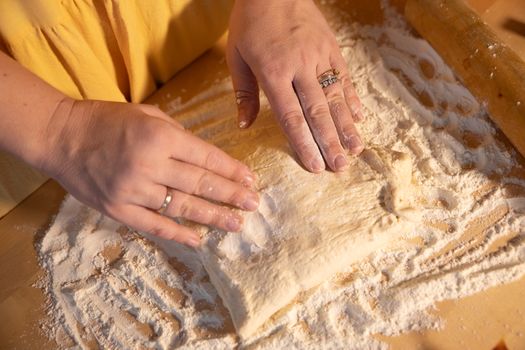
Close-up of hands kneading dough on a wooden surface with flour. Photo: olga Volkovitskaia / Pexels
Embarking on the journey of gluten-free baking can feel like stepping into a new culinary universe, especially when confronted with the vast array of flours available. Gone are the days of simply reaching for all-purpose wheat flour; now, bakers are met with rice flour, almond flour, tapioca starch, potato starch, sorghum flour, oat flour (certified gluten-free), and many more. The key to successful gluten-free baking, particularly for beginners, lies in understanding that no single gluten-free flour can perfectly replicate the complex structure and elasticity that gluten provides. This is why most successful gluten-free recipes rely on a blend of different flours, each contributing unique properties to the final product. For instance, rice flour often provides structure and a neutral flavor, but can be grainy on its own. Tapioca starch and potato starch contribute to chewiness and a lighter texture, preventing baked goods from becoming dense. Almond flour adds moisture, protein, and a rich flavor, while sorghum flour offers a lovely crumb and a slightly sweet, mild taste. Choosing the right gluten-free flour blend is paramount, and thankfully, many excellent pre-mixed gluten-free all-purpose flour blends are readily available in stores. These blends are often formulated by experts to mimic the performance of wheat flour as closely as possible, making them an ideal starting point for beginners. Look for blends that contain a good mix of whole grain flours (like brown rice or sorghum) and starches (like tapioca or potato). Some blends also include binders like xanthan gum or guar gum, which are crucial for replicating the elasticity and structure that gluten provides, preventing your baked goods from crumbling. If your chosen blend doesn't include a binder, you'll need to add it separately, typically about 1/4 to 1/2 teaspoon per cup of flour for cookies and cakes, and slightly more for breads. Always check the ingredient list of your chosen blend to understand its components and adjust your recipe accordingly. Experimenting with different blends can be a fun way to discover your preferences, but starting with a reputable, pre-made blend will significantly reduce the learning curve and increase your chances of early success. Remember, gluten-free flours absorb liquids differently than wheat flour, so you might find that gluten-free doughs or batters are often wetter or thicker than what you're used to. Don't be alarmed; this is often by design to ensure adequate hydration and a tender crumb. Patience and precise measurement are your best allies when working with these unique ingredients.

Essential Techniques and Smart Substitutions for Gluten-Free Baking
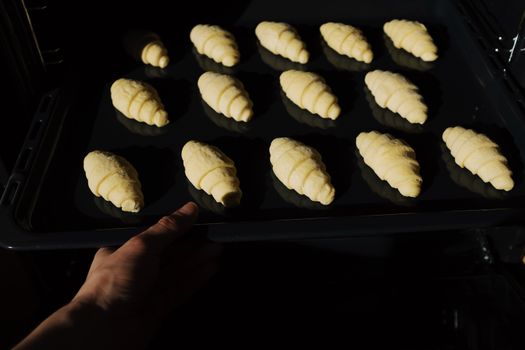
Golden croissant dough lined up on a baking tray, ready for the oven. Photo: ready made / Pexels
Beyond understanding flour blends, mastering a few essential techniques and smart substitutions will elevate your gluten-free baking from good to extraordinary. One of the most common challenges in gluten-free baking is achieving the right texture – preventing products from becoming dry, crumbly, or overly dense. Hydration is key. Gluten-free flours tend to absorb more liquid than wheat flour, so many recipes call for additional moisture in the form of extra liquids, fats, or even puréed fruits and vegetables like applesauce or pumpkin. Don't be tempted to reduce the liquid content, even if the batter seems thinner than you're accustomed to; this extra moisture is vital for a tender crumb. Another critical aspect is the role of binders. As mentioned, xanthan gum or guar gum are frequently used to provide elasticity and prevent crumbling, mimicking the structure that gluten offers. If your recipe doesn't specify a binder and your flour blend doesn't contain one, start by adding 1/4 teaspoon of xanthan gum per cup of gluten-free flour for cakes and muffins, and up to 1/2 teaspoon for breads. Over-mixing can also be detrimental in gluten-free baking, just as it is in traditional baking. While you don't have to worry about developing tough gluten strands, excessive mixing can incorporate too much air, leading to a dry or crumbly texture. Mix just until the ingredients are combined, and no more. Resting the dough or batter is another technique that can significantly improve results. Allowing gluten-free batters to rest for 15-30 minutes before baking gives the flours time to fully hydrate, resulting in a smoother texture and better overall structure. This is particularly beneficial for recipes like cookies and muffins. When it comes to substitutions, eggs play a vital role beyond just binding; they also contribute to leavening and moisture. If you need an egg-free option, common replacements include flax eggs (1 tablespoon ground flaxseed meal mixed with 3 tablespoons water, let sit for 5 minutes), chia eggs, or commercial egg replacers. For dairy-free needs, plant-based milks (almond, soy, oat) and dairy-free butters or oils work wonderfully. The world of gluten-free baking also embraces ingredients like psyllium husk powder, which can provide excellent binding and structure, especially in yeast-leavened breads, creating a more elastic dough. Always remember that gluten-free baking often requires a gentle touch and a bit more patience. Pay close attention to visual cues, such as browning and springiness, rather than solely relying on baking times from traditional recipes, as gluten-free items can sometimes bake faster or slower.

Delightful and Easy Gluten-Free Baking Recipes for Beginners
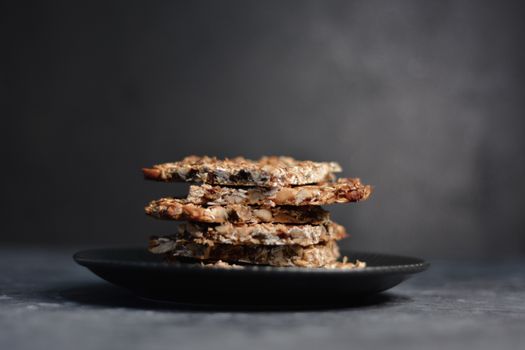
Close-up of a stack of homemade granola bars on a dark plate against a moody background. Photo: Çiğdem Bilgin / Pexels
Now that you're armed with knowledge about flours and techniques, it's time to dive into some truly delightful and easy gluten-free baking recipes perfect for beginners. Starting with simple recipes builds confidence and allows you to practice the fundamental skills without feeling overwhelmed. Our first recommendation is classic Gluten-Free Chocolate Chip Cookies. These are incredibly forgiving and universally loved. A good recipe will call for a balanced gluten-free all-purpose flour blend (with xanthan gum), butter (or dairy-free alternative), brown and white sugar, eggs, vanilla, and plenty of chocolate chips. The key here is not to overbake them; pull them out when the edges are set and lightly golden, but the centers still look a little soft. They will continue to firm up as they cool, resulting in a perfectly chewy cookie. For a quick and satisfying treat, consider Gluten-Free Brownies. Brownies are inherently dense and fudgy, making them an excellent candidate for gluten-free adaptation. Many recipes use a single gluten-free flour (like almond flour for extra fudginess or a simple all-purpose blend) combined with cocoa powder, sugar, eggs, butter, and vanilla. The trick to perfect brownies is to avoid over-mixing and to bake them just until a toothpick inserted into the center comes out with moist crumbs, not wet batter. This ensures a rich, gooey texture that's hard to resist. Another fantastic beginner-friendly option is Gluten-Free Banana Bread or Muffins. The natural moisture and sweetness of ripe bananas make these incredibly adaptable to gluten-free flours. Using a blend of gluten-free flours, eggs, oil or butter, and spices like cinnamon, you can create a wonderfully moist and flavorful quick bread. These recipes are often very forgiving regarding exact measurements, making them ideal for those new to baking. You can easily add nuts, chocolate chips, or dried fruit for extra flavor and texture. For something a little lighter, Gluten-Free Berry Crumble is a fantastic choice. This dessert is naturally gluten-free if you use gluten-free oats and a gluten-free flour blend for the topping. Simply combine your favorite berries with a little sugar and lemon juice, top with a mixture of gluten-free oats, gluten-free flour, butter, and brown sugar, then bake until bubbly and golden. It’s comforting, easy, and always a crowd-pleaser. Finally, don't overlook the simplicity of Gluten-Free Pancakes or Waffles. These breakfast staples are surprisingly easy to make gluten-free and can be a wonderful way to start your day. Many recipes utilize a blend of rice flour and tapioca starch for a light and fluffy result. Serve them with fresh fruit, maple syrup, or your favorite toppings for a truly satisfying meal. Remember, consistency is key, so always level your measuring cups and spoons. Exploring different gluten-free baking cookbooks can also provide a wealth of inspiration and tested recipes to expand your repertoire. Each of these recipes offers a gentle introduction to gluten-free baking, allowing you to build confidence with each successful bake.

Common Pitfalls to Avoid and Pro Tips for Gluten-Free Baking Success
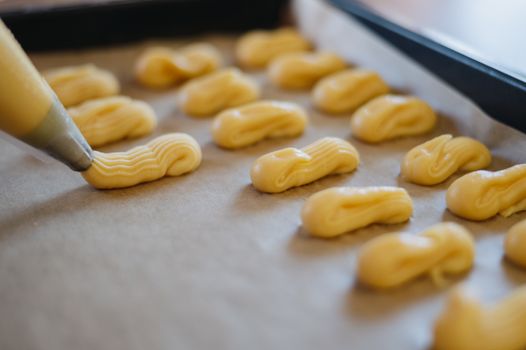
Pastry bag piping dough onto a baking sheet for eclairs preparation. Close-up food photography. Photo: Anete Lusina / Pexels
As you gain confidence with gluten-free baking, it's helpful to be aware of common pitfalls and incorporate some pro tips to ensure consistent success. One of the biggest mistakes beginners make is substituting gluten-free flours 1:1 in traditional recipes without any other adjustments. As we've discussed, gluten-free flours behave very differently, and simply swapping them out will almost always lead to disappointing results. Always use recipes specifically developed for gluten-free baking, or be prepared to make significant adjustments, including adding binders and extra liquids. Another pitfall is improper measurement. Baking, especially gluten-free baking, is a science. Using a kitchen scale to measure flours by weight rather than volume can dramatically improve accuracy and consistency. Volume measurements (cups) can vary wildly depending on how packed the flour is. Invest in a good digital kitchen scale – it's a game-changer. Over-baking is another common issue. Gluten-free baked goods can dry out more quickly than their gluten-containing counterparts. Keep a close eye on your oven and start checking for doneness a few minutes before the recipe indicates. Look for visual cues like golden-brown edges, a slight spring back when gently touched, and a clean toothpick test (though sometimes moist crumbs are desired, as in brownies). Don't be afraid to pull items out a little early; they will continue to cook slightly from residual heat. Conversely, under-baking can lead to gummy textures, especially in cakes and muffins. Ensure adequate baking time for proper structure. Temperature is also critical. Ensure your oven is preheated correctly; an oven thermometer can help verify its accuracy. Cold ingredients can also affect texture. Unless specified, bring eggs and dairy to room temperature before mixing, as this helps them emulsify better and create a smoother batter. Finally, resist the urge to peek and open the oven door frequently, especially during the first two-thirds of the baking time, as this can cause temperature fluctuations and lead to sunken or dense products. Pro tips include always sifting your gluten-free flour blend to break up any clumps and aerate it, leading to a lighter texture. Adding a touch of apple cider vinegar or lemon juice to certain batters can react with baking soda to boost leavening and create a more tender crumb. Lining baking pans with parchment paper is also a smart move, as gluten-free baked goods can sometimes stick more easily. And most importantly, embrace the learning process. Not every bake will be perfect, but each attempt offers valuable insights. Keep notes on what worked and what didn't, and soon you'll be baking delicious gluten-free treats with confidence and ease. Remember, practice makes perfect, and every successful bake is a victory in your gluten-free culinary journey.

Comparison

FeatureGluten-Free All-Purpose Blend (Store-Bought)Single Gluten-Free Flour (e.g., Almond)Traditional Wheat Flour
Ease of Use for BeginnersVery Easy (pre-mixed, balanced)Moderate (requires additional binders/starches)Very Easy (ubiquitous, consistent)
Texture (Typical Result)Good, mimics wheat flour wellDenser, moister (almond); drier (rice)Light, airy, elastic
Need for Binders (Xanthan Gum)Often included, check labelEssential (add yourself)Not needed (gluten acts as binder)
Recipe AdaptationDirect swap for most GF recipesRequires specific GF recipes or expert adaptationStandard for traditional recipes

What Readers Say

"This guide completely changed my approach to gluten-free baking! I used to dread it, but now I'm making delicious cookies and brownies that my whole family loves. The flour blend explanation was incredibly helpful."

Sarah J. · Austin, TX

"As a beginner, I found the step-by-step approach to gluten-free baking recipes for beginners invaluable. The tips on hydration and binders made a huge difference in my first batch of muffins, they were actually edible!"

Mark T. · Seattle, WA

"I followed the advice for gluten-free chocolate chip cookies, and they turned out perfectly chewy and delicious. My non-gluten-free friends couldn't even tell the difference, which was my ultimate goal!"

Emily R. · Denver, CO

"Great resource for starting out. I appreciate the emphasis on specific GF recipes rather than just swapping flours. Some of the nuances still take practice, but I feel much more confident now."

David L. · Miami, FL

"Having to bake gluten-free for my daughter, this article was a lifesaver. The simple explanations for flour properties and common pitfalls helped me avoid many early frustrations. Highly recommend for any new GF baker."

Jessica M. · Chicago, IL

Frequently Asked Questions

What is the best gluten-free flour for beginners?

For beginners, a good quality, pre-mixed gluten-free all-purpose flour blend is highly recommended. These blends are formulated to mimic wheat flour's properties and often include necessary binders like xanthan gum, simplifying the process and increasing your chances of success without needing to mix multiple individual flours.

Why do my gluten-free baked goods crumble so easily?

Crumbliness is a common issue in gluten-free baking, often due to a lack of proper binding. Gluten provides elasticity and structure that is missing in gluten-free flours. Ensure your recipe uses a gluten-free flour blend with xanthan gum or add it separately (typically 1/4 to 1/2 teaspoon per cup of flour) to help bind ingredients and improve texture.

How do I substitute gluten-free flour for regular flour in a recipe?

Direct 1:1 substitution of gluten-free flour for regular flour is generally not recommended for beginners, as it rarely yields good results. Gluten-free flours require different liquid ratios and often binders. It's best to start with recipes specifically developed for gluten-free baking to ensure proper balance of ingredients and techniques.

Are gluten-free ingredients more expensive?

Yes, gluten-free specialty flours and products can sometimes be more expensive than their conventional counterparts due to specialized processing, smaller production scales, and ingredient sourcing. However, prices have become more competitive over time, and many naturally gluten-free ingredients like nuts, seeds, and certain grains are widely available and affordable.

What's the difference between xanthan gum and guar gum in gluten-free baking?

Both xanthan gum and guar gum are binders used in gluten-free baking to provide elasticity and prevent crumbling. Xanthan gum is often preferred for yeast-based breads and baked goods, while guar gum is sometimes favored for lighter, more delicate items like cakes or frozen desserts. They are generally interchangeable, but some bakers have preferences for specific applications.

Who should use gluten-free baking recipes for beginners?

Anyone new to gluten-free eating, whether due to celiac disease, gluten sensitivity, or simply a desire to explore alternative baking methods, will benefit from these beginner-friendly recipes. They are designed to ease you into the process with clear instructions and reliable outcomes.

Is cross-contamination a concern when baking gluten-free at home?

Yes, cross-contamination is a significant concern, especially for individuals with celiac disease. Ensure all your baking surfaces, utensils, cutting boards, and appliances are thoroughly cleaned and free of gluten residues. Consider using separate flour sifters, mixing bowls, and even toasters if gluten-containing foods are also prepared in your kitchen.

Will gluten-free baking trends continue to grow?

The gluten-free market has seen consistent growth and is projected to continue expanding. This trend is driven by increased awareness of celiac disease and gluten sensitivities, as well as a general consumer interest in healthier or alternative dietary options. Expect more innovative gluten-free ingredients and recipes to emerge in the future.

Ready to transform your kitchen into a gluten-free bakery? Dive into these easy gluten-free baking recipes for beginners and discover the joy of creating delicious, wholesome treats that everyone can enjoy. Your gluten-free baking adventure starts now!

Topics: gluten-free baking recipes for beginnerseasy gluten-free dessertsgluten-free flour blendsbaking without glutenbeginner gluten-free recipes
Leo List
Brampton weed
Adultwork