Unlocking the Health Benefits of Turmeric Daily
health benefits of turmeric daily

Unlocking the Health Benefits of Turmeric Daily

Vivid close-up of turmeric roots and powder with decorative flower on black backdrop, highlighting spice details.Photo: Tamanna Rumee / Pexels

Unlocking the Health Benefits of Turmeric Daily

Integrate this golden spice into your routine for a powerful boost to your overall health and vitality.

Start Your Turmeric Journey

Key Takeaways

  • ✓ Turmeric's primary active compound, curcumin, is a potent anti-inflammatory and antioxidant.
  • ✓ Daily turmeric intake can support joint health, digestive function, and cognitive well-being.
  • ✓ Bioavailability is key; combine turmeric with black pepper for optimal absorption.
  • ✓ It can be incorporated into various dishes, drinks, and even taken as a supplement.

How It Works

1
Understand Curcumin's Power

The magic of turmeric largely stems from curcuminoids, especially curcumin. These compounds are responsible for its vibrant color and most of its therapeutic effects.

2
Enhance Absorption

Curcumin has poor bioavailability on its own. Pairing it with piperine (found in black pepper) or healthy fats significantly increases its absorption into the bloodstream.

3
Consistent Daily Intake

Like many natural remedies, the health benefits of turmeric daily are cumulative. Regular, consistent consumption is more effective than sporadic large doses.

4
Integrate into Your Diet

From lattes and smoothies to curries and roasted vegetables, there are countless delicious ways to incorporate turmeric into your daily meals. Supplements offer another convenient option.

The Science Behind Turmeric's Anti-Inflammatory Prowess
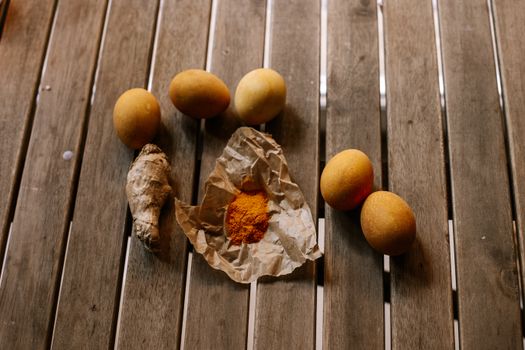
Top view of eggs, ginger root, and turmeric on rustic wooden table.Photo: ROMAN ODINTSOV / Pexels
Turmeric, a vibrant yellow spice celebrated for centuries in traditional medicine, particularly Ayurveda, has garnered significant attention in modern scientific research for its profound health benefits. At the heart of its therapeutic power lies curcumin, the primary active compound responsible for turmeric's characteristic color and most of its medicinal properties. Understanding the science behind curcumin's anti-inflammatory action is crucial to appreciating the widespread health benefits of turmeric daily. Inflammation is a natural and necessary bodily response to injury or infection, acting as a protective mechanism. However, chronic low-grade inflammation, often triggered by lifestyle factors, diet, and environmental toxins, is a silent contributor to numerous chronic diseases, including heart disease, cancer, metabolic syndrome, Alzheimer's, and various degenerative conditions. Curcumin intervenes in the inflammatory cascade at a molecular level, targeting multiple pathways. It inhibits the activity of NF-κB (nuclear factor kappa-light-chain-enhancer of activated B cells), a protein complex that controls DNA transcription, cytokine production, and cell survival. NF-κB is a master regulator of inflammation; by modulating its activity, curcumin can effectively dampen the inflammatory response. Furthermore, curcumin has been shown to suppress the production of several inflammatory molecules, including TNF-α (tumor necrosis factor-alpha), IL-1, IL-6 (interleukins), COX-2 (cyclooxygenase-2), and iNOS (inducible nitric oxide synthase). These molecules are key players in promoting and sustaining inflammation throughout the body. By reducing their synthesis, curcumin helps to mitigate the inflammatory burden. The beauty of curcumin's mechanism lies in its multifaceted approach. Unlike pharmaceutical anti-inflammatory drugs that often target a single pathway, curcumin acts on multiple targets, making it a comprehensive modulator of inflammation. This broad-spectrum action contributes to its potential efficacy across a range of inflammatory conditions. For instance, studies have explored curcumin's role in alleviating symptoms of osteoarthritis and rheumatoid arthritis, where chronic joint inflammation is a hallmark. Regular intake of turmeric, particularly in its bioavailable forms, has shown promise in reducing pain and improving physical function in individuals with these conditions, sometimes comparable to conventional medications but with fewer side effects. The health benefits of turmeric daily extend beyond direct inflammation suppression to its powerful antioxidant properties. Oxidative stress, caused by an imbalance between free radicals and antioxidants in the body, also contributes significantly to inflammation and cellular damage. Curcumin is a potent antioxidant that can neutralize free radicals due to its unique chemical structure. It also boosts the activity of the body's own antioxidant enzymes, such as superoxide dismutase (SOD), catalase, and glutathione peroxidase, providing a dual defense against oxidative damage. This combined anti-inflammatory and antioxidant action makes turmeric a formidable ally in maintaining cellular health and preventing disease. Incorporating turmeric into your daily routine, whether through culinary uses or high-quality supplements, can provide a sustained supply of curcumin to help manage and prevent chronic inflammation, laying a foundational block for overall well-being. This natural approach offers a gentle yet effective way to support the body's intrinsic healing processes and combat the pervasive threat of chronic inflammation. For more insights into healthy eating, check out our guide on anti-inflammatory foods.

Boosting Brain Health and Cognitive Function with Daily Turmeric
Vibrant turmeric powder spread with a wooden spoon for cooking inspiration.Photo: tal molcho / Pexels
The potential of turmeric to enhance brain health and cognitive function is one of its most exciting and extensively researched health benefits. While often associated with physical ailments, the brain is highly susceptible to inflammation and oxidative stress, which are implicated in age-related cognitive decline and neurodegenerative diseases such as Alzheimer's and Parkinson's. Curcumin, the active compound in turmeric, crosses the blood-brain barrier, albeit with some difficulty, and exerts its protective effects directly on brain cells. One of the key mechanisms through which curcumin supports brain health is by modulating brain-derived neurotrophic factor (BDNF). BDNF is a type of growth hormone that functions in your brain, promoting the growth of new neurons and supporting the survival of existing ones. It plays a crucial role in memory, learning, and overall cognitive function. Many common brain disorders, including depression and Alzheimer's disease, have been linked to reduced levels of BDNF. Research suggests that curcumin can increase BDNF levels in the brain, potentially reversing or delaying the onset of cognitive impairment. This ability to stimulate neurogenesis – the formation of new neurons – is a groundbreaking aspect of curcumin's impact. Beyond BDNF, curcumin's potent anti-inflammatory and antioxidant properties are vital for brain protection. The brain consumes a significant amount of oxygen, making it particularly vulnerable to oxidative damage. Chronic inflammation in the brain, known as neuroinflammation, can lead to the death of neurons and contribute to the progression of neurodegenerative diseases. By reducing neuroinflammation and neutralizing free radicals, curcumin helps to maintain a healthy brain environment, safeguarding neuronal integrity and function. Studies have investigated curcumin's potential in preventing or slowing the progression of Alzheimer's disease. A hallmark of Alzheimer's is the accumulation of amyloid-beta plaques, abnormal protein deposits that can disrupt brain cell function. Some research indicates that curcumin may help clear these plaques and inhibit their formation, though more human trials are needed to confirm these effects definitively. Furthermore, curcumin's role in improving mood and reducing symptoms of depression and anxiety has also been explored. Depression is often linked to chronic inflammation and oxidative stress, and the ability of curcumin to address these underlying factors, alongside its potential to increase neurotransmitters like serotonin and dopamine and elevate BDNF, positions it as a promising natural intervention. While not a standalone cure, incorporating turmeric into a daily regimen, especially as part of a holistic approach to mental well-being, could offer significant support. The health benefits of turmeric daily for brain health underscore its comprehensive impact on the body. It’s not just about addressing symptoms but about creating an optimal internal environment where the brain can thrive, protecting it from the ravages of time and environmental stressors. Regular consumption of turmeric can be a proactive step towards preserving cognitive vitality and enhancing mental clarity throughout life. This makes turmeric not just a spice, but a powerful nutraceutical for the mind.

Turmeric's Impact on Digestive Health and Gut Microbiome
Flat lay of assorted spices including cinnamon, turmeric, and star anise on a dark surface.Photo: Mareefe / Pexels
The intricate connection between the gut and overall health has become a focal point in modern medicine, and turmeric emerges as a significant player in promoting digestive wellness. The health benefits of turmeric daily extend deeply into the gastrointestinal system, influencing everything from digestion and nutrient absorption to the balance of the gut microbiome. For centuries, turmeric has been used in traditional medicine to alleviate digestive issues such as indigestion, bloating, and gas. Modern science is beginning to unravel the mechanisms behind these traditional uses. Curcumin's anti-inflammatory properties are particularly beneficial for the gut. Conditions like irritable bowel syndrome (IBS), inflammatory bowel disease (IBD) – which includes Crohn's disease and ulcerative colitis – are characterized by chronic inflammation of the digestive tract. By modulating inflammatory pathways, curcumin can help reduce gut inflammation, potentially easing symptoms and supporting gut lining integrity. Studies have shown that curcumin may help in managing symptoms of IBD, leading to reductions in disease activity and improvements in quality of life for some patients. Beyond inflammation, turmeric also influences bile production. Bile is essential for digesting fats and absorbing fat-soluble vitamins (A, D, E, K). Turmeric stimulates the gallbladder to produce more bile, aiding in the efficient breakdown of dietary fats and improving overall digestion. This can be particularly helpful for individuals who experience discomfort after eating fatty meals. The gut microbiome, the vast community of microorganisms residing in our intestines, plays a critical role in digestion, immunity, and even mood. An imbalanced microbiome, known as dysbiosis, is linked to numerous health problems. Emerging research suggests that curcumin can positively influence the gut microbiome. While it doesn't act as a direct probiotic, it appears to foster the growth of beneficial bacteria while inhibiting the proliferation of pathogenic ones. This prebiotic-like effect helps to restore balance and diversity within the gut flora, which is crucial for a healthy digestive system and a robust immune response. Furthermore, curcumin has demonstrated mild antimicrobial properties against certain gut pathogens, which can contribute to a healthier gut environment. It can also help to repair the gut lining, which can become permeable due to inflammation and dysbiosis, leading to 'leaky gut' syndrome. A healthy gut barrier is essential for preventing unwanted substances from entering the bloodstream and triggering systemic inflammation. Incorporating turmeric into your daily diet can therefore be a powerful strategy for maintaining a healthy digestive system. Whether it's through adding it to your meals, preparing soothing turmeric teas, or taking targeted supplements, the consistent intake of this golden spice can contribute significantly to a comfortable and efficient digestive process, reinforcing the interconnectedness of gut health and overall well-being. This makes the health benefits of turmeric daily a cornerstone for holistic wellness, supporting the body's internal ecosystem. For a deeper dive into gut-friendly foods, consider exploring resources on probiotic-rich ingredients.

Practical Tips for Maximizing the Health Benefits of Turmeric Daily

Top view of eggs, ginger root, and turmeric on rustic wooden table.Photo: ROMAN ODINTSOV / Pexels
To truly unlock the extensive health benefits of turmeric daily, it's not just about consuming it, but consuming it effectively. The bioavailability of curcumin, the active compound, is notoriously low. This means that without certain enhancers, much of the curcumin you ingest might not be absorbed into your bloodstream, limiting its therapeutic effects. Here are practical tips to maximize your daily turmeric intake: * **Pair with Black Pepper (Piperine):** This is perhaps the most crucial tip. Black pepper contains piperine, a natural compound that has been shown to enhance curcumin absorption by up to 2,000%. Always add a pinch of black pepper when using turmeric in cooking or preparing drinks. Most high-quality turmeric supplements also include piperine for this reason. * **Consume with Healthy Fats:** Curcumin is fat-soluble, meaning it dissolves in fat. Consuming turmeric with a source of healthy fats, such as olive oil, coconut oil, avocado, or nuts, can significantly improve its absorption. This is why turmeric is often used in curries, which typically contain oils or coconut milk. * **Choose High-Quality Supplements:** If you opt for supplements, look for those that specify a high concentration of curcuminoids (usually 95%) and include piperine. Liposomal curcumin or micellar formulations are also designed for enhanced bioavailability. * **Incorporate into Cooking:** Don't limit turmeric to just Indian cuisine. Add it to scrambled eggs, soups, stews, roasted vegetables, rice, smoothies, and even oatmeal. Its earthy, slightly bitter flavor can complement a wide range of dishes. Start with smaller amounts and adjust to your taste. * **Golden Milk (Turmeric Latte):** A popular and delicious way to consume turmeric. Mix turmeric powder, black pepper, and a healthy fat (like coconut oil or ghee) with warm milk (dairy or non-dairy). Add a sweetener like honey or maple syrup if desired. This makes for a soothing evening drink. * **Turmeric Tea:** Steep fresh or dried turmeric root in hot water, adding a slice of ginger and a squeeze of lemon. A pinch of black pepper will again boost absorption. * **Fresh vs. Powdered:** While powdered turmeric is convenient, fresh turmeric root can also be grated into dishes, juiced, or steeped for tea. It offers a slightly different flavor profile and retains more volatile compounds. * **Consistency is Key:** The benefits of turmeric are cumulative. Regular, daily intake is more effective than sporadic use. Aim to make it a consistent part of your dietary routine. * **Beware of Staining:** Turmeric's vibrant color can stain clothes, countertops, and even skin. Handle with care, and wear gloves if you're working with fresh turmeric extensively. * **Consult Your Doctor:** While generally safe, high doses of turmeric or curcumin supplements might interact with certain medications (e.g., blood thinners, antacids) or exacerbate certain conditions (e.g., gallbladder issues). Always consult your healthcare provider before starting any new supplement regimen, especially if you have underlying health conditions or are pregnant or breastfeeding. By following these practical tips, you can ensure you're getting the most out of this incredible spice and truly harness the health benefits of turmeric daily for your well-being.

Comparison

FeatureTurmeric PowderFresh Turmeric RootCurcumin SupplementTurmeric Extract
Active CompoundCurcumin (low %)Curcumin (low %)Curcumin (high %)Curcumin (high %)
BioavailabilityLow (needs piperine/fat)Low (needs piperine/fat)High (often with piperine)Very High (specific formulations)
Culinary Use
Dosage ControlHarderHarderEasierEasier
CostLowModerateHighHigh
VersatilityHighHighLowLow
PurityVariesExcellentExcellentExcellent

What Our Readers Say

5 ★★★★★

"I've been adding turmeric to my morning smoothie daily for three months, and the health benefits of turmeric daily are undeniable. My joint stiffness has significantly decreased, and I feel a general sense of improved vitality."

5 ★★★★★

"As someone with digestive issues, incorporating a high-quality turmeric supplement with piperine has been a game-changer. I've noticed less bloating and a much more comfortable gut overall. It's truly one of the best changes I've made."

5 ★★★★★

"I started using turmeric daily in my cooking and golden lattes to combat inflammation. My recent blood tests showed a noticeable reduction in inflammatory markers, which my doctor was very impressed with. The results speak for themselves!"

4 ★★★★☆

"While the taste took some getting used to, the consistent energy and reduced muscle soreness I've experienced since making turmeric a daily habit are worth it. I do wish it was a bit easier to incorporate without staining everything."

5 ★★★★★

"My naturopath suggested turmeric for overall well-being. I've been blending fresh turmeric root into my juices, and I've experienced better skin clarity and fewer minor aches. It's become a non-negotiable part of my morning routine."

Frequently Asked Questions

What is the optimal daily dosage for turmeric to see health benefits?
The optimal daily dosage can vary depending on the form of turmeric and individual needs. For powdered turmeric, a common recommendation is 1/2 to 1 teaspoon (about 1-3 grams) per day, always combined with black pepper and a fat source. For standardized curcumin supplements, dosages typically range from 500 mg to 1,500 mg of curcuminoids per day, usually split into multiple doses, and often contain piperine for enhanced absorption. It's best to consult a healthcare professional for personalized guidance.
Are there any side effects or risks associated with daily turmeric consumption?
Turmeric is generally considered safe for most people when consumed in typical culinary amounts. However, high doses of curcumin supplements can sometimes cause mild digestive upset, such as nausea, diarrhea, or indigestion. It may also interact with certain medications, including blood thinners (due to its anti-platelet effects) and antacids. Individuals with gallstones or bile duct obstruction should use turmeric cautiously, as it can stimulate bile production. Pregnant or breastfeeding women should also consult their doctor before taking supplements.
How can I best incorporate turmeric into my daily diet for maximum effect?
To maximize the health benefits of turmeric daily, always combine it with black pepper (piperine) and a source of healthy fats, as curcumin is fat-soluble and piperine significantly increases its absorption. You can add it to smoothies, golden milk lattes, curries, soups, stews, roasted vegetables, or even scrambled eggs. Using fresh grated turmeric root is also an option. Consistency is key, so aim for daily intake.
Is fresh turmeric root better than powdered turmeric or supplements?
Each form of turmeric has its advantages. Fresh turmeric root offers a more vibrant flavor and retains volatile oils, but its curcumin content is relatively low, and absorption still requires enhancers. Powdered turmeric is convenient and versatile for cooking. Supplements, particularly those standardized for curcuminoids and containing piperine, offer the highest concentration of active compounds and often superior bioavailability, making them ideal for therapeutic use. The 'best' option depends on your specific goals and how you plan to use it.
How does turmeric compare to other anti-inflammatory spices like ginger?
Both turmeric and ginger are potent anti-inflammatory spices with overlapping and distinct health benefits. While both can reduce inflammation, turmeric's primary active compound, curcumin, is particularly renowned for its broad-spectrum anti-inflammatory and antioxidant effects. Ginger, with its gingerols and shogaols, is also a powerful anti-inflammatory and is especially well-regarded for its digestive benefits, anti-nausea properties, and pain relief. They work synergistically, meaning combining them can offer even greater benefits, often seen in traditional recipes.
Who should consider incorporating the health benefits of turmeric daily?
Individuals looking to support their overall health, manage chronic inflammation, improve joint health, enhance digestive function, or boost cognitive well-being could benefit from daily turmeric. It's particularly relevant for those with inflammatory conditions, active lifestyles, or anyone seeking a natural way to support their body's antioxidant defenses. However, it's always wise to consult a healthcare provider, especially if you have pre-existing conditions or are on medication.
Can turmeric help with weight loss?
While turmeric is not a direct weight loss miracle, its anti-inflammatory and antioxidant properties can indirectly support weight management. Chronic inflammation and oxidative stress are often linked to obesity and metabolic dysfunction. By reducing these factors, turmeric can help improve metabolic health, potentially aiding in fat metabolism and reducing insulin resistance. It may also play a role in regulating blood sugar levels and promoting satiety. However, it should be part of a comprehensive weight loss strategy, not a standalone solution.
What are some emerging research areas for the health benefits of turmeric daily?
Emerging research is continually uncovering new potential health benefits of turmeric daily. Areas of particular interest include its role in cancer prevention and treatment (as an adjuvant therapy), its neuroprotective effects in various neurological disorders beyond Alzheimer's, its impact on cardiovascular health (improving endothelial function and reducing cholesterol), and its potential in managing diabetes and metabolic syndrome. Research into its effects on gut microbiota and immune modulation also continues to expand, promising exciting future applications.

Embrace the golden power of this ancient spice and start experiencing the remarkable health benefits of turmeric daily. Make it a foundational part of your wellness journey and unlock a vibrant, healthier you.

Topics: health benefits of turmeric dailyturmeric anti-inflammatorycurcumin healthturmeric digestionturmeric brain health
Leo List
Brampton weed
Adultwork