✓ Prioritizing protein and fiber in dinner promotes satiety and reduces overeating.
✓ Portion control is crucial, even with healthy ingredients.
✓ Batch cooking can save time and ensure healthy options are always available.
✓ Hydration plays a significant role in weight management and metabolism.
How It Works
1
Understand Macronutrients
Learn the role of protein, carbohydrates, and fats in weight loss. A balanced dinner typically includes lean protein, complex carbs, and healthy fats to keep you full and energized.
2
Plan Your Weekly Meals
Dedicate time each week to plan your dinners. This prevents last-minute unhealthy choices and allows for efficient grocery shopping, saving both time and money.
3
Master Healthy Cooking Techniques
Focus on baking, grilling, steaming, or stir-frying instead of deep-frying. These methods retain nutrients and significantly reduce added fats and calories in your meals.
4
Incorporate Variety & Flavor
Experiment with different herbs, spices, and vegetables to keep meals exciting and prevent boredom. A diverse diet ensures you get a wide range of essential vitamins and minerals.
The Foundation of Flavorful & Nutritious Weight Loss Dinners
Photo: Delphine Hourlay / Pexels
Embarking on a weight loss journey doesn't mean sacrificing delicious, satisfying dinners. In fact, dinner is a critical meal where strategic choices can significantly impact your progress. The key lies in understanding the foundational principles of healthy eating that support fat loss while keeping your taste buds happy. Forget bland, restrictive meals; we're here to redefine what healthy dinner recipes for weight loss look and taste like.
At its core, a weight loss-friendly dinner should be rich in lean protein, high in fiber, and contain complex carbohydrates, all while being mindful of calorie density. Lean protein, such as chicken breast, fish, tofu, or legumes, is paramount. It helps you feel fuller for longer, reduces cravings, and preserves muscle mass during calorie restriction – a crucial factor for a healthy metabolism. Fiber, found abundantly in vegetables, fruits, and whole grains, adds bulk to your meal, aiding digestion and further enhancing satiety. Complex carbohydrates, like quinoa, brown rice, or sweet potatoes, provide sustained energy without the blood sugar spikes associated with refined carbs.
But it's not just about what you eat; it's also about how you prepare it. Opt for cooking methods that require minimal added fats, such as baking, grilling, steaming, roasting, or stir-frying with a small amount of healthy oil like olive or avocado oil. Seasoning with herbs, spices, and citrus juices can elevate flavor without adding extra calories. Think about dishes like baked salmon with roasted asparagus, grilled chicken with a quinoa salad, or a hearty lentil soup. These meals are not only designed for weight loss but are also incredibly versatile, allowing for endless variations based on your preferences and what's in season.
Moreover, portion control is a non-negotiable aspect of successful weight loss. Even the healthiest foods can contribute to weight gain if consumed in excess. Learning to recognize appropriate portion sizes – often smaller than what we're accustomed to – is a valuable skill. Using smaller plates, measuring ingredients, and paying attention to your body's hunger and fullness cues can all help. By focusing on these fundamental principles, you can transform your dinner plate into a powerful tool for achieving your weight loss goals, proving that healthy eating can indeed be both delicious and sustainable. Remember, consistency is key, and making dinner a mindful, nutritious experience sets the tone for a healthier lifestyle. For more inspiration on healthy eating throughout the day, explore our guide on nutritious lunch ideas.
Quick & Easy Weeknight Healthy Dinner Recipes for Weight Loss
Photo: Cats Coming / Pexels
Life gets busy, and often, the biggest obstacle to healthy eating is a lack of time. That's why having a repertoire of quick and easy healthy dinner recipes for weight loss is essential for staying on track during busy weeknights. These recipes prioritize minimal prep time and straightforward cooking processes, ensuring you can whip up a nutritious meal even when you're short on energy.
One of the simplest and most effective strategies is sheet pan dinners. Imagine throwing chopped vegetables (broccoli, bell peppers, zucchini), a lean protein (chicken breast, fish fillets, tofu), and your favorite seasonings onto a single baking sheet. Pop it in the oven, and in 20-30 minutes, you have a complete, balanced meal with minimal cleanup. The beauty of sheet pan meals is their adaptability; you can swap out proteins and vegetables based on what you have on hand, making them incredibly versatile and preventing meal fatigue. Try a sheet pan lemon herb chicken with asparagus and cherry tomatoes for a vibrant, flavorful option.
Another fantastic quick dinner idea is stir-fries. They are incredibly customizable and cook in minutes. Start with a base of lean protein like shrimp, thinly sliced beef, or tempeh, and add a medley of quick-cooking vegetables such as snap peas, carrots, mushrooms, and bok choy. A light sauce made from low-sodium soy sauce or tamari, ginger, garlic, and a touch of honey or maple syrup brings it all together. Serve over a small portion of brown rice or cauliflower rice for a fiber-rich, satisfying meal. The high heat of stir-frying helps vegetables retain their crispness and nutrients.
For those nights when you truly have no time, consider pre-cooked options or quick-cooking grains. Pre-cooked lentils or quinoa can be combined with canned tuna or salmon, mixed greens, and a light vinaigrette for a speedy salad that's packed with protein and fiber. Or, utilize canned beans to create a quick chili or a black bean burger patty. Even simple egg-based dinners, like a vegetable-loaded frittata or an egg scramble with spinach and whole-wheat toast, can be incredibly satisfying and weight-loss friendly. These quick solutions prove that healthy eating doesn't have to be complicated or time-consuming, making it easier to stick to your weight loss goals even on the busiest of days.
Hearty & Satisfying Healthy Dinner Recipes for Weight Loss
Photo: Zak Chapman / Pexels
A common misconception about weight loss dinners is that they must be light and leave you feeling hungry. This couldn't be further from the truth! Hearty and satisfying healthy dinner recipes for weight loss are crucial for long-term adherence to your diet. The goal is to create meals that are filling, rich in nutrients, and deeply flavorful, preventing late-night cravings and ensuring you feel content until breakfast.
Soups and stews are excellent candidates for hearty weight loss dinners. A robust vegetable and lentil soup, for instance, is packed with fiber and plant-based protein, making it incredibly filling. You can load it with various vegetables like carrots, celery, spinach, and sweet potatoes, and season it with warming spices like cumin and turmeric. Similarly, a chicken and vegetable stew, made with lean chicken breast, broth, and a colorful array of non-starchy vegetables, offers a comforting and nutrient-dense meal without excessive calories. These dishes are also perfect for meal prepping, as they often taste even better the next day and can be portioned out for several dinners throughout the week.
Another approach to creating satisfying dinners is to focus on complex carbohydrates combined with ample protein and healthy fats. Consider a deconstructed burrito bowl. Instead of a tortilla, use a base of quinoa or brown rice, then layer it with lean ground turkey or black beans, plenty of fresh salsa, avocado slices (for healthy fats), and a dollop of Greek yogurt or a light sour cream substitute. This offers a fantastic blend of textures and flavors that will keep you full and happy. Similarly, a baked sweet potato loaded with chili (made with lean ground beef or turkey, or a vegetarian bean chili) and topped with a sprinkle of cheese and fresh cilantro can be incredibly comforting and nutritionally balanced.
Don't underestimate the power of whole grains and legumes to add substance. A whole-wheat pasta dish, prepared with a light tomato-based sauce, plenty of vegetables (like zucchini, eggplant, and bell peppers), and lean ground chicken or plant-based protein, can be a delicious and filling option. The key is to control pasta portion sizes and maximize vegetable content. The satisfaction derived from these hearty meals is not just physical but also psychological, making your weight loss journey feel less like a deprivation and more like a delicious adventure. For more ideas on how to incorporate satisfying ingredients, check out our article on high-fiber food choices.
Common Pitfalls & Smart Tips for Weight Loss Dinners
Photo: Julia M Cameron / Pexels
While focusing on healthy dinner recipes for weight loss is crucial, being aware of common pitfalls and implementing smart tips can significantly enhance your success. It's not just about what you eat, but also how and when you eat it.
One of the biggest mistakes people make is underestimating liquid calories. Sugary drinks, elaborate alcoholic cocktails, and even seemingly healthy smoothies can pack a caloric punch that sabotages your dinner efforts. Stick to water, unsweetened tea, or sparkling water with a squeeze of lemon or lime. Another common pitfall is mindless eating, especially in front of screens. When you're distracted, it's easy to overeat and miss your body's fullness cues. Practice mindful eating: savor each bite, eat slowly, and put your fork down between mouthfuls.
Here are some smart tips to optimize your weight loss dinners:
* **Prioritize Vegetables:** Aim for half your plate to be filled with non-starchy vegetables. They are low in calories, high in fiber, and packed with nutrients, making them perfect for filling you up without weighing you down.
* **Prep Ahead:** Dedicate some time on a weekend to chop vegetables, cook grains like quinoa or brown rice, or even pre-cook lean proteins. This makes assembling healthy dinners during the week incredibly fast and convenient.
* **Spice it Up:** Don't rely on excessive salt, sugar, or unhealthy fats for flavor. Experiment with a wide array of herbs and spices (cumin, paprika, oregano, chili flakes, garlic powder) to add depth and excitement to your meals naturally.
* **Control Portions:** Even with healthy ingredients, portion control is vital. Use smaller plates, measure out ingredients, and familiarize yourself with what a serving size looks like. This helps prevent accidental overconsumption.
* **Stay Hydrated:** Drinking a glass of water before your meal can help you feel fuller faster and can sometimes be mistaken for hunger.
* **Eat Earlier:** While not a strict rule, eating dinner earlier and giving your body a few hours to digest before bedtime can aid in better sleep and potentially support weight management.
* **Limit Processed Foods:** Focus on whole, unprocessed ingredients. Processed foods often contain hidden sugars, unhealthy fats, and excessive sodium that hinder weight loss.
By avoiding these common mistakes and incorporating these smart tips, you can make your healthy dinner recipes for weight loss even more effective and enjoyable, leading to sustainable results.
Comparison
Feature
Sheet Pan Chicken & Veggies
Lentil & Vegetable Soup
Shrimp Stir-Fry
Prep Time
15 mins
20 mins
10 mins
Cook Time
25-30 mins
45-60 mins
15-20 mins
Protein Source
Chicken Breast
Lentils
Shrimp
Fiber Content
High
Very High
High
Customization
✓
✓
✓
Meal Prep Friendly
✓
✓
✗
What Readers Say
★★★★★
"These healthy dinner recipes for weight loss have been a game-changer! I used to dread dinner on my diet, but now I look forward to trying new, flavorful meals that keep me full without feeling deprived. The variety is fantastic."
Sarah J. · Austin, TX
★★★★★
"Finally, weight loss meals that my whole family enjoys. The quick and easy options are perfect for my busy schedule, and I've already dropped 5 pounds in a month just by making these dinner swaps. Highly recommend!"
Mark D. · Chicago, IL
★★★★★
"I was skeptical about finding truly delicious healthy dinner recipes for weight loss, but this guide delivered! The sheet pan meals are my absolute favorite – minimal cleanup and maximum flavor. I've successfully lost 10 pounds and feel so much better."
Jessica L. · Miami, FL
★★★★★
"The recipes are generally excellent and very helpful for staying on track. A few required ingredients I didn't have readily available, but the core ideas are solid and very effective for managing my weight."
David R. · Denver, CO
★★★★★
"As someone who loves to cook but needs to watch calories, these healthy dinner recipes for weight loss are a lifesaver. They inspire creativity in the kitchen and prove that healthy food can be gourmet. My energy levels have soared!"
Emily S. · Seattle, WA
Frequently Asked Questions
What are the best types of protein for healthy dinner recipes for weight loss?
Lean proteins are ideal, such as chicken breast, turkey, fish (salmon, cod, tilapia), eggs, tofu, tempeh, lentils, and beans. These provide satiety, support muscle maintenance, and are generally lower in calories and saturated fat compared to red meats.
Will I feel hungry if I eat weight loss dinners?
Not if they are well-planned! Effective weight loss dinners emphasize high-fiber vegetables and lean protein, which are incredibly filling. The goal is to feel satisfied, not stuffed, ensuring you don't overeat or crave snacks later.
How can I make healthy dinners quickly after a long day?
Meal prepping is key! Dedicate time on the weekend to chop vegetables, cook grains, and prepare protein sources. Sheet pan dinners, stir-fries, and pre-made soups are also excellent options for quick assembly and minimal cooking time during busy weeknights.
Are healthy dinner recipes for weight loss expensive to make?
Not necessarily. Focusing on seasonal vegetables, legumes, and more affordable lean proteins like chicken thighs or canned tuna can keep costs down. Batch cooking and planning meals to utilize ingredients across several dishes also reduce waste and expense.
How do these recipes compare to pre-made diet meals?
These recipes offer superior freshness, flavor, and nutritional control compared to most pre-made diet meals. You control the ingredients, sodium content, and portion sizes, often leading to more satisfying results and better long-term adherence to a healthy eating pattern.
Who should use healthy dinner recipes for weight loss?
Anyone looking to manage their weight, improve their overall health, or simply eat more nutritious and balanced meals can benefit. These recipes are suitable for individuals, couples, and even families, as they prioritize wholesome ingredients and delicious flavors.
Are there any risks associated with these dinner recipes?
Generally, there are no risks associated with consuming these types of healthy, balanced meals. However, individuals with specific allergies, dietary restrictions, or medical conditions should always consult with a doctor or registered dietitian to ensure the recipes align with their personal health needs.
What are the future trends in healthy dinner recipes for weight loss?
Expect to see continued emphasis on plant-forward meals, sustainable sourcing, and personalized nutrition. Technology will likely play a bigger role in meal planning and tracking, while global flavors will continue to inspire diverse and exciting healthy dinner options.
Ready to transform your evenings and achieve your weight loss goals? Dive into these delicious and easy healthy dinner recipes for weight loss tonight. Start cooking smarter, eating better, and feeling fantastic!
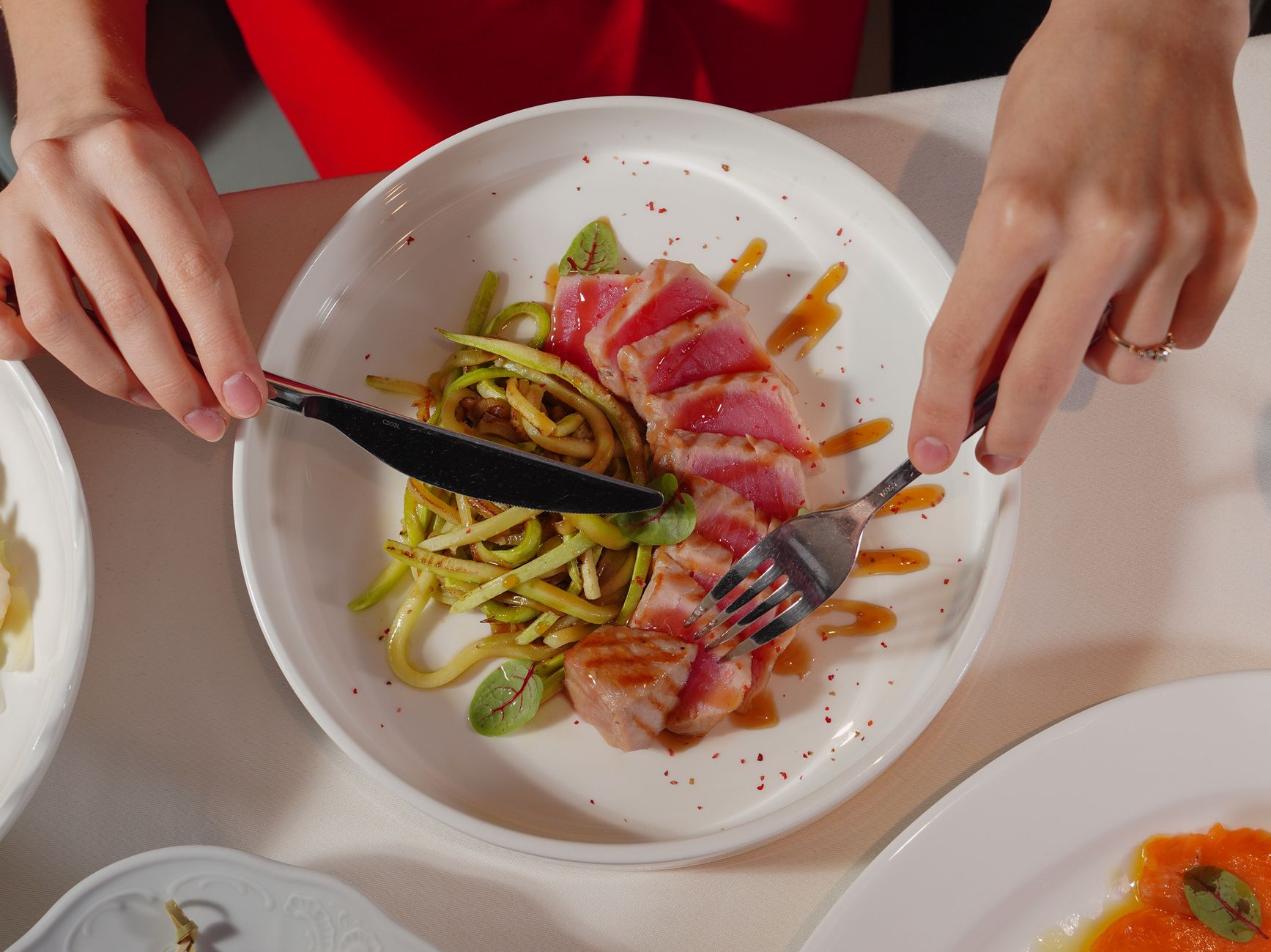
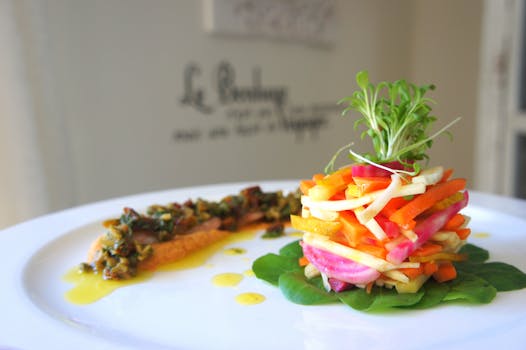 Photo: Delphine Hourlay / Pexels
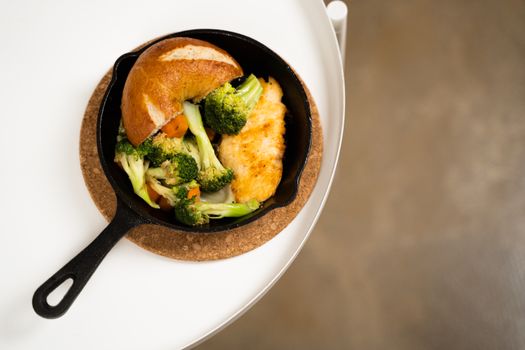 Photo: Cats Coming / Pexels
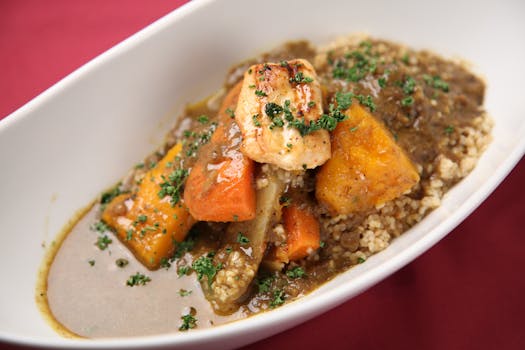 Photo: Zak Chapman / Pexels
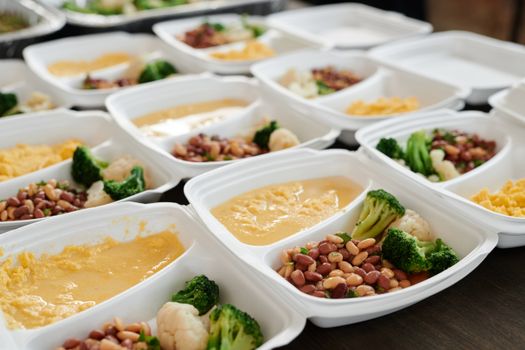 Photo: Julia M Cameron / Pexels