Master how to choose ripe avocados every time
how to choose ripe avocados

Master how to choose ripe avocados every time

Never suffer through an unripe or overripe avocado again with these foolproof selection techniques.

Find Your Perfect Avocado

Key Takeaways

  • ✓ Color is a starting point, but not the sole indicator of ripeness for all varieties.
  • ✓ The 'squeeze test' is crucial: a gentle yield indicates readiness.
  • ✓ Checking under the stem cap reveals the true inner color and freshness.
  • ✓ Understanding different avocado varieties helps in selection and storage.

How It Works

1
Observe the Color

For Hass avocados, look for a dark green to purplish-black hue. Lighter green varieties like Fuerte will retain their color even when ripe.

2
Perform the Gentle Squeeze Test

Hold the avocado in your palm and apply slight pressure. A ripe avocado will yield gently to the pressure, but won't feel mushy.

3
Check Under the Stem Cap

Pry off the small stem cap. If it's green or yellowish underneath, it's good to go. If it's brown, it's likely overripe; if it won't budge, it's unripe.

4
Consider the Weight and Feel

A ripe avocado will feel slightly heavier for its size. Avoid any that feel unusually light or have soft spots or indentations, as these can indicate spoilage.

Understanding Avocado Varieties and Their Ripeness Cues
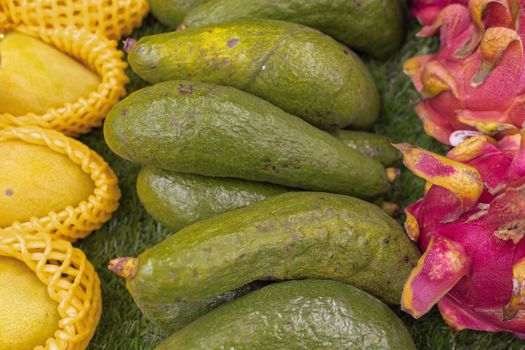
A vibrant display of tropical fruits including avocados, mangoes, and dragon fruit at a market. Photo: quang vinh / Pexels
The world of avocados is far more diverse than just the ubiquitous Hass, and understanding these differences is your first step in mastering how to choose ripe avocados. While Hass avocados dominate the US market, accounting for roughly 95% of all avocados consumed, knowing about other varieties can broaden your culinary horizons and refine your selection techniques. Hass avocados are characterized by their pebbly, dark green skin that blackens as they ripen. When perfectly ripe, a Hass avocado will have a dark, almost purplish-black skin and will yield gently to pressure. Their creamy texture and rich, nutty flavor make them a favorite for guacamole and salads. However, relying solely on color for ripeness can be misleading for other types. For instance, varieties like Fuerte, a pear-shaped avocado with smooth, thin, glossy green skin, retain their green color even when ripe. For these, the squeeze test and stem check become even more critical. Similarly, Pinkerton avocados, known for their elongated shape and small seed, also stay green when ready to eat. Reed avocados, large and round with thick, green, slightly pebbly skin, also maintain their green hue. The key takeaway here is that while color change is a reliable indicator for Hass, it’s not universal. Always combine visual cues with tactile examination. The subtle differences in skin texture and thickness across varieties also play a role in how they feel when ripe. A Fuerte's thin skin might feel a bit more delicate when ripe compared to the robust skin of a Reed. By familiarizing yourself with these common varieties, you can approach the avocado bin with confidence, knowing what to look for beyond just a dark skin. This foundational knowledge ensures you're not passing up a perfectly ripe Fuerte simply because it hasn't turned black, or conversely, picking an unripe Hass that's still stubbornly green. It's about recognizing the unique journey of each avocado type from firm and unripe to soft and ready for consumption. This diversity in ripening patterns underscores why a multi-sensory approach is essential for consistent success in selecting the perfect fruit. For more insights into different types of produce, consider exploring our guide on selecting fresh fruits and vegetables.

The Indispensable 'Squeeze Test' and Why It Matters
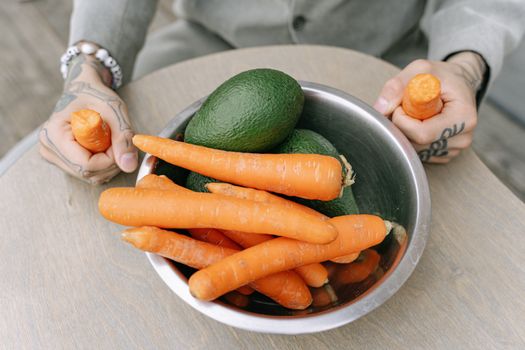
Tattooed person holding a steel bowl filled with fresh avocados and carrots on a wooden table. Photo: Ivan S / Pexels
Beyond visual cues, the squeeze test is arguably the most critical method in your arsenal for how to choose ripe avocados. This tactile examination provides direct feedback on the fruit's internal state, telling you whether it's firm, ripe, or overripe. To perform the squeeze test correctly, hold the avocado in the palm of your hand, not with your fingertips. Using your palm distributes the pressure evenly and prevents bruising the fruit, which can happen if you poke it with your fingers. Apply gentle, consistent pressure. A perfectly ripe avocado will yield slightly to this pressure, feeling soft but not mushy. It should have a subtle give, indicating that the flesh inside is creamy and ready to eat. If the avocado feels hard and unyielding, it's definitely unripe and needs more time. Conversely, if it feels very soft, mushy, or has noticeable indentations that don't spring back, it's likely overripe. Overripe avocados often have brown or stringy flesh and can develop an off-flavor. The ideal ripeness is a delicate balance, a sweet spot between firm and soft. This gentle yield signifies that the avocado's natural oils have fully developed, contributing to its signature rich flavor and smooth texture. It’s a skill that improves with practice, so don't be discouraged if your first few attempts aren't perfect. Pay attention to how different avocados feel; soon, you'll develop an intuitive sense for the perfect level of ripeness. Remember, consistency is key: gentle, even pressure across the entire fruit. Avoid avocados with soft spots in specific areas, as this can indicate bruising or internal spoilage, even if the rest of the fruit feels fine. These localized soft spots can quickly turn into larger areas of decay, ruining an otherwise good avocado. The squeeze test, when performed correctly, offers an immediate and reliable assessment that complements visual indicators, making you a true connoisseur of ripe avocados.

The Stem Test: A Peek into the Avocado's Soul
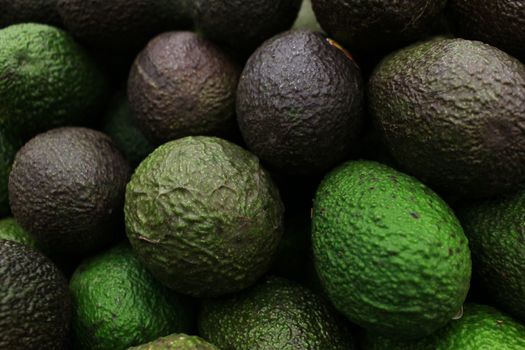
Close-up of ripe organic avocados showcasing their rich textured skin. Photo: Daniel Dan / Pexels
The stem test is a remarkably insightful method for how to choose ripe avocados, offering a direct glimpse into the fruit's internal condition. It's a simple, yet highly effective technique that can save you from cutting open an unripe or overripe avocado. To perform the stem test, gently try to flick off the small, woody stem cap at the top of the avocado. If the stem cap comes off easily and reveals a bright green or yellowish color underneath, you've likely found a winner. This vibrant color indicates that the avocado is ripe, fresh, and free from brown spots or bruising internally. It’s a clear sign of healthy, ready-to-eat flesh. If the stem cap is difficult to remove, or if it's firmly attached, the avocado is likely unripe. Forcing it off might damage the fruit. In this case, it needs more time to mature on your counter. Conversely, if the stem cap comes off very easily and reveals a dark brown or black color underneath, the avocado is probably overripe. Brown or black discoloration beneath the stem is a strong indicator that the flesh inside has started to brown and may be stringy or mushy. While some slight browning might be salvageable, extensive dark discoloration suggests the avocado has passed its prime. This test is particularly useful because it bypasses the potential deception of external bruising or uneven ripening. An avocado might look perfectly fine on the outside, but the stem test can reveal hidden issues. It's a quick, non-destructive way to confirm ripeness without having to cut into the fruit. Always be gentle when performing this test to avoid damaging the avocado if you decide not to purchase it. This simple act of checking under the stem cap provides invaluable information, making it an essential step in your avocado selection process. Combined with the squeeze test and color observation, the stem test offers a comprehensive approach to ensuring you bring home only the best. For tips on maximizing the freshness of your produce, see our guide on proper food storage techniques.

Common Mistakes to Avoid and Expert Tips for Perfect Ripeness
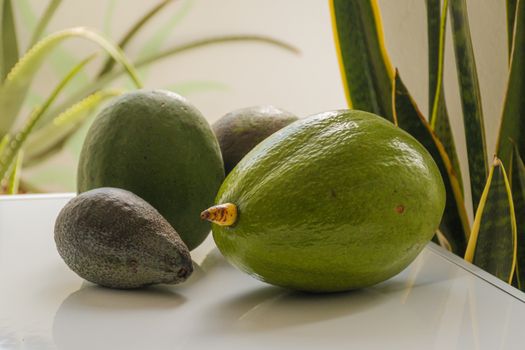
Close-up of ripe avocados on a white surface, perfect for healthy eating visuals. Photo: Gilmer Diaz Estela / Pexels
Even with the best intentions, it's easy to make mistakes when learning how to choose ripe avocados. Avoiding these common pitfalls can significantly improve your success rate. One major mistake is solely relying on color. As discussed, while Hass avocados darken, many other varieties remain green when ripe. Another error is squeezing too hard or using fingertips, which can bruise the fruit. Always use your palm and apply gentle pressure. Ignoring soft spots is another common pitfall; a single soft spot can indicate internal spoilage, even if the rest of the avocado feels fine. Lastly, forgetting to check under the stem cap means missing a crucial internal indicator of freshness. Here are some expert tips to ensure you always pick the perfect avocado: * **Buy a Range of Ripeness:** If you plan to eat avocados throughout the week, purchase a few that are ripe and ready to eat, and a few that are firmer. This staggered approach ensures you always have a ripe avocado when you need one, preventing waste and last-minute avocado emergencies. * **Ripen at Home:** If you bring home unripe avocados, you can speed up the ripening process. Place them in a brown paper bag with a banana or apple. These fruits release ethylene gas, a natural plant hormone that accelerates ripening. Check daily, as they can ripen quickly. * **Slow Down Ripening:** To extend the life of a ripe avocado, store it in the refrigerator. The cold temperature significantly slows down the ripening process, giving you a few extra days to enjoy it. Only refrigerate once it's ripe; refrigerating unripe avocados can halt the ripening process permanently. * **Know Your Source:** Farmers' markets or specialty produce stores often have more knowledgeable staff who can guide you to the ripest avocados or advise on ripening. Don't hesitate to ask for recommendations. * **Trust Your Gut (and Nose):** While less common, a truly overripe or spoiled avocado may emit a slightly sour or unpleasant odor. If an avocado smells off, it's best to avoid it, regardless of other indicators. By incorporating these tips and avoiding common mistakes, you'll not only master how to choose ripe avocados but also learn how to manage their ripeness to fit your culinary schedule, ensuring optimal flavor and texture every time.

Comparison

FeaturePerfectly RipeUnripeOverripe
Color (Hass)Dark green to purplish-blackBright greenVery dark, dull black
Squeeze TestYields gently to pressureHard, no giveVery soft, mushy, indentations
Stem Cap TestRemoves easily, green/yellow underneathHard to remove, green underneathRemoves easily, brown/black underneath
TextureCreamy, smoothFirm, slightly waxyStringy, watery, discolored
FlavorRich, nutty, butteryGrassy, bland, bitterSour, off-flavor, unpleasant

What Readers Say

"I used to struggle so much with avocados, always cutting into an unripe one or finding it brown inside. This guide on how to choose ripe avocados completely changed my approach. The stem test is a game-changer!"

Sarah J. · Austin, TX

"Finally, I understand the difference between varieties! I was always confused why some green ones never turned black. Now I use the squeeze test and stem cap method, and my guacamole has never been better."

Mark L. · Seattle, WA

"Following these steps, I managed to pick three perfectly ripe avocados for my brunch. The key was definitely combining the color, feel, and stem cap check – 100% success rate!"

Jessica R. · Miami, FL

"Very comprehensive guide. I've been using the squeeze test for years, but the detail on different varieties and the stem test added a lot to my understanding. Still occasionally pick a slightly firm one, but much less often."

David P. · Denver, CO

"As a chef, knowing how to choose ripe avocados efficiently is crucial for my daily prep. This article consolidates all the best techniques and even includes tips for ripening and storage, which is incredibly useful for managing inventory."

Emily K. · New York, NY

Frequently Asked Questions

What's the absolute best way to tell if an avocado is ripe?

The most reliable method combines three techniques: checking the color (especially for Hass), performing a gentle squeeze test in your palm for a slight yield, and most importantly, prying off the stem cap to reveal a green or yellowish color underneath. A combination of these indicators offers the highest chance of selecting a perfectly ripe avocado.

I bought a hard avocado. How can I ripen it faster?

To speed up ripening, place the unripe avocado in a brown paper bag. For even faster results, include a ripe banana or apple in the bag. These fruits release ethylene gas, a natural ripening agent. Check the avocado daily for desired ripeness, as it can go from firm to ripe quite quickly.

How do I store ripe avocados to keep them fresh longer?

Once an avocado is perfectly ripe, you can significantly slow down its ripening process by storing it in the refrigerator. Place the whole, uncut avocado in the crisper drawer. This can extend its freshness by several days, giving you more time to use it before it becomes overripe.

Are organic avocados better than conventional ones for ripeness?

The ripeness of an avocado is not directly linked to whether it's organic or conventional. Both organic and conventionally grown avocados follow the same ripening processes. Your best bet for ripeness will always be to apply the selection techniques (color, squeeze, stem test) regardless of the farming method.

What if an avocado is ripe but has a few black spots inside?

Small, isolated black spots can sometimes be a sign of minor bruising or oxidation. If the rest of the avocado flesh is green and healthy, you can usually just cut out the black spots and eat the rest. However, if the spots are extensive, mushy, or accompanied by an off-odor, it's best to discard the avocado as it may be spoiled.

Who should use these avocado ripeness tips?

Anyone who buys or consumes avocados will benefit from these tips! From home cooks and culinary enthusiasts looking to perfect their guacamole, to professional chefs needing consistent quality, and even casual snackers who want to avoid the disappointment of an unripe or overripe fruit. These techniques are universally applicable.

Is it safe to eat an avocado that's slightly brown inside?

Slight browning, especially immediately after cutting, is usually due to oxidation and is generally safe to eat. You can scrape off the brown layer, or if it's minimal, consume it. However, if the browning is extensive, mushy, or accompanied by a sour smell, it indicates spoilage and should not be eaten.

Will there be new ways to determine avocado ripeness in the future?

Research into non-invasive ripeness detection is ongoing, with technologies like near-infrared spectroscopy being explored. While these might be used commercially in the future, for now, the sensory methods (look, touch, stem-check) remain the most practical and reliable for consumers in the grocery store.

Armed with this comprehensive guide, you are now an expert in how to choose ripe avocados. Say goodbye to guesswork and hello to consistently perfect, creamy avocados for all your culinary creations. Go forth and select with confidence!

Topics: how to choose ripe avocadosavocado ripeness testripe avocado signspicking avocadosavocado selection guide
Leo List
Brampton weed
Adultwork EstrelaBet Vai de Bet R7 Bet Betão Galera Bet Rainbet Bet9ja Shop SportyBet BetKing Sisal Loto Foot Hollywoodbets YesPlay Odibets RushBet Jugabet BetWarrior BetCity MSport betPawa Fortebet