✓ Color is a good indicator but not the only one; touch is crucial.
✓ The stem test (popping off the stem cap) is highly reliable.
✓ Different avocado varieties ripen differently.
✓ A perfectly ripe avocado yields to gentle pressure, but isn't mushy.
How It Works
1
Observe the Color
Most Hass avocados turn a darker green or almost black when ripe. However, color can vary by variety and isn't the sole determinant.
2
Perform the Stem Test
Gently try to flick off the small stem cap. If it comes off easily and reveals green underneath, it's likely ripe. If it's brown, it might be overripe.
3
Feel for Firmness
Gently cup the avocado in your palm and apply slight pressure. A ripe avocado will yield slightly, like a firm pear, but should not feel mushy or hard.
4
Check for Blemishes
Avoid avocados with large soft spots, indentations, or bruised areas, as these often indicate internal spoilage or damage.
Understanding Avocado Ripeness: More Than Just Color
Photo: quang vinh / Pexels
Avocados, particularly the popular Hass variety, have become a staple in kitchens across the United States. From creamy guacamole to nutrient-rich salads and trendy avocado toast, their versatility is unmatched. However, the joy of a perfectly ripe avocado can quickly turn to disappointment if you pick one that's too hard or, worse, already brown and stringy inside. The quest for the ideal avocado often feels like a culinary lottery, but it doesn't have to be. Mastering how to choose ripe avocados is a skill that can be easily learned, transforming your cooking and dining experiences. It's about moving beyond just looking at the skin color and understanding the subtle cues the fruit provides.
The common misconception is that a dark skin automatically equates to ripeness. While Hass avocados do darken as they mature, this is only one piece of the puzzle. Other varieties, like Fuerte or Bacon, retain a greener hue even when perfectly ripe. This is why a multi-sensory approach is crucial. You need to engage your sight, touch, and even a little intuition to make the best selection. Think of it as a detective mission, where each clue leads you closer to the perfect specimen. An unripe avocado is firm, almost rock-hard, and will taste bitter and unappetizing. Its flesh will be pale green and difficult to mash. On the other hand, an overripe avocado will be mushy to the touch, with dark brown or black spots inside, often accompanied by stringy textures and an off-putting flavor. The sweet spot, the perfectly ripe avocado, offers a creamy, buttery texture and a rich, nutty flavor that elevates any dish it graces. It's this delicate balance we aim to achieve every time you shop. Ignoring these signs can lead to culinary frustration, wasted food, and a less enjoyable meal. By understanding the nuances of ripeness, you empower yourself to consistently select the best avocados, ensuring every bite is as delicious as intended. This comprehensive guide will delve into each indicator, providing you with the knowledge to confidently navigate the produce aisle and always emerge victorious in your avocado hunt. It's a fundamental skill for anyone who loves fresh, flavorful food. For more tips on selecting fresh produce, explore our other guides.
The Definitive Avocado Ripeness Test: Touch and Stem
Photo: quang vinh / Pexels
When it comes to selecting the perfect avocado, the most reliable indicators are often found through a combination of touch and a quick check of the stem end. These methods provide a more accurate assessment of the fruit's internal state than color alone, especially given the variability across different avocado types and growing conditions. The 'gentle squeeze' test is paramount. To perform this, cradle the avocado in the palm of your hand rather than pressing with your fingertips. Applying pressure with fingertips can bruise the fruit, even if it's ripe. With your palm, gently apply slight, even pressure. A perfectly ripe avocado will yield to this pressure, feeling slightly soft but not mushy. It should have a subtle give, similar to how a ripe peach or pear feels. If the avocado feels hard and unyielding, it is unripe and will need several days to soften. Conversely, if it feels very soft, mushy, or has noticeable indentations, it's likely overripe and may have brown spots or an unpleasant texture inside. The key is that 'gentle' pressure; you're not trying to squish it, just detect its internal resistance.
Another highly effective and often overlooked technique is the 'stem test.' This involves gently attempting to flick off the small, woody stem cap at the top of the avocado. If the stem cap comes off easily and reveals a bright green color underneath, congratulations – you've found a perfectly ripe avocado. The green color indicates fresh, healthy flesh. If the stem cap is difficult to remove, the avocado is likely still unripe. If it comes off easily but reveals a brown or dark color underneath, the avocado is likely overripe, and the flesh beneath might already be bruised or discolored. This brown discoloration is a strong indicator of oxidation and spoilage. Sometimes, the stem cap might fall off on its own in the store; while this isn't necessarily a bad sign, it does mean the fruit is more exposed to air and might ripen faster or be more prone to spoilage if not consumed quickly. Combining the gentle squeeze with the stem test provides a robust and almost foolproof method for assessing ripeness, giving you confidence in your selection and ensuring you bring home an avocado that's ready to enjoy immediately or within a day or two. This dual approach minimizes the guesswork and maximizes your chances of culinary success.
Beyond the Basics: Varieties and Ripening at Home
Photo: David Rado / Pexels
While the Hass avocado dominates the market, it's important to recognize that not all avocados behave the same way when it comes to ripening. Different varieties have distinct characteristics that influence their appearance and texture at peak ripeness. For instance, while Hass avocados typically darken from green to a purplish-black as they ripen, varieties like Fuerte, Bacon, or Zutano often remain green even when perfectly ready to eat. For these greener varieties, the tactile test – the gentle palm squeeze – becomes even more critical. Relying solely on color for these types would lead you to consistently pick unripe fruit. Understanding the variety you're looking at can significantly improve your selection success. If you're unsure, ask a produce manager or look for labels that specify the variety.
What happens if you bring home an avocado that's not quite ripe? Don't despair! You can easily ripen avocados at home. The most common and effective method is to place them in a brown paper bag with an apple or banana. These fruits release ethylene gas, a natural plant hormone that accelerates the ripening process. The paper bag traps this gas, concentrating it around the avocado and speeding up its maturation. Check the avocado daily using the gentle squeeze and stem test to monitor its progress. Depending on how unripe it was to begin with, this process can take anywhere from one to five days. Avoid placing avocados in the refrigerator before they are ripe, as the cold temperature will halt the ripening process indefinitely. Once an avocado is ripe, however, refrigeration is your best friend. Storing ripe avocados in the fridge can extend their shelf life by several days, allowing you to enjoy them at your leisure without worrying about them over-ripening too quickly. If you've cut open a ripe avocado and only used half, store the remaining half with the pit intact, wrapped tightly in plastic wrap or placed in an airtight container, to minimize air exposure and slow down oxidation. A little lemon or lime juice squeezed over the exposed flesh can also help prevent browning. These simple home ripening and storage techniques are invaluable for anyone who loves avocados and wants to minimize waste. Learn more about food storage best practices to keep your produce fresh longer.
Common Mistakes and Expert Tips for Perfect Avocado Selection
Photo: Engin Akyurt / Pexels
Even with the best intentions, it's easy to make mistakes when choosing avocados. Avoiding these common pitfalls can significantly improve your success rate. One of the most frequent errors is judging ripeness solely by color. As discussed, this is unreliable, especially for non-Hass varieties. Another mistake is squeezing too hard with your fingertips, which can cause internal bruising that won't be apparent until you cut the avocado open. Always use the gentle palm test. Overlooking the stem cap is another missed opportunity; it's a quick and highly accurate indicator. Lastly, many people buy avocados and then store them incorrectly, either refrigerating them too soon or leaving ripe ones out on the counter to spoil.
Here are some expert tips to ensure you always pick and enjoy the perfect avocado:
* **Buy in Stages:** If you plan to use avocados over several days, purchase a mix of ripeness levels. Grab a few that are perfectly ripe for immediate use, and a few harder ones that will ripen over the next few days. This strategy ensures a steady supply of ready-to-eat avocados.
* **Consider Organic:** While not directly related to ripeness, organic avocados are often handled with more care and may have fewer blemishes. They also support sustainable farming practices.
* **Check the Neck:** Sometimes, the neck of the avocado (the area just below the stem) can be a good indicator. If it feels soft while the rest is firm, it might be starting to over-ripen from the top down.
* **Don't Fear the Green:** For non-Hass varieties, embrace the green color and rely heavily on the gentle palm squeeze and stem test. Their skin won't darken significantly.
* **Use Your Nose (Carefully):** While not a primary test, a very faint, pleasant, slightly nutty aroma can sometimes be detected from a ripe avocado. If it smells sour or fermented, it's definitely overripe.
* **Batch Ripening:** If you need several avocados ripe for a party, use the brown paper bag method with multiple fruits. Just ensure they have enough space and check them regularly.
* **Know Your Source:** Farmers' markets often have fresher avocados, and you can sometimes get advice directly from the grower about their specific varieties.
By incorporating these tips into your routine, you'll develop an intuitive understanding of avocado ripeness, making you a true expert in the produce aisle and ensuring every avocado experience is a delightful one.
Comparison
Feature
Perfectly Ripe
Unripe
Overripe
Color (Hass)
Dark green/purplish-black
Bright green
Very dark, nearly black
Touch/Firmness
Yields to gentle pressure
Hard, no give
Mushy, soft spots
Stem Test (Under Cap)
Green
Difficult to remove
Brown/Dark
Internal Flesh
Creamy, vibrant green
Pale green, hard
Brown spots, stringy
Flavor
Rich, nutty, buttery
Bitter, bland
Sour, off-flavor
Storage Potential (Uncut)
1-2 days (refrigerated)
3-7 days (counter)
Immediate use only
What Readers Say
★★★★★
"This guide completely changed my avocado game! I used to just pick the darkest ones, but the stem test and gentle squeeze advice are gold. Now my guacamole is consistently amazing."
Sarah J. · Austin, TX
★★★★★
"I was always frustrated by buying hard avocados. Following these steps, especially the brown bag trick with a banana, has made sure I always have ripe ones when I need them. So helpful!"
Mark D. · Seattle, WA
★★★★★
"The information about different avocado varieties was a revelation. I used to avoid the greener ones, but now I know what to look for and have expanded my options. My avocado toast has never been better!"
Emily R. · Miami, FL
★★★★★
"Mostly great advice. I still occasionally get one that's a bit stringy, but my success rate has definitely gone up from about 50% to 90%. The tips on buying in stages are particularly smart."
David L. · Denver, CO
★★★★★
"As a chef, I appreciate the depth of this article. The detailed explanations of the touch and stem tests are exactly what people need to confidently choose ripe avocados for professional or home cooking."
Jessica M. · Chicago, IL
Frequently Asked Questions
What is the absolute best way to tell if an avocado is ripe?
The most reliable method is a combination of the 'gentle palm squeeze' and the 'stem test.' A ripe avocado will yield slightly to gentle pressure and, when the stem cap is removed, reveal a bright green color underneath. If it's hard, it's unripe; if it's mushy or shows brown under the stem, it's overripe.
My avocado is hard; how long will it take to ripen?
The ripening time for a hard avocado can vary depending on its initial maturity. Generally, it can take anywhere from 3 to 7 days at room temperature. You can accelerate this by placing it in a brown paper bag with an apple or banana.
How do I ripen an avocado faster at home?
To ripen an avocado faster, place it in a brown paper bag with a ripe apple or banana. These fruits release ethylene gas, which is a natural ripening agent. Fold the bag closed to trap the gas and check the avocado daily.
Are organic avocados better than conventional ones for ripeness?
Organic certification primarily relates to farming practices (absence of synthetic pesticides, etc.), not directly to ripeness. However, organic avocados may sometimes be handled with more care due to their premium status, potentially leading to fewer blemishes. The ripeness indicators remain the same regardless of organic status.
Can I eat an avocado that has some brown spots inside?
Small, isolated brown spots, especially around the pit, can sometimes be cut away, and the rest of the avocado is still safe to eat. However, if the avocado is largely discolored, mushy, or stringy, it's best to discard it as it will likely have an unpleasant taste and texture.
Who should be particularly careful when choosing avocados?
Anyone planning a specific dish that heavily relies on avocado texture, like guacamole or avocado slices for a salad, should be particularly careful. Chefs, home cooks, and anyone on a strict budget wanting to avoid food waste will benefit greatly from mastering avocado selection.
Is it safe to eat unripe avocado?
While not toxic, unripe avocado is generally unpalatable. It has a hard, bland, and sometimes bitter flesh, making it unpleasant to eat. It's best to wait until it's ripe to enjoy its creamy texture and rich flavor.
What's the future trend for avocado availability and ripeness guidance?
As avocado consumption continues to grow, we can expect more advanced sorting technologies in stores, potentially even smart labels indicating ripeness. There might also be a greater variety of pre-ripened avocados available, along with more educational resources from grocers to help consumers make informed choices.
Armed with this comprehensive guide, you now possess the expertise to confidently choose ripe avocados every single time. Say goodbye to culinary disappointments and hello to perfectly creamy, flavorful avocados in all your dishes. Start applying these techniques on your next grocery run and elevate your avocado experience!

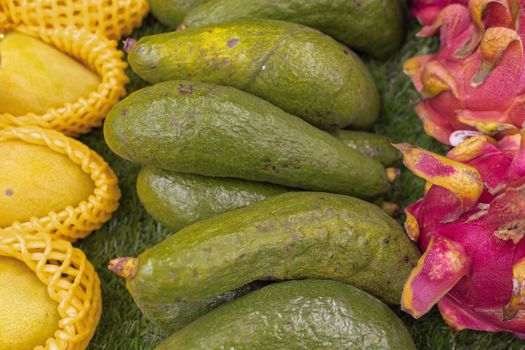 Photo: quang vinh / Pexels
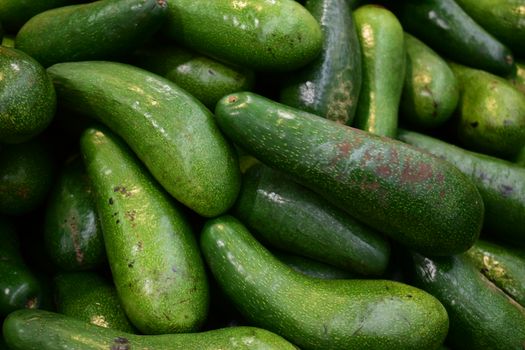 Photo: David Rado / Pexels
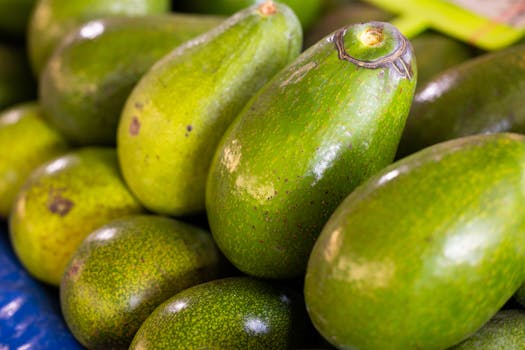 Photo: Engin Akyurt / Pexels