How to Cook Perfect Quinoa Every Time: Your Ultimate Guide
how to cook perfect quinoa every time

How to Cook Perfect Quinoa Every Time: Your Ultimate Guide

Unlock the secrets to consistently fluffy, delicious quinoa that elevates any meal with ease.

Start Cooking Now

Key Takeaways

  • ✓ Rinsing quinoa is crucial for removing bitter saponins.
  • ✓ The ideal water-to-quinoa ratio is 2:1 for stove-top cooking.
  • ✓ Allowing quinoa to rest after cooking ensures maximum fluffiness.
  • ✓ Quinoa is a complete protein, making it highly nutritious.

How It Works

1
Rinse Thoroughly

Place quinoa in a fine-mesh sieve and rinse under cold running water for at least 30 seconds. This removes saponins, the natural coating that can cause a bitter taste.

2
Combine & Boil

Add rinsed quinoa and water (or broth) to a pot in a 1:2 ratio. Bring the mixture to a rolling boil over medium-high heat, then reduce heat immediately.

3
Simmer & Absorb

Cover the pot tightly and simmer on low heat for 15 minutes, or until all the liquid is absorbed. Avoid lifting the lid during this crucial phase.

4
Fluff & Serve

Remove the pot from heat and let it stand, covered, for 5-10 minutes. This steaming period allows the quinoa to fully fluff. Finally, uncover, fluff with a fork, and serve.

Understanding Quinoa: The Nutritional Powerhouse
Vast cornfield reaching towards a bright blue sky with scattered clouds, symbolizing rural agriculture. Photo: Nino Sanger / Pexels
Quinoa, often mistaken for a grain, is actually a seed from a plant called Chenopodium quinoa. Originating in the Andes region of South America, it has been a staple food for thousands of years, revered by the Incas as the 'mother of all grains.' What makes quinoa so exceptional is its incredible nutritional profile. Unlike most plant-based foods, quinoa is a complete protein, meaning it contains all nine essential amino acids that our bodies cannot produce on their own. This makes it an invaluable food source for vegetarians, vegans, and anyone looking to boost their protein intake. Beyond protein, quinoa is packed with fiber, which aids in digestion, promotes satiety, and helps regulate blood sugar levels. A single cup of cooked quinoa can provide a significant portion of your daily fiber needs. It's also an excellent source of essential minerals such as magnesium, potassium, iron, zinc, and phosphorus, all vital for various bodily functions from bone health to energy production. Furthermore, quinoa is rich in antioxidants, compounds that help protect your cells from damage caused by free radicals. These antioxidants contribute to overall health and may reduce the risk of chronic diseases. For those with gluten sensitivities or celiac disease, quinoa is naturally gluten-free, offering a safe and nutritious alternative to wheat-based grains. Its versatility in the kitchen is another reason for its widespread popularity. From breakfast bowls to hearty salads, side dishes, and even desserts, quinoa can be incorporated into almost any meal. Its mild, slightly nutty flavor and delightful texture make it a fantastic canvas for various cuisines and flavor profiles. Learning how to cook perfect quinoa every time is not just about mastering a recipe; it's about unlocking a world of healthy, delicious possibilities for your diet. With its low glycemic index, it's also a great option for managing blood sugar, and its sustained energy release makes it a favorite among athletes and health-conscious individuals. The journey to perfect quinoa begins with understanding its unique characteristics and preparing it correctly to maximize both flavor and nutritional benefits. This foundation will set you up for success in achieving consistently fluffy and delicious results.

The Essential Pre-Cooking Steps: Rinsing and Ratio
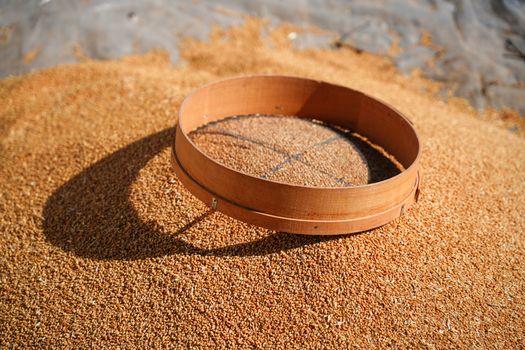
A wooden sieve resting on a pile of wheat grains, sunlit and outdoors. Photo: Yunus Tuğ / Pexels
Before you even think about turning on the stove, two crucial steps will dictate the success of your quinoa: rinsing and establishing the correct water-to-quinoa ratio. Many home cooks skip the rinsing step, only to be met with a bitter aftertaste in their finished dish. This bitterness comes from saponins, a natural, soap-like coating on quinoa seeds that acts as a natural defense mechanism against birds and insects. While most commercially packaged quinoa is pre-rinsed, an extra rinse at home ensures you remove any remaining saponins, guaranteeing a clean, mild flavor. To rinse properly, place your desired amount of dry quinoa in a fine-mesh sieve. Hold the sieve under cold running water, swirling the quinoa with your fingers for at least 30-60 seconds. You might even see a slight foamy residue, which indicates the saponins being washed away. Continue rinsing until the water runs clear. This simple step is non-negotiable if you want to cook perfect quinoa every time. Once rinsed, the next critical factor is the liquid-to-quinoa ratio. For stove-top cooking, the golden rule is a 2:1 liquid-to-quinoa ratio. This means for every one cup of dry quinoa, you will need two cups of liquid. While water is perfectly fine, using vegetable or chicken broth can infuse your quinoa with an extra layer of flavor, making it even more delicious. Some recipes might suggest a slightly lower ratio, like 1.75:1, especially if you prefer a drier, more separate grain. However, the 2:1 ratio is generally foolproof for achieving a fluffy, perfectly cooked texture without being mushy. It allows the quinoa to fully absorb the liquid, plump up, and develop its characteristic texture. Measuring accurately is key here. Avoid eyeballing, as even slight deviations can impact the final result. Use proper measuring cups for both the quinoa and the liquid. Some people prefer to toast their quinoa lightly in a dry pan for a few minutes after rinsing and before adding liquid. This can enhance its nutty flavor, adding another dimension to your dish. While not strictly necessary for perfect texture, it's a technique worth exploring for flavor enhancement. These foundational steps – thorough rinsing and precise liquid measurement – are the bedrock upon which consistently amazing quinoa is built. Neglect them, and you risk a bitter, gummy, or overly dry result. Master them, and you're well on your way to culinary success.

Mastering the Cooking Process: From Simmer to Fluff
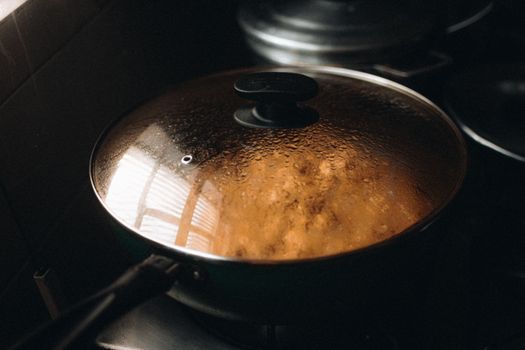
Close-up of a steaming lidded pan on a stovetop, illustrating home cooking ambiance. Photo: Daniel's Richard / Pexels
With your quinoa rinsed and your liquid measured, the actual cooking process is remarkably straightforward, yet it requires attention to a few key details to ensure perfection. The goal is to cook the quinoa until all the liquid is absorbed, the germ separates from the seed, forming a tiny white ring around each grain, and the texture is light and fluffy, not sticky or clumpy. Start by combining your rinsed quinoa and measured liquid (water or broth) in a medium saucepan. Add a pinch of salt if using water – this enhances the flavor significantly. Bring the mixture to a rolling boil over medium-high heat. As soon as it reaches a vigorous boil, reduce the heat immediately to the lowest setting. This transition from boil to simmer is crucial. Covering the pot tightly is the next vital step. A tight-fitting lid traps the steam, allowing the quinoa to cook evenly and absorb the liquid efficiently. Resist the urge to lift the lid during the cooking process, as this releases valuable steam and heat, prolonging cooking time and potentially leading to unevenly cooked grains. Set a timer for 15 minutes. During this time, the quinoa will gently simmer, and the liquid will gradually be absorbed. After 15 minutes, most, if not all, of the liquid should be gone. You can quickly peek to confirm absorption, but try to do so only once. Once the liquid is absorbed, remove the pot from the heat. This is where many people make a mistake by serving it immediately. The most important step for achieving truly fluffy quinoa is the resting period. Leave the pot covered and let it stand off the heat for another 5 to 10 minutes. This allows the residual steam to finish cooking the quinoa, ensuring every grain is tender yet separate, and prevents it from becoming mushy. Think of it like letting a steak rest after cooking – it redistributes moisture and improves texture. Finally, uncover the pot and use a fork to gently fluff the quinoa. Avoid using a spoon, as it can mash the delicate grains. The fork separates the cooked quinoa, creating that signature light and airy texture. You should see individual grains, each with its tiny white germ visible, indicating it’s perfectly cooked. This entire process, from simmering to resting and fluffing, is designed to extract the best possible texture and flavor from your quinoa. By following these steps meticulously, you'll consistently achieve restaurant-quality quinoa that forms a perfect base for any meal. For additional flavor, consider adding a bay leaf or a few sprigs of fresh herbs to the cooking liquid, or a pat of butter after fluffing. Cooking perfect quinoa is a skill that pays dividends in delicious and healthy meals.

Common Quinoa Cooking Mistakes and How to Avoid Them
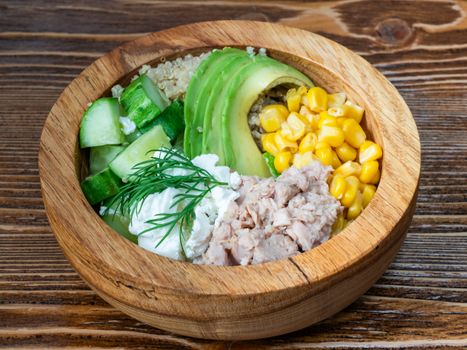
A fresh salad bowl featuring tuna, avocado, quinoa, and veggies. Perfect for a healthy meal. Photo: Rasul Yarichev / Pexels
Even with the best intentions, it's easy to fall into common traps when cooking quinoa. Recognizing these pitfalls and knowing how to steer clear of them is key to consistently achieving that coveted fluffy result. Here are some of the most frequent mistakes and expert tips to ensure your quinoa is always perfect: * **Not Rinsing Quinoa Thoroughly (or at all):** As discussed, this is the number one culprit for bitter-tasting quinoa. Even if the package says 'pre-rinsed,' a quick rinse under cold water in a fine-mesh sieve is always a good idea. Don't skip it! * **Incorrect Liquid-to-Quinoa Ratio:** Too much liquid leads to mushy, overcooked quinoa, while too little results in dry, undercooked grains. Stick to the 2:1 liquid-to-quinoa ratio for stovetop cooking. Measure precisely! * **Lifting the Lid During Simmering:** This releases precious steam, which is essential for even cooking. The trapped steam helps the quinoa cook thoroughly and evenly. Resist the urge to peek! If you must check, do it quickly right at the 15-minute mark. * **Cooking on Too High Heat:** Once the liquid comes to a boil, immediately reduce the heat to the lowest setting for simmering. High heat can cause the liquid to evaporate too quickly, leading to burnt bottom layers and undercooked top layers. * **Not Allowing for Resting Time:** This is a surprisingly common oversight. The 5-10 minute resting period, covered and off the heat, allows the quinoa to absorb any remaining moisture and steam, making it incredibly fluffy and preventing it from becoming gummy. It's a non-negotiable step for optimal texture. * **Stirring Quinoa While It Cooks:** Unlike rice, which benefits from some stirring in certain preparations, stirring quinoa during its simmer phase can break up the delicate grains and release starch, leading to a gluey texture. Let it cook undisturbed. * **Using a Spoon to Fluff:** After resting, a fork is your best friend. A spoon can mash the grains together, undoing all your hard work. Gently fluff with a fork to separate the individual grains and achieve that desirable airy texture. By being mindful of these common mistakes, you can elevate your quinoa cooking from hit-or-miss to consistently perfect. Each tip contributes to the overall success, ensuring every batch of quinoa you make is a testament to your culinary prowess.

Comparison

FeatureStovetop MethodRice Cooker MethodInstant Pot Method
Ease of ControlHighMediumHigh
Time (Active)1 min1 min1 min
Time (Total)25-30 mins20-25 mins15-20 mins
Texture ConsistencyExcellentVery GoodExcellent
Hands-Off CookingLow (needs monitoring)HighHigh
Rinsing Required
Water Ratio (Quinoa:Liquid)1:21:21:1.25 (approx)

What Readers Say

"I used to dread cooking quinoa because it always turned out mushy. Following this guide on how to cook perfect quinoa every time, especially the rinsing and resting tips, completely changed my game. It's fluffy and delicious now!"

Sarah J. · Austin, TX

"The detail on the saponins and the 2:1 ratio was a revelation. My quinoa used to be bitter, but not anymore. This article truly taught me how to cook perfect quinoa every time, I'm so grateful for the clear instructions."

Mark D. · Seattle, WA

"My family actually enjoys quinoa now! The resting period made all the difference in achieving that light, separate grain texture. This guide delivered exactly what it promised, perfect quinoa every single time."

Emily R. · Denver, CO

"While the stovetop method is fantastic, I found the Instant Pot ratio a little trickier to nail down consistently. Still, the general principles, especially the rinsing, have significantly improved my quinoa cooking overall."

David L. · Boston, MA

"As a busy mom, I needed a foolproof method. This guide for how to cook perfect quinoa every time is it! It's so easy to follow, and the quinoa comes out perfect for meal prepping for the week."

Jessica M. · Miami, FL

Frequently Asked Questions

What is the most important step to ensure quinoa isn't bitter?

The most crucial step to prevent bitter quinoa is thorough rinsing. Quinoa has a natural coating called saponins, which are bitter. Even if the package states 'pre-rinsed,' always rinse your quinoa under cold running water in a fine-mesh sieve for at least 30-60 seconds until the water runs clear. This removes any residual saponins, guaranteeing a clean and mild flavor.

My quinoa often turns out mushy. What am I doing wrong?

Mushy quinoa is usually a result of using too much liquid or overcooking. Ensure you are using the correct 2:1 liquid-to-quinoa ratio for stovetop cooking (1 cup quinoa to 2 cups liquid). Also, avoid lifting the lid during simmering and, most importantly, allow the cooked quinoa to rest, covered, off the heat for 5-10 minutes before fluffing. This resting period allows excess moisture to redistribute and evaporate, preventing mushiness.

How do I know when quinoa is perfectly cooked?

Perfectly cooked quinoa will have absorbed all the liquid, and each grain will appear fluffy and separate. You'll notice a tiny, translucent white 'tail' or ring around each grain, which is the germ separating from the seed. It should be tender but still have a slight al dente bite, not crunchy or hard, and certainly not mushy.

Is it better to cook quinoa with water or broth?

Both water and broth work well, but using broth (vegetable, chicken, or beef) will infuse your quinoa with significantly more flavor, making it a more delicious and savory side dish or base for meals. If using water, a pinch of salt is essential to enhance its natural taste. The choice depends on the desired flavor profile of your final dish.

Can I cook quinoa in a rice cooker or Instant Pot?

Yes, quinoa can be cooked successfully in both a rice cooker and an Instant Pot. For a rice cooker, use the same 2:1 liquid-to-quinoa ratio and the standard white rice setting. For an Instant Pot, the ratio is typically slightly less liquid, around 1:1.25 (1 cup quinoa to 1.25 cups liquid), cooked on high pressure for 1 minute with a natural release for 10 minutes. Always rinse quinoa before using any method.

Who should incorporate quinoa into their diet?

Quinoa is an excellent food for virtually everyone! It's particularly beneficial for vegetarians and vegans due to its complete protein profile, athletes needing sustained energy, individuals seeking to increase fiber intake for digestive health, and those looking for gluten-free grain alternatives. Its nutrient density makes it a healthy addition to any balanced diet.

Are there any risks associated with eating quinoa?

For most people, quinoa is very safe and beneficial. The main 'risk' is the bitter taste from unrinsed saponins, which is easily avoided by proper rinsing. Individuals with specific allergies to quinoa or other chenopod family plants (like spinach or beets) should avoid it, but such allergies are rare. Its high fiber content might cause mild digestive discomfort in sensitive individuals if consumed in very large quantities without adequate hydration, but this is uncommon.

What are the future trends in quinoa consumption and preparation?

Future trends for quinoa consumption are likely to include its continued rise in plant-based diets, increased use in global fusion cuisine, and innovative product development like quinoa pasta, flour, and snack bars. We may also see more emphasis on different colored quinoas (red, black) for visual appeal and slightly varied nutritional profiles, as well as a focus on sustainably sourced and fair-trade quinoa as consumer awareness grows.

Now that you're equipped with these expert techniques, you have everything you need to confidently cook perfect quinoa every time. Say goodbye to mushy or bitter results and hello to fluffy, flavorful grains that will elevate your meals and boost your nutrition. Get started today and transform your cooking!

Topics: how to cook perfect quinoa every timefluffy quinoa recipequinoa cooking methodsrinse quinoaquinoa water ratio
Leo List
Brampton weed
Adultwork EstrelaBet Vai de Bet R7 Bet Betão Galera Bet Rainbet Bet9ja Shop SportyBet BetKing Sisal Loto Foot Hollywoodbets YesPlay Odibets RushBet Jugabet BetWarrior BetCity MSport betPawa Fortebet