How to Cook Salmon Perfectly: A Master Guide for Delicious Fish

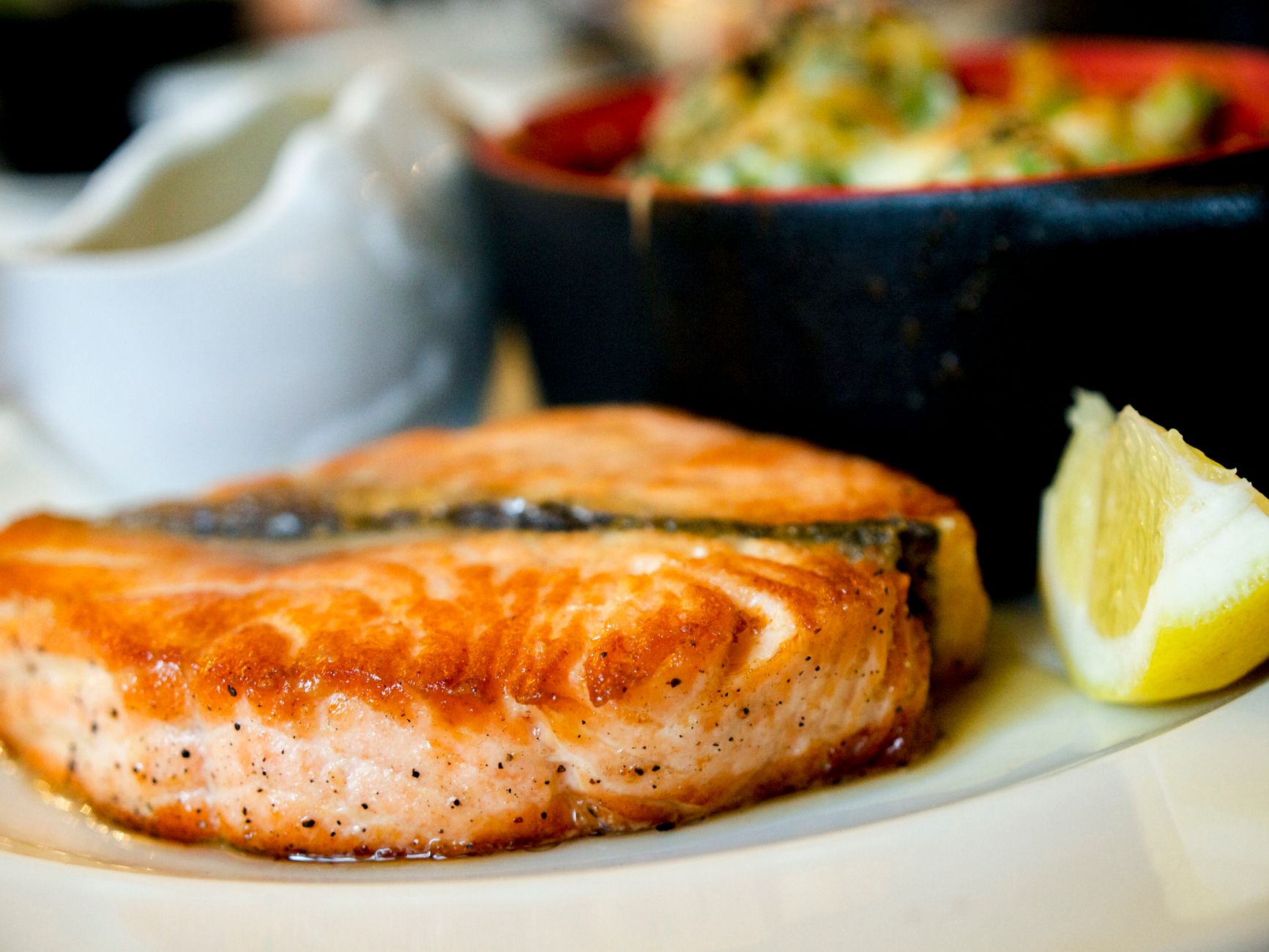
Delicious pan-seared salmon steak garnished with a lemon slice, showcasing a perfect dining experience.Photo: Krisztina Papp / Pexels

How to Cook Salmon Perfectly: A Master Guide for Delicious Fish

Achieve restaurant-quality, flaky, and flavorful salmon with our expert techniques and simple steps every time.

Cook Salmon Perfectly Now

Key Takeaways

  • ✓ Internal temperature for cooked salmon is 145°F (63°C).
  • ✓ High heat and short cooking times are often best for achieving crispy skin and moist flesh.
  • ✓ Wild-caught salmon typically has a richer flavor and firmer texture than farmed.
  • ✓ Seasoning generously is crucial for enhancing salmon's natural taste.

How It Works

1
Choose Your Salmon

Select fresh, high-quality salmon fillets, preferably with skin on. Look for vibrant color and a firm, moist texture.

2
Prepare and Season

Pat the salmon dry thoroughly to ensure crispy skin. Season generously with salt, pepper, and your preferred herbs or spices.

3
Select Cooking Method

Decide on your cooking method – pan-searing, baking, grilling, or air frying. Each offers unique benefits and results.

4
Monitor for Doneness

Cook until the salmon reaches an internal temperature of 145°F (63°C) and flakes easily with a fork. Avoid overcooking to prevent dryness.

Understanding Salmon Varieties and Freshness
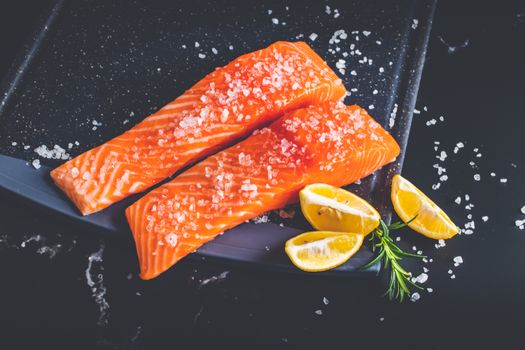
Close-up of raw salmon fillets garnished with salt, lemon wedges, and rosemary on a baking tray.Photo: Anastasia Yudin / Pexels
Before you can master how to cook salmon perfectly, you need to start with the best ingredients. Salmon isn't just 'salmon'; there are several distinct varieties, each offering unique characteristics in terms of flavor, texture, and fat content. The most common types you'll encounter in the US include Atlantic, Sockeye, Coho, King (Chinook), and Pink salmon. Atlantic salmon is almost exclusively farmed and known for its high fat content, mild flavor, and buttery texture, making it very forgiving to cook. Sockeye, a wild-caught variety, has a deep red color, firm texture, and robust flavor, but can dry out if overcooked. King salmon is prized for its rich, buttery taste and high omega-3 content, while Coho offers a milder flavor and medium fat. Pink salmon is smaller, has a lighter color, and is often used for canning. When selecting your salmon, freshness is paramount. Look for fillets that are vibrant in color, whether that's bright orange-red for Sockeye or a paler pink for Atlantic. The flesh should be firm and spring back when gently pressed, not mushy or slimy. Avoid any fish with a strong, 'fishy' odor; fresh salmon should smell clean and oceanic, if at all. If buying whole fish or steaks, the skin should be shiny and moist, and the eyes clear. Opt for skin-on fillets whenever possible, as the skin protects the delicate flesh from drying out during cooking and can crisp up beautifully, adding a textural contrast. Always check the 'packed on' or 'best by' date, and if buying from a fishmonger, don't hesitate to ask when the fish arrived. Choosing quality salmon is the first crucial step to ensure your efforts in how to cook salmon perfectly yield delicious results. For more on sourcing, check out our guide on choosing fresh seafood.

Essential Preparation Steps for Flawless Salmon
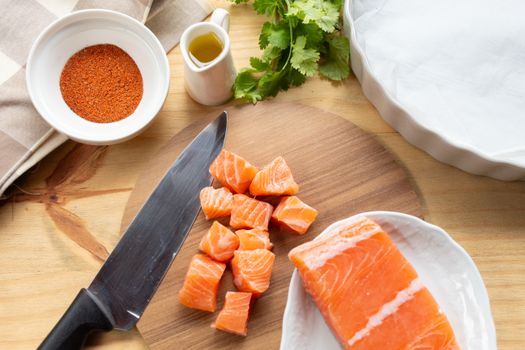
Top view of fresh salmon being prepared with spices and oil, perfect for a gourmet meal.Photo: Laura oliveira / Pexels
Perfectly cooked salmon begins long before it hits the heat. Proper preparation is key to achieving that desired flaky texture and crispy skin. The first and most critical step is to thoroughly pat your salmon fillets dry with paper towels. Moisture on the surface prevents browning and crispy skin, essentially steaming the fish instead of searing it. Take your time with this step, ensuring both the skin and flesh sides are as dry as possible. Next, inspect your fillets for any pin bones. These small, needle-like bones can be unpleasant to eat. Run your fingers along the flesh; if you feel any, use a pair of clean pliers or tweezers to pull them out at an angle, following the direction of the bone. This simple step significantly enhances the eating experience. Once dry and deboned, it's time for seasoning. Don't be shy with salt and pepper! A generous amount on both sides, especially on the skin, will draw out moisture and help create that coveted crispiness. Beyond the basics, consider your flavor profile. A simple sprinkle of garlic powder, paprika, or dried dill can elevate the taste without overpowering the salmon's natural richness. For a more adventurous palate, a light dusting of cumin, coriander, or a touch of cayenne can add depth. If you're using a marinade, ensure it's not too acidic or applied for too long, as this can 'cook' the fish before it even reaches the pan. Aim for 15-30 minutes for most salmon marinades. Proper preparation sets the stage for success, transforming a good piece of fish into a culinary masterpiece where you truly understand how to cook salmon perfectly.

Mastering the Art of Pan-Seared Salmon

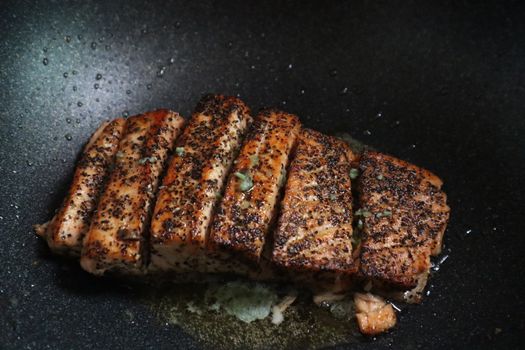
Sizzling grilled salmon steaks with herbs in a non-stick frying pan for a savory meal.Photo: Kevin Zamorano / Pexels
Pan-searing is arguably the most popular and effective method for how to cook salmon perfectly, yielding a beautifully crisp skin and moist, tender flesh. The key lies in high heat and careful timing. Start by choosing a heavy-bottomed pan, ideally cast iron or stainless steel, which retains heat well. Place the pan over medium-high heat and let it get hot – really hot – for about 2-3 minutes. Add a high smoke point oil like avocado, grapeseed, or canola oil, just enough to lightly coat the bottom of the pan. Once the oil shimmers and just begins to smoke, you're ready. Carefully place the salmon fillets skin-side down in the hot pan. Press down gently with a spatula for the first 10-15 seconds to ensure full contact between the skin and the pan, promoting even crisping. Resist the urge to move the fish! Let it cook undisturbed for 4-7 minutes, depending on the thickness of the fillet. You'll notice the flesh changing color, cooking up from the bottom. Once the skin is deeply golden brown and crispy, and about 70-80% of the fillet has turned opaque, flip the salmon. Cook on the flesh side for only 1-3 minutes, just until the salmon reaches an internal temperature of 145°F (63°C) at its thickest part. A meat thermometer is your best friend here to prevent overcooking. Remove from the pan immediately and let it rest for a minute or two before serving. This resting period allows the juices to redistribute, ensuring a succulent bite every time. For other protein cooking methods, explore our guide on perfectly cooked steak.

Tips, Tricks, and Common Mistakes to Avoid

Achieving perfectly cooked salmon consistently requires a few insider tips and an awareness of common pitfalls. Here's how to elevate your salmon game: * **Don't Overcook:** This is the cardinal sin of salmon cooking. Overcooked salmon is dry, tough, and loses its delicate flavor. Use an instant-read thermometer and aim for 145°F (63°C) internal temperature. Remember, it will continue to cook slightly after removal from heat. * **Pat Dry, Always:** As mentioned, moisture is the enemy of crispy skin. Dedicate time to thoroughly patting your fillets dry with paper towels before seasoning. * **High Heat for Searing:** Don't be afraid of a hot pan. High heat quickly creates a beautiful crust and locks in moisture. If your pan isn't hot enough, the salmon will stick and steam rather than sear. * **Let it Rest:** Just like steak, salmon benefits from a brief rest (1-2 minutes) after cooking. This allows the juices to redistribute, resulting in a more tender and flavorful fillet. * **Don't Flip Too Soon:** Especially when pan-searing, let the skin get truly crispy and release from the pan naturally before attempting to flip. If it's sticking, it's not ready. * **Season Generously:** Salmon has a rich flavor, but it benefits immensely from proper seasoning. Salt, pepper, and a touch of acid (lemon, vinegar) are your best friends. * **Consider Thickness:** Adjust cooking times based on the thickness of your fillet. Thicker pieces will require more time, thinner ones less. A good rule of thumb for many methods is 8-10 minutes per inch of thickness. * **Acid is Your Friend:** A squeeze of fresh lemon juice, a drizzle of balsamic glaze, or a dollop of a yogurt-dill sauce can brighten the flavor and cut through the richness of the salmon. Avoiding these common mistakes and incorporating these simple tips will dramatically improve your success rate in how to cook salmon perfectly, turning every meal into a gourmet experience. **Quick Tips for Other Methods:** * **Baking:** Bake at 400°F (200°C) for 12-15 minutes, often with a simple glaze or herbs. * **Grilling:** High heat, direct grilling, skin-side down first for 5-7 minutes, then flip for 2-4 minutes. * **Air Frying:** 375-400°F (190-200°C) for 10-15 minutes, flipping halfway. Ensure even cooking. * **Poaching:** Gentle simmering in flavorful liquid for 10-15 minutes for a delicate, moist result.

Comparison

FeaturePan-SearingBakingGrillingAir Frying
Crispy SkinExcellentGood (broil finish)ExcellentExcellent
Moisture RetentionExcellentVery GoodGoodExcellent
Ease of CleanupModerateEasy (parchment)ModerateEasy
Cooking Time (approx.)8-12 min12-18 min10-15 min10-15 min
Required EquipmentSkilletBaking SheetGrillAir Fryer

What Our Readers Say

5 ★★★★★

"I always struggled with dry salmon, but after reading this guide on how to cook salmon perfectly, my pan-seared fillets are consistently flaky and delicious. The dry-patting tip was a game-changer!"

5 ★★★★★

"This article is a treasure trove of information! I followed the pan-searing method exactly, and for the first time, I achieved that coveted crispy skin. My family was so impressed."

5 ★★★★★

"I used to shy away from cooking salmon, fearing I'd ruin it. This guide made me confident. My baked salmon with lemon and dill came out perfectly moist at 145°F, just as recommended."

4 ★★★★☆

"Great comprehensive guide! While my first attempt at grilling was a bit challenging to get the skin perfectly crisp, the tips on doneness helped me avoid overcooking. Still a vast improvement over my previous tries."

5 ★★★★★

"As a busy mom, I appreciate the air fryer section. I can now cook salmon perfectly in under 15 minutes, and it's always a hit with the kids. Thank you for these practical insights!"

Frequently Asked Questions

What is the best way to cook salmon to keep it moist?
To keep salmon moist, avoid overcooking it. Aim for an internal temperature of 145°F (63°C) at its thickest part. Pan-searing (skin-side down first to protect the flesh), baking in foil, or poaching are excellent methods that help retain moisture. Always let it rest for a few minutes after cooking.
Why does my salmon always stick to the pan?
Salmon often sticks to the pan if the pan isn't hot enough, if there isn't enough oil, or if you try to move it too soon. Ensure your pan is very hot before adding oil, use a high smoke point oil, and don't attempt to flip the salmon until the skin is crispy and has naturally released from the pan.
How do I know when salmon is perfectly cooked?
Salmon is perfectly cooked when it flakes easily with a fork in the thickest part and reaches an internal temperature of 145°F (63°C). The flesh will change from translucent to opaque, but should still appear slightly pink in the center if you prefer it medium-rare.
Is it better to cook salmon with the skin on or off?
Cooking salmon with the skin on is generally preferred. The skin acts as a protective barrier, helping to keep the delicate flesh moist and preventing it from sticking to the pan. When properly cooked, the skin becomes delightfully crispy and can be a delicious part of the meal, adding texture and flavor.
How long should I marinate salmon?
Salmon is delicate, so it doesn't require a long marination time. For most marinades, 15-30 minutes is sufficient. If using a highly acidic marinade (like lemon juice or vinegar), limit it to 10-15 minutes to prevent the fish from 'cooking' or becoming mushy before you even apply heat.
Who should prioritize wild-caught vs. farmed salmon?
Those looking for a leaner fish with a more robust, distinct flavor and firmer texture, along with a preference for sustainability, might prioritize wild-caught salmon (like Sockeye or King). Individuals who prefer a milder, richer, and more buttery taste, often at a lower price point, might opt for farmed Atlantic salmon. Both offer excellent nutritional benefits.
What are the safety concerns when cooking salmon?
The primary safety concern is ensuring the salmon is cooked to a safe internal temperature of 145°F (63°C) to kill any potential bacteria or parasites. Undercooked fish can pose a health risk. Also, always practice good kitchen hygiene, such as washing hands and surfaces after handling raw fish, to prevent cross-contamination.
Are there new trends in how to cook salmon perfectly?
While classic methods remain strong, trends include increasing use of air fryers for quick, crispy results, sous vide cooking for incredibly precise doneness and moisture, and exploring global flavor profiles with marinades and spice rubs. There's also a growing emphasis on sustainable sourcing and nose-to-tail consumption, including crispy salmon skin snacks.

Ready to transform your kitchen into a gourmet seafood restaurant? With these expert techniques and tips, you now have everything you need to confidently master how to cook salmon perfectly, delivering flaky, flavorful, and unforgettable meals every time. Don't wait, start cooking your best salmon today!

See also: How to Make Sourdough Bread Starter: Your Expert Guide

See also: Delicious & Easy Weeknight Meal Ideas for Busy Lives

Topics: how to cook salmon perfectlyperfect salmon recipecooking salmon techniquesflaky salmonsalmon cooking tips
Leo List