✓ Optimal oven temperature for salmon is 400-425°F (200-220°C).
✓ Salmon is done when it reaches an internal temperature of 145°F (63°C).
✓ Parchment paper or foil prevents sticking and aids in even cooking.
✓ Resting salmon after baking is crucial for moisture retention.
How It Works
1
Prepare Your Salmon Fillets
Pat salmon dry, season generously, and bring to room temperature for even cooking. This ensures a consistent cook throughout the fillet.
2
Preheat Oven & Prep Pan
Preheat your oven to the ideal temperature of 400-425°F and line a baking sheet. High heat creates a lovely crust while keeping the interior moist.
3
Bake to Perfection
Bake for 12-18 minutes, depending on thickness, until the salmon is opaque and flakes easily. Use a meat thermometer for precise doneness.
4
Rest & Serve
Allow the salmon to rest for 5-10 minutes after baking before serving. This allows juices to redistribute, resulting in a more tender and flavorful fish.
Understanding Your Salmon: Selection and Preparation
Photo: Deane Bayas / Pexels
Achieving perfectly cooked salmon in the oven begins long before it ever touches the heat. The quality of your salmon and how you prepare it are fundamental steps that often get overlooked. First, let's talk about selection. When choosing salmon, look for bright, vibrant color – whether it's the deep orange of Sockeye, the rich red of King, or the paler pink of Atlantic. The flesh should be firm and spring back when gently pressed, and the skin, if present, should be shiny and intact. Avoid any fish with dull color, strong odor, or mushy texture. Wild-caught salmon often has a more pronounced flavor and firmer texture, while farmed salmon tends to be fattier and milder. Both can be delicious when cooked correctly, so choose based on your preference and budget.
Once you have your beautiful fillets, proper preparation is key. Start by patting the salmon completely dry with paper towels. This crucial step helps create a lovely, crispy skin (if you're keeping it on) and prevents the fish from steaming in its own moisture, which can lead to a less desirable texture. Moisture on the surface can also hinder browning and flavor development. Next, consider seasoning. A simple sprinkle of salt and freshly ground black pepper is often all that's needed to let the salmon's natural flavor shine. However, don't shy away from experimenting with herbs like dill, parsley, or thyme, or spices like paprika, garlic powder, or onion powder. A squeeze of lemon juice not only adds brightness but also helps to tenderize the fish slightly. For an extra layer of flavor, a light brush of olive oil or melted butter before seasoning can make a significant difference, helping the seasonings adhere and contributing to a beautiful golden crust. Ensure your fillets are roughly uniform in thickness for even cooking. If you have a very thick end and a thin tail, you might consider folding the thin tail under slightly or cutting the thicker part into individual portions to manage cooking times more effectively. Finally, and this is a game-changer: allow your salmon to come to room temperature for about 15-20 minutes before placing it in the oven. This allows the heat to penetrate more evenly, reducing the risk of overcooked edges and an undercooked center. Skipping this step can lead to a tougher texture, as the cold fish has to work harder to come up to temperature, often resulting in a dry exterior by the time the interior is cooked. For more detailed insights on fish preparation, check out our guide on preparing various types of fish for cooking.
The Science of Oven Baking: Temperature and Timing
Photo: Richard Pan / Pexels
Cooking salmon perfectly in the oven is a blend of art and science, with temperature and timing being the most critical variables. The goal is to cook the fish through, making it flaky and tender, without drying it out or leaving it raw in the center. The ideal oven temperature for baking salmon is generally between 400°F and 425°F (200°C to 220°C). This high heat approach is often referred to as 'roasting' or 'baking at high heat,' and it's favored for several reasons. Firstly, the intense heat helps to quickly cook the exterior, creating a beautiful crust and sealing in moisture. Secondly, it reduces the overall cooking time, minimizing the window in which the fish can dry out. If the temperature is too low, the salmon will cook slowly, potentially becoming dry and tough before it's done. If it's too high, the exterior might char while the interior remains undercooked.
Timing is directly correlated with temperature and, most importantly, with the thickness of your salmon fillet. A good rule of thumb is to cook salmon for 4-6 minutes per half-inch of thickness at 400-425°F. So, a 1-inch thick fillet would typically take 8-12 minutes. However, this is just a guideline. Factors like the initial temperature of the fish (room temperature vs. straight from the fridge), the type of pan used (a heavy cast iron pan will retain more heat than a thin baking sheet), and even your oven's calibration can affect cooking times. The most reliable way to determine doneness is by using an instant-read meat thermometer. Insert it into the thickest part of the fillet; salmon is perfectly cooked when it reaches an internal temperature of 145°F (63°C). Some chefs prefer to pull it off the heat a few degrees earlier, around 135-140°F (57-60°C), as it will continue to cook a bit from residual heat (carryover cooking) during the resting period. Visually, cooked salmon will become opaque throughout and flake easily with a fork. The white albumin (a protein) may appear on the surface; while not ideal aesthetically, it's a sign of doneness and perfectly safe to eat. Overcooked salmon will appear dry, tough, and stringy. Investing in a good quality oven thermometer can also help ensure your oven is actually at the temperature you set it to, eliminating one potential variable in achieving perfectly baked salmon every time.
Mastering Techniques for Flaky, Moist Results
Photo: Alina Kurson / Pexels
Beyond selecting the right salmon and understanding temperature, several techniques can elevate your oven-baked salmon from good to truly exceptional – consistently flaky, incredibly moist, and bursting with flavor. One of the most effective methods involves using parchment paper or aluminum foil. Lining your baking sheet with either of these creates a non-stick surface, making cleanup a breeze, but more importantly, it helps in even heat distribution and moisture retention. When you create a loose tent or a fully enclosed packet (en papillote) with foil or parchment, you're essentially steaming the fish gently within its own juices and any added aromatics, resulting in an incredibly moist and flavorful outcome. This is particularly beneficial for leaner salmon cuts that might be prone to drying out. For an extra layer of flavor and moisture, consider adding a pat of butter, a slice of lemon, or a sprig of fresh herbs directly on top of or tucked beside the salmon fillet before sealing the packet.
Another technique to consider is the strategic use of marinades or glazes. While a simple salt and pepper seasoning is fantastic, a quick marinade (30 minutes is often sufficient) or a basting glaze can add tremendous depth. Think about a soy-ginger marinade for an Asian twist, a lemon-dill sauce for a fresh, bright flavor, or a maple-dijon glaze for a sweet and savory profile. When using glazes, apply them during the last few minutes of cooking to prevent burning, especially if they contain sugar. Browning the skin, if you're a fan, requires a slightly different approach. While often achieved in a pan, you can get crispy skin in the oven by placing the salmon skin-side up on a baking sheet, ideally directly on the preheated sheet or on a wire rack set over it, for the last 5-7 minutes of cooking, perhaps even finishing under the broiler for a minute or two (watch carefully!). This direct heat helps render the fat in the skin, making it delightfully crisp. Finally, and this cannot be stressed enough, the resting period after cooking is paramount. Just like with steaks or other meats, allowing the salmon to rest for 5-10 minutes off the heat enables the muscle fibers to relax and reabsorb the juices that have migrated to the center during cooking. Cutting into it immediately will cause those precious juices to escape, leading to a drier fish. Cover it loosely with foil during this time to keep it warm. This simple step guarantees a more tender, succulent, and juicy final product every single time. For more general advice on cooking fish, explore our comprehensive guide to fish cookery.
Common Mistakes to Avoid for Perfect Oven Salmon
Photo: Kampus Production / Pexels
Even with the best intentions, several common pitfalls can turn a promising salmon fillet into a culinary disappointment. Avoiding these mistakes is crucial for consistently achieving that coveted flaky, moist, and perfectly cooked result. Firstly, overcrowding the pan is a frequent offender. When you pack too many fillets onto a single baking sheet, they release moisture, which then steams rather than bakes or roasts the fish. This leads to a pale, mushy texture instead of a beautifully browned exterior. Always ensure there's ample space around each fillet for even heat circulation. If necessary, use two baking sheets.
Secondly, not preheating your oven sufficiently is another common error. Placing salmon into a cold or lukewarm oven means it will take longer to reach the desired cooking temperature, resulting in uneven cooking and potentially a dry outcome. Always preheat your oven for at least 15-20 minutes to ensure it's at the correct, stable temperature before the salmon goes in. Using an oven thermometer can confirm your oven's accuracy. Another significant mistake is under-seasoning or over-seasoning. Salmon has a delicate flavor that can be overwhelmed by too much salt or strong spices. Conversely, too little seasoning leaves it bland. Start with a moderate amount of salt and pepper, then taste and adjust. Lemon, dill, and garlic are classic complements that enhance rather than overpower the salmon.
Neglecting to pat the salmon dry before seasoning is a subtle but impactful mistake. Excess moisture on the surface prevents browning and can lead to a less appealing texture. Always use paper towels to remove surface moisture thoroughly. Lastly, and perhaps the most critical mistake, is not using a meat thermometer to check for doneness. Relying solely on visual cues can be misleading. While flaky flesh is a good indicator, a thermometer provides absolute certainty, preventing both undercooked (unsafe) and overcooked (dry and tough) salmon. Invest in an instant-read thermometer and aim for 145°F (63°C) as the target internal temperature. By sidestepping these common errors, you'll dramatically increase your success rate in preparing perfect oven-baked salmon every single time.
**Key Mistakes to Avoid:**
* **Overcrowding the baking sheet:** Leads to steaming, not baking.
* **Insufficient oven preheating:** Causes uneven cooking and dryness.
* **Not patting salmon dry:** Prevents crispy skin and proper browning.
* **Guessing doneness:** Results in undercooked or overcooked fish; use a thermometer.
* **Skipping the resting period:** Leads to dry, less juicy salmon.
* **Using cold salmon directly from the fridge:** Promotes uneven cooking.
Comparison
Feature
Oven Baking (High Heat)
Pan-Seared (Skin-On)
Poaching
Grilling
Texture
Flaky, tender, moist
Crispy skin, tender flesh
Very tender, delicate
Smoky, firm exterior
Ease of Prep
Easy
Medium
Easy
Medium
Cleanup
Easy (with parchment)
Medium
Medium
Medium
Flavor Profile
Versatile, can be mild or bold
Rich, savory, pronounced
Mild, clean, light
Smoky, charred notes
Best for Beginners
✓
✗
✓
✗
Moisture Retention
Excellent
Good
Excellent
Good (if not overcooked)
What Readers Say
★★★★★
"This guide completely changed how I cook salmon. My family used to complain it was dry, but following these steps on how to cook salmon perfectly in oven, it's now consistently moist and delicious. The resting tip is a game-changer!"
Sarah J. · Austin, TX
★★★★★
"I've always struggled with baking fish, but the detailed instructions on temperature and timing for how to cook salmon perfectly in oven made all the difference. My salmon turned out beautifully flaky and flavorful, just like a restaurant's."
Michael D. · Chicago, IL
★★★★★
"The advice on patting the salmon dry and letting it come to room temperature really works. My last batch of oven-baked salmon had the crispiest skin I've ever achieved and was incredibly juicy inside. Highly recommend this method!"
Emily R. · Seattle, WA
★★★★★
"Great comprehensive guide! While my salmon was mostly perfect, I still got a tiny bit of albumin, but the flavor and moisture were spot on. The tip about not overcrowding the pan was particularly helpful."
David C. · Miami, FL
★★★★★
"I used to only grill salmon, but this oven method is so much easier for weeknights. My kids even loved it! The parchment paper trick meant zero cleanup and perfectly steamed salmon."
Jessica L. · Denver, CO
Frequently Asked Questions
What is the ideal internal temperature for perfectly cooked salmon?
The USDA recommends an internal temperature of 145°F (63°C) for cooked salmon. However, many chefs prefer to remove it from the oven when it reaches 135-140°F (57-60°C), as it will continue to cook from residual heat (carryover cooking) during the resting period, reaching the ideal doneness without drying out.
Why does my baked salmon sometimes turn out dry?
Salmon often turns out dry due to overcooking or cooking at too low a temperature for too long. Using a meat thermometer to ensure it doesn't exceed 145°F, allowing it to come to room temperature before baking, and resting it after cooking are crucial steps to prevent dryness and maintain moisture.
How do I get crispy skin on oven-baked salmon?
To achieve crispy skin on oven-baked salmon, pat the skin thoroughly dry, season well, and place the salmon skin-side up on a preheated baking sheet or wire rack. You can also finish it under a broiler for 1-2 minutes, watching it very closely, after it's mostly cooked through.
Is it better to bake salmon with skin on or off?
Baking salmon with the skin on offers several benefits: the skin protects the delicate flesh from drying out, adds flavor, and can become deliciously crispy. While it's perfectly fine to cook skinless salmon, leaving the skin on often yields a more moist and flavorful result.
How does oven baking compare to pan-searing for salmon?
Oven baking is generally more hands-off and better for cooking multiple fillets evenly, resulting in a tender, flaky texture. Pan-searing provides a superior crispy skin and often a richer, more caramelized flavor but requires more active attention and can be messier. Both methods can yield excellent results depending on preference.
Who should use the oven method for cooking salmon?
The oven method is perfect for anyone looking for a reliable, easy, and relatively hands-off way to cook salmon. It's ideal for beginners, busy weeknights, or when preparing multiple servings, as it consistently delivers moist, flaky results with minimal fuss.
Is it safe to eat salmon that is slightly pink in the middle?
Yes, as long as the internal temperature reaches 145°F (63°C), salmon that is slightly pink in the center is perfectly safe and often preferred for its moist, tender texture. It indicates that the fish is not overcooked, retaining its natural juices and flavor.
What are the emerging trends in oven-baked salmon preparations?
Future trends in oven-baked salmon include more emphasis on global flavor profiles like miso-glazed or za'atar-spiced salmon, the use of sustainable and ethically sourced salmon varieties, and simplified 'sheet pan dinner' approaches combining salmon with vegetables for a complete meal in one go. There's also growing interest in sous-vide then finishing in the oven for ultimate precision.
Ready to transform your salmon dinners? By following this guide on how to cook salmon perfectly in oven, you'll consistently achieve restaurant-quality results that are flaky, moist, and bursting with flavor. Elevate your home cooking today and make perfect oven-baked salmon a staple in your kitchen.

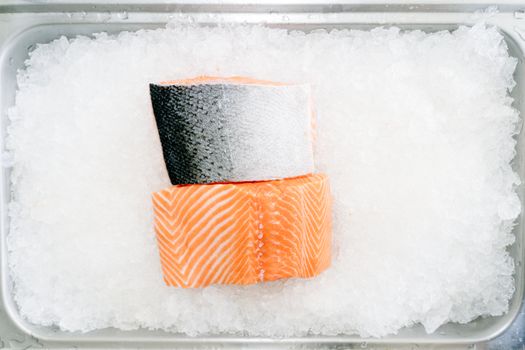 Photo: Deane Bayas / Pexels
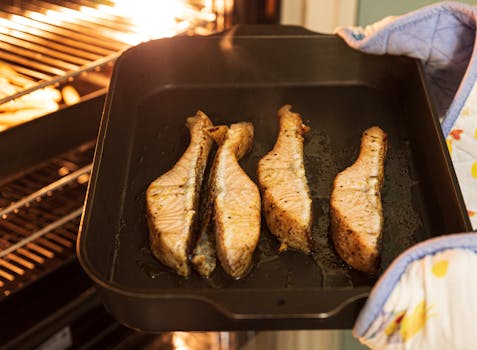 Photo: Richard Pan / Pexels
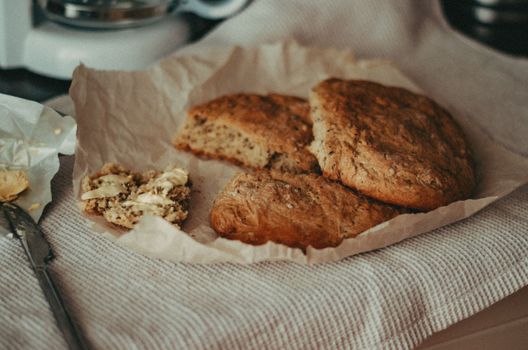 Photo: Alina Kurson / Pexels
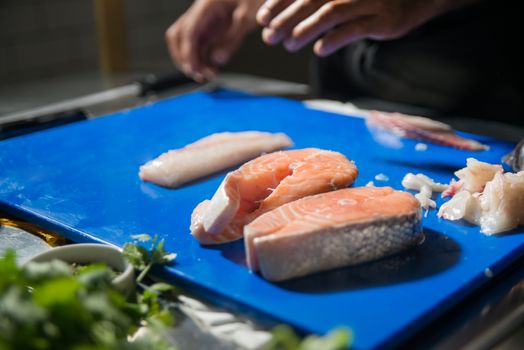 Photo: Kampus Production / Pexels