✓ It helps control portion sizes and promotes healthier eating habits.
✓ Reduces food waste and saves money on groceries.
✓ Requires planning and a dedicated block of time each week.
How It Works
1
Plan Your Meals & Grocery List
Decide what you'll eat for the week, considering nutritional balance and variety. Create a detailed grocery list based on your chosen recipes to avoid impulse buys.
2
Shop Smart & Efficiently
Head to the grocery store with your list and stick to it. Focus on fresh produce, lean proteins, whole grains, and healthy fats.
3
Prep Your Ingredients
Wash and chop vegetables, cook grains, and prepare proteins. This is where the bulk of your meal prep time will be spent, making weekday cooking much faster.
4
Assemble & Store Meals
Portion out your prepped ingredients into airtight containers. Label them clearly and store them in the refrigerator or freezer for easy access throughout the week.
Understanding the Fundamentals of Meal Prepping
Photo: Ella Olsson / Pexels
Embarking on the journey of meal prepping can initially feel daunting, but understanding its core principles makes it accessible to everyone, especially beginners. At its heart, meal prepping is about intentionally planning and preparing your meals and snacks in advance, typically for the upcoming week. This proactive approach transforms chaotic daily cooking into a streamlined, efficient process. It's not just about cooking a large batch of chicken; it's about strategizing your nutrition, managing your time, and often, saving money.
The benefits extend far beyond convenience. For many, meal prepping becomes a cornerstone of a healthier lifestyle. By pre-planning, you gain control over ingredients, portion sizes, and cooking methods, naturally leading to more nutritious choices and fewer impromptu, less healthy takeout orders. Imagine coming home after a long day and having a delicious, balanced meal ready in minutes – that's the power of effective meal prepping. It eliminates the decision fatigue that often leads to unhealthy eating and reduces the temptation to grab something quick and often processed. Moreover, knowing exactly what you'll eat minimizes food waste, as you purchase ingredients with a specific plan in mind and utilize them fully. This also translates to significant savings on your grocery bill and less money spent on last-minute restaurant meals.
For beginners, the key is to start small and build confidence. Don't aim to prep every single meal for the entire week on your first try. Begin with one or two meals, perhaps your lunches or dinners, and gradually expand as you become more comfortable. This incremental approach prevents burnout and allows you to fine-tune your methods. Focus on simple, versatile recipes that can be easily scaled up. Think about ingredients that can be used in multiple dishes, like roasted vegetables, cooked grains, or grilled proteins. The goal is to make meal prepping a sustainable habit, not a one-time heroic effort. Consider your personal schedule and preferences: are you better off prepping on a Sunday, or do you have a few hours free on a Wednesday evening? Understanding your own rhythm is crucial. There are various styles of meal prepping too, from 'batch cooking' a single dish in large quantities to 'component prepping' where you prepare individual ingredients to mix and match. Exploring these different approaches will help you find what works best for your lifestyle and dietary needs. The ultimate aim is to simplify your food routine and enhance your overall well-being. Discover more about healthy eating habits to complement your meal prep journey.
Essential Tools and Ingredients for Beginner Meal Preppers
Photo: Julia M Cameron / Pexels
Before you dive into the actual cooking, having the right tools and pantry staples can make your meal prepping experience significantly smoother and more enjoyable. You don't need a professional kitchen, but a few key items will be invaluable. First and foremost, invest in high-quality, airtight food storage containers. Glass containers are often preferred for their durability, ability to go from fridge to microwave/oven, and lack of plastic leaching concerns. However, BPA-free plastic containers are a more budget-friendly and lightweight option. Having various sizes will be helpful for different meal components and portion sizes. Consider containers with compartments if you prefer to keep food items separate until serving.
Beyond containers, a good set of sharp knives is crucial for efficient chopping and dicing, saving you time and frustration. A large cutting board, preferably one that won't slip, is equally important for safety and ease of use. Other helpful kitchen gadgets include a large pot for cooking grains or pasta, a baking sheet for roasting vegetables or proteins, and a quality skillet. For those looking to optimize time, a slow cooker or instant pot can be a game-changer for hands-off cooking of stews, chilis, or large batches of shredded chicken. A food processor can also be a significant time-saver for chopping, slicing, and dicing larger quantities of vegetables.
Stocking your pantry with foundational ingredients is just as important as having the right tools. Think about non-perishable items that form the base of many meals. This includes whole grains like brown rice, quinoa, and oats; various dried or canned beans and lentils; pasta; and a selection of healthy oils such as olive oil and avocado oil. Spices and herbs are your best friends for adding flavor without excess sodium or unhealthy fats; ensure you have a diverse collection including salt, pepper, garlic powder, onion powder, cumin, paprika, and dried herbs like oregano and basil. Don't forget vinegars (apple cider, balsamic) and low-sodium broths. For fresh ingredients, focus on versatile staples like onions, garlic, carrots, celery, and a rotating selection of seasonal fruits and vegetables. Having a well-stocked pantry means fewer last-minute grocery runs and more flexibility in your meal planning. It also allows you to be more spontaneous if you find a new recipe or ingredient you want to try, as you’ll likely have most of the other necessary items on hand. Prioritizing these essential tools and ingredients sets a strong foundation for sustainable and successful meal prepping.
Crafting Your First Meal Prep Menu and Execution Strategy
Photo: Julia M Cameron / Pexels
Designing your initial meal prep menu is an exciting step, but it’s vital to approach it with realism and simplicity. For beginners, the best strategy is to start with recipes that are familiar, relatively easy to prepare, and use common ingredients. Don't try to replicate a gourmet meal on your first attempt. Focus on balanced meals that include a lean protein, a complex carbohydrate, and plenty of vegetables. A great starting point for beginners is to choose one breakfast, one lunch, and one dinner recipe to prep for 3-4 days. This allows you to get a feel for the process without committing to a full week or an overwhelming number of dishes.
Consider versatile ingredients that can be repurposed. For example, roasted chicken breasts can be used in salads, wraps, or as a main dish with different sides. Cooked quinoa or brown rice can serve as the base for grain bowls, a side for stir-fries, or even in breakfast porridges. Vegetables like broccoli, bell peppers, and sweet potatoes can be roasted, steamed, or sautéed and mixed into various meals. When selecting recipes, look for those with minimal steps and ingredients. One-pan meals, sheet pan dinners, or slow cooker recipes are excellent choices for beginners as they require less active cooking time and cleanup. Websites and cookbooks dedicated to 'beginner meal prep' or 'easy weeknight meals' are invaluable resources for inspiration.
Once your menu is set, create a detailed grocery list. Organize it by sections of the grocery store (produce, dairy, pantry, meat) to make shopping efficient. Before you even start cooking, dedicate some time to 'mise en place' – a French culinary term meaning 'everything in its place.' This involves washing and chopping all your vegetables, measuring out spices, and having all your ingredients ready to go. This pre-prep step significantly reduces stress during the actual cooking phase and ensures a smoother workflow. Batch cooking certain components is another smart strategy. Cook a large batch of rice, roast all your vegetables at once, or bake multiple chicken breasts simultaneously. Then, during the assembly phase, you simply portion out these pre-cooked components into your containers.
Remember to factor in cooling time before sealing containers and refrigerating. Hot food can raise the temperature inside the fridge, potentially affecting other foods. Allow meals to cool to room temperature before covering and storing. Labeling your containers with the meal name and date is also a good habit to ensure you consume meals within their freshness window. Most prepped meals are good for 3-4 days in the refrigerator. For longer storage, consider freezing. By following these steps, you’ll not only create delicious and healthy meals but also build confidence and efficiency in your meal prepping routine. For more recipe ideas, check out our collection of quick and easy healthy recipes.
Common Pitfalls and Pro Tips for Sustainable Meal Prepping
Photo: RDNE Stock project / Pexels
Even with the best intentions, beginners can stumble upon common pitfalls that derail their meal prepping efforts. Recognizing these traps and equipping yourself with strategies to avoid them is key to long-term success. One of the biggest mistakes is trying to do too much too soon. Overambition often leads to burnout and giving up entirely. Start small, perhaps with just lunches for the work week, and gradually expand as you build confidence and efficiency. Another common issue is repetitive meals; eating the same thing every day can lead to flavor fatigue and boredom, making you less likely to stick with it. To combat this, aim for variety. Even if you prep the same core ingredients, change up the seasonings, sauces, or add-ins to create different flavor profiles.
Improper food storage is another pitfall, leading to food spoilage and waste. Always ensure your containers are airtight and that food is cooled completely before sealing and refrigerating. Invest in good quality containers that can withstand repeated use and temperature changes. For items you plan to freeze, ensure they are freezer-safe and consider vacuum-sealing for extended freshness. Not planning for snacks is also a common oversight. While you might prep main meals, forgetting about healthy snacks can lead to reaching for unhealthy options when hunger strikes. Include fruits, nuts, yogurt, or pre-cut veggies with hummus in your prep plan.
Here are some pro tips to make your meal prepping sustainable and enjoyable:
* **Start with 'Component Prepping':** Instead of full meals, prep individual components like cooked grains, roasted vegetables, and grilled proteins. This allows for more flexibility and variety throughout the week, as you can mix and match them into different meals.
* **Theme Your Prep Day:** Dedicate a specific day and time each week for meal prep. Treating it like an appointment helps integrate it into your routine. Sunday is popular, but any day that works for you is fine.
* **Double Recipes:** When you find a recipe you love, consider doubling it. Eat half fresh and freeze the other half for a super easy meal on a busy week.
* **Utilize Your Freezer:** The freezer is your best friend. Batch cook soups, stews, chilis, or even individual portions of cooked protein. Label everything clearly with the date.
* **Leverage Shortcuts:** Don't be afraid to use pre-cut vegetables, pre-cooked grains, or rotisserie chicken from the grocery store. These can be lifesavers on busy weeks and still contribute to healthy eating.
* **Invest in Quality Spices and Sauces:** A good array of spices, herbs, and healthy sauces (like hot sauce, low-sugar marinades, or homemade dressings) can transform simple ingredients into exciting meals, preventing flavor fatigue.
* **Keep a Running List of Favorites:** Maintain a list of your go-to meal prep recipes. This saves time when planning and ensures you always have reliable, tasty options at hand.
* **Don't Forget Hydration:** While not strictly meal prep, having pre-filled water bottles or infusing water with fruits can help you maintain hydration throughout the day, complementing your healthy eating habits.
By avoiding common mistakes and adopting these pro tips, you'll build a resilient and rewarding meal prepping routine that supports your health and lifestyle goals for the long haul.
Comparison
Feature
Batch Cooking
Component Prepping
Ready-to-Eat Meals
Variety
Low
High
Medium
Flexibility
Low
High
Low
Time Commitment
Medium
Medium
Low
Cost Efficiency
High
High
Low
Skill Level
Beginner
Beginner-Intermediate
None
Customization
Limited
Extensive
Limited
Storage Needs
Large portions
Individual components
Individual meals
Food Waste Potential
Medium
Low
Low
What Readers Say
★★★★★
"This guide truly showed me how to meal prep for beginners. I used to dread cooking, but now I have healthy lunches ready for the whole week and feel so much more organized. It's a game-changer!"
Sarah J. · Austin, TX
★★★★★
"As someone who works long hours, learning how to meal prep for beginners was essential. This article broke it down into manageable steps, and I'm saving money and eating much better now."
Mark D. · Chicago, IL
★★★★★
"I followed the 'component prepping' advice, and it's fantastic! I've lost 5 pounds in a month just by having healthy options readily available. This guide made meal prepping feel achievable."
Jessica L. · Miami, FL
★★★★★
"The tips on avoiding common pitfalls were particularly helpful. I still struggle with variety sometimes, but the suggestions for using different seasonings have definitely improved my meal prep game."
David K. · Seattle, WA
★★★★★
"I'm a busy student, and this guide on how to meal prep for beginners has transformed my eating habits. My grocery bill is lower, and I'm no longer relying on instant noodles. Highly recommend!"
Emily R. · Denver, CO
Frequently Asked Questions
What's the best day to meal prep for beginners?
The best day to meal prep is typically Sunday, as it allows you to prepare for the upcoming work week. However, any day you have a dedicated block of 2-4 hours free will work. Consistency is more important than the specific day.
Is meal prepping expensive for beginners?
While there might be an initial investment in containers and some pantry staples, meal prepping generally saves money in the long run. It reduces impulse purchases, minimizes food waste, and cuts down on expensive takeout or restaurant meals.
How long do prepped meals last in the fridge?
Most properly stored meal preps will last 3-4 days in the refrigerator. Some items, like cooked grains or hardier vegetables, might last slightly longer, while delicate greens or seafood are best consumed within 2-3 days. Freezing extends shelf life significantly.
What are the essential tools I need to start meal prepping?
For beginners, essential tools include airtight food storage containers (glass or BPA-free plastic), a good set of sharp knives, a large cutting board, a large pot, a baking sheet, and a skillet. A slow cooker or instant pot can also be very helpful.
How can I prevent boredom with meal prep?
Prevent boredom by focusing on 'component prepping' (preparing individual ingredients to mix and match), rotating your recipes weekly, experimenting with different spices and sauces, and incorporating a variety of seasonal ingredients. Don't be afraid to try new recipes or adapt old favorites.
Who should consider how to meal prep for beginners?
Anyone looking to save time, eat healthier, manage their budget better, reduce food waste, or simply bring more structure to their eating habits should consider learning how to meal prep for beginners. It's particularly beneficial for busy individuals, students, or those with specific dietary goals.
Are there any food safety risks with meal prepping?
The main risks involve improper cooling and storage. Always cool cooked food quickly (within 2 hours) before refrigerating, ensure containers are airtight, and consume meals within 3-4 days from preparation. Reheat food thoroughly to safe temperatures (165°F/74°C) to minimize risks.
What's the future trend for meal prepping?
The future of meal prepping is leaning towards increased personalization, sustainability, and technological integration. Expect more AI-driven meal planning apps, emphasis on plant-based and locally sourced ingredients, and innovative storage solutions to extend freshness and reduce waste.
Ready to transform your eating habits and reclaim your time? Our comprehensive guide on how to meal prep for beginners provides all the knowledge and inspiration you need to start your journey towards healthier, more efficient living. Begin your meal prepping adventure today and experience the numerous benefits firsthand!

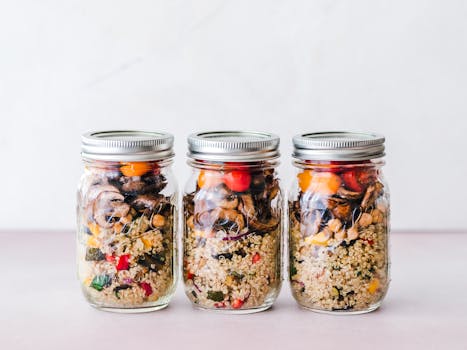 Photo: Ella Olsson / Pexels
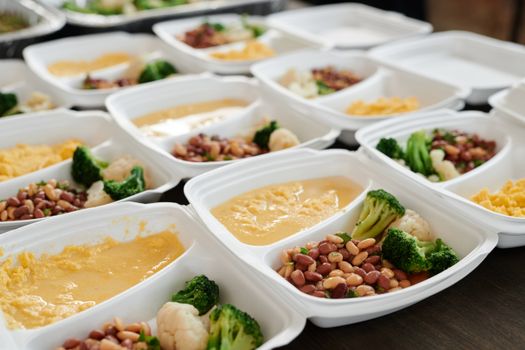 Photo: Julia M Cameron / Pexels
 Photo: Julia M Cameron / Pexels
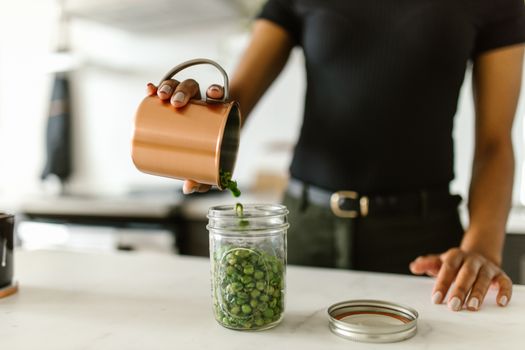 Photo: RDNE Stock project / Pexels