Mastering How to Store Fresh Herbs Longer for Flavorful Meals
July 22, 2026 16 min read 3,118 words
Keep your culinary creations vibrant and flavorful by learning the best techniques to extend the life of your fresh herbs.
Start Preserving Now
Understanding Herb Anatomy: Why Freshness Fades and How to Combat It
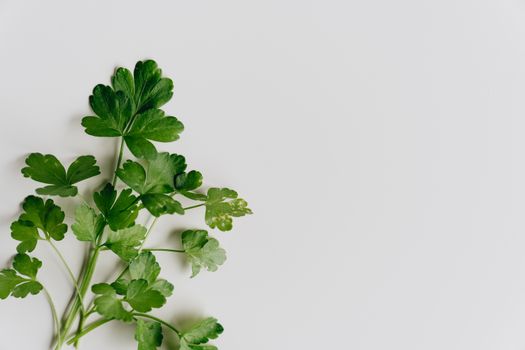 Photo: alleksana / Pexels
Have you ever brought home a beautiful bunch of fresh herbs, only to find them wilted and brown a few days later? It's a common kitchen frustration, and understanding *why* this happens is the first step in mastering how to store fresh herbs longer. At their core, fresh herbs are living plants, and once harvested, they begin a natural process of deterioration. This process is primarily driven by three factors: moisture loss, respiration, and enzymatic breakdown. Moisture loss, or dehydration, is perhaps the most visible culprit. Herbs are largely water, and without a root system to replenish this, they quickly dry out, leading to limp leaves and faded color. Think of it like a cut flower – without water, it wilts. Respiration is the process where plants convert stored sugars into energy, releasing carbon dioxide and water. While essential for life, post-harvest respiration, especially in warm conditions, depletes the herb's energy reserves, accelerating senescence (aging). Finally, enzymatic breakdown refers to the natural enzymes within the plant that, once triggered by damage or aging, begin to break down cell walls and plant tissues, leading to discoloration, softening, and eventual decay.
Different herbs have varying cellular structures and water content, which influences their perishability. Tender herbs like basil, cilantro, and parsley have delicate leaves and thin stems, making them highly susceptible to moisture loss and physical damage. Their high surface area to volume ratio means they dry out rapidly and are prone to bruising. Woody herbs such as rosemary, thyme, and oregano, on the other hand, have tougher stems and often smaller, thicker leaves, which provides them with a bit more natural resistance to dehydration. However, they are still perishable and benefit significantly from proper storage. The goal of any effective herb storage method is to create an environment that slows down these natural processes. This typically involves managing moisture levels, controlling temperature, and minimizing exposure to air and light, which can also accelerate degradation. By understanding these fundamental biological principles, you can approach herb storage with a strategic mindset, moving beyond guesswork to truly extend the vibrancy and flavor of your culinary greens. This knowledge forms the bedrock of our advice on how to store fresh herbs longer, transforming your kitchen into a haven of lasting freshness. For more tips on reducing food waste, explore
sustainable kitchen practices.
Tailored Techniques: Storing Tender Herbs for Maximum Freshness
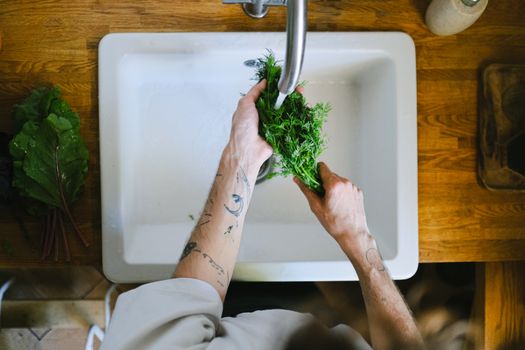 Photo: Anna Shvets / Pexels
Tender herbs are the darlings of fresh cuisine, but their delicate nature makes them notoriously tricky to store. Herbs like basil, cilantro, parsley, mint, tarragon, dill, and chives require specific attention to keep them vibrant and flavorful for as long as possible. The primary enemy of tender herbs is dehydration, followed closely by excessive moisture leading to rot. Therefore, the best storage methods aim to strike a balance: providing enough hydration without waterlogging.
One of the most popular and effective methods for tender herbs is the 'bouquet method.' This involves treating your herbs much like a bunch of cut flowers. First, inspect your herbs and remove any damaged, yellowed, or slimy leaves, as these can accelerate spoilage for the entire bunch. Next, trim about half an inch off the bottom of the stems. This fresh cut allows the stems to better absorb water. Then, place the trimmed herbs stem-down into a glass or jar filled with an inch or two of fresh, cool water. The water level should be just enough to cover the stem ends without submerging the leaves. For most tender herbs, especially basil, covering the leaves loosely with a plastic bag (a produce bag works perfectly) creates a mini-greenhouse effect, trapping humidity and preventing moisture loss. Basil, being particularly sensitive to cold, often fares best at room temperature on the counter, away from direct sunlight. However, cilantro, parsley, mint, and dill generally perform better in the refrigerator, also covered with a plastic bag. Change the water every day or two, or whenever it starts to look cloudy, and re-trim the stems if they start to look discolored. This method can keep tender herbs fresh for up to two weeks, significantly extending their usable life compared to simply leaving them in their original packaging.
Another option for tender herbs, particularly if you're short on counter space or prefer a more compact solution for the fridge, is the 'damp paper towel method.' After carefully washing and thoroughly drying your herbs (this is crucial – excess moisture promotes mold), lay them flat on a slightly damp paper towel. Roll the herbs up in the paper towel, then place the roll inside a resealable plastic bag or an airtight container. This method works well for cilantro, parsley, and dill in the refrigerator and can keep them fresh for a week or more. The key is the 'slightly damp' paper towel – too wet, and you risk rot; too dry, and it won't provide enough hydration. Always check your herbs periodically, replacing the paper towel if it becomes too wet or dry, and removing any signs of spoilage. By employing these tailored techniques, you'll master how to store fresh herbs longer, ensuring your tender greens are always ready to elevate your dishes. Proper handling of delicate ingredients is a cornerstone of
effective kitchen management.
Robust Preservation: Storing Woody Herbs for Extended Use
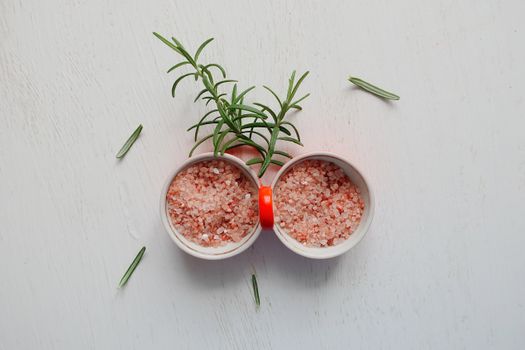 Photo: Asya Vlasova / Pexels
Woody herbs, with their sturdy stems and often smaller, thicker leaves, present a different set of challenges and opportunities when it comes to storage. While they are generally more resilient than their tender counterparts, they still benefit immensely from proper preservation techniques. Herbs in this category include rosemary, thyme, oregano, marjoram, sage, and bay leaves. Their robust nature means they are less prone to immediate wilting, but they can still dry out and lose their aromatic oils if not stored correctly. The goal for woody herbs is to maintain a balance of humidity to prevent drying, without introducing so much moisture that it encourages mold.
One of the most straightforward and effective methods for storing woody herbs is the 'damp paper towel and bag method.' Begin by gently rinsing your herbs under cool water, especially if they came from a garden and might have soil residue. The most critical step here is to dry them thoroughly. Use a salad spinner or pat them very dry with paper towels. Any excess moisture will lead to rot. Once dry, lay the herbs flat on a slightly damp paper towel. Roll them up gently in the paper towel, creating a neat bundle. Place this bundle into a resealable plastic bag or an airtight container. The slightly damp paper towel provides a humid environment, preventing the herbs from drying out, while the bag or container seals in the moisture and protects them from refrigerator odors. Store this in the crisper drawer of your refrigerator. This method can keep woody herbs fresh and fragrant for two to three weeks, sometimes even longer. Check on them every few days, and if the paper towel seems too dry, re-dampen it slightly; if it's too wet, replace it with a fresh, slightly damp one. Remove any leaves that show signs of decay immediately to prevent it from spreading.
Another viable option, especially if you have a large quantity of woody herbs, is to use them for making herb-infused oils or vinegars. While this isn't a direct 'fresh' storage method, it's an excellent way to capture their flavor for future use. Simply steep clean, dry herb sprigs in olive oil or white wine vinegar. Be aware that herbs infused in oil need to be stored in the refrigerator and consumed within a few weeks to prevent botulism, as fresh herbs contain water and can foster bacterial growth in anaerobic oil environments. Always refer to safe food handling guidelines for infused oils. For true long-term fresh storage, however, the damp paper towel and bag method remains superior for preserving their original texture and robust aroma. Mastering how to store fresh herbs longer, particularly woody varieties, ensures you always have a supply of potent flavor enhancers for your cooking.
Beyond the Fridge: Freezing and Drying for Long-Term Herb Preservation
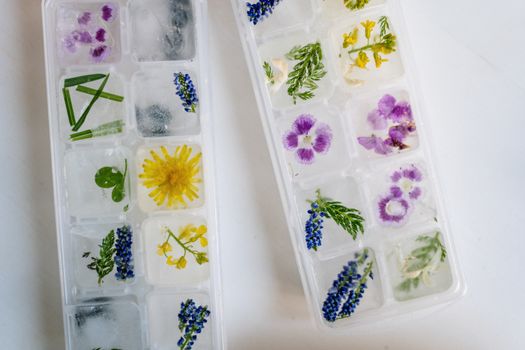 Photo: cottonbro studio / Pexels
While refrigeration is excellent for short to medium-term storage, sometimes you need to know how to store fresh herbs longer, extending their life for months. This is where freezing and drying come into play, offering fantastic solutions for preserving the essence of your harvest. These methods are particularly useful when you have an abundance of herbs from your garden or have found a great deal at the market. They allow you to enjoy seasonal flavors all year round, minimizing waste and maximizing your culinary options.
**Freezing Herbs: Capturing Freshness**
Freezing is an underutilized gem for preserving many herbs, especially those with high water content that might wilt quickly. While frozen herbs may lose some of their original texture, their flavor remains remarkably intact, making them perfect for soups, stews, sauces, and other cooked dishes where texture is less critical. There are a few key ways to freeze herbs:
* **Ice Cube Tray Method (Best for Tender Herbs):** This is perhaps the most popular and convenient method. Chop your clean, dry tender herbs (like basil, cilantro, parsley, dill, or mint) finely. Pack them tightly into ice cube trays, then cover them with a liquid. Water is a simple choice, but olive oil, melted butter, or even broth can add an extra layer of flavor and protection, especially for cooking. Freeze until solid, then pop the herb cubes out and transfer them to a freezer-safe bag or container. Label with the herb name and date. These cubes are ready to be dropped directly into your cooking! This method works wonders for quickly adding a burst of fresh flavor without the fuss of chopping.
* **Freezing on a Tray (Good for Woody Herbs):** For woody herbs like rosemary, thyme, or oregano, you can freeze whole sprigs. Lay clean, dry sprigs in a single layer on a baking sheet. Freeze until solid, then transfer the frozen sprigs to a freezer-safe bag or container. This prevents them from clumping together and allows you to grab just a few sprigs as needed. You can then crumble the frozen leaves directly into your dish.
* **Blanching for Basil:** Basil, in particular, benefits from a quick blanch before freezing. Blanching helps to preserve its vibrant green color and prevent blackening. Briefly dip basil leaves in boiling water for 10-15 seconds, then immediately transfer to an ice bath to stop the cooking. Pat them thoroughly dry before freezing whole or pureeing with a little olive oil to make a paste.
**Drying Herbs: Concentrating Flavor**
Drying is another ancient and effective method for long-term herb preservation. It removes moisture, inhibiting microbial growth and concentrating the herb's essential oils, leading to a more intense flavor. Dried herbs are fantastic for rubs, spice blends, and dishes where a robust, earthy flavor is desired. While most herbs can be dried, woody herbs like rosemary, thyme, oregano, sage, and marjoram tend to dry best and retain their flavor profile. Tender herbs like basil and parsley can be dried, but they often lose some of their aromatic complexity compared to freezing.
* **Air Drying:** This is the simplest method. Bundle small bunches of clean, dry herbs together with kitchen twine. Hang them upside down in a warm, dry, well-ventilated area away from direct sunlight. A pantry, attic, or even a quiet corner of your kitchen can work. Drying can take anywhere from one to three weeks, depending on the herb and humidity. The herbs are dry when the leaves are crumbly to the touch. Once dry, strip the leaves from the stems and store them whole or lightly crushed in airtight containers away from light and heat.
* **Oven Drying:** For a quicker method, you can use a very low oven setting. Spread clean, dry herbs in a single layer on a baking sheet. Set your oven to its lowest temperature (ideally 100-150°F or 40-65°C) and prop the door open slightly to allow moisture to escape. Check frequently, turning the herbs occasionally, until they are crisp and dry. This can take a few hours.
* **Dehydrator:** A food dehydrator offers the most controlled and efficient drying environment. Follow the manufacturer's instructions for temperature and drying times, which typically range from a few hours to a day.
Once dried, store herbs in airtight containers in a cool, dark place. Whole dried leaves retain flavor longer than crushed ones, so crush them just before use. Both freezing and drying are excellent ways to ensure you always have a supply of your favorite herbs on hand, ready to infuse your dishes with flavor. These techniques are essential components of knowing how to store fresh herbs longer, transforming your approach to cooking and reducing food waste.