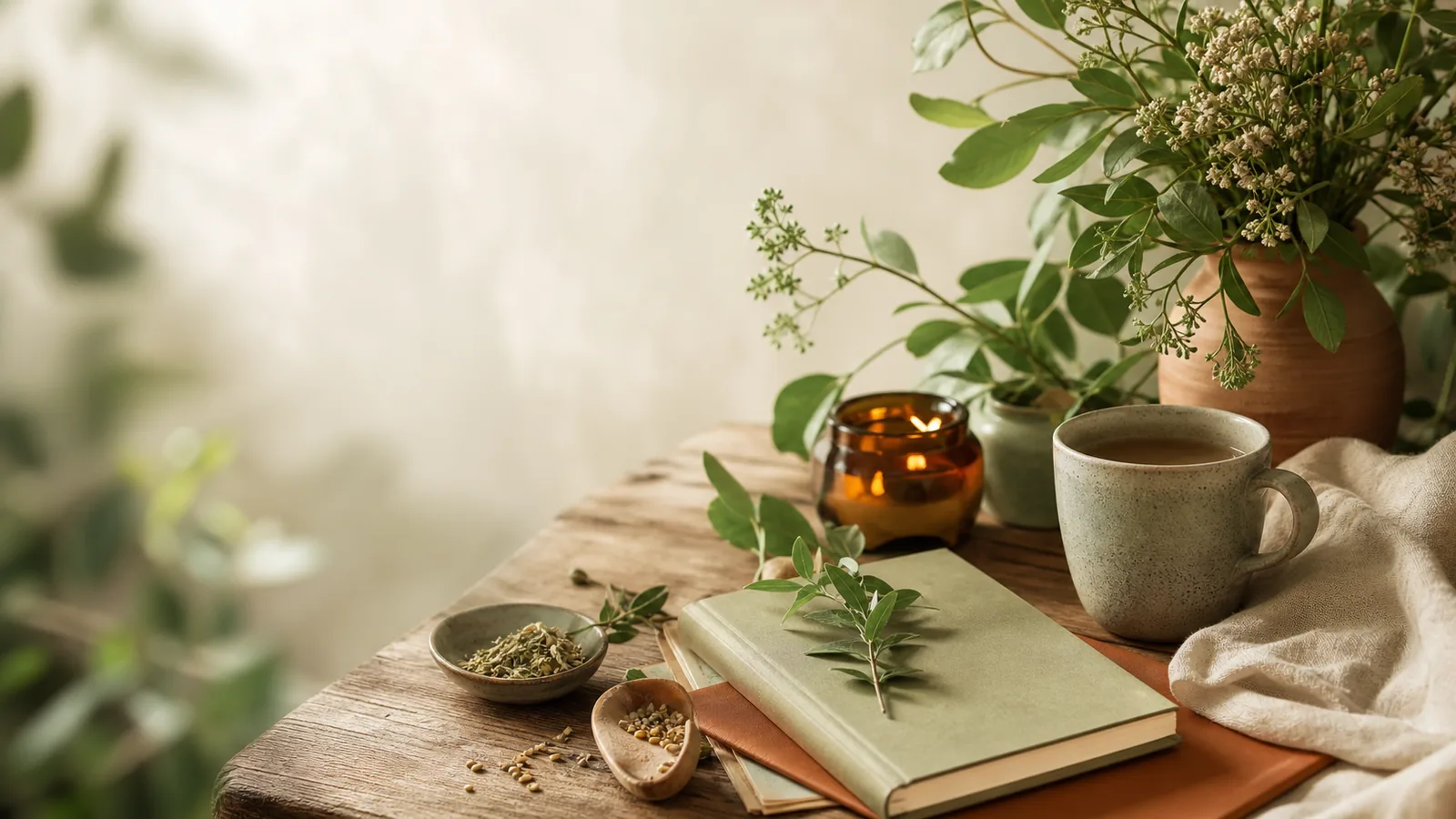
Master how to store fresh herbs longer, boost flavor
Keep your culinary creations vibrant and minimize food waste by extending the life of your fresh herbs.
Discover the SecretsKey Takeaways
- ✓ Most fresh herbs thrive in a cool, slightly damp environment, mimicking their natural growing conditions.
- ✓ Washing herbs immediately before storage can introduce excess moisture and accelerate spoilage.
- ✓ Different herb types (tender vs. woody) require distinct storage approaches for optimal longevity.
- ✓ Properly stored fresh herbs can last from 1-3 weeks, significantly reducing food waste and saving money.
How It Works
Upon purchase, gently remove any bruised, yellowed, or damaged leaves. This prevents spoilage from spreading to healthy parts.
Identify if your herbs are tender (like basil, cilantro) or woody (like rosemary, thyme) as this dictates the best storage technique. Tailoring the method is crucial for success.
For tender herbs, trim stems and place in water. For woody herbs, wrap in a damp paper towel. Avoid washing until just before use.
Place prepared herbs in the crisper drawer of your refrigerator. Ensure they are protected from direct air flow to prevent drying out, which can quickly degrade quality.
Understanding Herb Anatomy: Tender vs. Woody Stems
On the other hand, woody herbs, including rosemary, thyme, oregano, sage, and marjoram, have much sturdier, often rigid stems and typically smaller, tougher leaves. These herbs are more resilient to drying out but can still benefit from proper storage to maintain their aromatic oils and prevent desiccation. Their robust structure means they can withstand slightly less delicate handling than their tender counterparts, but they still need an environment that prevents premature spoopilage. Understanding this fundamental difference is the first and most critical step in mastering how to store fresh herbs longer. Attempting to store basil like rosemary, or vice versa, will almost certainly lead to disappointment and wasted ingredients. This foundational knowledge empowers you to choose the correct technique from the outset, setting you up for success in keeping your herbs vibrant and flavorful for weeks, not just days. Knowing which category your herb falls into will guide all subsequent decisions regarding washing, wrapping, and placement, making your herb preservation efforts far more effective and efficient. This distinction is paramount for anyone looking to truly extend the life of their fresh produce and reduce kitchen waste effectively.
Optimal Storage Techniques for Tender Herbs
Place the trimmed stems into a small glass or jar filled with an inch or two of fresh, cool water, similar to how you would arrange a small bouquet. Ensure that only the stems are submerged, keeping the leaves above the waterline. For most tender herbs, especially those like cilantro and parsley, loosely cover the entire setup (glass and herbs) with a plastic bag. A plastic produce bag or a reusable storage bag works well. This creates a mini-greenhouse effect, trapping humidity around the leaves and preventing them from drying out. Place this covered arrangement in the refrigerator. The cool temperature slows down metabolic processes, while the water keeps the stems hydrated and the plastic bag maintains a high-humidity environment. Change the water every 1-2 days, or if it appears cloudy, to prevent bacterial buildup. With this method, tender herbs can remain fresh and vibrant for up to 2-3 weeks, depending on the variety and initial quality.
Basil is a unique tender herb that generally prefers a slightly different approach. While it is tender, basil is particularly sensitive to cold temperatures and can turn black and wilt if stored in the refrigerator like other tender herbs. For basil, follow the same initial steps of trimming the stems and placing them in a glass of water. However, instead of refrigerating, leave the basil on your kitchen counter at room temperature, away from direct sunlight. You can still loosely cover it with a plastic bag if your home is particularly dry, but often it thrives uncovered. Change the water daily. This method helps basil stay green and fragrant for about 1-2 weeks. If you must refrigerate basil for longer storage, blanching and freezing is a better option than cold, raw storage. This careful differentiation ensures you get the most out of each herb type.
Preserving Woody Herbs: Rosemary, Thyme, and Sage
The most effective method for preserving woody herbs involves a damp paper towel. Start by gently inspecting your herbs and removing any damaged or yellowed stems or leaves. Again, it is crucial not to wash them at this stage unless they are visibly dirty, and if you do wash them, ensure they are thoroughly dried before proceeding. Excess moisture is the enemy of woody herbs in storage, as it can quickly promote mold and rot. Take a few sprigs of the woody herb and arrange them in a single layer on a slightly damp paper towel. The paper towel should be moist, not soaking wet.
Once the herbs are laid out, gently roll them up in the paper towel. The dampness provides just enough humidity to keep the leaves hydrated without making them soggy. After rolling, place the bundled herbs into a resealable plastic bag or an airtight container. The container or bag is vital for creating a barrier against the dry air in the refrigerator, which can otherwise draw moisture out of the herbs. Place this package in the crisper drawer of your refrigerator. The cool temperature slows down the metabolic processes, while the damp paper towel and sealed environment prevent dehydration.
Check the herbs every few days. If the paper towel dries out, lightly re-dampen it. If you notice any signs of spoilage, such as sliminess or mold, discard those parts immediately to prevent contamination of the rest of the batch. With this method, woody herbs can remain fresh and fragrant for 2-4 weeks, often longer than tender herbs. This technique is particularly effective because it respects the inherent resilience of woody herbs while providing the minimal hydration they need to thrive in a cold environment. For those interested in sustainable kitchen practices, this method significantly extends the usability of these flavorful ingredients, ensuring you get maximum value from your grocery purchases and minimizing food waste.
Advanced Tips and Common Storage Mistakes
Advanced Tips for Maximum Longevity:
- Freezing for Longer Term: For herbs you use frequently but can't consume quickly, freezing is an excellent option. For tender herbs like parsley, cilantro, or basil, chop them finely and mix with a little olive oil or water. Spoon this mixture into ice cube trays and freeze. Once frozen, transfer the cubes to a freezer-safe bag. When cooking, simply drop a cube into your dish. Woody herbs can often be frozen whole or chopped in freezer bags.
- Blanching Before Freezing: Some herbs, especially basil, benefit from blanching briefly before freezing to preserve their color and flavor, preventing them from turning black. Dip in boiling water for 10-15 seconds, then immediately into ice water, pat dry, and then freeze as desired.
- Dehydrating: If you have an abundance of woody herbs, consider dehydrating them. This ancient method removes all moisture, allowing them to be stored at room temperature for months or even years. An oven on its lowest setting or a food dehydrator works wonders.
- Labeling and Dating: Always label your stored herbs with the date of storage. This helps you track freshness and ensures you use older batches first, preventing waste.
- Air Circulation (Paradoxically): While a sealed environment is good for preventing dehydration, too much humidity without any air circulation can promote mold. Ensure your plastic bags aren't completely airtight if you notice condensation; a tiny opening can help.
Common Storage Mistakes to Avoid:
- Washing Herbs Too Soon: Washing herbs before storing them introduces unnecessary moisture that can lead to rapid bacterial growth and sliminess. Always wash herbs just before you're ready to use them.
- Storing in a Humid Environment Without Protection: Just throwing herbs into the crisper drawer without any protection (like water or a damp paper towel and a bag) will expose them to dry air, causing them to wilt and dry out quickly.
- Over-packing Containers: Cramming too many herbs into a small container or bag restricts air circulation and can lead to bruising and premature spoilage. Give them a little room to breathe.
- Incorrect Temperature for Basil: As mentioned, basil is an exception. Storing it in the cold refrigerator can turn its delicate leaves black. Keep it at room temperature in water.
- Ignoring Bruised or Damaged Leaves: Leaving bruised or rotting leaves attached to the bunch will accelerate the spoilage of the healthy parts. Always trim them away immediately.
- Using the Same Water for Too Long: For water-based methods, failing to change the water regularly allows bacteria to build up, which can contaminate the herbs and shorten their lifespan.
Comparison
| Feature | Tender Herbs (Water Method) | Woody Herbs (Damp Paper Towel) | Freezing Herbs |
|---|---|---|---|
| Typical Herbs | Basil, Cilantro, Parsley, Mint | Rosemary, Thyme, Sage, Oregano | All types (chopped) |
| Longevity | 1-3 Weeks | 2-4 Weeks | 3-6 Months |
| Preparation | Trim stems, place in water | Wrap in damp paper towel | Chop, optional oil/water |
| Container | Glass/Jar + Plastic Bag | Resealable Bag/Container | Ice Cube Trays / Freezer Bag |
| Refrigerator | ✓ (except Basil) | ✓ | ✗ (Freezer) |
| Best For | Short-term freshness | Medium-term freshness | Long-term storage |
| Flavor Intensity | High | High | Moderate (best for cooking) |
What Readers Say
"I used to throw away so much cilantro and parsley. Following these tips on how to store fresh herbs longer, especially the water-and-bag method, has kept my herbs fresh for over two weeks! It's a game-changer for my weekly meal prep."
Sarah P. · Austin, TX"The distinction between tender and woody herbs was something I never considered. My rosemary and thyme now last ages with the damp paper towel method. No more dried-out herbs after just a few days!"
Mark D. · Seattle, WA"This guide literally saved me money. I used to buy basil, use a little, and the rest would turn black in the fridge. Keeping it on the counter in water as suggested has kept it vibrant for over a week, a truly concrete result!"
Jessica L. · Miami, FL"While most tips are excellent, I found the freezing method for herbs in olive oil works better for me with woody herbs than just wrapping them. Still, the core advice on how to store fresh herbs longer is solid and very helpful for beginners."
David R. · Chicago, IL"As a passionate home cook who grows some of her own herbs, knowing how to store fresh herbs longer after harvest is crucial. These methods, especially for tender herbs, have significantly extended my garden's bounty, allowing me to enjoy fresh flavors for much longer."
Emily K. · Denver, COFrequently Asked Questions
What is the absolute best way to store fresh basil to keep it green?
The best way to store fresh basil is to treat it like a cut flower. Trim the stems, place the bunch in a glass or jar with about an inch of water, and leave it on your kitchen counter at room temperature, away from direct sunlight. Do not refrigerate basil, as cold temperatures cause its leaves to blacken quickly. Change the water daily to keep it fresh for 1-2 weeks.
My herbs always go slimy in the fridge. What am I doing wrong?
Sliminess is usually caused by excessive moisture and/or bacterial growth. A common mistake is washing herbs before storage. Only wash herbs just before use. Also, ensure tender herbs in water are loosely covered to allow some air circulation, and for woody herbs, the paper towel should be damp, not soaking wet, and changed if it becomes too wet or dry.
How do I store fresh cilantro and parsley to make them last longer?
For cilantro and parsley, trim about half an inch off the stems and place them upright in a glass of water, much like a bouquet. Loosely cover the entire setup with a plastic bag (like a produce bag) to create a humid environment. Place this in the refrigerator. Change the water every 1-2 days. This method can keep them fresh for 2-3 weeks.
Is it worth the effort to store herbs properly, or should I just buy dried?
Properly storing fresh herbs is absolutely worth the effort. Fresh herbs offer a vibrant, complex flavor and aroma that dried herbs simply cannot replicate. While dried herbs are convenient for some dishes, fresh herbs elevate your cooking significantly. The small amount of time invested in proper storage dramatically reduces waste and enhances your culinary results, making it a very cost-effective practice in the long run.
How do these storage methods compare to using an herb keeper gadget?
Herb keeper gadgets often replicate the principles of the water-and-bag method for tender herbs (providing water for stems and a humid environment for leaves). While convenient, they are not necessarily more effective than using a simple glass jar and a plastic bag. For woody herbs, a damp paper towel and a sealed bag or container are often just as, if not more, effective than specialized gadgets. The key is understanding the principles, not necessarily the specific tool.
Who should prioritize learning how to store fresh herbs longer?
Anyone who regularly cooks with fresh herbs, aims to reduce food waste, or wants to save money on groceries should prioritize learning how to store fresh herbs longer. This includes home cooks, aspiring chefs, and even those who grow their own herbs and want to extend their harvest.
Are there any safety concerns with storing herbs for too long?
Yes, if herbs are stored improperly or for too long, they can develop mold or harmful bacteria. Always discard herbs that show signs of sliminess, mold, off-odors, or significant discoloration. While proper storage extends their shelf life, it doesn't make them immortal. When in doubt, it's always safer to discard and use fresh.
What's the future trend for herb storage – any new technologies?
The future of herb storage is leaning towards smart refrigeration with precise humidity and temperature controls, and potentially active air purification systems to inhibit spoilage. Biodegradable, breathable packaging materials are also an area of innovation. However, the fundamental principles of providing hydration, controlled humidity, and appropriate temperature will likely remain the core of effective herb preservation.
Now that you're equipped with expert knowledge on how to store fresh herbs longer, it's time to put these techniques into practice. Say goodbye to wasted herbs and hello to vibrant, flavorful meals every time. Start today and transform your kitchen into a haven of lasting freshness!