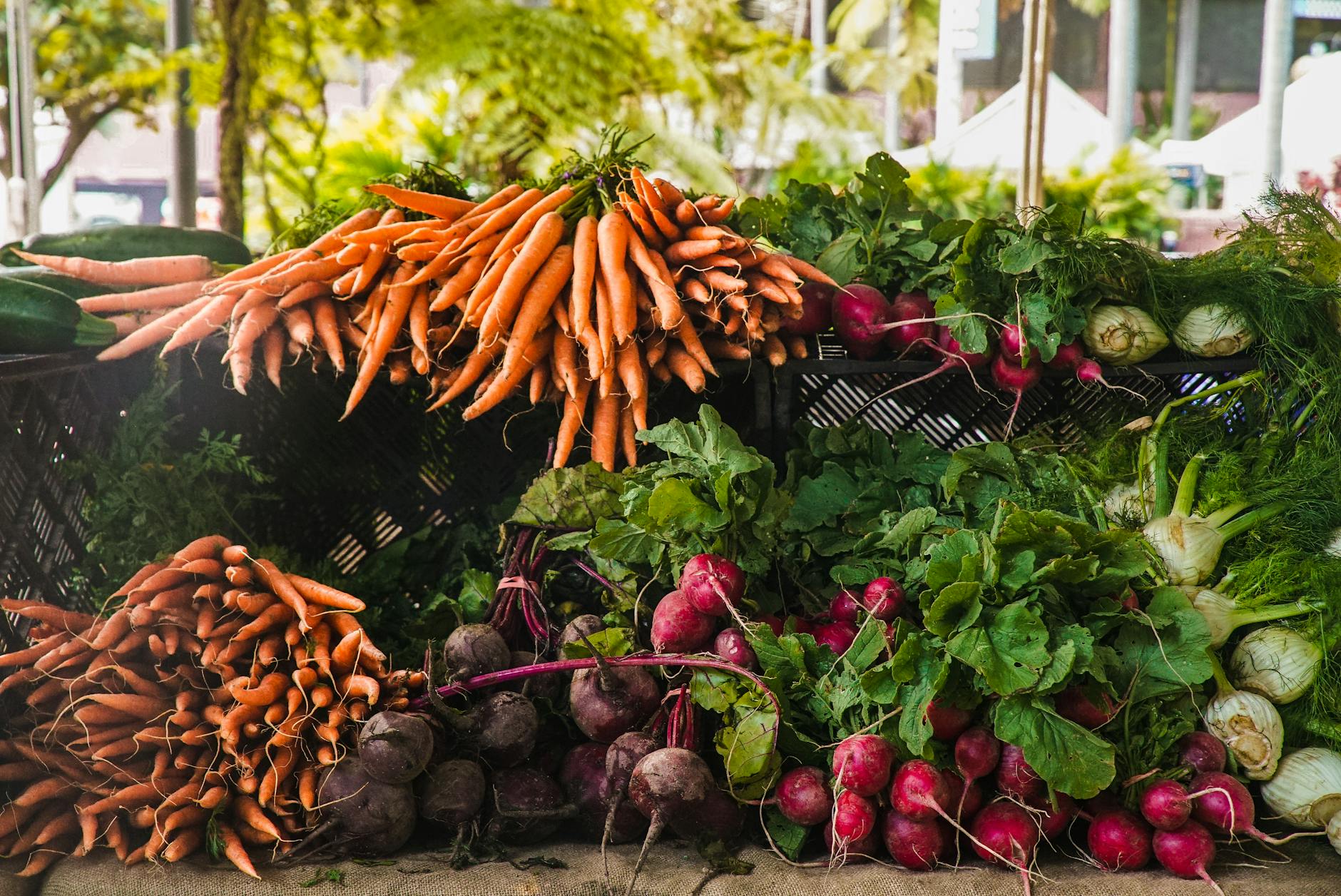
How to Store Fresh Produce Longer: The Ultimate Guide
Master the art of produce preservation to keep your fruits and vegetables fresh, vibrant, and delicious for weeks.
Start Saving Food NowKey Takeaways
- ✓ Proper storage can extend produce life by days or even weeks.
- ✓ Ethylene gas, emitted by some fruits, ripens others faster.
- ✓ Washing produce before storage can accelerate spoilage for many items.
- ✓ Temperature and humidity are critical factors for most produce.
How It Works
Learn which fruits and vegetables prefer refrigeration, counter storage, or cool, dark places. Group produce based on their ethylene sensitivity and production.
Utilize appropriate containers, wraps, and methods like dry storage, damp paper towels, or water baths. Separate ethylene producers from sensitive items.
Regularly check on stored produce, removing any spoiled pieces to prevent contamination. Adjust humidity and temperature as needed within your storage areas.
Start with fresh, undamaged produce to maximize storage potential. Avoid overbuying and plan meals to ensure timely consumption.
Understanding the Science of Produce Preservation
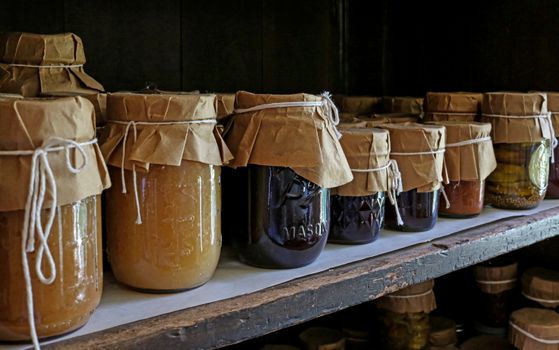 Photo: Dale Jackson / Pexels
Optimal Storage Environments for Different Produce Categories
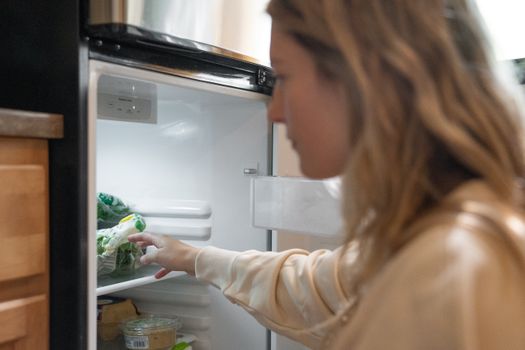 Photo: Kevin Malik / Pexels
Advanced Techniques and Smart Produce Storage Hacks
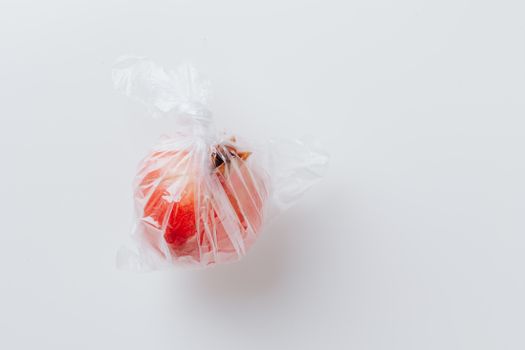 Photo: https://kaboompics.com/ / Pexels
Common Produce Storage Mistakes to Avoid for Maximum Freshness
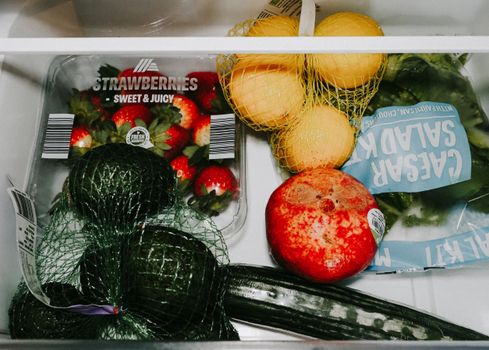 Photo: Lisa Fotios / Pexels
Comparison
| Produce Item | Best Storage Method | Alternative (Short-Term) | Avoid |
|---|---|---|---|
| Leafy Greens (Lettuce, Spinach) | Washed, dried, paper towel wrapped in airtight container (fridge) | Plastic bag with a damp paper towel (fridge) | Uncovered in fridge, warm counter |
| Tomatoes | Countertop, stem-side down (until ripe) | Fridge (after ripe, for short periods, flavor loss) | Fridge before ripe (flavor/texture loss) |
| Avocados | Countertop (unripe), Fridge (ripe) | Paper bag with apple (to ripen faster) | Fridge when unripe |
| Potatoes | Cool, dark, dry pantry in mesh bag | Cardboard box in cellar | Fridge, near onions, in plastic bag |
| Berries (Strawberries, Blueberries) | Unwashed, in original container or shallow container lined with paper towel (fridge) | Quick vinegar rinse, thoroughly dried, then fridge | Washing before storing, sealed container without ventilation |
| Herbs (Cilantro, Parsley) | Stems in water, covered loosely with plastic bag (fridge) | Wrapped in damp paper towel, in sealed bag (fridge) | Uncovered in fridge |
What Readers Say
"Following these tips on how to store fresh produce longer has been a revelation! My lettuce now lasts over two weeks, and I've significantly cut down on food waste. Truly life-changing advice."
Sarah J. · Austin, TX"The ethylene gas explanation alone was worth it. I used to wonder why my broccoli went yellow so fast. Now, separating my apples has kept my veggies fresh for so much longer."
Mark D. · Chicago, IL"I used to throw away so much wilted spinach. The paper towel and airtight container trick mentioned here keeps my greens vibrant for over ten days. My grocery bill has actually decreased!"
Emily R. · Portland, OR"Most of these tips are fantastic. I've seen a real improvement in my produce's longevity. Some tropical fruits are still a challenge in my humid climate, but the general guidance is spot on."
David L. · Miami, FL"As a busy mom, I need my produce to last. The section on advanced techniques, especially the water bath for carrots, has made meal prep so much easier. My kids are eating more fresh veggies now!"
Jessica M. · Denver, COFrequently Asked Questions
What is the single most important factor in how to store fresh produce longer?
The single most important factor is understanding the individual needs of each fruit and vegetable regarding temperature, humidity, and ethylene gas. There's no universal rule, but separating ethylene-producing fruits from ethylene-sensitive vegetables is a critical first step for many households. Proper temperature control, whether refrigeration or cool pantry storage, also plays a massive role.
Is it better to wash produce before storing it in the fridge?
Generally, no. Washing produce before storage, especially for items like leafy greens, berries, and root vegetables, introduces excess moisture that creates an ideal environment for mold and bacterial growth, accelerating spoilage. It's best to wash most produce just before you are ready to consume or cook with it. Some exceptions exist, like a quick vinegar rinse for berries if thoroughly dried.
How do I store herbs like cilantro and parsley to make them last?
To store most delicate herbs like cilantro and parsley, treat them like a bouquet of flowers. Trim the ends of the stems, place them upright in a glass or jar with about an inch of water at the bottom, and cover loosely with a plastic bag. Then, place the entire setup in the refrigerator. Change the water every day or two to keep them fresh and vibrant for weeks.
Does special produce storage equipment really help, or is it just a gimmick?
While basic techniques are highly effective, some specialized equipment can genuinely help. Produce storage containers with adjustable vents can help manage humidity. Reusable produce bags designed for refrigeration can offer better breathability than standard plastic bags. However, many effective solutions can be achieved with items you already own, like airtight containers, paper towels, and glass jars. It's about understanding the principles, not necessarily buying expensive gadgets.
What's the difference between high-humidity and low-humidity crisper drawers?
Crisper drawers are designed to create different microclimates. The high-humidity drawer, often with its vent closed, traps moisture, which is ideal for produce prone to wilting like leafy greens, broccoli, and carrots. The low-humidity drawer, with its vent open, allows some moisture to escape, suitable for produce that rots in high humidity, like apples, pears, and bell peppers. Using them correctly extends the life of your produce.
Who benefits most from learning how to store fresh produce longer?
Everyone benefits, but particularly those who want to reduce food waste, save money on groceries, and enjoy fresher, more nutritious meals. Home cooks, families buying in bulk, gardeners, and anyone committed to sustainable living will find these strategies invaluable. It empowers you to maximize the value and lifespan of your healthy food purchases.
Are there any safety concerns with extending produce shelf life?
The primary safety concern is ensuring that produce is still safe to eat and hasn't developed harmful bacteria or mold. Always inspect produce for signs of spoilage (unpleasant odors, slime, excessive softness, visible mold) before consuming, even if it's within an extended storage period. If in doubt, it's always best to discard it. Proper cleaning before consumption remains crucial.
What future trends are emerging in how to store fresh produce longer?
Future trends include smart refrigerators with advanced climate control, specialized produce bags with enhanced breathability or antimicrobial properties, and even edible coatings or sprays designed to extend shelf life. Researchers are also exploring genetic modifications to produce that naturally resists spoilage. Expect more personalized and technologically integrated solutions to emerge in the coming years.
By implementing these expert strategies, you're not just learning how to store fresh produce longer; you're transforming your kitchen into a hub of freshness and sustainability. Start today to enjoy crispier greens, juicier fruits, and a significant reduction in food waste, making every meal more vibrant and every grocery trip more rewarding.