Unlocking Efficiency: Meal Prep Ideas for Busy Professionals
meal prep ideas for busy professionals

Unlocking Efficiency: Meal Prep Ideas for Busy Professionals

Transform your week with strategic meal planning and preparation, ensuring delicious, healthy food is always within reach.

Start Prepping Now

Key Takeaways

  • ✓ Meal prepping can save up to 10-15 hours per week.
  • ✓ It significantly reduces food waste and grocery bills.
  • ✓ Portion control is easier, supporting health and fitness goals.
  • ✓ Variety is key to sustainable meal prep success.

How It Works

1
Plan Your Week's Menu

Dedicate 30-60 minutes to choose recipes, considering your schedule and nutritional needs. This prevents decision fatigue later in the week.

2
Shop Smart & Efficiently

Create a detailed grocery list based on your menu to avoid impulse buys and ensure you have all necessary ingredients. Stick to your list to save time and money.

3
Batch Cook Core Components

Set aside 2-3 hours on a designated prep day to cook staple ingredients like grains, proteins, and chopped vegetables. This forms the foundation for multiple meals.

4
Assemble & Store Thoughtfully

Portion out cooked components into airtight containers, labeling them for easy identification. Proper storage ensures freshness and prevents spoilage, maximizing your effort.

The Indispensable Benefits of Meal Prepping for the Modern Professional
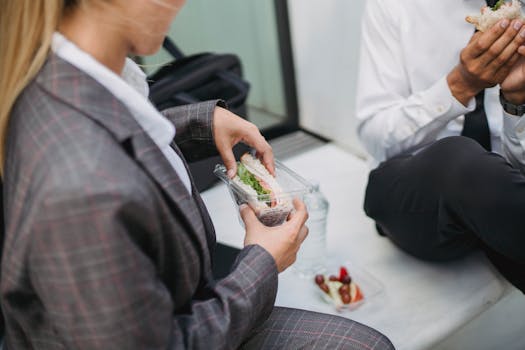
Two professionals in business attire enjoy sandwiches during a lunch break. Perfect for office and lifestyle themes. Photo: Ketut Subiyanto / Pexels
In the relentless churn of professional life, time is a currency more valuable than gold. For busy professionals, the concept of cooking a healthy, balanced meal from scratch every night often feels like an unattainable luxury. This is where strategic meal prepping steps in, not just as a convenience, but as a fundamental pillar for maintaining well-being, enhancing productivity, and achieving personal goals. The benefits extend far beyond simply having food ready; they permeate every aspect of a demanding lifestyle. First and foremost, meal prepping is an unparalleled time-saver. Imagine reclaiming those precious evening hours typically spent agonizing over dinner decisions, grocery runs, and actual cooking. By dedicating a few concentrated hours on a designated prep day, professionals can free up their weeknights, allowing for more time with family, pursuing hobbies, exercising, or simply unwinding. This efficiency translates directly into a less stressful daily routine, reducing the mental load associated with meal planning and execution. Instead of rushing to grab unhealthy takeout after a long day, a nutritious, pre-prepared meal is just minutes away from being enjoyed. This shift not only saves time but also significantly reduces decision fatigue, a common drain on cognitive resources for high-achievers. The mental energy conserved can then be redirected towards more pressing professional tasks or personal development. Beyond time, the financial advantages are substantial. Eating out, ordering delivery, or frequently purchasing pre-made convenience foods quickly adds up, often without delivering the nutritional value promised. Meal prepping empowers professionals to take control of their food budget. By buying ingredients in bulk, utilizing sales, and cooking at home, the cost per meal plummets dramatically. This economic prudence allows for allocation of resources to other areas, from investments to leisure activities, without compromising on the quality or quantity of food. Furthermore, strategic planning minimizes food waste, a common issue when ingredients are bought ad-hoc and left to spoil. Every dollar saved on groceries and takeout is a dollar earned, contributing to greater financial stability and peace of mind. Health and nutrition are perhaps the most compelling reasons for busy professionals to embrace meal prepping. The demands of a high-pressure job can often lead to neglecting personal health, with quick, unhealthy meals becoming the default. Meal prepping provides a structured approach to ensuring a consistent intake of nutrient-dense foods. It allows for precise portion control, which is critical for managing weight, blood sugar levels, and overall dietary goals. Professionals can consciously select ingredients that support their specific health objectives – whether it’s increasing protein intake, reducing processed sugars, or incorporating a wider variety of vegetables. This proactive approach to nutrition can lead to increased energy levels, improved concentration, better sleep, and a stronger immune system, all of which are vital for sustained performance in a competitive professional environment. The ability to customize meals to individual dietary needs and preferences – be it vegetarian, gluten-free, or low-carb – is a significant advantage, ensuring that dietary restrictions are met without sacrificing flavor or convenience. Explore healthy eating habits for more insights. The discipline of regular, balanced meals also helps stabilize energy throughout the day, preventing the dreaded afternoon slump and promoting sustained productivity. Ultimately, meal prepping isn't just about food; it's about investing in oneself, ensuring that the fuel for a high-performing life is consistently of the highest quality.

Essential Strategies for Efficient Meal Prep Success
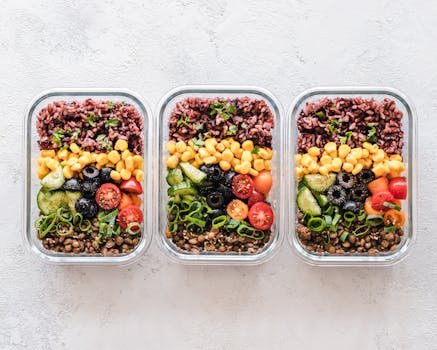
Colorful healthy meal prep with corn, olives, tomatoes, and lentils in glass containers. Perfect for mindful eating. Photo: Ella Olsson / Pexels
Successful meal prepping for busy professionals isn't about spending an entire Sunday in the kitchen; it's about strategic planning, smart execution, and leveraging efficient techniques. The goal is to maximize output with minimal time investment, ensuring a consistent supply of delicious, healthy meals throughout the work week. Adopting a few core strategies can transform the daunting task of meal prep into a streamlined, enjoyable process. Firstly, master the art of component prepping. Instead of cooking entire meals, focus on preparing individual components that can be mixed and matched throughout the week. For instance, roast a large batch of chicken breast or bake a tray of salmon fillets. Simultaneously, cook a big pot of quinoa or brown rice, and chop a variety of vegetables like bell peppers, onions, and broccoli. These versatile components can then be combined in various ways: chicken and quinoa with roasted veggies for one meal, salmon and rice with a fresh salad for another, or even turning leftover chicken into a quick wrap. This approach offers flexibility and prevents meal fatigue, a common pitfall of eating the same exact meal day after day. It also allows for last-minute adjustments based on cravings or schedule changes, adding a dynamic element to your meal plan. Secondly, invest in the right tools and containers. Quality airtight containers are non-negotiable for keeping food fresh and preventing leaks. Glass containers are often preferred as they are microwave-safe, dishwasher-safe, and don't absorb food odors or stains. Consider containers with multiple compartments to keep different food items separate until serving, preventing sogginess. Beyond containers, a good set of sharp knives, a large cutting board, and a high-capacity food processor can significantly speed up chopping and dicing. Slow cookers, instant pots, and sheet pans are also invaluable. A slow cooker allows you to set and forget a meal, cooking while you work or sleep. An Instant Pot can cook grains and proteins in a fraction of the time, while sheet pan meals simplify cooking by allowing multiple ingredients to roast together on a single tray, minimizing cleanup. These kitchen aids are not just conveniences; they are productivity tools for the busy professional. Thirdly, embrace freezer-friendly meals and ingredients. Not every component needs to be eaten within 3-4 days. Soups, stews, chilis, cooked grains, and even some cooked proteins freeze exceptionally well. Double or triple recipes for these items and portion them into individual servings for the freezer. This creates a rotating stock of backup meals for weeks when time is even tighter than usual, or for those days when you simply don't feel like cooking. Label everything clearly with the date and contents to ensure optimal freshness and easy identification. Flash freezing individual items like berries or chopped vegetables before transferring them to a larger bag also prevents them from clumping together, making them easier to use in future recipes. This strategy turns your freezer into a strategic asset, extending the shelf life of your efforts and providing a convenient safety net of healthy options. Finally, integrate smart grocery shopping into your routine. A well-stocked pantry and refrigerator are the bedrock of efficient meal prepping. Plan your grocery list meticulously based on your weekly menu and stick to it. Consider utilizing online grocery delivery or curbside pickup services to save time and avoid impulse purchases. Buying staples in bulk – such as oats, rice, pasta, canned goods, and frozen vegetables – can also be cost-effective and ensures you always have foundational ingredients on hand. By systematically approaching each stage, from planning to purchasing to prepping, busy professionals can create a sustainable and highly effective meal prep system that supports their demanding lifestyles without sacrificing health or flavor.

Top Meal Prep Ideas for Busy Professionals: Quick & Delicious
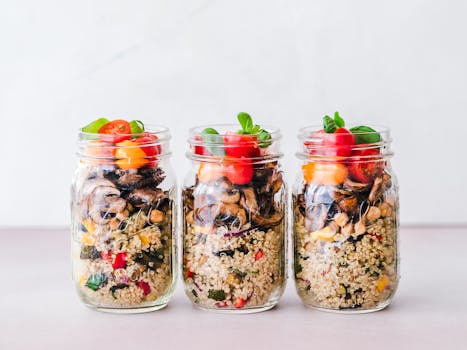
Three jars of colorful quinoa salad with mushrooms and tomatoes, perfect for a healthy meal. Photo: Ella Olsson / Pexels
For busy professionals, the ideal meal prep recipe strikes a delicate balance between speed, flavor, nutritional value, and reusability. The following ideas are designed to be versatile, easy to scale, and can be adapted to various dietary preferences, ensuring that your week is filled with satisfying and healthy options. These aren't just recipes; they're templates for culinary efficiency. **1. The Versatile Grain Bowl Base:** This is a cornerstone of efficient meal prepping. Cook a large batch of a preferred grain – quinoa, brown rice, farro, or even couscous. Quinoa is particularly excellent due to its complete protein profile and quick cooking time. Once cooked and cooled, portion it out. For lunches, simply add a pre-cooked protein (like baked chicken breast, roasted chickpeas, or hard-boiled eggs), a variety of chopped raw or roasted vegetables (bell peppers, cucumbers, cherry tomatoes, broccoli florets), and a healthy fat (avocado, nuts, seeds). Dressings can be pre-made and stored separately or added just before eating. This allows for endless variations throughout the week, preventing boredom. For example, one day could be a Mediterranean bowl with feta and olives, another a Mexican-inspired bowl with black beans and corn, and a third an Asian-fusion bowl with edamame and a sesame-ginger dressing. The key is to keep the components separate until assembly to maintain freshness and texture. Discover more grain bowl inspirations. **2. Sheet Pan Dinners:** These are a busy professional's best friend for dinner prep. The concept is simple: chop various proteins and vegetables, toss them with olive oil and seasonings, spread them on a single sheet pan, and roast until cooked. Think chicken sausage with bell peppers and onions, salmon with asparagus and cherry tomatoes, or tofu with sweet potatoes and Brussels sprouts. The beauty of sheet pan meals lies in their minimal cleanup and hands-off cooking time. You can prep multiple sheet pans in advance, storing the seasoned raw ingredients in separate bags in the fridge, ready to be popped into the oven after a long day. This method is incredibly versatile, allowing for different flavor profiles by simply changing the seasonings – think Italian herbs, Mexican spices, or a simple lemon-garlic blend. It's a full meal, cooked simultaneously, with maximum flavor and minimum fuss. **3. Mason Jar Salads:** Say goodbye to soggy salads. Mason jar salads are perfect for lunch on the go. The trick is to layer ingredients strategically. Start with the dressing at the very bottom. Next, add hard, non-absorbent vegetables like carrots, cucumbers, or bell peppers. Then, layer in grains, beans, or cooked pasta. Follow with proteins like chicken, tuna, or lentils. Finally, top with delicate greens like spinach or mixed lettuce. When it's time to eat, simply shake the jar to distribute the dressing, or invert it into a bowl. This layering technique keeps the greens crisp and fresh, preventing them from getting soaked in dressing until you're ready to eat. Prepare 3-4 of these on Sunday, and you'll have vibrant, healthy lunches ready for most of the week. **4. Overnight Oats & Chia Puddings:** Breakfast is often the most rushed meal, but it doesn't have to be. Overnight oats and chia puddings are perfect make-ahead options that require no cooking in the morning. For overnight oats, combine rolled oats, milk (dairy or non-dairy), chia seeds, and your choice of sweetener (maple syrup, honey) and flavorings (cinnamon, vanilla extract) in a jar. Stir well and refrigerate overnight. In the morning, add fresh fruit, nuts, or a dollop of yogurt. Chia puddings follow a similar principle: chia seeds absorb liquid to create a gel-like consistency, offering a fantastic source of fiber and omega-3s. Prepare a base with milk and chia seeds, then customize with fruit purees, cocoa powder, or extracts. Both options are incredibly customizable, portable, and ensure you start your day with a nutritious, energy-boosting meal without any morning effort.

Avoiding Common Meal Prep Pitfalls: Tips for Long-Term Success
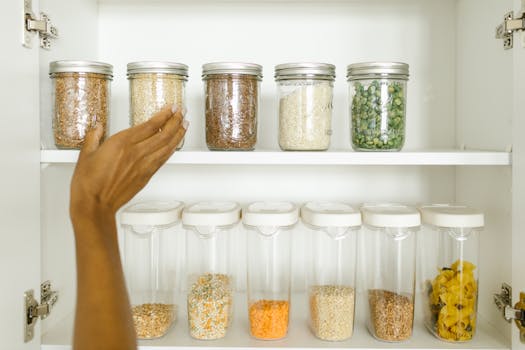
A neat pantry shelf showing various grains stored in labeled glass and plastic containers, promoting kitchen organization. Photo: RDNE Stock project / Pexels
While meal prepping offers incredible advantages, it's not without its challenges. Many professionals start with enthusiasm only to abandon the practice due to common pitfalls. Recognizing and proactively addressing these issues is key to transforming meal prep from a temporary fad into a sustainable lifestyle habit. Here are crucial tips to ensure your meal prep journey is successful and enduring: **1. Don't Fall into the Repetition Trap:** Eating the same meal for five days straight is a recipe for boredom and eventual burnout. Variety is the spice of life, and it's essential for sustainable meal prep. Instead of preparing five identical portions of chicken and broccoli, try component prepping. Cook a large batch of chicken, but then use it in different ways: a salad on Monday, a wrap on Tuesday, and a grain bowl on Wednesday. Similarly, roast a variety of vegetables or have different sauces and dressings on hand to switch up flavors. Incorporate one or two new recipes each week to keep things interesting, or rotate through a repertoire of tried-and-true favorites. This keeps your palate engaged and prevents meal fatigue. **2. Master Proper Food Storage and Safety:** Improper storage is a primary reason for food spoilage and potential health risks. Invest in high-quality, airtight containers (glass is often best). Ensure food is cooled completely before being portioned and refrigerated to prevent bacterial growth. Label containers with the date and contents. Most prepped meals are best consumed within 3-4 days when refrigerated. For longer storage, utilize your freezer effectively, ensuring items are properly sealed to prevent freezer burn. Understand the shelf life of different ingredients; for instance, delicate greens won't last as long as roasted root vegetables. Prioritizing food safety not only protects your health but also ensures your hard work doesn't go to waste. **3. Start Small and Scale Up Gradually:** Don't attempt to prep every single meal for the entire week on your first try. This can be overwhelming and lead to quick abandonment. Begin by prepping lunches for 2-3 days, or just one component like a batch of cooked grains. Once you've mastered that, expand to a few dinners or add breakfast. Gradually increase the scope of your meal prep as you gain confidence and efficiency. This incremental approach builds momentum and allows you to refine your process without feeling burnt out. Remember, any amount of meal prepping is better than none. **4. Account for Your Schedule and Preferences:** Your meal prep plan should fit your life, not the other way around. If you know you have a busy Tuesday evening, plan a meal that requires minimal heating. If you prefer fresh salads over reheated food, lean into mason jar salads. Don't force yourself to eat foods you dislike just because they're 'healthy' or 'easy.' Tailor your recipes to your taste buds and dietary needs. Similarly, choose a prep day that genuinely works for you – Saturday afternoon, Sunday evening, or even a few hours spread across two evenings. Flexibility and personalization are crucial for long-term adherence. **5. Don't Be Afraid to Use Shortcuts:** Being a busy professional means leveraging every possible advantage. Don't feel guilty about using smart shortcuts. Pre-chopped vegetables from the grocery store, rotisserie chicken, canned beans, frozen fruits and vegetables, or pre-made sauces (check sugar content!) can significantly cut down on prep time. The goal is to eat healthier and save time, not to become a gourmet chef every Sunday. These shortcuts can make meal prepping feasible on even the busiest weeks, keeping you on track without adding undue stress. The convenience they offer can be the difference between sticking to your plan and resorting to takeout.

Comparison

FeatureStrategic Meal PrepDaily Cooking (from scratch)Frequent Takeout/Delivery
Time Commitment2-4 hrs/week7-10 hrs/week0-1 hr/week (ordering)
Cost EfficiencyHighMediumLow
Nutritional ControlExcellentExcellentPoor to Medium
Stress ReductionHighLowMedium (decision fatigue)
Variety PotentialHigh (with planning)HighHigh
Food WasteLowMediumMedium to High
Portion Control
Convenience

What Readers Say

"These meal prep ideas for busy professionals have completely transformed my work week. I used to dread figuring out dinner, but now I have delicious, healthy options ready to go. My energy levels are up, and I'm saving so much money!"

Sarah J. · New York, NY

"As a consultant, my schedule is unpredictable. Learning how to effectively meal prep has been a game-changer. The component prepping strategy is brilliant; I can customize my meals based on my day and never get bored."

Mark D. · Los Angeles, CA

"I followed the advice on starting small and now I'm consistently prepping 4-5 days of meals. I've lost 7 pounds in two months just by having healthy food readily available. This article provided truly actionable meal prep ideas for busy professionals."

Emily R. · Chicago, IL

"Initially, I found it hard to dedicate a full day to prepping, but the tips on using shortcuts and spreading it out really helped. The variety ideas are a lifesaver. My only wish is for more vegetarian-specific recipes, but the templates are easy to adapt."

David S. · Houston, TX

"I travel frequently for work and used to rely on airport food. Now, with strategic freezer meals and portable options like mason jar salads, I can maintain my healthy eating habits even on the go. These meal prep ideas for busy professionals are essential for anyone with a demanding career."

Jessica L. · Seattle, WA

Frequently Asked Questions

What is the best day to meal prep for busy professionals?

The best day to meal prep is typically Sunday, as it allows you to prepare for the upcoming work week. However, any day you have a dedicated block of 2-4 hours works. Some professionals prefer Saturday, while others split their prep over two evenings. Choose a day when you are least likely to be interrupted and can focus on the task.

How long do meal-prepped meals typically last in the fridge?

Most meal-prepped meals, when stored properly in airtight containers, will last for 3-4 days in the refrigerator. Some ingredients, like cooked grains or roasted root vegetables, might last slightly longer, while delicate greens or fish are best consumed within 2-3 days. Always use your best judgment and check for any signs of spoilage before eating.

What are some quick meal prep ideas for breakfast?

For quick breakfast meal prep, consider overnight oats, chia puddings, pre-portioned smoothie packs (frozen fruit, spinach, protein powder ready for blending), or batch-cooked egg muffins. These options require minimal morning effort and can be customized with various toppings and flavors.

Is meal prepping more expensive than buying food daily?

No, meal prepping is generally much more cost-effective than buying food daily, especially compared to takeout or restaurant meals. By buying ingredients in bulk, utilizing sales, and cooking at home, you significantly reduce the cost per meal. It also minimizes food waste, further contributing to savings.

How does meal prepping compare to meal delivery services?

Meal prepping offers greater control over ingredients, portion sizes, and dietary customization compared to most meal delivery services. While delivery services offer convenience, they can be significantly more expensive and may not always align perfectly with individual taste or health goals. Meal prepping requires an upfront time investment but provides long-term flexibility and savings.

Who should consider adopting meal prep ideas for busy professionals?

Anyone with a demanding schedule, professionals looking to improve their diet, individuals on a budget, or those aiming to reduce stress around daily meal decisions should consider adopting meal prep. It's particularly beneficial for those who struggle with healthy eating due to lack of time or who frequently resort to unhealthy convenience foods.

Are there any health risks associated with meal prepping?

There are no inherent health risks with meal prepping as long as proper food safety guidelines are followed. This includes cooking food to appropriate temperatures, rapidly cooling cooked food, storing it in airtight containers, and consuming it within recommended timeframes. Cross-contamination should also be avoided during preparation.

What are the future trends in meal prep for professionals?

Future trends in meal prep for professionals include increased focus on personalized nutrition (e.g., DNA-based meal plans), sustainable and plant-based options, smart kitchen gadgets that automate parts of the prep process, and more sophisticated component-based prepping for ultimate flexibility. Expect more emphasis on global flavors and fermentation for gut health benefits.

Embrace the power of meal prep and reclaim your time, health, and finances. Start implementing these meal prep ideas for busy professionals today and transform your demanding work week into a balanced, energized, and well-nourished journey. Your future self will thank you for taking this proactive step towards a more efficient and healthier lifestyle.

Topics: meal prep ideas for busy professionalshealthy meal prepquick weeknight mealsefficient cooking strategiestime-saving recipes
Leo List
Brampton weed
Adultwork