Smart Meal Prep Ideas for Weight Loss: Your Ultimate Guide
July 16, 2026 15 min read 2,915 words
Transform your health and shed pounds effortlessly with our expert-backed meal prep strategies and delicious recipes.
Start Prepping Now
The Foundation: Why Meal Prepping is Your Weight Loss Ally
 Photo: Castorly Stock / Pexels
Embarking on a weight loss journey can often feel like an uphill battle, fraught with temptations, time constraints, and the constant mental load of deciding what to eat. This is precisely where effective meal prep ideas for weight loss emerge as your most powerful ally. Meal prepping isn't just a trend; it's a strategic approach to nutrition that empowers you to take control of your diet, caloric intake, and overall health. By dedicating a few hours each week to planning and preparing your meals, you eliminate the daily guesswork and the high-calorie, unhealthy choices that often result from hunger and lack of time. It transforms your approach from reactive eating to proactive nutrition.
One of the primary benefits of meal prepping for weight loss is the unparalleled control it offers over portion sizes. When you cook at home and portion out your meals, you're consciously aware of exactly how much you're consuming. This stands in stark contrast to eating out, where restaurant portions are often oversized and laden with hidden fats and sugars, making calorie counting incredibly difficult. With meal prep, you can accurately track your macronutrients (proteins, carbohydrates, and fats) and micronutrients, ensuring your body receives the fuel it needs without excess. This precision is invaluable for creating the caloric deficit necessary for sustainable weight loss.
Beyond portion control, meal prepping significantly reduces the likelihood of impulsive, unhealthy food choices. Picture this: it’s the end of a long, exhausting day. Your energy is depleted, and the thought of cooking a nutritious meal from scratch feels overwhelming. This is the moment when takeout menus or frozen pizzas become incredibly appealing, often derailing your weight loss efforts. However, if your refrigerator is stocked with pre-portioned, delicious, and healthy meals, that temptation evaporates. You simply grab, heat, and eat, staying perfectly aligned with your dietary goals. This foresight is a game-changer for consistency, which is the cornerstone of any successful weight loss plan.
Furthermore, meal prepping fosters a deeper connection with your food. When you're involved in the process of selecting ingredients, cooking, and assembling your meals, you develop a greater appreciation for what you're putting into your body. This mindfulness can extend to your eating habits, encouraging slower eating and better digestion. It also allows you to experiment with a wider variety of whole, unprocessed foods, moving away from reliance on convenience foods that are typically high in sodium, unhealthy fats, and refined sugars. Incorporating a diverse range of vegetables, lean proteins, and complex carbohydrates through thoughtful meal planning ensures you receive a broad spectrum of vitamins, minerals, and fiber, all crucial for satiety and metabolic health. This holistic approach not only aids in weight loss but also improves overall well-being, energy levels, and mood. For more on healthy eating, check out our guide on
nutritious eating habits. This systematic approach is not just about losing weight; it's about building sustainable healthy habits that will last a lifetime, making it an indispensable tool in your wellness arsenal.
Crafting Your Menu: Delicious & Effective Meal Prep Ideas for Weight Loss
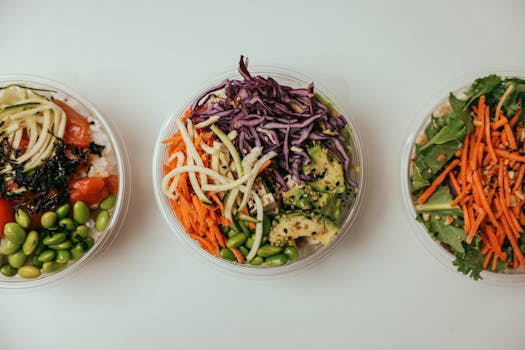 Photo: Cup of Couple / Pexels
Now that we understand the 'why,' let's dive into the 'how' by exploring delicious and effective meal prep ideas for weight loss. The key to successful meal prepping is variety and balance, ensuring you don't get bored and your body receives all essential nutrients. A well-rounded meal prep plan should prioritize lean proteins, complex carbohydrates, and an abundance of fiber-rich vegetables. These components work synergistically to promote satiety, stabilize blood sugar, and provide sustained energy, all critical factors for weight management.
For breakfast, consider overnight oats with berries and a scoop of protein powder. This can be prepped in minutes the night before and is ready to grab-and-go in the morning. Another excellent option is a batch of egg muffins made with spinach, bell peppers, and a sprinkle of low-fat cheese. These can be baked ahead of time and stored in the fridge for several days. For something lighter, Greek yogurt parfaits layered with granola and fruit offer protein and probiotics, aiding digestion and keeping you full until lunch. The beauty of these breakfast ideas is their versatility; you can easily swap out ingredients to keep things fresh and exciting.
Lunch and dinner are where the bulk of your meal prepping efforts will often lie. Think 'bowl' meals for maximum flexibility and nutrient density. A popular and effective strategy is to cook components separately and then combine them. For lean proteins, bake or grill a large batch of chicken breast, turkey meatballs, or salmon fillets. These can be seasoned differently to create varied flavors throughout the week. For plant-based options, roasted chickpeas, black beans, or lentils are fantastic protein sources that can be easily prepared in bulk. These proteins form the core of your meals, providing the necessary building blocks for muscle repair and satiety.
Complex carbohydrates are essential for sustained energy. Quinoa, brown rice, farro, or sweet potatoes can be cooked in large quantities and then divided into portions. These provide fiber and steady energy release, preventing the energy crashes often associated with refined carbohydrates. When it comes to vegetables, the more the merrier! Roast a large tray of mixed vegetables like broccoli, cauliflower, bell peppers, and zucchini. Steamed green beans or a large batch of mixed greens for salads are also excellent choices. The fiber in vegetables adds bulk to your meals, helping you feel fuller on fewer calories. For example, a delicious and balanced meal could be grilled chicken, a serving of quinoa, and a generous portion of roasted Brussels sprouts.
Don't forget healthy fats, which are crucial for hormone production and nutrient absorption. Avocados, nuts, seeds, and olive oil should be incorporated in moderation. You can add a slice of avocado to your lunch bowl or sprinkle some chia seeds on your overnight oats. Sauces and dressings can make or break a healthy meal prep. Opt for homemade vinaigrettes, lemon-tahini dressings, or salsa to add flavor without excessive calories or unhealthy ingredients. Preparing these in advance in small containers ensures you have healthy flavor boosters ready to go. Remember, the goal is to create meals that are not only good for you but also genuinely enjoyable, making adherence to your weight loss plan much easier and more sustainable.
Advanced Strategies: Maximizing Your Meal Prep for Sustainable Weight Loss
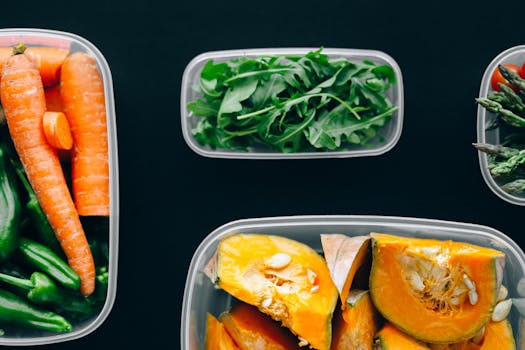 Photo: Nataliya Vaitkevich / Pexels
Moving beyond the basics, there are several advanced strategies that can maximize your meal prep efforts, making your weight loss journey more sustainable and enjoyable. One such strategy involves mastering the art of 'ingredient prep' rather than full meal prep. Instead of assembling entire meals, focus on preparing individual components that can be mixed and matched throughout the week. For instance, you might bake a large batch of chicken, roast various vegetables, cook several grains, and chop salad ingredients. This approach offers greater flexibility and prevents meal fatigue, as you can create different combinations daily. Imagine having pre-cooked chicken, roasted sweet potatoes, and steamed broccoli one day, and then using the same chicken with a fresh salad and a quinoa base the next. This variety keeps your palate engaged and ensures a broader spectrum of nutrients.
Another advanced technique is to leverage your freezer. Many prepared meals and individual components freeze exceptionally well, extending their shelf life significantly. Soups, stews, chili, cooked grains, and even some baked proteins can be frozen in individual portions. This allows you to cook larger quantities less frequently, saving even more time in the long run. When you have a freezer stocked with healthy, ready-to-heat meals, you're always just minutes away from a nutritious option, effectively eliminating any excuse for unhealthy takeout. Proper freezing techniques, such as using airtight containers and labeling with dates, are crucial to maintain quality and prevent freezer burn.
Incorporating theme days or 'cook once, eat twice' concepts can also elevate your meal prep game. For example, a 'Taco Tuesday' theme could involve prepping seasoned ground turkey or black beans, salsa, and chopped veggies, which can then be used for lettuce wraps or grain bowls. The 'cook once, eat twice' principle means intentionally making a larger dinner portion to have leftovers for lunch the next day. This is a simple yet effective way to streamline your daily routine without an extensive dedicated meal prep session. It's about integrating healthy eating into your lifestyle seamlessly, rather than treating it as a separate, arduous task. For more details on efficient cooking, check out our guide on
time-saving kitchen hacks.
Finally, don't underestimate the power of healthy snacking in a weight loss meal prep plan. Pre-portioning snacks like nuts, seeds, fruit, vegetable sticks with hummus, or Greek yogurt can prevent mid-day slumps and the temptation to reach for processed junk food. Having these ready-to-eat healthy options ensures you maintain consistent energy levels and satiety throughout the day, preventing overeating at main meals. Remember, consistency is key in weight loss, and these advanced strategies are designed to make your healthy eating habits more robust, adaptable, and enjoyable, fostering a sustainable path to achieving and maintaining your weight loss goals.
Essential Tips & Common Mistakes in Meal Prepping for Weight Loss
 Photo: Kristina Paukshtite / Pexels
To truly master meal prepping for weight loss, it's crucial to understand not only what to do but also what to avoid. Here are some essential tips and common mistakes to help you navigate your journey effectively:
**Essential Tips for Success:**
* **Start Small:** Don't try to prep every single meal for the entire week on your first attempt. Begin with lunches for a few days, then gradually expand to breakfasts and dinners. This prevents burnout and makes the process more manageable.
* **Invest in Quality Containers:** Good quality, airtight, BPA-free containers are a game-changer. They keep your food fresh longer, prevent leaks, and are often microwave and dishwasher safe. Glass containers are excellent for reheating.
* **Season Generously:** Healthy food doesn't have to be bland. Use a variety of herbs, spices, and low-sodium seasonings to add flavor without extra calories. Lemon juice, vinegars, and hot sauces are also great for boosting taste.
* **Batch Cook Staples:** Cook large quantities of staple ingredients like chicken breast, brown rice, quinoa, and roasted vegetables. This provides a versatile base for many different meals throughout the week.
* **Prioritize Perishables:** Plan to eat more perishable items like fresh salads or delicate fish earlier in the week, saving heartier dishes or frozen meals for later.
* **Track Your Progress:** Use a food diary or app to monitor your intake and reflect on what's working. This data can inform your future meal prep choices and keep you accountable.
**Common Meal Prepping Mistakes to Avoid:**
* **Lack of Variety:** Eating the same meal day after day leads to boredom and can cause you to abandon your meal prep efforts. Rotate recipes, try new ingredients, and experiment with different flavor profiles.
* **Forgetting Snacks:** Neglecting snacks can lead to extreme hunger and impulsive, unhealthy choices between meals. Always prep healthy snacks to keep hunger at bay.
* **Incorrect Storage:** Improper storage can lead to food spoilage and potential foodborne illness. Ensure food is cooled quickly, stored in airtight containers, and refrigerated promptly.
* **Over-reliance on Processed Foods:** While meal prep aims for convenience, it shouldn't rely on pre-packaged, high-sodium, or high-sugar convenience foods. Focus on whole, unprocessed ingredients.
* **Ignoring Dietary Needs:** If you have allergies, intolerances, or specific dietary requirements (e.g., vegetarian, gluten-free), ensure your meal prep plan accommodates these. Ignoring them can lead to discomfort or nutritional deficiencies.
* **Not Planning for Leftovers:** Efficient meal prepping often involves repurposing ingredients or intentionally making extra. Failing to plan for leftovers can mean more cooking than necessary or wasted food.
By keeping these tips in mind and actively avoiding common pitfalls, your meal prep for weight loss will become a much smoother, more enjoyable, and ultimately more successful endeavor. It's about creating a sustainable system that supports your health goals without feeling like a chore.
