Unlocking Powerful Plant Based Protein Sources for Vegans
June 15, 2026 15 min read 2,954 words
Master your nutrition and fuel your body with an abundance of delicious and diverse plant-based protein options.
Explore Vegan Proteins Now
The Power of Plant-Based Protein for Optimal Health
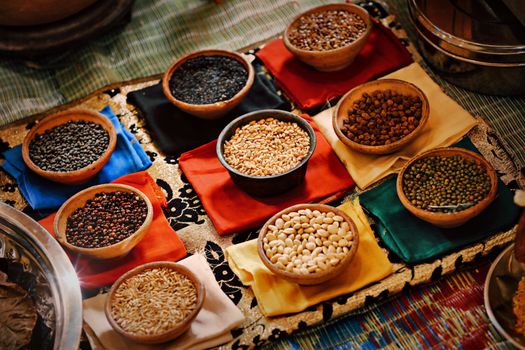 Photo: Kumaran Sonof Vijayan / Pexels
For anyone embracing a vegan lifestyle, one of the most common questions and sometimes concerns revolves around protein intake. The myth that plant-based diets inherently lack sufficient protein is persistent, yet profoundly untrue. In reality, the plant kingdom offers an incredible abundance of protein sources, many of which are superior to animal proteins in terms of overall health benefits. Protein is a crucial macronutrient, essential for building and repairing tissues, making enzymes and hormones, and supporting immune function. Far from being a deficiency, a well-planned vegan diet, rich in diverse plant-based protein sources, can easily meet and often exceed daily protein requirements, while simultaneously providing a wealth of other beneficial nutrients like fiber, antioxidants, and various vitamins and minerals, which are often absent in animal products.
Understanding the concept of 'complete protein' is often where confusion arises. A complete protein contains all nine essential amino acids that our bodies cannot produce on their own. While many animal products are complete proteins, several plant foods also fit this description, including quinoa, soy (tempeh, tofu, edamame), buckwheat, and amaranth. Furthermore, it's a common misconception that vegans need to consume complete proteins at every single meal. The human body maintains an 'amino acid pool,' allowing it to combine amino acids from different foods eaten throughout the day to form complete proteins. This means you don't need to pair specific foods at each meal (e.g., rice and beans together) as long as you're consuming a variety of protein-rich plant foods over the course of a day. This flexibility makes it incredibly easy to meet your protein needs without complex meal planning.
Beyond simply meeting protein targets, opting for plant-based protein sources brings a host of additional health advantages. These foods are typically lower in saturated fat and cholesterol, which are known contributors to heart disease. They are also packed with dietary fiber, which aids digestion, promotes gut health, helps regulate blood sugar levels, and contributes to a feeling of fullness, assisting with weight management. The rich array of phytochemicals and antioxidants found in plants offers protective effects against chronic diseases, including certain cancers. The environmental footprint of plant-based protein production is also significantly smaller than that of animal agriculture, making it a sustainable and ethical choice. By focusing on a diverse intake of these powerhouse foods, vegans can not only thrive but also enjoy enhanced health and vitality. This guide aims to demystify protein for vegans and empower you to confidently incorporate a wide array of delicious and nutritious options into your daily diet. Remember, the goal is not just to eat protein, but to eat protein that nourishes your entire body and supports long-term well-being. For more information on structuring your meals, check out our guide on
healthy vegan meal planning. The key is variety and consistency in your dietary choices.
Top Tier Plant-Based Protein Sources: A Deep Dive
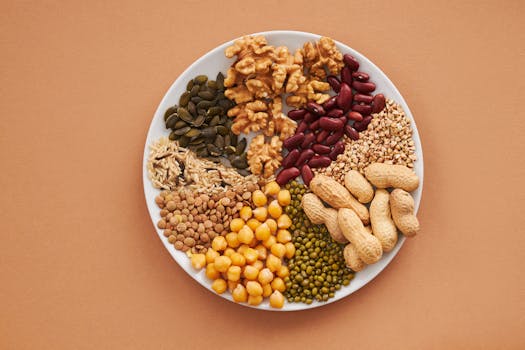 Photo: Vanessa Loring / Pexels
When curating a high-protein vegan diet, understanding the best sources is paramount. Let's explore some of the most potent and versatile plant-based protein options available, detailing their nutritional benefits and how to incorporate them into your meals.
**Legumes:** This category is a cornerstone of any vegan diet.
* **Lentils:** Offering about 18 grams of protein per cooked cup, lentils are also rich in fiber, iron, and folate. They cook relatively quickly and are incredibly versatile, perfect for soups, stews, curries, and even vegan 'meatloaf'.
* **Chickpeas (Garbanzo Beans):** With approximately 15 grams of protein per cooked cup, chickpeas are a staple. From hummus to roasted snacks, curries, and salads, their firm texture and mild flavor make them a favorite. They also provide significant fiber and manganese.
* **Beans (Black, Kidney, Pinto, Navy, etc.):** Most beans offer around 15 grams of protein per cooked cup, alongside complex carbohydrates, fiber, and various minerals. They are fantastic in chilis, burritos, salads, and as a hearty side dish.
* **Edamame:** These young soybeans, often eaten steamed in their pods or shelled, provide about 18 grams of protein per cup, along with fiber, vitamin K, and folate. They make a great snack or addition to stir-fries.
**Soy Products:** Soy is a complete protein source, meaning it contains all nine essential amino acids.
* **Tofu:** A versatile staple, tofu offers around 10-20 grams of protein per half-cup, depending on its firmness. It absorbs flavors wonderfully and can be baked, fried, scrambled, or blended into smoothies and sauces.
* **Tempeh:** Made from fermented soybeans, tempeh boasts a higher protein content, around 15-20 grams per half-cup, and a firmer, nuttier texture. The fermentation process also makes it easier to digest and provides probiotics. It's excellent grilled, crumbled, or marinated.
* **Soy Milk:** A good source of protein for beverages and cereals, typically 7-8 grams per cup.
**Grains:** While often overlooked for protein, certain grains are powerhouses.
* **Quinoa:** A complete protein, quinoa provides about 8 grams of protein per cooked cup, along with fiber, magnesium, and iron. It's a fantastic base for salads, bowls, or as a side dish.
* **Buckwheat:** Despite its name, buckwheat is not related to wheat and is gluten-free. It's another complete protein, offering about 6 grams per cooked cup, and is great in porridges or as a side.
* **Oats:** A humble breakfast staple, oats provide around 5-6 grams of protein per half-cup dry, plus soluble fiber that's great for heart health.
**Nuts and Seeds:** These are not just for healthy fats, but also packed with protein.
* **Chia Seeds:** Around 5 grams of protein per 2 tablespoons, plus omega-3 fatty acids and fiber. Great in puddings, smoothies, or as an egg replacer.
* **Hemp Seeds:** Offering about 10 grams of protein per 3 tablespoons, hemp seeds are also a complete protein with a good ratio of omega-3 to omega-6 fatty acids. Sprinkle them on salads, oatmeal, or blend into smoothies.
* **Almonds:** 6 grams of protein per ounce, along with vitamin E and healthy fats.
* **Peanuts (and Peanut Butter):** Technically a legume, but often categorized with nuts, peanuts provide 7 grams of protein per ounce. A classic for a reason!
**Vegetables:** While not as protein-dense as legumes or soy, some vegetables contribute significantly, especially when consumed in larger quantities.
* **Spinach:** 5 grams of protein per cooked cup, plus iron and vitamins.
* **Broccoli:** 4 grams of protein per cooked cup, along with vitamin C and K.
* **Asparagus:** 4 grams of protein per cooked cup.
* **Potatoes:** A medium potato offers about 4-5 grams of protein, plus potassium and vitamin C.
By integrating a diverse range of these foods into your daily meals, you can effortlessly meet your protein needs and enjoy a delicious, nutrient-rich vegan diet. The key is not to rely on just one or two sources but to embrace the full spectrum of plant-based options available.
Crafting a Protein-Rich Vegan Meal Plan: Strategies and Tips
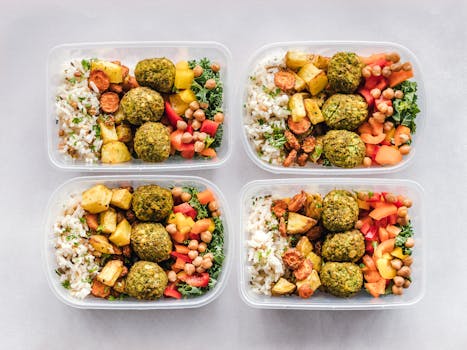 Photo: Ella Olsson / Pexels
Transitioning to or maintaining a high-protein vegan diet doesn't have to be complicated. With a little planning and creativity, you can easily design meals that are both delicious and nutritionally robust. The primary strategy is to think about protein at every meal and snack, ensuring you're not just relying on incidental protein from grains or vegetables, but actively incorporating dedicated protein sources. This approach guarantees satiety, supports muscle maintenance and growth, and provides sustained energy throughout your day.
**Breakfast Power-Ups:** Start your day strong. Instead of just toast, opt for oatmeal topped with hemp seeds, chia seeds, and a dollop of almond or peanut butter. A tofu scramble with nutritional yeast and black salt (for an eggy flavor) is another excellent option, paired with some whole-grain toast and avocado. Vegan protein smoothies, blending plant-based protein powder (pea, rice, or hemp), leafy greens, fruit, and plant milk, are quick, convenient, and highly customizable. Consider adding a tablespoon of flax seeds for extra omega-3s and fiber. Even a simple breakfast can be protein-packed by adding a side of edamame or a handful of nuts.
**Lunch & Dinner Staples:** These are prime opportunities to load up on protein. Lentil or bean-based soups and stews are incredibly hearty and nutrient-dense. A large salad can become a complete meal by adding generous portions of chickpeas, black beans, baked tofu or tempeh, and a sprinkle of pumpkin seeds. Whole-grain pasta dishes can be boosted with lentil-based marinara sauce or a creamy cashew sauce with added nutritional yeast. Stir-fries are fantastic for incorporating edamame, tofu, and plenty of colorful vegetables over quinoa or brown rice. Vegan burgers made from black beans, lentils, or mushrooms are satisfying and can be served on whole-grain buns. Don't forget about tacos or burritos, stuffing them with seasoned beans, crumbled tempeh, and plenty of fresh salsa and guacamole. The versatility of these ingredients allows for endless culinary experimentation, making every meal an exciting adventure. For more meal ideas, explore our recipes for
high-protein vegan dinners.
**Smart Snacking:** Don't let hunger sabotage your protein goals between meals. Keep healthy, protein-rich snacks readily available. Roasted chickpeas, a handful of almonds or walnuts, a spoonful of peanut butter on apple slices, or veggie sticks with hummus are all excellent choices. Vegan protein bars can also be a convenient option when you're on the go, but always check their sugar and ingredient content. Edamame, either shelled or in the pod, makes for a quick and satisfying snack. A small bowl of leftover lentil salad or a mini tofu skewer can also tide you over until your next main meal. The key is to be prepared and have these options within reach to avoid reaching for less nutritious alternatives. By strategically integrating these protein sources throughout your day, you'll not only meet your nutritional needs but also feel more energized and satiated, making your vegan journey both sustainable and enjoyable.
Avoiding Common Pitfalls and Maximizing Absorption
 Photo: Mike / Pexels
While a vegan diet offers abundant protein, certain considerations can help you optimize absorption and avoid common dietary pitfalls. One frequent mistake is relying too heavily on processed vegan foods as primary protein sources. While convenient, many vegan 'meats' or 'cheeses' can be high in sodium, unhealthy fats, and refined ingredients, detracting from the overall health benefits. Focus on whole, unprocessed plant foods first, using processed alternatives sparingly.
Another pitfall is inadequate caloric intake. Plant foods, especially whole ones, are often less calorie-dense than animal products. If you're not eating enough calories, you might inadvertently fall short on protein, as your body will use protein for energy instead of its primary functions. Ensure you're eating enough to fuel your activity level, which often means larger portion sizes of nutrient-dense plant foods. Don't be afraid of healthy fats from avocados, nuts, and seeds, which can help increase caloric density and nutrient absorption.
Maximizing protein absorption involves more than just eating protein. Here are key tips:
* **Combine Vitamin C with Iron-Rich Plant Proteins:** Many plant-based protein sources, like lentils and spinach, are also rich in non-heme iron. Vitamin C significantly enhances the absorption of non-heme iron. Pair your iron-rich proteins with foods like bell peppers, citrus fruits, tomatoes, or broccoli to boost absorption.
* **Soaking and Sprouting:** Legumes, grains, nuts, and seeds contain phytic acid, an antinutrient that can inhibit the absorption of minerals. Soaking, sprouting, or fermenting these foods can reduce phytic acid content, making nutrients more bioavailable. This is why tempeh (fermented soybeans) is often easier to digest and more nutrient-rich than plain tofu.
* **Cooking Methods:** Proper cooking can also aid digestion and nutrient release. Cooking legumes thoroughly breaks down complex carbohydrates, making them easier to digest and their proteins more accessible.
* **Gut Health:** A healthy gut microbiome is crucial for nutrient absorption. Incorporate fermented foods like kimchi, sauerkraut, and vegan yogurt, and plenty of fiber-rich plant foods to support a thriving gut environment.
* **Hydration:** Staying well-hydrated is essential for all bodily functions, including nutrient transport and protein metabolism. Drink plenty of water throughout the day.
By being mindful of these strategies, you can ensure your body is not only getting enough protein from diverse plant sources but also effectively utilizing it for optimal health and well-being. This holistic approach ensures you're thriving on your vegan journey.