Smart Meal Prep Ideas for Weight Loss: Your Ultimate Guide
meal prep ideas for weight loss

Smart Meal Prep Ideas for Weight Loss: Your Ultimate Guide

Transform your health and shed pounds effortlessly with these actionable meal prep strategies and delicious recipes.

Start Prepping Now

Key Takeaways

  • ✓ Meal prepping can save 5-10 hours weekly and significant money.
  • ✓ Focus on lean proteins, complex carbohydrates, and abundant vegetables.
  • ✓ Batch cooking staples like grains and roasted vegetables simplifies daily meals.
  • ✓ Strategic meal prep reduces impulsive, unhealthy food choices.

How It Works

1
Plan Your Week

Dedicate time to plan your meals, snacks, and grocery list. This prevents stress and ensures you have all necessary ingredients.

2
Shop Smart

Stick to your grocery list to avoid impulse buys and unhealthy temptations. Focus on fresh, whole ingredients for optimal nutrition.

3
Batch Cook Staples

Prepare foundational ingredients like cooked grains, roasted vegetables, and grilled proteins in larger quantities. This forms the base for multiple meals.

4
Assemble & Store

Combine your prepped ingredients into complete meals or store them separately to mix and match. Proper storage ensures freshness and safety.

Understanding the Power of Strategic Meal Planning for Weight Loss
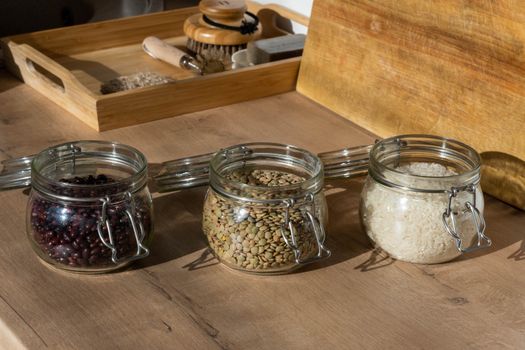
Glass jars of beans, lentils, and uncooked rice on a wooden table with warm lighting. Photo: Ron Lach / Pexels
Embarking on a weight loss journey often feels like an uphill battle, fraught with temptations, time constraints, and the sheer effort of making healthy choices day in and day out. This is precisely where the transformative power of strategic meal planning, specifically meal prep, comes into play. It’s not just about cooking ahead; it's about creating a sustainable system that supports your weight loss goals by removing common obstacles. At its core, meal prepping for weight loss is about taking control of your food environment. When you've got healthy, portion-controlled meals ready to go, you're less likely to reach for convenient, calorie-dense, and often nutrient-poor options when hunger strikes or time is short. Think about those moments of decision: a hectic workday lunch, a late evening craving, or a weekend where cooking feels like a chore. Without a plan, these are prime opportunities for derailing your progress. With thoughtful meal prep, however, you have a delicious, nutritious alternative waiting, making the healthy choice the easy choice. Beyond convenience, meal prep offers unparalleled control over your caloric intake and macronutrient balance. When you cook your own meals, you know exactly what ingredients are going into your body. This eliminates hidden sugars, excessive unhealthy fats, and unnecessarily large portions that often accompany takeout or restaurant meals. For weight loss, understanding and managing these factors is paramount. You can tailor your meals to be rich in lean protein, which promotes satiety and muscle preservation; packed with fiber from complex carbohydrates and vegetables, which aids digestion and keeps you full; and contain healthy fats essential for hormone function and nutrient absorption. Another significant benefit is financial. Eating out frequently or relying on processed foods can quickly drain your wallet. Meal prepping, by utilizing bulk ingredients, seasonal produce, and smart grocery shopping, can drastically cut down your food expenses. This financial saving can then be reinvested into higher quality ingredients or other aspects of your wellness journey. It's a win-win: better health and more money in your pocket. The psychological aspect is also crucial. Successfully executing a meal prep routine instills a sense of accomplishment and discipline, which can positively impact other areas of your life. It builds a habit of mindful eating and forward-thinking, key components for long-term weight management. It's not just about the food; it's about cultivating a healthier lifestyle. Cultivating healthy eating habits is a cornerstone of sustainable weight loss, and meal prepping is an excellent tool to achieve this. By embracing meal prep, you're not just preparing food; you're preparing for success, resilience, and a healthier, lighter you. It's a strategic investment in your well-being that pays dividends far beyond the scale.

Essential Components of a Successful Weight Loss Meal Prep Strategy
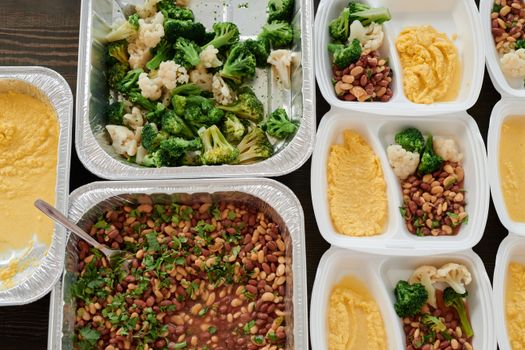
Healthy meal prep with broccoli, beans, and polenta in containers. Photo: Julia M Cameron / Pexels
To effectively use meal prep as a tool for weight loss, it's crucial to understand the foundational components that make a meal both satisfying and conducive to shedding pounds. This isn't just about throwing food into containers; it's about building balanced, nutritious meals that fuel your body and keep hunger at bay. The three pillars of a successful weight loss meal are lean protein, complex carbohydrates, and an abundance of non-starchy vegetables. Lean protein is your best friend when it comes to weight loss. Foods like chicken breast, turkey, fish (salmon, cod, tilapia), lean beef, eggs, tofu, tempeh, and legumes are excellent sources. Protein is vital for muscle repair and growth, but more importantly for weight loss, it's incredibly satiating. Including a substantial portion of protein in each meal helps you feel fuller for longer, reducing the likelihood of snacking on unhealthy items between meals. When meal prepping, consider cooking a large batch of grilled chicken, baked salmon, or hard-boiled eggs that can be easily added to various meals throughout the week. This versatility is key to avoiding meal fatigue. Next, complex carbohydrates provide sustained energy and essential fiber. Unlike simple carbohydrates, which cause rapid blood sugar spikes and crashes, complex carbs like brown rice, quinoa, oats, sweet potatoes, whole-grain pasta, and whole-wheat bread release energy slowly, keeping you energized and preventing cravings. Fiber, a type of complex carbohydrate, is also crucial for digestive health and contributes to satiety. Aim for reasonable portion sizes of these carbohydrates, as even healthy carbs can contribute to excess calories if consumed in large quantities. Pre-cook your grains or roast sweet potatoes in advance, making them ready to scoop into your meal prep containers. Finally, non-starchy vegetables are the unsung heroes of weight loss meal prep. Broccoli, spinach, kale, bell peppers, zucchini, green beans, asparagus, and cauliflower are low in calories but high in vitamins, minerals, and fiber. They add significant volume to your meals without adding many calories, helping you feel full and satisfied. Don't shy away from loading up on these! Roasting, steaming, or sautéing large batches of mixed vegetables can be done once and then portioned out for several days. They pair well with almost any protein and carb source, adding color, texture, and a wealth of nutrients to your plate. Beyond these macronutrient considerations, don't forget healthy fats from sources like avocado, nuts, seeds, and olive oil. While calorie-dense, these fats are essential for hormone production, nutrient absorption, and also contribute to satiety. Use them in moderation, perhaps as a dressing for salads or a sprinkle of seeds on your breakfast oats. By focusing on these essential components, you can craft a diverse array of delicious, satisfying, and effective meals that support your weight loss journey week after week, making healthy eating a sustainable and enjoyable part of your life.

Delicious and Easy Meal Prep Ideas for Weight Loss: Recipes & Strategies
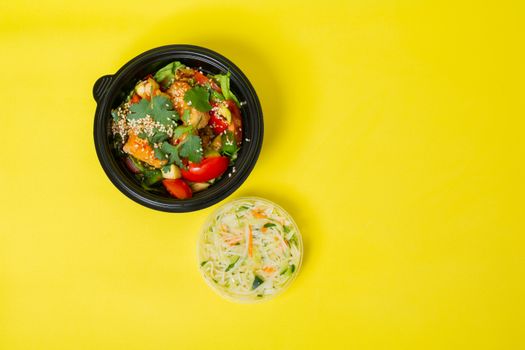
Colorful vegetable salad in a bowl with a yellow background for healthy eating concepts. Photo: Ivan Babydov / Pexels
Now that we understand the 'why' and 'what' of weight loss meal prep, let's dive into the 'how' with practical, delicious, and easy-to-implement meal prep ideas. The key to long-term success is variety and simplicity, ensuring you don't get bored and that the process doesn't feel overwhelming. Here are some go-to recipes and strategies that can form the backbone of your weekly meal plan. For breakfast, overnight oats are a game-changer. Combine rolled oats, unsweetened almond milk, chia seeds, a scoop of protein powder, and your favorite fruit (berries are excellent for antioxidants and fiber). Prepare 3-4 jars on Sunday night, and you have grab-and-go breakfasts for half the week. Another option is a batch of egg muffins: whisk eggs with chopped vegetables (spinach, bell peppers, onions) and a sprinkle of low-fat cheese, pour into muffin tins, and bake. These are perfect for quick protein-packed mornings. You can also hard-boil a dozen eggs to have on hand for a quick protein boost or to add to salads. Lunch and dinner often merge in meal prep, as many recipes can serve both. One of the most versatile ideas is the 'Buddha Bowl' concept. Prepare a base of cooked whole grains (quinoa, brown rice, farro) and a lean protein (grilled chicken, baked salmon, roasted chickpeas, or black beans). Then, roast a large tray of colorful vegetables like broccoli, sweet potatoes, bell peppers, and zucchini. Assemble your bowls by combining a portion of grains, protein, and vegetables. You can vary the flavors throughout the week with different dressings or spices – a lemon-tahini dressing one day, a balsamic vinaigrette the next, or a sprinkle of everything bagel seasoning. This strategy provides endless combinations, preventing palate fatigue. Another excellent option is a hearty chili or lentil soup. These recipes are perfect for batch cooking in a large pot or slow cooker. They are incredibly flavorful, packed with fiber and protein, and freeze beautifully. Make a big batch on the weekend, portion it into individual containers, and freeze some for later in the month. This is an excellent way to ensure you always have a healthy, warm meal readily available, especially for those colder evenings or busy days. Sheet pan meals are also fantastic for simplicity. Toss chopped chicken or fish with various vegetables (e.g., asparagus, cherry tomatoes, potatoes) and your favorite spices on a single baking sheet, roast until cooked, and then portion out. Minimal cleanup and maximum flavor! For snacks, focus on whole foods that provide sustained energy and curb cravings. Portion out raw nuts and seeds, pre-cut vegetable sticks with hummus, Greek yogurt with berries, or apple slices with a tablespoon of peanut butter. Having these pre-portioned and ready to grab is crucial for avoiding the vending machine or unhealthy snack aisle. Remember, the goal is to make healthy eating as convenient as possible. By integrating these healthy snack recipes and meal strategies, you'll find that staying on track with your weight loss goals becomes not only achievable but also enjoyable, empowering you to make consistent, positive food choices.

Common Meal Prep Mistakes to Avoid and Expert Tips for Success
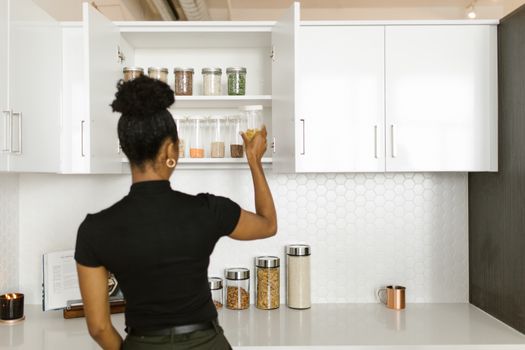
A woman organizing a pantry shelf with various food jars in a modern kitchen. Photo: RDNE Stock project / Pexels
While meal prepping is a powerful tool for weight loss, it's not without its potential pitfalls. Avoiding common mistakes and implementing expert tips can significantly enhance your success and make the process more enjoyable and sustainable. **Common Meal Prep Mistakes to Avoid:** * **Lack of Variety:** Eating the same meal every day can lead to boredom and eventual abandonment of your meal prep efforts. Vary your proteins, vegetables, and seasonings. * **Incorrect Portion Sizes:** Even healthy foods can contribute to weight gain if consumed in excess. Use measuring cups and a food scale initially to ensure accurate portioning for weight loss. * **Neglecting Storage:** Improper storage can lead to food spoilage, waste, and even foodborne illness. Invest in high-quality, airtight containers and understand food safety guidelines for refrigeration and freezing. * **Over-Complicating Recipes:** Starting with overly complex recipes can be discouraging. Begin with simple, straightforward meals and gradually introduce more intricate dishes as you gain confidence. * **Forgetting Snacks:** Skipping snack prep can leave you vulnerable to unhealthy choices between meals. Plan and prepare healthy snacks just as diligently as your main meals. * **Prepping Too Much Too Soon:** While batch cooking is great, some foods don't hold up well for an entire week. Learn which ingredients are best prepared closer to consumption (e.g., delicate greens, avocado). **Expert Tips for Meal Prep Success:** * **Invest in Quality Containers:** Glass containers are excellent as they are microwave-safe, dishwasher-safe, and don't absorb odors or stains. Look for ones with secure, leak-proof lids. * **Create a Master List of Go-To Meals:** Have a rotating list of 5-7 breakfast, lunch, and dinner recipes that you enjoy and are easy to prep. This reduces decision fatigue. * **Theme Your Prep Days:** Dedicate a specific day (e.g., Sunday) to planning, shopping, and cooking. This creates a routine and helps you stay organized. * **Utilize Kitchen Gadgets:** A slow cooker, instant pot, or air fryer can be invaluable for efficient batch cooking, freeing up oven and stovetop space. * **Season Generously (and Healthily!):** Don't be afraid to use a variety of herbs and spices to add flavor without extra calories. Lemon juice, vinegar, and low-sodium broths are also great flavor enhancers. * **Don't Be Afraid to Semi-Homemade:** Use pre-chopped vegetables, rotisserie chicken, or canned beans to save time when needed. It's okay to take shortcuts if it keeps you on track. * **Track Your Progress:** Keep a food journal or use an app to monitor your intake and see how different meals affect your energy levels and weight loss. This provides valuable feedback and motivation. * **Involve Your Family:** If you live with others, get them involved in the planning or prepping. This can make the process more enjoyable and ensure everyone is on board with healthier eating. By being mindful of these common pitfalls and incorporating these expert tips, you can transform your meal prep routine into a highly effective and sustainable strategy for achieving your weight loss goals.

Comparison

FeatureBest OptionAlternative 1Alternative 2
Protein SourceGrilled Chicken BreastBaked SalmonLentils/Chickpeas
Carbohydrate BaseQuinoaBrown RiceSweet Potato
Vegetable VarietyRoasted Mixed VeggiesSteamed Broccoli/Green BeansLarge Leafy Green Salad
Storage ContainerGlass Meal Prep ContainersBPA-Free Plastic ContainersMason Jars (for salads/oats)

What Readers Say

"These meal prep ideas for weight loss have completely changed my weekly routine! I've lost 8 pounds in a month just by consistently eating these prepped meals. So grateful for the variety and ease."

Sarah J. · Austin, TX

"Finally, meal prep strategies that actually work for a busy professional. No more unhealthy lunches, and I'm feeling so much more energized throughout the day. The recipes are genuinely tasty."

Mark D. · Chicago, IL

"I used to dread cooking, but this guide made meal prepping for weight loss so approachable. I've successfully dropped 15 pounds and have kept it off by following these simple, effective ideas."

Jessica L. · Denver, CO

"Good ideas overall, some recipes took a bit longer than I expected initially, but once I got the hang of it, it became much faster. Definitely helps me stay on track with my diet."

Carlos R. · Miami, FL

"As a new mom, finding time for healthy meals was impossible. These meal prep ideas for weight loss have been a lifesaver, allowing me to focus on my baby while still prioritizing my health and shedding the baby weight."

Emily K. · Seattle, WA

Frequently Asked Questions

What are the best meal prep ideas for weight loss if I'm a beginner?

Start with simple recipes like overnight oats for breakfast, sheet pan chicken and veggies for lunch/dinner, or large batches of chili. Focus on batch cooking individual components like grains, roasted vegetables, and grilled protein, then combine them differently throughout the week to maintain variety and prevent boredom. This approach minimizes complexity while maximizing healthy options.

Will I get bored eating the same meal prep ideas for weight loss every day?

Not if you plan smartly! The key is variety. Instead of prepping the exact same meal for 5 days, prep versatile components (e.g., grilled chicken, roasted sweet potatoes, steamed broccoli) that can be combined in different ways with varying sauces, spices, or fresh additions. This allows for diverse flavors and textures without extra cooking time.

How long do meal prepped meals typically last in the fridge?

Most cooked meal prepped dishes, when stored properly in airtight containers, will last 3-4 days in the refrigerator. Some items like chili or stews can last up to 5 days. Delicate greens or fresh sauces might need to be added closer to consumption. Freezing is an excellent option for extending shelf life beyond 4 days.

Is meal prepping for weight loss more expensive than buying groceries as needed?

Generally, meal prepping is significantly more cost-effective. By planning your meals, buying ingredients in bulk, and reducing food waste, you can save a substantial amount of money compared to spontaneous grocery trips, eating out, or relying on convenience foods. It encourages mindful purchasing and utilizes ingredients fully.

How does meal prepping compare to commercial meal delivery services for weight loss?

Meal prepping offers greater control over ingredients, portion sizes, and dietary preferences, often at a much lower cost. Commercial services provide convenience but can be expensive and may not always align perfectly with your specific dietary needs or taste preferences. Meal prepping allows for personalization and budget flexibility that services often lack.

Who should consider using meal prep ideas for weight loss?

Anyone looking to lose weight, improve their diet, save time, and reduce food waste can benefit from meal prepping. It's particularly ideal for busy individuals, those on a budget, or anyone who struggles with making healthy food choices spontaneously due to time constraints or lack of planning.

What are the safety considerations when meal prepping?

Food safety is paramount. Ensure all food is cooked to proper temperatures, cool hot foods quickly before refrigerating (within 2 hours), store in airtight containers, and reheat thoroughly. Avoid cross-contamination between raw and cooked foods. Discard any food that smells off or has been left at room temperature for too long.

What future trends might impact meal prep for weight loss?

Expect to see more innovative storage solutions, advanced food preservation techniques, and a greater emphasis on plant-based and sustainable meal prep options. Personalized nutrition, driven by AI and genetic insights, could also lead to highly customized meal prep plans tailored to individual metabolic needs and weight loss goals.

Ready to take control of your weight loss journey? Embrace these meal prep ideas for weight loss and transform your approach to healthy eating. Start planning, cooking, and enjoying delicious, nutritious meals that bring you closer to your goals every day.

Topics: meal prep ideas for weight losshealthy meal prep recipeslose weight meal prepweekly meal planningdiet meal prep
Leo List

DK Escorts LU Escorts AT Escorts SE Escorts FI Escorts CH Escorts DE Escorts HR Escorts IE Escorts GR Escorts CZ Escorts NO Escorts BE Escorts FR Escorts SI Escorts IL Escorts NL Escorts PL Escorts HU Escorts ES Escorts IT Escorts PT Escorts SK Escorts RO Escorts ZA Escorts UY Escorts US Escorts UK Escorts NZ Escorts AU Escorts
Brampton weed
Adultwork EstrelaBet Vai de Bet R7 Bet Betão Galera Bet Rainbet Bet9ja Shop SportyBet BetKing Sisal Loto Foot Hollywoodbets YesPlay Odibets RushBet Jugabet BetWarrior BetCity MSport betPawa Fortebet