Your Ultimate Gluten Free Baking Substitutes List
July 16, 2026 15 min read 3,060 words
Unlock the secrets to delectable gluten-free baking with this essential guide to flours, binders, and more.
Start Baking Now
Demystifying Gluten-Free Flours: Your Essential Guide
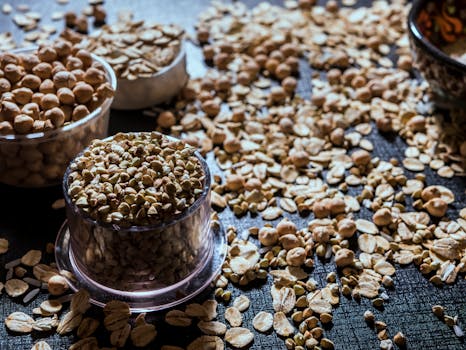 Photo: Mike / Pexels
Embarking on the journey of gluten-free baking can feel like navigating a culinary labyrinth, especially when confronted with the vast array of flour options available. The cornerstone of any successful gluten-free baked good lies in understanding and selecting the right flour or, more often, the right blend of flours. Unlike wheat flour, which contains gluten—a protein network responsible for elasticity, structure, and chewiness—gluten-free flours lack this inherent binding agent. This means that replicating the familiar textures of traditional baked goods requires a strategic approach, combining different flours to achieve a balanced profile of protein, starch, and fiber.
Let's dive into some of the most popular and effective gluten-free flours you'll encounter on your gluten free baking substitutes list. Rice flour, both white and brown, is a staple. White rice flour is finely ground and offers a neutral flavor, making it versatile for cakes, cookies, and lighter pastries. Brown rice flour, on the other hand, retains more of the grain's nutrients and has a slightly nutty flavor, adding depth to bread and heartier baked goods. However, using rice flour alone can lead to a gritty texture, so it's best combined with other flours.
Learn more about gluten-free flour blends.
Another widely used option is almond flour, made from blanched, ground almonds. It's high in protein and healthy fats, contributing to a moist, tender crumb and a rich flavor. Almond flour is excellent for muffins, cakes, and even some crusts, but its lack of starch means it needs to be balanced with other flours for structure. Coconut flour is a highly absorbent, fiber-rich flour derived from dried coconut meat. It boasts a distinct, slightly sweet flavor and a dense texture, making it ideal for adding moisture and richness to baked goods. Due to its absorbency, you'll typically use much less coconut flour than other flours and will need to increase the liquid content in your recipes.
For starchy components, tapioca flour (also known as tapioca starch) and potato starch are invaluable. Tapioca flour provides chewiness and crispiness, excellent for thickening sauces and adding elasticity to gluten-free doughs. Potato starch, similar to tapioca, contributes to a light, tender crumb and improved texture. Both are excellent for balancing heavier, protein-rich flours. Sorghum flour, a whole grain flour, offers a mild, slightly sweet flavor and a soft texture, making it a good all-purpose option in blends for bread, cookies, and pancakes. Millet flour is another nutritious whole grain choice, providing a delicate, slightly sweet flavor and a fine texture.
Finally, oat flour, when certified gluten-free, is a fantastic addition to your arsenal. It lends a chewy texture and a subtle, earthy flavor, perfect for cookies, quick breads, and pancakes. Remember that cross-contamination can be an issue with oats, so always look for products explicitly labeled 'certified gluten-free.' The key takeaway is that successful gluten-free baking rarely relies on a single flour. Instead, it’s about creating a harmonious blend that mimics the functional properties of wheat flour, ensuring your baked goods are not only safe but also delicious and satisfying. Experimentation and understanding the unique characteristics of each flour are your best allies in this culinary adventure.
The Power of Binders and Thickeners: Beyond Flour
 Photo: SweeMing YOUNG / Pexels
While a thoughtfully crafted gluten-free flour blend forms the foundation of your baked goods, it's the binders and thickeners that truly elevate them from crumbly disappointments to perfectly structured delights. In traditional baking, the gluten network provides elasticity, holds gases, and prevents baked goods from falling apart. Without this natural binder, gluten-free flours often result in a fragile, brittle texture. This is where the magic of binders comes in, acting as the 'glue' that holds everything together, mimicking gluten's role in providing structure, improving texture, and enhancing moisture retention. Including these essential ingredients in your gluten free baking substitutes list is non-negotiable for success.
Perhaps the most ubiquitous gluten-free binder is xanthan gum. Derived from the fermentation of sugar, xanthan gum is a powerful polysaccharide that, even in small quantities, significantly improves the elasticity and structure of gluten-free doughs and batters. It helps trap air bubbles, leading to a lighter, more airy crumb in breads and cakes, and prevents cookies from spreading too much. However, too much xanthan gum can lead to a gummy or slimy texture, so precision is key. A general guideline is about ¼ teaspoon per cup of gluten-free flour blend for cookies and cakes, and up to ½ teaspoon for yeast breads.
Psyllium husk, another excellent binder, is gaining popularity for its incredible ability to absorb moisture and create a gel-like consistency. Unlike xanthan gum, which primarily provides elasticity, psyllium husk adds both structure and a pleasant chewiness, making it particularly effective in gluten-free bread recipes. It contributes to a softer crumb and helps prevent baked goods from drying out. You can use it in whole form or ground into a powder, with the latter often requiring slightly less quantity. For many bread recipes, 1-2 tablespoons per cup of flour blend can make a significant difference.
Discover more about natural binders.
Chia seeds and ground flaxseeds (also known as flax meal) are fantastic natural binders that also offer nutritional benefits, including omega-3 fatty acids and fiber. When mixed with water, both form a gelatinous 'egg' that can effectively replace traditional eggs in many vegan and gluten-free recipes, or simply act as an additional binder. To make a 'chia egg' or 'flax egg,' combine 1 tablespoon of ground seeds with 3 tablespoons of water and let it sit for 5-10 minutes until it thickens. This mixture is excellent for muffins, cookies, and quick breads.
Guar gum, similar to xanthan gum, is another hydrocolloid that serves as a thickening and binding agent. It's often used interchangeably with xanthan gum, though some bakers find xanthan gum to offer a slightly better texture. If using guar gum, you typically use slightly more than xanthan gum. Egg whites, when not used as a leavening agent, can also contribute to binding and structure, especially in meringue-based desserts or lighter cakes. Understanding these binders and their specific roles will empower you to create gluten-free baked goods that hold together beautifully, taste amazing, and defy the common stereotypes of dry and crumbly gluten-free treats.
Essential Additions: Fats, Sweeteners, and Leavening Agents
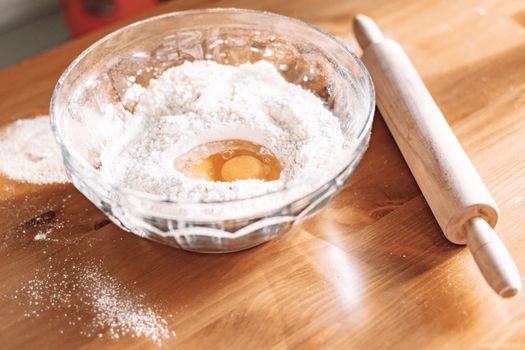 Photo: ROMAN ODINTSOV / Pexels
Beyond the foundational flours and crucial binders, the success of gluten-free baking hinges on the careful consideration of fats, sweeteners, and leavening agents. These components play integral roles in flavor, moisture, texture, and rise, and their interaction with gluten-free ingredients can differ significantly from traditional baking. Mastering these elements will undoubtedly enhance your gluten free baking substitutes list.
Fats are paramount for moisture and tenderness in gluten-free baking, as many gluten-free flours tend to be drier and absorb more liquid than wheat flour. Butter, coconut oil, vegetable oil, and shortening are all viable options, but their choice can impact the final product. Butter not only adds rich flavor but also contributes to tenderness and flakiness, especially in pie crusts and cookies. Coconut oil, a popular plant-based alternative, can add a subtle coconut flavor and provides excellent moisture. Its solid state at room temperature also makes it a good substitute for butter in many recipes. Vegetable oils (like canola or grapeseed) offer a neutral flavor and help keep baked goods moist and soft, particularly in cakes and muffins. Shortening, while less common in health-conscious baking, can provide exceptional flakiness and tenderness, especially in biscuits and certain pie crusts. The key is to ensure adequate fat content to counteract the often drier nature of gluten-free flours, preventing a crumbly or tough result. Sometimes, increasing the fat slightly from a traditional recipe can make a big difference in gluten-free versions.
Sweeteners not only provide flavor but also contribute to browning, moisture, and tenderness. Granulated sugar, brown sugar, honey, maple syrup, and agave nectar are all frequently used. Granulated sugar provides crispness and helps with browning. Brown sugar adds moisture and a caramel-like flavor due to its molasses content, making it excellent for chewy cookies and moist cakes. Liquid sweeteners like honey and maple syrup contribute unique flavors and can add significant moisture, but they may also affect the overall liquid balance of a recipe. When substituting liquid for granulated sweeteners, you might need to slightly reduce other liquids in the recipe to maintain the correct consistency. Artificial sweeteners are also an option for sugar-free needs, but their impact on texture and volume can vary greatly, often requiring additional binders or moistening agents.
Explore healthy gluten-free desserts.
Leavening agents are responsible for the rise and airy texture of baked goods. Baking soda, baking powder, and yeast are the primary players. Baking soda requires an acidic ingredient (like buttermilk, lemon juice, or vinegar) to activate and produce carbon dioxide, creating lift. Baking powder, a combination of baking soda, an acid, and a starch, is a complete leavening agent that reacts when wet and again when heated. For gluten-free recipes, ensuring your baking powder is aluminum-free can sometimes yield a better flavor. Yeast, essential for traditional breads, functions similarly in gluten-free yeast breads, though the dough will often be stickier and less elastic due to the absence of gluten. It's crucial to give yeast-leavened gluten-free doughs ample time to rise in a warm, draft-free environment. Sometimes, a slightly higher proportion of yeast or a longer proofing time is beneficial to achieve a good rise. Experimentation with these components, always considering the specific properties of your chosen gluten-free flours, will lead to consistently delightful baking results.
Troubleshooting and Advanced Tips for Gluten-Free Baking Success
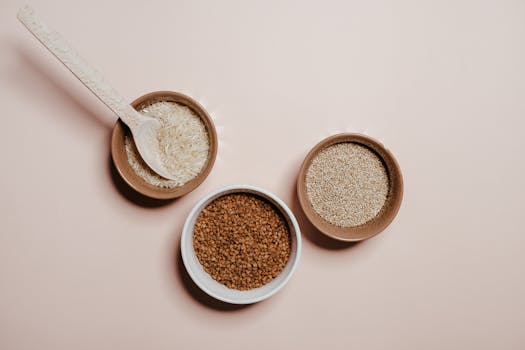 Photo: Vie Studio / Pexels
Even with the best gluten free baking substitutes list and a solid understanding of individual ingredients, gluten-free baking can present unique challenges. Knowing how to troubleshoot common issues and employing advanced techniques can transform your baking from hit-or-miss to consistently spectacular. Here are some key tips and common pitfalls to avoid:
**Common Troubleshooting Scenarios:**
* **Crumbly Texture:** This is often the most common complaint. It usually indicates insufficient binder (xanthan gum, psyllium husk, flax/chia egg) or lack of moisture/fat. Try slightly increasing your binder or adding a bit more oil, applesauce, or an extra egg yolk. Allowing doughs/batters to rest for 15-30 minutes before baking can also help hydrate flours and reduce crumbliness.
* **Gummy or Dense Texture:** This can be a sign of too much binder, too much starch, or not enough leavening. Reduce the amount of xanthan gum or psyllium husk. Ensure your flour blend has a good balance of protein and starch, not just starch. Check your baking powder/soda for freshness.
* **Spreading Too Much (Cookies):** This often means too much liquid, not enough flour, or too little binder. Chill your cookie dough thoroughly before baking. Increase a tiny bit of flour or xanthan gum.
* **Dry Baked Goods:** Many gluten-free flours are thirsty. Increase fats (butter, oil) or liquid (milk, water, purees like applesauce or pumpkin). Over-baking is another culprit; always check for doneness early.
**Advanced Tips for Optimal Results:**
1. **Always Use a Scale:** Gluten-free flours vary significantly in density. Measuring by weight (grams) rather than volume (cups) provides far more accurate and consistent results, crucial for success.
2. **Create Your Own Flour Blends:** While commercial blends are convenient, learning to mix your own allows for customization. A good starting point is 60% whole grain gluten-free flour (like brown rice, sorghum, millet) and 40% starch (tapioca, potato, cornstarch). Adjust based on the recipe and desired texture.
3. **Hydration is Key:** Gluten-free flours absorb liquid differently and often require more. Don't be afraid to add a tablespoon or two of extra liquid if your batter seems too thick. Conversely, if it's too thin, a spoonful of a neutral-tasting starch can help.
4. **Don't Overmix:** Just like with wheat flour, overmixing can lead to tough baked goods, even without gluten. Mix until just combined to activate binders without developing unwanted textures.
5. **Rest Your Doughs and Batters:** This is a game-changer! Allowing doughs and batters to rest for 15-30 minutes (or even overnight for some breads) allows flours to fully hydrate, resulting in a less gritty texture and better structure.
6. **Adjust Baking Time and Temperature:** Gluten-free items sometimes bake faster or slower, and can brown more quickly. Keep an eye on them and adjust as needed. Lowering the temperature slightly and baking longer can help ensure even cooking without over-browning.
7. **Embrace Purees:** Applesauce, mashed banana, pumpkin puree, or sweet potato puree can add incredible moisture, natural sweetness, and even act as binders, reducing the need for other fats or eggs.
8. **Flavor Enhancers:** Gluten-free flours can sometimes have subtle flavors. Don't shy away from vanilla extract, spices, citrus zest, or extracts to boost the overall taste profile.
By understanding these nuances and integrating these advanced tips into your baking routine, you'll overcome common hurdles and consistently produce delicious, well-textured gluten-free baked goods that impress even the most discerning palates. Happy baking!
