Unleash Your Strength: Vegan Meal Plans for Muscle Gain
vegan meal plans for muscle gain

Unleash Your Strength: Vegan Meal Plans for Muscle Gain

Transform your physique and elevate your performance with expertly crafted plant-based nutrition strategies.

Start Your Vegan Muscle Journey

Key Takeaways

  • ✓ Plant-based diets can effectively support muscle growth with proper planning.
  • ✓ Protein intake is crucial, with sources like legumes, tofu, tempeh, and seitan.
  • ✓ Calorie surplus is necessary for muscle gain, even on a vegan diet.
  • ✓ Micronutrient density and strategic supplementation are key for optimal health and performance.

How It Works

1
Calculate Your Needs

Determine your daily caloric and macronutrient requirements based on your activity level and muscle gain goals. Use online calculators as a starting point.

2
Prioritize Protein Sources

Integrate a variety of high-quality vegan protein sources into every meal. Aim for 1.6-2.2 grams of protein per kilogram of body weight.

3
Structure Your Meals

Plan 3-5 balanced meals and 1-2 snacks daily, ensuring each includes protein, complex carbohydrates, and healthy fats. Consistency is paramount for results.

4
Monitor and Adjust

Track your progress, energy levels, and body composition. Be prepared to adjust your meal plan and caloric intake as your body adapts and goals evolve.

The Science Behind Vegan Muscle Growth and Nutrition
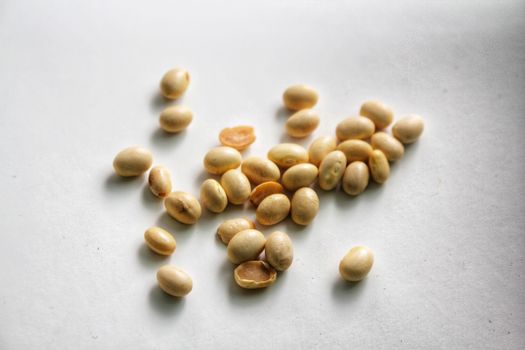
Close-up image of soybeans scattered on a white surface. Photo: MOROCCAN PHOTOGRAPHER / Pexels
For years, the narrative surrounding muscle building was heavily dominated by animal-based protein sources. However, a growing body of scientific evidence, coupled with countless real-world examples, unequivocally demonstrates that a well-planned vegan diet can be just as effective, if not more so, for achieving significant muscle gain. The fundamental principles of hypertrophy – progressive overload, sufficient caloric intake, and adequate protein synthesis – remain the same, regardless of dietary preference. The key lies in understanding how to optimally meet these requirements using plant-based foods. One of the primary concerns often raised about vegan diets for muscle gain is protein intake. It's a common misconception that plant proteins are 'incomplete' or inferior to animal proteins. While it's true that some individual plant sources might be lower in one or two essential amino acids, a varied vegan diet easily provides all nine essential amino acids. By consuming a diverse range of plant proteins throughout the day – such as legumes, grains, nuts, seeds, and soy products – you naturally achieve a complete amino acid profile. For instance, combining rice with beans, or hummus with whole-wheat pita, creates a complete protein meal. Furthermore, many plant proteins, like soy (tofu, tempeh, edamame), quinoa, and seitan, are naturally complete proteins on their own. The body is remarkably efficient at pooling amino acids from different sources consumed throughout the day, so strict 'protein combining' at every meal isn't as critical as once thought, as long as overall dietary diversity is maintained. Beyond protein, carbohydrates play a vital role in muscle growth. They are the body's primary energy source, fueling intense workouts and replenishing glycogen stores, which are essential for recovery and preventing muscle breakdown. Vegan diets are naturally rich in complex carbohydrates from whole grains, fruits, vegetables, and legumes. These provide sustained energy, fiber for digestive health, and a wealth of vitamins and minerals. Healthy fats, often overlooked, are equally important for hormone production (including testosterone, crucial for muscle synthesis), nutrient absorption, and overall cellular function. Avocado, nuts, seeds, and olive oil are excellent plant-based sources of these essential fats. Moreover, a plant-based diet often comes with an inherent advantage: a higher intake of antioxidants, phytonutrients, and fiber. Antioxidants combat oxidative stress induced by intense training, potentially aiding recovery and reducing inflammation. Phytonutrients offer a myriad of health benefits, supporting overall well-being, which indirectly contributes to better training adaptation and muscle growth. The high fiber content promotes gut health, which is increasingly recognized as critical for nutrient absorption and immune function. Therefore, far from being a limitation, a well-structured vegan diet can provide a robust nutritional foundation for optimal muscle development and athletic performance. For more insights on general healthy eating, explore our guide on balanced plant-based nutrition.

Crafting Your High-Protein Vegan Meal Plan
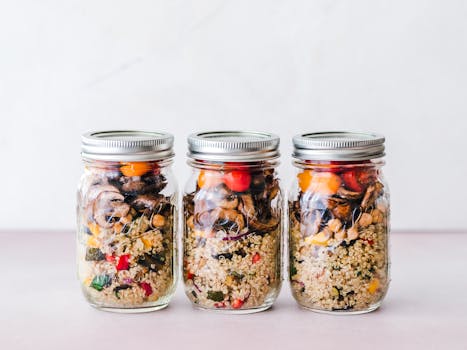
Colorful quinoa salad jar with roasted veggies, ideal for healthy meal prep. Photo: Ella Olsson / Pexels
Building muscle on a vegan diet requires strategic planning, especially when it comes to ensuring adequate protein intake and caloric surplus. The first step is to calculate your individual caloric and macronutrient needs. A general guideline for muscle gain is to consume a surplus of 300-500 calories above your maintenance level. For protein, aim for 1.6 to 2.2 grams per kilogram of body weight. This range ensures sufficient amino acids are available for muscle repair and growth. Remember, these are starting points, and you'll need to adjust based on your progress and how your body responds. Let's break down how to integrate high-protein vegan foods into a daily meal plan. **Breakfast:** Start your day strong. A protein-packed smoothie with vegan protein powder (pea, rice, hemp), spinach, banana, and almond milk is quick and effective. Alternatively, scrambled tofu with nutritional yeast, black salt (for an eggy flavor), and a side of whole-wheat toast or avocado offers a savory option. Overnight oats with chia seeds, flax seeds, a scoop of protein powder, and berries also provide sustained energy and protein. **Lunch:** Focus on nutrient density. A large salad with mixed greens, chickpeas, lentils, quinoa, and a generous portion of tempeh or grilled seitan is excellent. Dressings made with tahini or nut butter add healthy fats and calories. Another option is a hearty lentil soup or chili, served with a side of whole-grain bread. Leftovers from dinner can also be a convenient and effective lunch. **Dinner:** Make it a substantial meal. Black bean burgers on whole-wheat buns with sweet potato fries, or a large bowl of pasta with a lentil-based marinara sauce and a side of steamed broccoli, are great choices. Tofu or tempeh stir-fries with plenty of vegetables and brown rice are versatile and delicious. Don't shy away from larger portions to meet your caloric goals. **Snacks:** Crucial for bridging meals and boosting overall intake. Protein bars, a handful of almonds or walnuts, edamame, a small container of vegan yogurt with berries, or a rice cake with peanut butter are all excellent choices. Post-workout, a protein shake is highly recommended for immediate amino acid delivery to muscles. Variety is key not only for a complete amino acid profile but also for ensuring a wide spectrum of micronutrients. Don't rely on just one or two protein sources; rotate them throughout the week. Experiment with different spices and cooking methods to keep your meals exciting and prevent dietary fatigue. Remember, consistency in hitting your caloric and protein targets day in and day out is what ultimately drives muscle gain.

Essential Micronutrients and Supplementation for Vegan Athletes
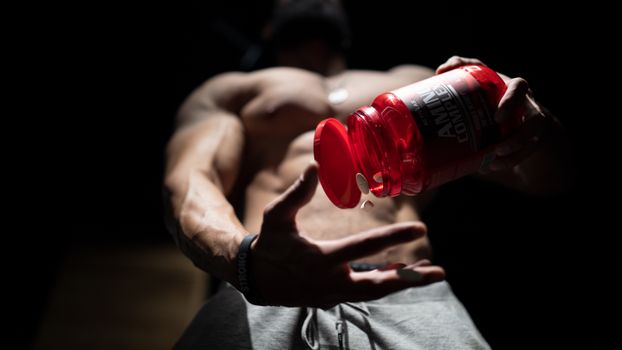
Shirtless muscular man pouring protein supplements from a bottle, showcasing fitness and strength. Photo: ibrahim hafedh / Pexels
While macronutrients (protein, carbs, fats) are the primary drivers of muscle growth, micronutrients (vitamins and minerals) are the unsung heroes that enable all bodily functions, including energy production, hormone regulation, and muscle repair. On a vegan diet, certain micronutrients require particular attention to ensure optimal health and performance. **Vitamin B12:** This is perhaps the most critical supplement for vegans. B12 is primarily found in animal products and is essential for nerve function, red blood cell formation, and DNA synthesis. Without it, you risk fatigue, weakness, and neurological issues. Fortified foods (plant milks, cereals, nutritional yeast) contain some B12, but a reliable supplement is highly recommended. **Vitamin D:** Often called the 'sunshine vitamin,' Vitamin D is crucial for bone health, immune function, and potentially muscle strength. While some can get enough from sun exposure, many, especially in northern climates or those with limited sun exposure, will benefit from supplementation. Look for D2 (ergocalciferol) or vegan D3 (cholecalciferol from lichen). **Iron:** While plant-based diets are rich in non-heme iron, it's not as readily absorbed as heme iron from animal sources. To enhance absorption, pair iron-rich plant foods (lentils, spinach, tofu, fortified cereals) with Vitamin C sources (citrus fruits, bell peppers, broccoli). Avoid consuming iron-rich foods with coffee or tea, which can inhibit absorption. **Calcium:** Essential for bone health and muscle contraction. Good vegan sources include fortified plant milks, tofu (calcium-set), collard greens, kale, broccoli, and sesame seeds. **Omega-3 Fatty Acids:** Alpha-linolenic acid (ALA) is found in flaxseeds, chia seeds, and walnuts. While the body can convert ALA to EPA and DHA (the forms found in fish oil), this conversion is often inefficient. A vegan EPA/DHA supplement derived from algae is a smart choice for optimal brain, heart, and joint health, and to reduce inflammation. **Iodine:** Important for thyroid function. Sea vegetables like nori and dulse are good sources, but intake can be variable. Iodized salt is a reliable source, or consider a supplement if you avoid iodized salt and sea vegetables. Beyond these, a high-quality vegan protein powder (pea, rice, hemp, or a blend) can be incredibly convenient for hitting protein targets, especially post-workout. Creatine monohydrate is another highly researched and effective supplement for muscle strength and power, and it is entirely vegan. While not strictly necessary, it can offer a significant advantage for those looking to maximize their gains. For further reading on optimizing your diet, check out our article on nutrient-dense vegan foods.

Common Mistakes and Advanced Strategies for Vegan Muscle Builders
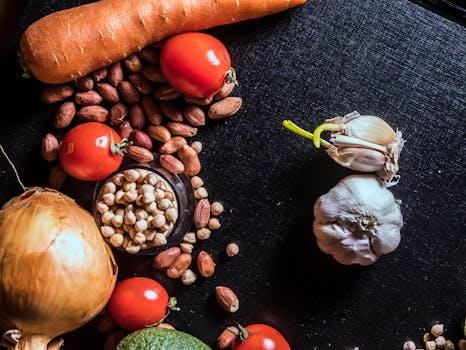
Top view of fresh vegetables and nuts arranged on a dark surface, showcasing raw ingredients. Photo: Mike / Pexels
Even with the best intentions, aspiring vegan bodybuilders can make mistakes that hinder their progress. Avoiding these pitfalls and implementing advanced strategies can significantly accelerate your muscle gain journey. **Common Mistakes to Avoid:** * **Under-eating Calories:** This is arguably the biggest mistake. Muscle growth requires a caloric surplus. Many new vegans, especially those transitioning from a standard diet, underestimate the caloric density needed from plant foods. Track your intake initially to ensure you're consistently in a surplus. * **Insufficient Protein Intake:** While we've covered this, it bears repeating. Not hitting your protein targets (1.6-2.2g/kg body weight) will limit muscle repair and growth. Don't just eat 'some' protein; ensure you're getting enough at every meal. * **Lack of Variety:** Relying on only a few plant-based foods can lead to micronutrient deficiencies and an incomplete amino acid profile over time. Diversify your plate with a wide range of legumes, grains, nuts, seeds, fruits, and vegetables. * **Ignoring Healthy Fats:** Fats are calorie-dense and crucial for hormone production. Don't fear them; embrace sources like avocados, nuts, seeds, and olive oil to meet your caloric and essential fatty acid needs. * **Poor Hydration:** Water is essential for every bodily function, including nutrient transport and muscle contraction. Dehydration can severely impact performance and recovery. Drink plenty of water throughout the day. * **Neglecting Recovery:** Muscle growth happens during rest. Ensure you're getting 7-9 hours of quality sleep per night. Overtraining without adequate recovery is counterproductive. **Advanced Strategies for Optimal Gains:** * **Nutrient Timing:** While not as critical as total daily intake, strategically timing your meals can optimize performance and recovery. Consume carbohydrates and protein before and after workouts to fuel your training and kickstart repair. * **Meal Prep:** Planning and preparing your meals in advance can save time, ensure consistency, and prevent reliance on less optimal choices when hunger strikes. * **Progressive Overload:** This isn't a dietary strategy, but it's fundamental to muscle growth. Continuously challenge your muscles with increasing weight, reps, or volume in your workouts. Your diet supports this effort. * **Listen to Your Body:** Pay attention to your energy levels, recovery, and how your body responds to different foods. Adjust your meal plan as needed based on these cues. * **Consider a Coach/Dietitian:** For personalized guidance, especially if you're struggling to see results, working with a vegan-friendly coach or registered dietitian can provide tailored advice and accountability. By avoiding common pitfalls and implementing these advanced strategies, you can optimize your vegan meal plan for muscle gain and achieve impressive results.

Comparison

FeatureVegan Diet for MuscleOmnivore Diet for MuscleKeto Diet for Muscle
Protein SourcesLegumes, Tofu, Seitan, Quinoa, Nuts, SeedsMeat, Dairy, Eggs, Fish, LegumesMeat, Fish, Eggs, Dairy, Nuts
Carbohydrate SourcesWhole Grains, Fruits, VegetablesGrains, Fruits, VegetablesLimited: Non-starchy Veggies
Fiber ContentVery HighModerate to HighLow to Moderate
Micronutrient DensityHigh (with planning)HighModerate (requires planning)
Environmental ImpactLowHighHigh
Inflammation PotentialLowModerateModerate
Supplement NeedsB12, D, Omega-3 (Algae)Potentially D, Omega-3 (Fish)Electrolytes, D, Omega-3

What Readers Say

"I was skeptical about building muscle on a vegan diet, but this guide changed everything. My energy levels are up, and I've seen consistent gains in strength and size. The meal ideas are fantastic and easy to follow."

Alex P. · Los Angeles, CA

"As a long-time vegan, I struggled to hit my protein targets for muscle gain. This resource provided clear, actionable steps and delicious recipes that made it effortless. I feel stronger and leaner than ever before."

Maria S. · Austin, TX

"Following these vegan meal plans for muscle gain, I've put on 8 pounds of lean muscle in 3 months. The focus on whole foods and smart supplementation truly makes a difference. Highly recommend for serious lifters."

David L. · Chicago, IL

"The information is incredibly thorough and helpful. While it took some adjustment to meal prep, the results are undeniable. My only minor critique is that some recipes require a few specialty ingredients."

Jessica R. · Denver, CO

"I'm not a bodybuilder, but I wanted to get stronger and improve my overall health. These vegan meal plans helped me achieve both. I've gained muscle definition and feel much more energetic throughout my day."

Mark T. · Miami, FL

Frequently Asked Questions

Is it really possible to build significant muscle on a vegan diet?

Absolutely. Numerous athletes, including professional bodybuilders and strongmen, have proven that a well-planned vegan diet can support significant muscle growth. The key is ensuring adequate caloric intake, sufficient protein from diverse plant sources, and consistent training.

Won't I be deficient in protein or other nutrients if I go vegan for muscle gain?

With proper planning and a varied diet, you can easily meet all your protein and nutrient needs. Focus on a wide range of legumes, whole grains, nuts, seeds, and soy products. Strategic supplementation, especially B12 and Vitamin D, is recommended for all vegans, regardless of muscle goals.

How do I calculate my daily calorie and protein needs for muscle gain?

Start by using an online TDEE (Total Daily Energy Expenditure) calculator to estimate your maintenance calories. Add 300-500 calories for a surplus. For protein, aim for 1.6-2.2 grams per kilogram of body weight. Monitor your progress and adjust these numbers as needed.

Are vegan protein powders necessary for muscle gain?

While not strictly necessary if you can meet your protein targets through whole foods, vegan protein powders (like pea, rice, or hemp) are incredibly convenient. They offer a quick and efficient way to boost protein intake, especially around workouts, and can help ensure you hit your daily goals.

How does a vegan diet compare to a meat-based diet for muscle building?

Both diets can be effective for muscle building when properly structured. Vegan diets often provide more fiber, antioxidants, and phytonutrients, which can aid recovery and overall health. The main difference lies in the protein sources and the need for careful planning to ensure all essential nutrients are met on a vegan plan.

Who should consider vegan meal plans for muscle gain?

Anyone interested in building muscle while adhering to a plant-based lifestyle should consider these plans. This includes ethical vegans, those looking for health benefits associated with plant-based eating, or individuals seeking to reduce their environmental footprint without compromising their fitness goals.

Are there any risks associated with a vegan diet for muscle building?

The primary risk is inadequate planning, leading to caloric or nutrient deficiencies. However, with careful attention to calorie intake, protein diversity, and strategic supplementation (especially B12), a vegan diet is generally very safe and can offer numerous health benefits.

What are the future trends in vegan bodybuilding nutrition?

Future trends include more accessible and diverse plant-based protein products, personalized nutrition plans leveraging AI, a greater focus on gut microbiome health for nutrient absorption, and continued research into specific plant compounds that enhance athletic performance and recovery.

Ready to redefine your strength and build impressive muscle on a plant-based diet? Embrace the power of vegan meal plans for muscle gain and unlock your full potential. Start planning your nutrient-rich journey today!

Topics: vegan meal plans for muscle gainplant-based protein for musclevegan bodybuilding dietmuscle growth on vegan diethigh protein vegan meals
Leo List
Brampton weed
Adultwork EstrelaBet Vai de Bet R7 Bet Betão Galera Bet Rainbet Bet9ja Shop SportyBet BetKing Sisal Loto Foot Hollywoodbets YesPlay Odibets RushBet Jugabet BetWarrior BetCity MSport betPawa Fortebet