What are Superfoods for Immunity? Your Ultimate Guide
superfoods for immunity

What are Superfoods for Immunity? Your Ultimate Guide

Unlock the power of nutrient-dense foods to fortify your body's natural defenses and enhance overall vitality.

Boost Your Immunity Now

Key Takeaways

  • ✓ Superfoods are nutrient-dense foods, not a defined scientific category.
  • ✓ They are rich in vitamins, minerals, antioxidants, and phytochemicals.
  • ✓ A diverse diet of superfoods is more effective than focusing on just one.
  • ✓ Immune-boosting superfoods support various bodily functions, not just immunity.

How It Works

1
Understand Nutrient Synergy

Learn how different vitamins (like C, D), minerals (zinc, selenium), and antioxidants work together. This holistic approach ensures your immune system receives comprehensive support from various food sources.

2
Identify Key Immune Boosters

Familiarize yourself with specific superfoods known for their immune-enhancing properties. This includes berries, leafy greens, citrus fruits, garlic, ginger, and fermented foods, among others, and their unique contributions.

3
Integrate into Daily Meals

Discover practical ways to incorporate these superfoods into your breakfast, lunch, dinner, and snacks. Simple additions can make a significant difference without overhauling your entire diet.

4
Maintain Consistency for Results

Understand that consistent consumption over time is key to building and maintaining a strong immune system. Regular intake of these nutrient powerhouses provides sustained support against illness.

Understanding Superfoods and Their Immune-Boosting Power
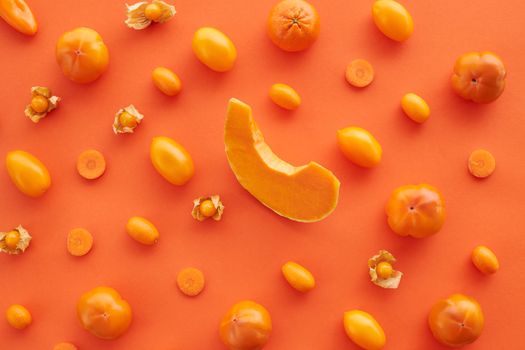
Top view of assorted orange fruits and vegetables on orange surface, offering organic health benefits. Photo: Vanessa Loring / Pexels
The term 'superfood' has gained immense popularity in recent years, often leading to confusion about its true meaning and impact. While not a scientifically recognized category, 'superfood' generally refers to foods that are exceptionally rich in nutrients, offering significant health benefits, particularly for the immune system. These nutritional powerhouses are packed with vitamins, minerals, antioxidants, and phytochemicals that play crucial roles in supporting the body's natural defense mechanisms. Unlike processed foods that offer empty calories, superfoods provide a dense concentration of beneficial compounds that can help ward off illness, reduce inflammation, and promote overall well-being. The immune system is a complex network of cells, tissues, and organs that work together to protect the body from harmful pathogens like bacteria, viruses, and fungi. A well-nourished immune system is better equipped to identify and eliminate these threats, keeping you healthy and resilient. Superfoods contribute to this resilience in multiple ways. For instance, many are abundant in Vitamin C, a powerful antioxidant known to stimulate the production of white blood cells, which are vital for fighting infections. Others are rich in Vitamin D, which modulates both innate and adaptive immune responses. Minerals like zinc and selenium, often found in various superfoods, are essential co-factors for numerous immune cell functions and enzyme activities. Antioxidants, such as flavonoids and carotenoids, help neutralize free radicals, unstable molecules that can damage cells and contribute to chronic diseases and weakened immunity. By reducing oxidative stress, superfoods help maintain the integrity of immune cells and tissues, allowing them to function optimally. Furthermore, some superfoods contain prebiotics and probiotics, which support a healthy gut microbiome – a critical component of immune health. A balanced gut flora can influence immune cell development and function, creating a robust internal environment. Incorporating a diverse range of superfoods into your diet ensures that your immune system receives the full spectrum of nutrients it needs to operate at its best. It's not about relying on a single 'magic bullet' but rather creating a synergistic effect through varied and consistent consumption. Understanding these fundamental principles is the first step toward harnessing the full potential of superfoods for a stronger, more resilient immune system. For more insights into how specific nutrients support health, check out our guide on the benefits of essential vitamins.

Top Superfoods for Robust Immune System Support
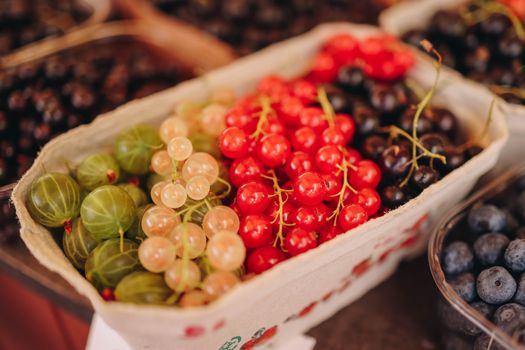
Vibrant close-up of fresh berries including currants and gooseberries at an outdoor market. Photo: Valeria Boltneva / Pexels
When we talk about what are superfoods for immunity, certain categories and individual items consistently rise to the top due to their exceptional nutritional profiles. Let's delve into some of the most impactful superfoods you should consider adding to your diet. **Citrus Fruits and Bell Peppers:** These are quintessential sources of Vitamin C. Oranges, grapefruits, lemons, limes, and tangerines are well-known, but red bell peppers actually contain nearly three times more Vitamin C than an orange. Vitamin C is a powerful antioxidant that helps protect cells from damage and is crucial for the growth and repair of all body tissues. It also plays a vital role in stimulating the production and function of white blood cells, which are the frontline defenders of your immune system. **Berries (Acai, Blueberries, Strawberries, Raspberries):** These vibrant fruits are not only delicious but also packed with antioxidants, particularly anthocyanins and flavonoids. These compounds combat oxidative stress, which can weaken the immune system. Acai berries, for example, are renowned for their high antioxidant content, while blueberries offer a broad spectrum of vitamins and minerals that support overall health. Regular consumption of berries can help reduce inflammation and enhance the body's ability to fight off infections. **Leafy Green Vegetables (Spinach, Kale, Swiss Chard):** These greens are nutritional powerhouses, rich in vitamins A, C, E, and K, as well as folate, fiber, and various antioxidants. Spinach, for instance, contains beta-carotene, which the body converts into Vitamin A, essential for healthy skin and mucous membranes – the body's first line of defense. Kale is another excellent source of Vitamin C and K, and its compounds help detoxify the body and reduce inflammation, both contributing to a stronger immune response. Cooking these vegetables lightly (steaming or sautéing) can help retain their nutrient content. **Garlic and Ginger:** These culinary staples are more than just flavor enhancers; they are potent immune boosters. Garlic contains allicin, a sulfur-containing compound known for its antimicrobial and immune-modulating properties. Studies suggest garlic can help reduce the severity of cold and flu symptoms. Ginger, with its active compound gingerol, is a powerful anti-inflammatory and antioxidant. It can help soothe sore throats, reduce nausea, and alleviate inflammatory responses in the body, which are often associated with illness. **Fermented Foods (Yogurt, Kefir, Sauerkraut, Kimchi):** A healthy gut is intrinsically linked to a strong immune system. Fermented foods are rich in probiotics, beneficial bacteria that colonize the gut and help maintain a balanced microbiome. This balance is crucial because a significant portion of the immune system resides in the gut. Probiotics can enhance the production of antibodies, improve immune cell function, and prevent the growth of harmful bacteria, thereby strengthening your body's defenses against pathogens. **Nuts and Seeds (Almonds, Walnuts, Chia Seeds, Flax Seeds):** These small but mighty foods are excellent sources of Vitamin E, zinc, and omega-3 fatty acids. Vitamin E is a potent antioxidant that protects cells from damage and supports immune function. Zinc is vital for the development and function of immune cells. Omega-3 fatty acids, particularly found in walnuts, chia, and flax seeds, have anti-inflammatory properties that can help regulate immune responses. Incorporating a handful of diverse nuts and seeds daily can provide a significant boost to your immune health. **Turmeric:** This golden spice contains curcumin, a compound with powerful anti-inflammatory and antioxidant effects. Curcumin has been extensively studied for its potential to modulate the immune system, enhance antibody responses, and even inhibit the replication of certain viruses. Adding turmeric to your cooking, or consuming it as a tea, can be a great way to leverage its immune-boosting benefits. By consciously integrating these superfoods into your daily diet, you can provide your body with the essential nutrients it needs to build and maintain a robust immune system, helping you stay healthier and more resilient against common illnesses.

Integrating Immune-Boosting Superfoods into Your Daily Diet
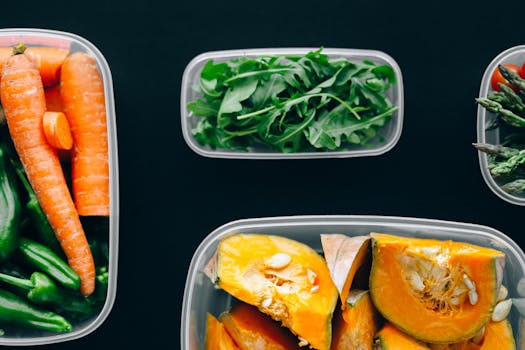
Healthy vegetables stored in plastic containers for fresh and nutritious meals. Photo: Nataliya Vaitkevich / Pexels
Understanding what are superfoods for immunity is one thing; consistently incorporating them into your daily life is another. The key to successful integration lies in making small, sustainable changes that fit seamlessly into your existing routines. It's not about radical overhauls, but rather intelligent additions and substitutions that amplify your nutrient intake without feeling like a chore. Let's explore practical strategies to weave these immune powerhouses into every meal and snack. **Breakfast Boosters:** Start your day strong. Instead of a sugary cereal, opt for oatmeal or Greek yogurt. To your oatmeal, add a handful of fresh blueberries or raspberries, a sprinkle of chia seeds, and a dash of cinnamon (which also has antioxidant properties). If you prefer yogurt, mix in some chopped kiwi (another excellent source of Vitamin C), a tablespoon of ground flax seeds, and a few almonds. For a savory breakfast, consider a spinach and mushroom omelet, providing Vitamin A, C, and essential minerals. A smoothie is also a fantastic way to pack in nutrients: blend spinach, kale, a banana, some berries, and a scoop of kefir for a probiotic and vitamin-rich start. For those who enjoy a warm beverage, a cup of ginger tea with lemon can kickstart your metabolism and immune response. **Lunchtime Lifts:** Lunch offers another prime opportunity to fuel your immune system. Ditch the processed sandwiches and instead build vibrant salads. Load them with dark leafy greens like kale or spinach as your base. Add colorful bell peppers, cherry tomatoes, cucumber, and chickpeas for fiber and protein. Top with a lean protein like grilled chicken or salmon, and dress with a homemade vinaigrette featuring olive oil (healthy fats) and a squeeze of lemon. If you prefer a warmer meal, a hearty lentil or vegetable soup, brimming with carrots, celery, onions, and garlic, can be both comforting and incredibly nutritious. Leftovers from a dinner rich in superfoods, such as a stir-fry with broccoli and ginger, also make for an excellent, quick immune-boosting lunch. Remember to include a source of healthy fats, like avocado slices or a sprinkle of walnuts, to aid in nutrient absorption. **Dinner Delights:** Dinner can be the most substantial meal for superfood integration. Focus on incorporating a variety of colors and textures. Roasted vegetables like broccoli, Brussels sprouts, and sweet potatoes are packed with vitamins and antioxidants. Pair them with a lean protein source. For example, baked salmon provides omega-3s and Vitamin D, both crucial for immune regulation. A chicken stir-fry loaded with garlic, ginger, and a medley of colorful vegetables like snap peas, carrots, and bell peppers is another excellent option. Don't forget the power of spices; turmeric can be added to curries, rice dishes, or roasted vegetables for its potent anti-inflammatory benefits. Experiment with different ethnic cuisines, as many traditional dishes naturally incorporate immune-boosting ingredients like garlic, ginger, and various herbs and spices. Consider making a large batch of a superfood-rich chili or stew on the weekend, packed with beans, tomatoes, and various vegetables, for easy weeknight meals. **Smart Snacking:** Mindful snacking can prevent energy dips and provide continuous immune support. Instead of reaching for chips or candy, choose snacks like a handful of almonds, an apple with a tablespoon of peanut butter, a small container of Greek yogurt, or a piece of fruit. Keep a supply of cut-up bell peppers and carrots in the fridge for easy dipping with hummus. A small bowl of berries can satisfy a sweet craving while delivering a powerful antioxidant punch. Even a cup of green tea can serve as a beneficial snack, offering antioxidants and a gentle caffeine boost. By being intentional about your snack choices, you ensure your body is consistently fed with immune-supporting nutrients throughout the day. For more ideas on healthy snacking, explore easy and nutritious snack recipes.

Common Mistakes and Best Practices for Superfood Consumption

Elegant indoor buffet with diverse cuisines, vibrant decor, and fresh plant arrangements. Photo: Newman Photographs / Pexels
While the benefits of what are superfoods for immunity are clear, there are common pitfalls to avoid and best practices to adopt to maximize their impact. Simply adding a single superfood to an otherwise unhealthy diet won't yield optimal results. It's about a holistic approach and mindful consumption. **Common Mistakes to Avoid:** * **Over-reliance on a single 'magic bullet':** No single superfood can provide all the nutrients your immune system needs. A diverse diet is paramount. Focusing solely on one superfood can lead to nutrient imbalances and missed opportunities to benefit from a broader spectrum of compounds found in other foods. * **Ignoring overall dietary quality:** Adding kale to a diet heavy in processed foods, refined sugars, and unhealthy fats will have limited effect. Superfoods work best within the context of a balanced, whole-food diet. Prioritize reducing inflammatory foods first. * **Expecting instant results:** Building a strong immune system is a long-term endeavor. Superfoods provide cumulative benefits, and consistency is key. Don't get discouraged if you don't feel an immediate change; the positive effects are often subtle and build over time. * **Overcooking or improper preparation:** High heat can degrade sensitive vitamins (like Vitamin C) and beneficial enzymes in some superfoods. Opt for steaming, light sautéing, or consuming raw when appropriate to preserve nutrient integrity. * **Ignoring individual needs and allergies:** While generally safe, some individuals may have allergies or sensitivities to certain superfoods. Always listen to your body and consult a healthcare professional if you have concerns or pre-existing conditions. **Best Practices for Maximizing Benefits:** * **Embrace variety:** The more diverse your intake of fruits, vegetables, nuts, seeds, and whole grains, the wider the range of immune-supporting nutrients you'll receive. Aim for a rainbow of colors on your plate daily. * **Prioritize whole, unprocessed forms:** Opt for fresh fruits and vegetables over juices (which often lack fiber and can be high in sugar). Choose whole grains over refined ones. The closer a food is to its natural state, the more nutrients it typically retains. * **Combine for synergy:** Certain nutrients work better together. For instance, Vitamin C enhances iron absorption, and healthy fats help absorb fat-soluble vitamins (A, D, E, K). Pair bell peppers with spinach, or avocado with kale. * **Stay hydrated:** Water is not a superfood, but it's essential for all bodily functions, including immune response. Adequate hydration helps transport nutrients, remove waste products, and keep mucous membranes moist, which are crucial for defense. * **Consider organic options:** While not always necessary, choosing organic produce can reduce exposure to pesticides and herbicides, which can be beneficial for overall health and immune function. * **Practice mindful eating:** Pay attention to how different foods make you feel. This awareness can help you identify which superfoods best support your unique body and energy levels. * **Listen to your body's signals:** Your body often communicates what it needs. If you're feeling sluggish, it might be a sign to increase your intake of nutrient-dense foods and reduce processed items. By adopting these best practices and avoiding common missteps, you can effectively leverage the power of superfoods to cultivate a robust and resilient immune system, paving the way for sustained health and vitality.

Comparison

FeatureBerries (e.g., Blueberries)Citrus Fruits (e.g., Oranges)Leafy Greens (e.g., Spinach)Garlic & Ginger
Primary Immune NutrientAntioxidants (Anthocyanins)Vitamin CVitamins A, C, K, FolateAllicin, Gingerol
Anti-inflammatory Properties
Antiviral/AntibacterialSome evidenceIndirectlyIndirectly
Gut Health SupportFiber (prebiotic)FiberFiber (prebiotic)Indirectly

What Readers Say

"Since learning what are superfoods for immunity and incorporating them, I've noticed a significant reduction in how often I get sick. My energy levels are up, and I feel much more resilient, even during cold and flu season. This article was incredibly helpful in guiding my choices."

Sarah J. · Austin, TX

"I used to catch every bug going around, but after consistently adding berries, leafy greens, and garlic to my diet, my immune system feels much stronger. This guide provided the practical steps I needed to make those changes."

Mark D. · Seattle, WA

"The detailed breakdown of what are superfoods for immunity helped me revamp my grocery list. I'm now making delicious meals packed with nutrients, and as a result, I haven't had a major cold in over a year – a huge improvement for me!"

Emily R. · Miami, FL

"This article was very informative about what are superfoods for immunity. While I've always eaten somewhat healthy, understanding the specific immune benefits of certain foods has helped me make more strategic choices. I appreciate the emphasis on variety, not just one food."

David L. · Chicago, IL

"As a busy mom, I needed practical ways to boost my family's immunity. This guide on what are superfoods for immunity offered fantastic ideas for integrating these foods into everyday meals, even for picky eaters. We're all feeling healthier!"

Jessica M. · Denver, CO

Frequently Asked Questions

What is the single most important superfood for immunity?

There isn't one single 'most important' superfood, as a robust immune system thrives on a diverse array of nutrients working in synergy. Focusing on a variety of superfoods like citrus fruits, berries, leafy greens, garlic, ginger, and fermented foods provides a comprehensive spectrum of vitamins, minerals, and antioxidants essential for optimal immune function.

Can superfoods replace traditional medicine for illness?

No, superfoods are not a replacement for traditional medicine or professional medical advice, especially when dealing with illness. While they can significantly support and strengthen your immune system, they should be viewed as complementary to a healthy lifestyle and medical treatments, not a substitute. Always consult a healthcare professional for specific health concerns.

How quickly can I expect to see results from eating immune-boosting superfoods?

The effects of incorporating immune-boosting superfoods are generally cumulative and build over time. While you might notice improved energy or general well-being relatively quickly, a significant strengthening of your immune system that translates to fewer illnesses usually requires consistent consumption over several weeks or months. It's a long-term investment in your health.

Are expensive exotic superfoods always better than common ones?

Not necessarily. While some exotic superfoods like acai or goji berries offer unique benefits, many common and affordable foods like oranges, spinach, garlic, and blueberries are equally, if not more, potent in their immune-boosting properties. Focus on accessibility, variety, and consistency rather than just price or exoticism.

How do superfoods compare to supplements for immune support?

Whole food superfoods offer a complex matrix of nutrients, fiber, and phytochemicals that often work synergistically, providing benefits that isolated supplements may not fully replicate. While supplements can fill specific nutritional gaps, a diet rich in superfoods is generally preferred for comprehensive immune support due to the bioavailability and broad spectrum of compounds present.

Who should prioritize incorporating immune-boosting superfoods?

Everyone can benefit from incorporating immune-boosting superfoods, but they are particularly beneficial for individuals who frequently get sick, those under stress, the elderly, people with physically demanding lifestyles, or anyone looking to enhance their overall resilience and long-term health. A strong immune system is foundational for well-being.

Are there any risks or side effects associated with superfoods for immunity?

Generally, consuming superfoods as part of a balanced diet is safe and beneficial. However, overconsumption of any single food, or allergies to specific ingredients (e.g., nuts, dairy in fermented foods), can occur. Individuals on certain medications, such as blood thinners, should consult a doctor before significantly increasing intake of foods like ginger or turmeric, which can have anticoagulant properties. Moderation and awareness of your body's reactions are key.

What role does gut health play in immune-boosting superfoods?

Gut health plays a crucial role, as a significant portion of the immune system resides in the gut. Superfoods like fermented foods (yogurt, kefir) provide beneficial probiotics, while fiber-rich foods (fruits, vegetables) act as prebiotics, feeding these good bacteria. A balanced gut microbiome enhances immune cell function, reduces inflammation, and helps prevent pathogens from entering the bloodstream, making it a cornerstone of a strong immune response.

Empower your body with the natural defenses it deserves. By understanding what are superfoods for immunity and integrating them intelligently into your daily life, you're not just eating well – you're investing in a future of robust health and vitality. Start your journey to a stronger immune system today!

Topics: superfoods for immunityimmune-boosting foodsnatural immunity boostersbest foods for immune systemimmune health diet
Leo List
Brampton weed
Adultwork