
What is a Gluten-Free Diet? Your Complete Guide
Unlock the secrets to a healthier lifestyle by understanding and embracing a gluten-free way of eating.
Start Your JourneyKey Takeaways
- ✓ Gluten is a protein found in wheat, barley, and rye.
- ✓ A gluten-free diet is essential for individuals with celiac disease.
- ✓ Many naturally gluten-free foods exist, like fruits, vegetables, and lean meats.
- ✓ Cross-contamination is a significant concern for strict gluten-free diets.
How It Works
Learn what gluten is, where it's found (wheat, barley, rye), and its impact on the body. This foundational knowledge is crucial for making informed dietary choices.
Familiarize yourself with naturally gluten-free options and certified gluten-free products. Reading labels becomes a critical skill to ensure compliance.
Develop strategies for planning meals, grocery shopping, and cooking to avoid gluten. This includes managing cross-contamination in your kitchen and while dining out.
Work with a doctor or registered dietitian to ensure your diet is nutritionally balanced and appropriate for your specific health needs. Professional guidance is invaluable.
Understanding Gluten: The Basics of a Gluten-Free Diet
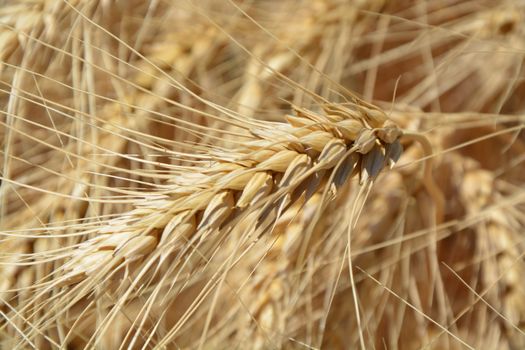 Photo: Alejandro Barrón / Pexels
Who Needs a Gluten-Free Diet? Conditions and Benefits
 Photo: Kristina Snowasp / Pexels
Navigating the Gluten-Free World: Safe Foods and Hidden Sources
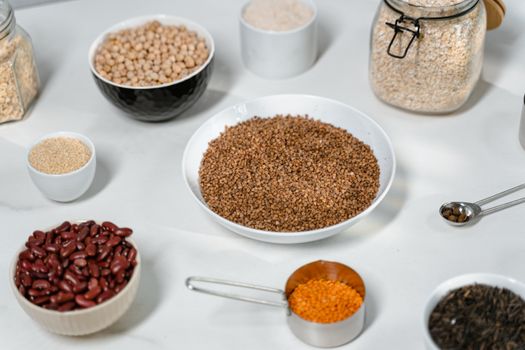 Photo: MART PRODUCTION / Pexels
Tips for a Successful Gluten-Free Lifestyle & Common Mistakes
 Photo: Lara Farber / Pexels
- Educate Yourself Thoroughly: The more you know about gluten and its hidden sources, the easier it will be to make informed choices. Read books, reliable websites, and connect with support groups.
- Focus on Naturally Gluten-Free Foods: Build your diet around fruits, vegetables, lean proteins, healthy fats, and naturally gluten-free grains like rice, quinoa, and corn. These are inherently nutritious and free from gluten concerns.
- Become a Label Reading Expert: This is non-negotiable. Always check ingredient lists and allergen statements. Look for 'gluten-free' certifications.
- Plan Your Meals: Meal prepping and planning snacks can prevent impulsive, unsafe food choices when hunger strikes.
- Communicate Your Needs: Whether with family, friends, or restaurant staff, clearly articulate your dietary requirements. Don't be afraid to ask questions.
- Experiment in the Kitchen: Discover new recipes and gluten-free alternatives for your favorite dishes. There's a vast world of delicious gluten-free cooking waiting to be explored.
- Consult a Dietitian: A registered dietitian specializing in gluten-free diets can provide personalized guidance, ensure nutritional adequacy, and help you navigate challenges.
Common Mistakes to Avoid:
- Assuming 'Wheat-Free' Means 'Gluten-Free': While wheat contains gluten, other grains like barley and rye also contain it. A 'wheat-free' label does not guarantee 'gluten-free.'
- Over-relying on Processed Gluten-Free Products: Many gluten-free packaged foods can be high in sugar, unhealthy fats, and refined starches. While convenient, they should not form the bulk of your diet.
- Neglecting Cross-Contamination: Especially for those with celiac disease, even tiny amounts of gluten can cause a reaction. Be meticulous in the kitchen and when dining out.
- Not Addressing Nutritional Deficiencies: Gluten-free diets can sometimes lack fiber, iron, B vitamins, and magnesium. Work with a professional to ensure your diet is balanced.
- Ignoring Symptoms: If you're strictly gluten-free and still experiencing symptoms, it's crucial to consult your doctor. There might be other underlying issues or accidental gluten exposure.
- Not Eating Enough Fiber: Many gluten-containing grains are good sources of fiber. Ensure you're getting enough fiber from fruits, vegetables, legumes, and gluten-free whole grains.
Comparison
| Feature | Celiac Disease | Non-Celiac Gluten Sensitivity | Wheat Allergy |
|---|---|---|---|
| Immune Response | Autoimmune (small intestine damage) | Innate immune response (no intestinal damage) | IgE-mediated allergic reaction |
| Symptoms | Digestive, systemic, nutrient deficiencies | Digestive, systemic (similar to celiac, less severe) | Hives, swelling, breathing issues, digestive |
| Diagnosis | Blood tests, endoscopy with biopsy | Diagnosis by exclusion, symptom improvement on GF diet | Skin prick test, IgE blood test |
| Treatment | Lifelong, strict gluten-free diet | Gluten-free diet (strictness varies) | Avoid wheat; emergency medication (e.g., EpiPen) |
What Readers Say
"Understanding what is a gluten-free diet was a game-changer for my celiac disease. This guide clarified so many questions I had, especially about hidden gluten sources. I feel so much healthier now."
Sarah J. · Austin, TX"I suspected I had gluten sensitivity, and this article laid out the differences clearly. Following a modified gluten-free diet has significantly reduced my bloating and fatigue. Highly recommend this comprehensive resource."
Mark D. · Seattle, WA"After reading this, I felt empowered to tackle my gluten intolerance. My energy levels are up, and my digestive issues are practically gone. Learning about cross-contamination was particularly helpful for cooking at home."
Emily R. · Miami, FL"The guide is very thorough for understanding what is a gluten-free diet. While I found the section on hidden gluten sources incredibly useful, a few more practical meal ideas for beginners would make it perfect."
David P. · Chicago, IL"As a parent of a child with a wheat allergy, this article helped me distinguish between different gluten-related conditions. It reinforced the importance of strict avoidance and gave me new ideas for safe school lunches."
Jessica L. · Denver, COFrequently Asked Questions
What exactly is gluten and why is it problematic for some?
Gluten is a protein found in wheat, barley, and rye. For individuals with celiac disease, consuming gluten triggers an autoimmune response that damages the small intestine, impairing nutrient absorption. For those with non-celiac gluten sensitivity, it can cause various symptoms without intestinal damage.
Is a gluten-free diet healthier for everyone?
No, a gluten-free diet is not inherently healthier for everyone. It is medically necessary for individuals with celiac disease, non-celiac gluten sensitivity, or wheat allergy. For others, unnecessarily restricting gluten can lead to nutritional deficiencies if not carefully managed, as many gluten-free processed foods can be less nutritious.
How do I start a gluten-free diet if I'm new to it?
Begin by consulting a doctor or registered dietitian for proper diagnosis and guidance. Focus on naturally gluten-free foods like fruits, vegetables, lean meats, and safe grains. Learn to read food labels meticulously for gluten-containing ingredients and be vigilant about cross-contamination in cooking and dining out.
Are gluten-free products more expensive?
Yes, many specialized gluten-free processed products like bread, pasta, and baked goods tend to be more expensive than their gluten-containing counterparts due to specialized ingredients and production processes. However, focusing on naturally gluten-free whole foods can help manage costs effectively.
How does a gluten-free diet differ from a wheat-free diet?
A wheat-free diet only excludes wheat, but a gluten-free diet excludes all sources of gluten, which includes wheat, barley, and rye. Therefore, a gluten-free diet is stricter and encompasses a wheat-free diet, but not vice-versa. Always check labels carefully, as a 'wheat-free' product might still contain barley or rye.
Who should consider adopting what is a gluten-free diet?
Individuals diagnosed with celiac disease, non-celiac gluten sensitivity, or a wheat allergy should adopt a gluten-free diet. Anyone experiencing persistent digestive issues, fatigue, skin rashes, or other unexplained symptoms should consult a healthcare professional to determine if gluten is a contributing factor before self-diagnosing.
What are the risks of accidental gluten exposure for someone with celiac disease?
For someone with celiac disease, even small amounts of accidental gluten exposure (cross-contamination) can trigger an immune response, leading to intestinal damage and symptoms. Repeated exposure can hinder healing, cause nutrient deficiencies, and increase the risk of long-term complications. Vigilance is paramount.
What are some future trends in gluten-free eating?
Future trends include a wider availability of naturally gluten-free ingredients, more innovative and palatable gluten-free baked goods, and increased awareness and training in restaurants for safe gluten-free preparation. There's also growing research into non-dietary treatments for celiac disease, although a gluten-free diet remains the current standard.
Understanding what is a gluten-free diet is the first step towards a healthier, more comfortable life for many. If you suspect gluten is impacting your health, don't hesitate to consult a medical professional. Embrace the knowledge and take control of your dietary journey today.