✓ A gluten-free diet excludes gluten, a protein found in wheat, barley, and rye.
✓ It's medically necessary for individuals with celiac disease or non-celiac gluten sensitivity.
✓ Many naturally gluten-free foods exist, including fruits, vegetables, meat, and rice.
✓ Hidden gluten can be found in unexpected places like sauces, processed foods, and medications.
How It Works
1
Understand Gluten
Learn what gluten is, where it's found, and how it impacts the body, particularly for those with sensitivities or autoimmune conditions. This foundational knowledge is crucial for informed dietary decisions.
2
Identify Gluten Sources
Become adept at recognizing grains and ingredients containing gluten, from obvious sources like bread and pasta to less apparent ones in processed foods and cross-contamination risks. Reading labels becomes your superpower.
3
Find Gluten-Free Alternatives
Discover a vast world of delicious and nutritious naturally gluten-free foods and readily available certified gluten-free products. This step is about embracing variety and ensuring nutritional completeness.
4
Implement & Adapt
Integrate your knowledge into daily life by planning meals, dining out safely, and managing social situations. A successful gluten-free diet is about sustainable lifestyle changes, not just restrictions.
Understanding Gluten: The Core of a Gluten-Free Diet
Photo: Evgeniy Lejnev / Pexels
To truly grasp what is a gluten free diet, we must first understand its central component: gluten. Gluten is a family of proteins found in certain grains, most notably wheat, barley, and rye. It's what gives dough its elasticity, allowing bread to rise and providing that chewy texture we often associate with baked goods. For the vast majority of the population, gluten is a harmless protein that can be digested without issue. However, for a significant and growing number of individuals, gluten can trigger a range of adverse health effects, necessitating its complete removal from their diet.
The most severe reaction to gluten is Celiac Disease, an autoimmune disorder where ingesting gluten leads to damage in the small intestine. This damage impairs the body's ability to absorb nutrients, leading to a cascade of health problems, from digestive issues like bloating, diarrhea, and constipation, to more systemic symptoms such as fatigue, anemia, skin rashes, joint pain, and even neurological problems. For individuals with Celiac Disease, a strict, lifelong gluten-free diet is not a choice but a medical necessity, as even tiny amounts of gluten can cause significant intestinal damage and long-term health complications. The prevalence of Celiac Disease is estimated to be around 1% of the global population, but many cases remain undiagnosed, often due to the varied and sometimes subtle nature of its symptoms.
Beyond Celiac Disease, there's a condition known as Non-Celiac Gluten Sensitivity (NCGS). Individuals with NCGS experience symptoms similar to Celiac Disease after consuming gluten, but without the characteristic intestinal damage or autoimmune markers. Their symptoms can include abdominal pain, bloating, headaches, brain fog, fatigue, and skin issues. While the mechanisms of NCGS are still being researched, it's clear that gluten acts as a trigger for these individuals, and a gluten-free diet often brings significant relief. The diagnosis of NCGS is typically one of exclusion, meaning Celiac Disease and wheat allergy must first be ruled out. This condition is thought to be more prevalent than Celiac Disease, affecting a larger segment of the population. Understanding these distinctions is paramount when discussing what is a gluten free diet, as the strictness and rationale behind the diet can vary based on the underlying condition. For those managing allergies, understanding the common food allergens can provide a broader context for dietary restrictions.
Finally, some individuals choose to follow a gluten-free diet for perceived health benefits, even without a formal diagnosis of Celiac Disease or NCGS. This group might report feeling better, having more energy, or experiencing fewer digestive upsets. While the scientific evidence supporting a gluten-free diet for the general population without a medical need is limited, and some studies even suggest potential nutritional deficiencies if not carefully managed, the anecdotal reports are widespread. It's crucial for anyone considering a gluten-free diet to consult with a healthcare professional or a registered dietitian to ensure it's appropriate for their individual needs and to develop a nutritionally balanced plan. Self-diagnosing and adopting a gluten-free diet without professional guidance can lead to unnecessary restrictions and potential nutrient deficiencies. The decision to go gluten-free should always be an informed one, weighing potential benefits against risks and ensuring proper nutritional intake.
Navigating the Gluten-Free Landscape: What to Eat and Avoid
Photo: Mike / Pexels
Embarking on what is a gluten free diet requires a thorough understanding of which foods contain gluten and which are naturally free from it. This knowledge empowers you to make informed choices, both in your kitchen and when dining out. The core principle is to avoid all foods that contain wheat, barley, and rye, and any derivatives of these grains. This might sound daunting at first, but with practice, it becomes second nature.
Obvious gluten-containing foods include most breads, pastas, cereals, baked goods like cakes, cookies, and pastries, crackers, pizza, beer, and many processed snack foods. Wheat can appear in various forms on ingredient labels, such as durum, semolina, spelt, farro, kamut, wheat berries, and triticale (a hybrid of wheat and rye). Barley is often found in malt (malt syrup, malt extract, malt vinegar) and some beers. Rye is less common but present in certain breads and alcoholic beverages like rye whiskey.
However, the real challenge lies in identifying hidden gluten. Gluten can be lurking in unexpected places due to its use as a thickener, binder, or flavoring agent. Common culprits include soy sauce, marinades, salad dressings, soups, broths, some candies, processed meats (like hot dogs and deli meats), flavored chips, certain spice blends, and even some medications and supplements. Cross-contamination is another significant concern, especially for those with Celiac Disease. This occurs when gluten-free foods come into contact with gluten-containing foods, surfaces, or utensils. Shared toasters, cutting boards, fryers, and even airborne flour in a kitchen can pose a risk. Therefore, meticulous attention to preparation and ingredient sourcing is vital.
On the brighter side, a vast array of delicious and nutritious foods are naturally gluten-free. This includes all fresh fruits and vegetables, unprocessed meats (beef, chicken, pork, fish), eggs, legumes (beans, lentils, peas), nuts and seeds. Many grains and starches are also naturally gluten-free, offering excellent alternatives. These include rice (brown, white, wild), quinoa, corn, oats (ensure they are certified gluten-free to avoid cross-contamination), buckwheat, millet, sorghum, and tapioca. Flours made from these grains, as well as almond flour, coconut flour, and potato starch, open up a world of gluten-free baking possibilities. Many dairy products are also naturally gluten-free, though flavored yogurts or cheeses with added ingredients should always be checked. By focusing on these naturally gluten-free options, you can build a rich and varied diet that doesn't feel restrictive. The key is to shift your perspective from what you can't eat to the incredible abundance of what you can, embracing new ingredients and culinary adventures.
Benefits and Challenges of a Gluten-Free Lifestyle
Photo: K / Pexels
Adopting what is a gluten free diet, whether by necessity or choice, comes with a distinct set of benefits and challenges that are important to acknowledge. For individuals with Celiac Disease or Non-Celiac Gluten Sensitivity, the benefits are profound and often life-changing. Eliminating gluten can resolve severe digestive issues such as chronic diarrhea, constipation, bloating, and abdominal pain. Beyond the gut, many experience a significant reduction in systemic symptoms like chronic fatigue, brain fog, headaches, joint pain, and skin rashes. For those with Celiac Disease, a strict gluten-free diet allows the damaged small intestine to heal, leading to improved nutrient absorption, reversal of nutritional deficiencies (like iron-deficiency anemia), and a reduced risk of long-term complications such as osteoporosis, infertility, and certain cancers. The improvement in overall quality of life, energy levels, and mental clarity reported by these individuals is often dramatic. It's a medical intervention that restores health and well-being.
However, transitioning to and maintaining a gluten-free diet is not without its hurdles. One of the primary challenges is the pervasive nature of gluten in the standard American diet. Wheat is a staple, and finding truly gluten-free options, especially when dining out or traveling, can be difficult. This requires constant vigilance in reading food labels, asking detailed questions at restaurants, and often planning meals in advance. The social aspect can also be challenging; explaining dietary restrictions to friends and family, or feeling limited at social gatherings, can sometimes lead to feelings of isolation or frustration. Furthermore, gluten-free products, particularly processed alternatives like breads, pastas, and baked goods, can often be more expensive than their gluten-containing counterparts, adding a financial burden. Some gluten-free processed foods can also be higher in sugar, unhealthy fats, and refined starches, and lower in fiber and essential nutrients, if not chosen carefully. This highlights the importance of focusing on naturally gluten-free whole foods as the foundation of the diet.
Nutritional adequacy is another critical consideration. Grains like wheat are fortified with essential vitamins and minerals, including B vitamins and iron. Without careful planning, individuals on a gluten-free diet might miss out on these nutrients. Therefore, it's crucial to ensure a diverse intake of naturally gluten-free whole grains (quinoa, brown rice, millet), fruits, vegetables, lean proteins, and healthy fats. Consulting with a registered dietitian specializing in gluten-free diets can be invaluable in creating a balanced and nutritionally complete meal plan. They can help identify potential nutrient gaps and recommend appropriate supplementation if necessary. While the benefits for those with medical conditions are clear, for others, the decision to embark on what is a gluten free diet should be made with a full understanding of these potential challenges and a commitment to maintaining nutritional balance. This careful approach ensures the diet is a path to better health, not a source of new complications. For those exploring specific dietary approaches, understanding the principles of mindful eating can complement any dietary changes.
Practical Tips for a Successful Gluten-Free Lifestyle
Photo: Zig Fotografia / Pexels
Adopting a gluten-free diet, especially for those new to it, can feel overwhelming. However, with practical strategies and a bit of planning, it can become a manageable and even enjoyable way of life. Here are some essential tips to help you navigate your gluten-free journey successfully:
* **Become a Label Reading Expert:** This is perhaps the most crucial skill. Always read ingredient lists carefully, even for products you've bought before, as formulations can change. Look for phrases like 'gluten-free' certification marks, and be aware of common gluten-containing ingredients mentioned earlier (wheat, barley, rye, malt, etc.). If an ingredient is unfamiliar, research it.
* **Focus on Naturally Gluten-Free Foods:** Build the foundation of your diet around whole, unprocessed foods that are inherently gluten-free. This includes all fresh fruits and vegetables, lean meats, poultry, fish, eggs, legumes, nuts, seeds, and most dairy products. This approach ensures you're getting a wide range of nutrients and naturally minimizes exposure to hidden gluten.
* **Beware of Cross-Contamination:** This is vital, especially for individuals with Celiac Disease. In your kitchen, consider using separate toasters, cutting boards, and utensils for gluten-free items, or ensure thorough cleaning after each use. Store gluten-free foods separately from gluten-containing foods. When dining out, always inform your server about your dietary needs and ask about preparation methods.
* **Explore Gluten-Free Alternatives:** The market for gluten-free products has exploded. Experiment with different gluten-free flours (almond, coconut, rice, quinoa), pastas (corn, rice, lentil), and breads. While some may have different textures, many excellent options are available. Look for certified gluten-free oats if you wish to include them, as conventional oats are often cross-contaminated.
* **Plan Ahead for Eating Out and Travel:** Research restaurants beforehand to identify those with dedicated gluten-free menus or staff knowledgeable about gluten-free preparation. When traveling, pack gluten-free snacks and some staple items. Communication is key – don't hesitate to ask questions about ingredients and preparation.
* **Cook More at Home:** Preparing your own meals gives you complete control over ingredients and minimizes the risk of hidden gluten or cross-contamination. Explore new gluten-free recipes and cooking techniques. Many online resources and cookbooks are dedicated to gluten-free cooking.
* **Educate Friends and Family:** Help those around you understand your dietary needs. Explain why you follow a gluten-free diet and how they can support you, especially when hosting gatherings. Clear communication can prevent misunderstandings and make social situations more comfortable.
* **Consult a Professional:** If you're struggling to maintain a balanced diet, experiencing persistent symptoms, or simply want to ensure you're meeting all your nutritional needs, consult a registered dietitian specializing in gluten-free diets. They can provide personalized guidance and support.
By implementing these tips, you can transform the challenge of a gluten-free diet into a positive and sustainable lifestyle that supports your health and well-being.
"Understanding what is a gluten free diet completely transformed my life. After years of unexplained stomach pain and fatigue, going gluten-free resolved all my symptoms within weeks. It's truly a medical necessity for me."
Sarah J.Austin, TX
5★★★★★
"I was skeptical about going gluten-free, but after reading up on what is a gluten free diet, I gave it a try for my chronic bloating. The difference is incredible; my digestion is so much smoother now."
Mark P.Seattle, WA
5★★★★★
"As someone with Celiac, truly knowing what is a gluten free diet is essential. This guide covers everything, from hidden ingredients to cross-contamination, which has helped me stay healthy and safe for years."
Emily R.Denver, CO
4★★★★☆
"While initially challenging to grasp what is a gluten free diet, the long-term benefits for my energy levels have been remarkable. It requires dedication, but the results are worth it, even if some aspects are a bit more expensive."
David L.Miami, FL
5★★★★★
"I started a gluten-free diet for my skin issues, and surprisingly, it helped clear up my chronic eczema. This article made understanding what is a gluten free diet much clearer and easier to implement."
Jessica M.Chicago, IL
Frequently Asked Questions
What exactly is gluten and why is it problematic for some people?
Gluten is a protein composite found in wheat, barley, and rye. For individuals with Celiac Disease, it triggers an autoimmune response that damages the small intestine. For those with Non-Celiac Gluten Sensitivity, it causes a range of inflammatory symptoms without intestinal damage, but still necessitates avoidance.
Is a gluten-free diet inherently healthier for everyone?
Not necessarily. While essential for those with Celiac Disease or NCGS, there's limited scientific evidence that a gluten-free diet offers significant health benefits for the general population without these conditions. A poorly managed gluten-free diet, relying heavily on processed gluten-free products, can even be less nutritious due to lower fiber and nutrient content.
How do I know if I need to go on a gluten-free diet?
If you suspect you have Celiac Disease or Non-Celiac Gluten Sensitivity due to symptoms like chronic digestive issues, fatigue, or skin problems, it's crucial to consult a doctor. They can perform tests for Celiac Disease before you eliminate gluten, as going gluten-free can affect test accuracy. NCGS is diagnosed by excluding other conditions.
Are gluten-free products more expensive?
Generally, yes. Gluten-free alternatives like breads, pastas, and baked goods often cost more than their conventional counterparts due to specialized ingredients, production processes, and smaller market scale. Focusing on naturally gluten-free whole foods can help manage costs.
What's the difference between 'gluten-free' and 'wheat-free'?
'Wheat-free' means a product does not contain wheat, but it might still contain other gluten-containing grains like barley or rye. 'Gluten-free' means the product contains no wheat, barley, rye, or their derivatives, and typically has less than 20 parts per million (ppm) of gluten, making it safe for individuals with Celiac Disease.
Who should adopt a gluten-free diet?
A gluten-free diet is medically necessary for individuals diagnosed with Celiac Disease and highly recommended for those with Non-Celiac Gluten Sensitivity. Some people with wheat allergies also benefit from avoiding gluten, though their primary concern is wheat. Anyone considering it for other health reasons should consult a healthcare professional.
Can I accidentally ingest gluten, and what happens if I do?
Yes, accidental ingestion (cross-contamination) is common. Even tiny amounts can trigger symptoms in sensitive individuals, ranging from digestive upset and fatigue to more severe autoimmune reactions for those with Celiac Disease. Vigilance in reading labels and communicating needs is crucial to minimize risks.
What are the emerging trends in gluten-free living?
The gluten-free market continues to innovate, with trends including more diverse ancient grains (teff, amaranth), improved taste and texture of gluten-free baked goods, a focus on nutrient-dense whole foods, and increased availability of certified gluten-free options in restaurants and mainstream grocery stores. There's also growing research into the gut microbiome's role in gluten sensitivity.
Understanding what is a gluten free diet is the first step towards taking control of your health. Whether for medical necessity or personal well-being, embracing a gluten-free lifestyle can unlock a world of improved health and vitality. Start exploring your options today and discover how satisfying and beneficial a gluten-free journey can be.

 Photo: K / Pexels
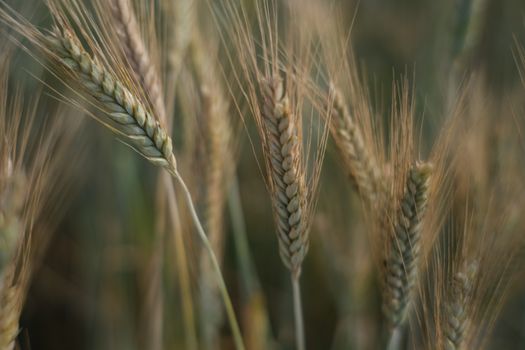 Photo: Evgeniy Lejnev / Pexels
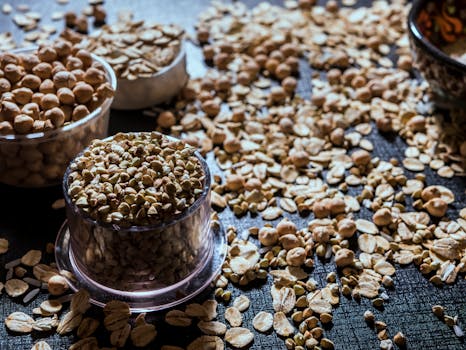 Photo: Mike / Pexels
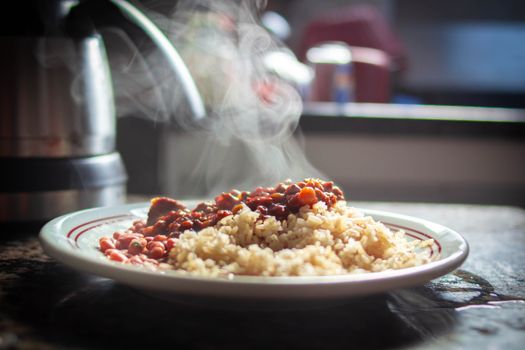 Photo: Zig Fotografia / Pexels