What is Gluten-Free Diet? Your Complete Guide
what is gluten-free diet

What is Gluten-Free Diet? Your Complete Guide

Unlock the secrets to a healthier life by understanding and embracing a gluten-free lifestyle with confidence.

Start Your Journey

Key Takeaways

  • ✓ A gluten-free diet excludes gluten, a protein found in wheat, barley, and rye.
  • ✓ It is medically necessary for individuals with celiac disease or non-celiac gluten sensitivity.
  • ✓ Many naturally gluten-free foods exist, including fruits, vegetables, lean proteins, and most dairy.
  • ✓ Careful label reading and cross-contamination awareness are crucial for success.

How It Works

1
Identify Gluten Sources

Learn which grains and ingredients contain gluten. This includes obvious sources like bread and pasta, as well as hidden ones in sauces and processed foods.

2
Stock Your Pantry

Replace gluten-containing staples with naturally gluten-free alternatives. Explore new flours, grains, and certified gluten-free products to build a diverse diet.

3
Master Label Reading

Become adept at scrutinizing food labels for gluten-containing ingredients and 'gluten-free' certifications. This skill is vital for avoiding accidental exposure.

4
Prevent Cross-Contamination

Understand and implement strategies to prevent gluten from contaminating your gluten-free foods, especially in shared kitchens or when dining out.

Understanding Gluten: The Core of the Diet
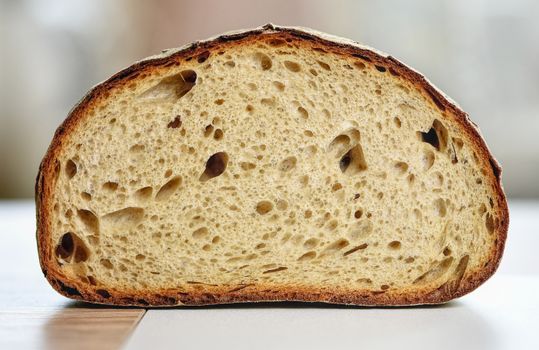
Close-up of a sliced artisan bread loaf showcasing texture in natural light. Photo: Alexas Fotos / Pexels
To truly grasp what is a gluten-free diet, one must first understand gluten itself. Gluten is a family of proteins found in certain grains, most notably wheat, barley, and rye. It acts as a binder, providing elasticity to dough and giving baked goods their characteristic chewy texture. For many, gluten is a harmless component of their daily diet. However, for a significant portion of the population, consuming gluten can lead to a range of adverse health effects, necessitating its complete removal from their diet. The primary conditions that mandate a gluten-free diet are celiac disease and non-celiac gluten sensitivity (NCGS). Celiac disease is an autoimmune disorder where ingesting gluten triggers an immune response that damages the small intestine. This damage impairs nutrient absorption, leading to a host of symptoms like abdominal pain, bloating, diarrhea, fatigue, and even long-term complications such as osteoporosis, anemia, and an increased risk of certain cancers. It's a serious condition, and for those diagnosed, a strict, lifelong gluten-free diet is the only treatment. Non-celiac gluten sensitivity, on the other hand, presents with symptoms similar to celiac disease but without the intestinal damage or specific autoimmune markers. While the exact mechanisms are still being researched, individuals with NCGS experience relief from symptoms when gluten is removed from their diet. Beyond these two primary conditions, some individuals with other autoimmune diseases, irritable bowel syndrome (IBS), or certain neurological conditions report feeling better on a gluten-free diet, though scientific evidence for its efficacy in these cases can vary. It's crucial to differentiate between a medically necessary gluten-free diet and one adopted for perceived health benefits without a diagnosis. While many naturally gluten-free foods are healthy, simply removing gluten from a diet without proper guidance can lead to nutritional deficiencies if not managed carefully. The rise in awareness about gluten has led to a proliferation of gluten-free products, making it easier than ever to adhere to this dietary regimen. However, not all gluten-free products are inherently healthy; many can be high in sugar, unhealthy fats, or refined starches. Therefore, focusing on whole, unprocessed foods that are naturally gluten-free remains the cornerstone of a truly healthy gluten-free lifestyle. Understanding the 'why' behind a gluten-free diet is the first step towards successfully navigating its complexities and reaping its potential health rewards. It’s not just about avoiding certain foods; it’s about making informed choices to support one's health and well-being. For more information on identifying problematic ingredients, consider exploring resources on common food allergens.

Navigating the Gluten-Free Landscape: What to Eat and Avoid

Assortment of vegan and gluten-free cakes on display at a cafe. Perfect for indulgence. Photo: Lisa from Pexels / Pexels
Embarking on a gluten-free diet can initially feel overwhelming, but with a clear understanding of what to eat and what to avoid, it becomes much more manageable and even enjoyable. The core principle is to eliminate all foods containing wheat, barley, and rye. This includes obvious culprits like traditional bread, pasta, cakes, cookies, and many breakfast cereals. However, gluten can also be found in less obvious places, acting as a thickener, binder, or flavoring agent in a wide array of processed foods. Common hidden sources include soy sauce, salad dressings, marinades, soups, processed meats, some candies, and even certain medications and supplements. Always read labels carefully, looking for terms like 'wheat,' 'barley,' 'rye,' 'malt,' 'brewer's yeast,' and 'triticum aestivum' (a scientific name for wheat). Fortunately, a vast array of delicious and nutritious foods are naturally gluten-free. This includes all fresh fruits and vegetables, which should form the foundation of any healthy diet. Lean proteins such as fresh meat, poultry, fish, eggs, and legumes (beans, lentils, peas) are also naturally gluten-free. Most dairy products, including milk, cheese, and plain yogurt, are safe, but flavored varieties or those with added thickeners should be checked. When it comes to grains, there are numerous gluten-free alternatives to choose from. Rice (brown, white, wild), corn, quinoa, oats (certified gluten-free to avoid cross-contamination), buckwheat, millet, amaranth, and sorghum are all excellent options. These can be used to make flours for baking, as side dishes, or incorporated into various recipes. Nuts, seeds, and healthy fats like olive oil and avocado are also naturally gluten-free and provide essential nutrients. The market for certified gluten-free products has exploded, offering alternatives for almost every gluten-containing food imaginable. From gluten-free breads and pastas to crackers, cookies, and mixes, these products can help ease the transition and provide convenience. However, it's important to remember that 'gluten-free' does not automatically equate to 'healthy.' Many gluten-free processed foods can be high in sugar, unhealthy fats, and refined starches, so moderation and a focus on whole foods are still key. Dining out requires extra vigilance. Communicate clearly with restaurant staff about your dietary needs, inquiring about ingredients and cross-contamination protocols. Many restaurants now offer gluten-free menus or are knowledgeable about preparing safe meals. With practice and careful planning, navigating the gluten-free landscape becomes second nature, opening up a world of culinary possibilities.

The Benefits and Challenges of a Gluten-Free Lifestyle

Unrecognizable male sitting at table in street cafe with cup of hot beverage and eating fried pie during lunch break Photo: Tim Samuel / Pexels
Adopting a gluten-free diet, whether by medical necessity or personal choice, comes with a distinct set of benefits and challenges that are important to understand. For individuals with celiac disease or non-celiac gluten sensitivity, the benefits are profound and often life-changing. Eliminating gluten alleviates debilitating symptoms such as chronic digestive issues, fatigue, headaches, skin rashes, and joint pain. For celiac patients, it allows the damaged small intestine to heal, restoring nutrient absorption and preventing long-term health complications. Many report a significant improvement in overall quality of life, increased energy levels, and a reduction in inflammation throughout the body. Beyond those with diagnosed conditions, some individuals report feeling less bloated, experiencing more stable energy, and even clearer skin after removing gluten, though these anecdotal benefits are not universally experienced or scientifically proven for the general population. However, the gluten-free diet is not without its challenges. One of the most significant hurdles is the potential for nutritional deficiencies. Gluten-containing grains, especially whole wheat, are often fortified with essential nutrients like B vitamins (folate, thiamine, niacin, riboflavin), iron, and fiber. If these nutrients are not adequately replaced through other gluten-free sources or fortified gluten-free products, deficiencies can arise. Therefore, a well-planned gluten-free diet emphasizes a wide variety of naturally gluten-free whole foods, including fruits, vegetables, legumes, nuts, seeds, and gluten-free grains. Another major challenge is cross-contamination. Even tiny amounts of gluten can trigger symptoms in sensitive individuals. This requires meticulous attention to food preparation, separate cooking utensils, cutting boards, and toasters in shared kitchens. Dining out can be particularly tricky, as kitchens often handle gluten-containing ingredients, making it difficult to guarantee a completely gluten-free meal. Social aspects also present difficulties. Explaining dietary restrictions to friends and family, navigating social gatherings, and finding suitable options when traveling can be stressful. The cost of gluten-free specialty products can also be higher than their gluten-containing counterparts, posing a financial challenge for some. Despite these obstacles, the growing awareness and availability of gluten-free options have made the lifestyle more accessible. With proper education, careful planning, and a focus on whole, unprocessed foods, a gluten-free diet can be a highly effective and beneficial dietary approach for those who need it. It requires commitment and continuous learning, but for many, the health improvements far outweigh the difficulties. For those considering this diet, consulting with a healthcare professional or a registered dietitian is highly recommended to ensure nutritional adequacy and proper implementation. Understanding the nuances of dietary restrictions is key to success.

Practical Tips for Thriving on a Gluten-Free Diet

Chef sifting flour into a bowl, preparing dough in a rustic kitchen setting. Photo: Mikhail Nilov / Pexels
Successfully adopting and maintaining a gluten-free diet requires more than just knowing what to avoid; it demands practical strategies for daily living. Here are essential tips to help you thrive:
  • Become a Label Reading Expert: This is perhaps the most crucial skill. Always scrutinize ingredient lists for wheat, barley, rye, malt, brewer's yeast, and any 'may contain wheat' warnings. Look for 'certified gluten-free' labels, which indicate the product meets strict standards (typically less than 20 ppm gluten).
  • Prioritize Naturally Gluten-Free Foods: Build your diet around fresh fruits, vegetables, lean proteins (meat, poultry, fish, eggs, legumes), nuts, seeds, and naturally gluten-free grains like rice, quinoa, and corn. These are inherently healthy and eliminate the guesswork.
  • Prevent Cross-Contamination: In shared kitchens, use separate cutting boards, utensils, toasters, and even condiments (like butter or jam that could have gluten crumbs). Clean surfaces thoroughly before preparing gluten-free meals. Store gluten-free items separately from gluten-containing ones.
  • Cook at Home More Often: Preparing your own meals gives you complete control over ingredients and preparation methods, significantly reducing the risk of accidental gluten exposure. Experiment with new gluten-free recipes and ingredients.
  • Educate Yourself and Others: Learn as much as you can about gluten and its sources. Share this knowledge with close family and friends so they can better support your dietary needs, especially when dining together.
  • Plan Ahead for Dining Out and Travel: Research restaurants beforehand, checking for gluten-free menus or reviews. Call ahead to speak with the chef or manager. When traveling, pack safe snacks and research grocery stores or restaurants at your destination.
  • Seek Professional Guidance: Consult with a registered dietitian specializing in gluten-free diets. They can help you identify hidden gluten sources, ensure nutritional adequacy, and provide personalized advice for your specific needs.
  • Explore Gluten-Free Alternatives Wisely: While convenient, not all gluten-free processed foods are healthy. Choose whole-grain gluten-free options when possible and limit highly processed items.
  • Join Support Groups: Connecting with others who follow a gluten-free diet can provide valuable tips, emotional support, and a sense of community.
By implementing these tips, you can transform the challenge of a gluten-free diet into an empowering journey toward better health and well-being.

Comparison

FeatureGluten-Free Diet (Medical Need)Gluten-Free Diet (Lifestyle Choice)Standard Diet
Primary PurposeTreat Celiac/NCGSPerceived health benefitsGeneral nutrition
Strictness RequiredExtremely high (zero tolerance)Moderate to highNone
Risk of DeficiencyHigh if not planned wellModerate if not balancedLow (if balanced)
Cross-ContaminationCritical concernLess critical, but still relevantNot applicable
Professional GuidanceHighly recommended (dietitian)Beneficial for balanceOptional
Common Symptoms AddressedGI issues, fatigue, skin, etc.Bloating, energy, general wellnessNone (unless underlying issue)
Cost ImplicationsPotentially higher for specialty itemsPotentially higherVariable

What Readers Say

"Understanding what is a gluten-free diet totally transformed my health. I used to suffer from constant bloating and fatigue, but after going strictly gluten-free for my celiac disease, I feel like a new person. It's challenging, but so worth it."

Sarah J. · Austin, TX

"I initially started a gluten-free diet for non-celiac gluten sensitivity, and the relief from my IBS symptoms was almost immediate. This guide really breaks down the complexities, making it easier to stick with it long-term."

Mark T. · Seattle, WA

"My doctor recommended I explore what is a gluten-free diet due to autoimmune issues. Within three months, my inflammation markers significantly decreased, and my joint pain improved dramatically. This lifestyle change has been incredibly impactful."

Emily R. · Denver, CO

"While I don't have celiac, I found that cutting out gluten helped with my persistent brain fog. It's not a miracle cure, and dining out can be a hassle, but overall, I feel more energetic and focused on this diet."

David L. · Miami, FL

"As a parent of a child with celiac disease, learning what is a gluten-free diet was essential. This resource helped me navigate grocery shopping and meal prep, ensuring my daughter can eat safely and deliciously every day."

Jessica M. · Chicago, IL

Frequently Asked Questions

What exactly is gluten and why is it problematic for some?

Gluten is a group of proteins found primarily in wheat, barley, and rye. For individuals with celiac disease, ingesting gluten triggers an autoimmune response that damages the small intestine, impairing nutrient absorption. For those with non-celiac gluten sensitivity, gluten causes various symptoms without the intestinal damage.

Is a gluten-free diet healthier for everyone?

No, a gluten-free diet is not inherently healthier for everyone. It is medically necessary for individuals with celiac disease or non-celiac gluten sensitivity. For others, there's no scientific evidence that it provides significant health benefits, and it can even lead to nutritional deficiencies if not carefully managed.

How do I know if a food product is truly gluten-free?

To ensure a food product is truly gluten-free, look for a 'certified gluten-free' label, which typically means it contains less than 20 parts per million (ppm) of gluten. Always read the ingredient list carefully for wheat, barley, rye, malt, or 'may contain' warnings. When in doubt, avoid the product.

Are gluten-free products more expensive?

Yes, gluten-free specialty products like bread, pasta, and baked goods often cost more than their gluten-containing counterparts due to specialized ingredients, production processes, and smaller market demand. However, focusing on naturally gluten-free whole foods can help manage costs.

What's the difference between celiac disease and gluten sensitivity?

Celiac disease is an autoimmune disorder where gluten causes damage to the small intestine. Non-celiac gluten sensitivity (NCGS) involves similar symptoms to celiac disease but without the autoimmune response or intestinal damage. Both require a gluten-free diet for symptom relief.

Who should consider adopting a gluten-free diet?

Individuals diagnosed with celiac disease or non-celiac gluten sensitivity should adopt a strict gluten-free diet. Anyone experiencing persistent digestive issues, fatigue, or other unexplained symptoms should consult a doctor to rule out celiac disease before attempting a gluten-free diet, as self-diagnosing can complicate future testing.

Can I accidentally consume gluten without knowing?

Yes, accidental gluten consumption (cross-contamination) is a significant concern. This can happen through shared cooking surfaces, utensils, toasters, or even from trace amounts in processed foods, condiments, or medications. Vigilance and careful preparation are essential to avoid it.

What are the future trends in gluten-free eating?

The gluten-free market continues to grow, with trends focusing on improved taste and texture of gluten-free alternatives, wider availability in mainstream stores and restaurants, and an emphasis on healthier, less processed gluten-free options. Research into gluten sensitivity and celiac disease also continues to advance.

Embarking on a gluten-free journey can be life-changing for many. By understanding what is a gluten-free diet, you gain the power to make informed choices that support your health and well-being. Start exploring the delicious world of gluten-free living today and discover a healthier you.

Topics: what is gluten-free dietgluten-free benefitsgluten intolerance symptomsceliac disease dietgluten-free foods list
Leo List

DK Escorts LU Escorts AT Escorts SE Escorts FI Escorts CH Escorts DE Escorts HR Escorts IE Escorts GR Escorts CZ Escorts NO Escorts BE Escorts FR Escorts SI Escorts IL Escorts NL Escorts PL Escorts HU Escorts ES Escorts IT Escorts PT Escorts SK Escorts RO Escorts ZA Escorts UY Escorts US Escorts UK Escorts NZ Escorts AU Escorts
Brampton weed
Adultwork EstrelaBet Vai de Bet R7 Bet Betão Galera Bet Rainbet Bet9ja Shop SportyBet BetKing Sisal Loto Foot Hollywoodbets YesPlay Odibets RushBet Jugabet BetWarrior BetCity MSport betPawa Fortebet