
What is Umami Flavor in Food? The Fifth Taste Explained
Unravel the mystery of umami, the savory taste that adds profound depth and satisfaction to your culinary creations.
Explore Umami NowKey Takeaways
- ✓ Umami is the fifth basic taste, alongside sweet, sour, salty, and bitter.
- ✓ It translates from Japanese as 'pleasant savory taste'.
- ✓ The primary compound responsible for umami is glutamate, an amino acid.
- ✓ Umami enhances the overall palatability and mouthfeel of food.
How It Works
Learn which natural ingredients like tomatoes, mushrooms, and aged cheeses are packed with umami. These are your starting points for savory depth.
Glutamate, an amino acid, is the key molecule that triggers umami receptors on your tongue. It's naturally present in many foods and released through cooking processes.
Experience umami as a lingering, mouth-watering, savory richness that spreads across your tongue. It's often described as meaty or brothy.
Discover how combining different umami-rich ingredients, especially those containing glutamate and nucleotides, amplifies the umami sensation exponentially. This is the secret to maximum flavor.
Unpacking the Essence of Umami: The Fifth Basic Taste
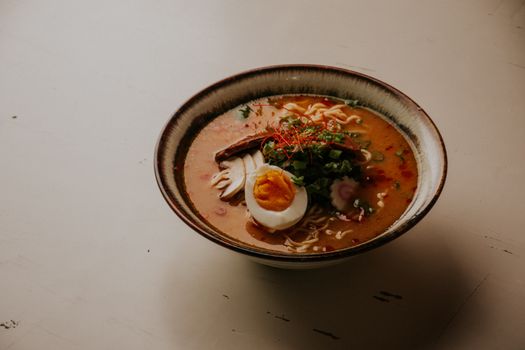 Photo: Amar Preciado / Pexels
The Molecular Basis of Umami: Glutamate and Beyond
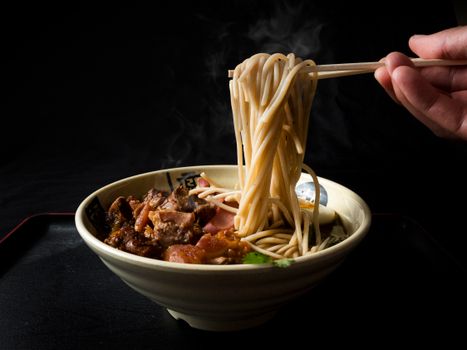 Photo: Luis C. Tavera / Pexels
Identifying and Harnessing Umami in Your Kitchen
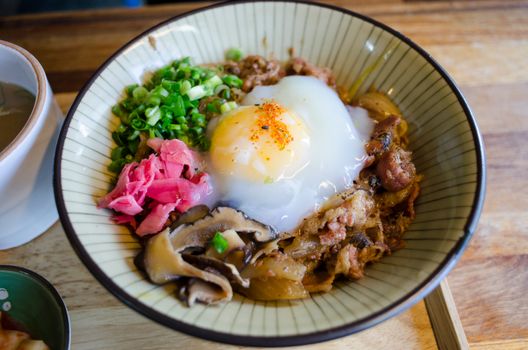 Photo: makafood / Pexels
Vegetables: Tomatoes (especially sun-dried or paste), mushrooms (shiitake, porcini, cremini), asparagus, spinach, seaweed (kombu, nori).
Fermented Products: Soy sauce, miso, fish sauce, aged cheeses (Parmesan, Gruyère), kimchi, sauerkraut.
Meats & Seafood: Cured meats (prosciutto, bacon), aged beef, sardines, anchovies, scallops.
Other: Green tea, nutritional yeast.
Cooking methods also play a significant role in developing umami. Slow cooking, roasting, grilling, and braising can break down proteins and release free glutamates, intensifying the savory notes. For example, caramelizing onions brings out their inherent sweetness but also concentrates their umami. Making a rich stock or broth by simmering bones and vegetables for hours is another excellent way to extract and concentrate umami. To intentionally add umami to your dishes, consider these strategies:
1. **Layer Umami:** Don't rely on just one ingredient. Combine several umami-rich components. For instance, a pasta sauce could have tomatoes (glutamate), Parmesan cheese (glutamate), and a touch of anchovy paste (inosinate) for a truly profound flavor.
2. **Use Umami Boosters:** Ingredients like tomato paste, mushroom powder, nutritional yeast, or a dash of fish sauce can quickly elevate the umami profile of almost any dish without overpowering it. Learn more about flavor enhancers.
3. **Age and Ferment:** Incorporate aged cheeses, fermented vegetables, or cured meats into your diet. These foods are naturally packed with concentrated umami.
4. **Broths and Stocks:** Make your own rich stocks. The long simmering process extracts maximum umami from bones and vegetables, creating a flavorful base for soups, sauces, and stews.
5. **Browning and Roasting:** Maillard reactions, which occur when food browns, not only create complex new flavors but also enhance existing umami compounds. Roasting vegetables or searing meats are great ways to achieve this.
Experimentation is key. Start by adding small amounts of umami-rich ingredients and taste as you go. You'll soon develop an intuitive understanding of how umami transforms a dish, moving it from merely good to truly exceptional. Mastering umami is about adding depth, complexity, and a satisfying richness that makes your food more memorable and enjoyable.
Common Misconceptions and Tips for Umami Mastery
Photo: makafood / Pexels
Here are some tips for becoming an umami master in your kitchen:
- Embrace Fermentation: Incorporate fermented foods like miso paste, kimchi, or even a splash of good quality fish sauce into your marinades, dressings, and sauces. They are umami powerhouses.
- Roast Your Vegetables: Don't just steam! Roasting brings out the natural sugars and umami in vegetables like tomatoes, mushrooms, and root vegetables, creating a more intense flavor.
- Build Flavor with Broths: Always use a rich, homemade or high-quality store-bought broth as a base for soups, stews, and risottos. It's an instant umami upgrade.
- Don't Discard Parmesan Rinds: These often-overlooked scraps are packed with umami. Add them to simmering soups or sauces and remove before serving for an incredible depth of flavor.
- Experiment with Dried Mushrooms: Dried shiitake or porcini mushrooms are concentrated sources of guanylate. Rehydrate them and use both the mushrooms and the soaking liquid for a double dose of umami.
- Consider Tomato Paste: A small spoon of tomato paste, especially if cooked down slightly before adding other liquids, can add significant umami to sauces and stews.
- Nutritional Yeast for Vegan Umami: For plant-based cooking, nutritional yeast is an excellent source of umami, often used to impart a cheesy, savory flavor.
- Balance is Key: While umami is delicious, it's about balance. Too much of any one flavor can be overwhelming. Use umami to complement and enhance, rather than dominate, your dishes.
By understanding these nuances and applying these tips, you'll move beyond simply tasting umami to expertly crafting dishes that sing with savory depth and unparalleled satisfaction. It's a journey into a richer, more complex world of flavor that will transform your cooking forever.
Comparison
| Feature | Umami | Sweet | Salty | Bitter |
|---|---|---|---|---|
| Primary Compound | Glutamate, Inosinate, Guanylate | Sugars | Sodium Chloride | Alkaloids, Phenols |
| Taste Sensation | Savory, Brothy, Meaty, Lingering | Pleasant, Sugary, Immediate | Sharp, Pungent, Immediate | Astringent, Unpleasant, Lingering |
| Common Foods | Parmesan, Mushrooms, Tomatoes, Soy Sauce | Fruit, Candy, Honey | Table Salt, Cured Meats | Coffee, Dark Chocolate, Kale |
| Mouthfeel | Mouth-watering, Fullness, Coating | Smooth, Syrupy | Dry, Pungent | Dry, Rough |
| Evolutionary Role | Signals protein/nutrition | Signals energy source | Signals electrolytes | Signals potential toxins |
What Readers Say
"This article completely demystified what is umami flavor in food for me! I always knew some foods tasted 'more' savory, but now I understand why and how to create that depth in my own cooking. My tomato sauce has never been better."
Sarah J. · Austin, TX"Even as a professional chef, this piece offered fresh insights into the synergy of umami compounds. The practical tips are excellent for home cooks and pros alike looking to elevate their dishes with that elusive fifth taste."
Chef Michael R. · New York, NY"I used the advice on combining different umami sources, and my vegan mushroom broth went from good to absolutely incredible. The depth of flavor was amazing, and it felt so much more satisfying. Thank you!"
Emily K. · Seattle, WA"Good breakdown of umami. I appreciate the scientific explanation and the practical cooking tips. While some parts were a bit technical, the overall message about enhancing flavor was clear and very helpful for my weeknight meals."
David L. · Chicago, IL"As someone trying to reduce salt, understanding what is umami flavor in food has been a game-changer. I can now add so much richness and satisfaction to my meals without relying on excessive sodium. My family loves the new flavors!"
Maria P. · Los Angeles, CAFrequently Asked Questions
What is the simplest definition of umami flavor in food?
Umami is the fifth basic taste, often described as a savory, meaty, or brothy sensation that lingers on the palate. It adds depth and richness to food, making it more satisfying and delicious, and is primarily triggered by free glutamate.
Is umami the same as salty or savory?
No, umami is distinct from salty. While many umami-rich foods can also be salty, umami provides a deeper, more complex savory sensation that is different from the sharp, immediate taste of salt. Savory is a broader term, and umami is a specific type of savory taste.
How can I easily add more umami to my home cooking?
You can easily add umami by incorporating ingredients like tomato paste, mushrooms (especially dried), Parmesan cheese, soy sauce, miso, or a dash of fish sauce. Roasting vegetables and making rich broths also significantly boost umami.
Are umami-rich foods expensive?
Not necessarily! While some umami ingredients like aged cheeses can be pricey, many are very affordable, such as tomatoes, mushrooms, soy sauce, and nutritional yeast. The key is understanding how to use them effectively to maximize flavor.
What is the relationship between MSG and umami?
MSG (monosodium glutamate) is simply the sodium salt of glutamate, the primary compound responsible for umami. It's a pure form of umami, but many natural foods also contain high levels of free glutamate and other umami-enhancing compounds.
Who should focus on understanding umami flavor?
Anyone who loves to cook and eat delicious food can benefit from understanding umami. It's particularly useful for home cooks looking to elevate their meals, chefs aiming for deeper flavor profiles, and those seeking to reduce salt or fat without sacrificing taste.
Is umami a healthy flavor to incorporate into my diet?
Yes, absolutely. Many umami-rich foods like vegetables, mushrooms, and fermented products are healthy additions to your diet. Furthermore, umami can enhance the palatability of lower-sodium or lower-fat dishes, making healthy eating more enjoyable and sustainable.
What are the future trends in umami research and cooking?
Future trends include exploring new natural sources of umami, developing plant-based umami enhancers, and leveraging AI to predict optimal umami combinations. Chefs are increasingly focusing on 'umami bombs' and synergistic ingredient pairings to create innovative and deeply satisfying dishes.
Ready to transform your cooking and delight your taste buds? Start experimenting with umami-rich ingredients today and unlock a new dimension of flavor in your kitchen. Your journey to mastering what is umami flavor in food begins now!