Where to Buy Local Honey Near Me: Your Sweetest Guide
June 21, 2026 15 min read 3,062 words
Uncover the best sources for delicious, health-boosting local honey right in your community.
Find Your Honey Now
Why Seek Out Local Honey: Beyond Just Sweetness
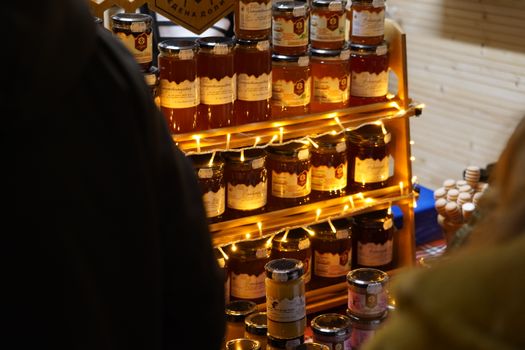 Photo: Vladi Nikolov / Pexels
The quest for 'where to buy local honey near me' is more than just a search for a sweetener; it's a pursuit of purity, health, and community support. In an age where industrial food production often prioritizes quantity over quality, local honey stands out as a beacon of natural goodness. But what exactly makes local honey so special, and why should you go the extra mile to find it? The answer lies in its unique composition and the profound connection it has to its origin. Unlike processed, mass-produced honey found in most supermarkets, true local honey is typically raw and unfiltered. This means it hasn't been subjected to high heat pasteurization, which can destroy beneficial enzymes, antioxidants, and delicate flavor compounds. It also hasn't been ultra-filtered, a process that removes pollen, propolis, and beeswax particles, which are integral to honey's nutritional profile and often indicative of its origin.
One of the most compelling reasons people seek local honey is for its potential benefits for seasonal allergies. The theory, while not universally accepted by the medical community as a cure, suggests that consuming honey produced in your immediate geographical area exposes your body to small amounts of local pollen. Over time, this exposure might help your immune system build a tolerance to these allergens, potentially reducing the severity of your allergy symptoms. Think of it as a natural, delicious form of immunotherapy. This connection to the local flora means that each jar of honey tells a story of its specific environment – the wildflowers, fruit blossoms, or tree nectars that bees visited. This ecological fingerprint contributes to a diverse range of flavors, colors, and textures that you simply won't find in blended, generic honey.
Beyond personal health, choosing local honey has a significant positive impact on your community and the environment. When you purchase from local beekeepers, you're directly supporting small businesses and agricultural livelihoods. This helps sustain local economies, encourages sustainable farming practices, and ensures the continuation of vital pollination services that are essential for our food supply. Bees are critical pollinators for a vast array of crops, and by supporting local beekeepers, you're indirectly contributing to the health of local ecosystems and biodiversity. Furthermore, local honey often has a smaller carbon footprint compared to honey that has traveled thousands of miles from industrial operations. It reduces transportation costs and emissions, making it a more environmentally friendly choice. Understanding these multifaceted benefits transforms the simple act of buying honey into a conscious decision that nurtures both your well-being and your community. It's about savoring a product that is not only delicious but also deeply rooted in its place and purpose. For more insights into the broader impact of your food choices, consider exploring articles on
sustainable eating practices and their benefits.
Your Comprehensive Guide to Finding Local Honey Sources
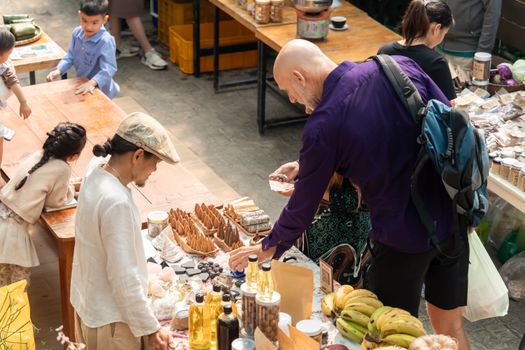 Photo: Surya Travel / Pexels
Now that you're convinced of the merits, the next step is discovering 'where to buy local honey near me.' Fortunately, there are numerous avenues to explore, ranging from traditional marketplaces to modern online platforms. Each source offers a slightly different experience and potential advantages.
**Farmers' Markets:** This is arguably the most traditional and rewarding place to find local honey. At farmers' markets, you can often meet the beekeeper directly, ask questions about their practices, and even sample different varieties before you buy. Beekeepers are passionate about their craft and are usually happy to share insights into their bees, the local flora, and the unique characteristics of their honey. Look for stalls displaying jars with clear labels indicating the origin and often, the specific floral source (e.g., clover, wildflower, buckwheat). Farmers' markets are a vibrant hub for local produce, and honey is almost always a star attraction.
**Local Health Food Stores and Co-ops:** Many independent health food stores and food co-operatives prioritize stocking products from local producers. They often have dedicated sections for local goods, and honey is a staple. These stores act as trusted intermediaries, vetting producers to ensure quality and authenticity. The staff can often provide information about the beekeepers and the honey's origins. While you might not meet the beekeeper personally, these stores offer convenience and a curated selection of local products.
**Direct from Beekeepers (Farm Stands/Apiaries):** For the freshest and most direct experience, consider purchasing honey straight from the beekeeper's farm stand or apiary. Many small-scale beekeepers operate roadside stands, especially during harvest seasons, or welcome visitors by appointment. A quick online search for 'beekeepers near me' or 'apiaries near [your town]' can often yield promising results. Websites like LocalHarvest.org or national beekeeping association directories can also help you locate producers. Buying directly ensures you're getting the most authentic product and directly supporting the beekeeper's livelihood.
**Specialty Food Stores and Gourmet Shops:** Upscale grocery stores or shops focusing on artisanal products frequently carry local honey. These establishments pride themselves on offering unique and high-quality items, and local honey fits that bill perfectly. While prices might be slightly higher due to overhead, the convenience and often beautiful packaging can be appealing.
**Online Local Directories and Social Media:** In the digital age, finding local producers is easier than ever. Websites like Honey Locator (honey.com/honey-locator) or even a simple Google Maps search for 'local honey' or 'beekeepers' can pinpoint nearby sources. Facebook groups dedicated to local food, community pages, or even Instagram can be excellent resources. Many small beekeepers use social media to announce sales, new harvests, or their presence at local events. Engaging with these online communities can connect you directly with producers and other local honey enthusiasts.
When exploring these options, always look for clear labeling that indicates the honey's origin. Don't be afraid to ask questions about the beekeeper's practices, whether the honey is raw and unfiltered, and if they use any pesticides near their hives. A knowledgeable and transparent beekeeper is a good sign of a quality product. Remember, the journey to find local honey is part of the experience, leading you to delicious, pure sweetness while connecting you more deeply with your local food system.
Identifying Authentic Local Honey: What to Look For
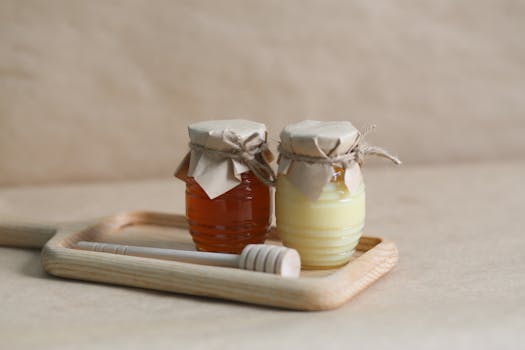 Photo: Nhà Mật / Pexels
Once you've identified potential sources for 'where to buy local honey near me,' the next crucial step is to ensure you're getting genuine, authentic local honey. The market, unfortunately, can be saturated with products labeled 'pure' or 'natural' that have been heavily processed, blended with syrups, or sourced from distant, untraceable origins. Knowing what to look for and what questions to ask will empower you to make an informed purchase and truly reap the benefits of local honey.
**Labels and Origin:** The first thing to examine is the label. Authentic local honey will often proudly display the name of the beekeeper, the apiary, or the specific location (town, county, state) where the honey was harvested. Look for phrases like 'Product of [Your State]' or 'Harvested in [Your County].' Be wary of generic labels that simply say 'Product of USA' without further specifics, as this could still mean it's a blend of honeys from various states or even imported and then packed in the US. The more transparent the label, the better.
**Raw and Unfiltered:** True local honey is typically raw and unfiltered. Raw honey means it hasn't been heated above a certain temperature (usually around 105-115°F or 40-46°C), preserving its natural enzymes, pollen, propolis, and antioxidants. Unfiltered means it hasn't had these beneficial particles removed. Raw honey often appears cloudy or opaque and may contain tiny specks of pollen or beeswax – these are good signs! Processed honey, in contrast, is usually crystal clear and uniformly golden, a result of filtration and heating. If you're buying directly from a beekeeper, ask if their honey is raw and unfiltered. They will likely be proud to confirm it.
**Crystallization:** Don't be alarmed if your local honey crystallizes. In fact, it's a strong indicator of its purity and authenticity. All raw, natural honey will eventually crystallize over time, especially when stored at cooler temperatures. This is a natural process and does not mean the honey has gone bad. If your local honey remains perfectly liquid indefinitely, it might have been ultra-filtered or heated to prevent crystallization, which also strips it of its beneficial properties. To re-liquefy crystallized honey, gently warm the jar in a bowl of warm water (not boiling) until it returns to its liquid state.
**Flavor and Aroma:** Local honey should have a distinct flavor profile that reflects the local flora. This can range from light and floral to robust and earthy, depending on what the bees were foraging. Generic, processed honey often has a one-dimensional, overly sweet taste. Take a moment to smell the honey; a rich, complex aroma is another good sign. If you're at a farmers' market, ask if you can sample different varieties to truly appreciate the nuances.
**Viscosity:** Raw, local honey tends to be thicker and more viscous than processed honey. When you spoon it, it should form a slow, steady stream. If it pours too quickly and thinly, it might have been diluted or overly heated.
By keeping these indicators in mind, you'll be well-equipped to distinguish genuine local honey from its less beneficial counterparts. This careful selection ensures you're getting a product that not only tastes superior but also delivers on the health and community benefits you sought. For those interested in the broader world of natural foods and their sourcing, a deeper dive into topics like
organic farming certifications can provide further valuable context for discerning quality.
Tips for Storing and Enjoying Your Local Honey
 Photo: Handerr / Pexels
Once you've successfully navigated the quest for 'where to buy local honey near me' and brought home your precious jar, the journey doesn't end there. Proper storage and creative ways to enjoy your local honey will ensure you maximize its flavor, health benefits, and longevity. Unlike many perishable foods, honey, when stored correctly, has an incredibly long shelf life – essentially indefinite, thanks to its low water content and acidic pH.
**Optimal Storage Conditions:** The best way to store local honey is in a tightly sealed container (preferably glass) in a cool, dry place, away from direct sunlight. A pantry or cupboard is ideal. Avoid storing it in the refrigerator, as this accelerates crystallization and can make the honey too hard to spoon. While crystallization is natural and doesn't affect quality, it can be inconvenient. If your honey does crystallize, simply place the sealed jar in a bowl of warm (not hot) water for 15-30 minutes, stirring occasionally, until it re-liquefies. Never microwave honey, as high heat can destroy its beneficial enzymes and alter its flavor.
**Culinary Uses Beyond Tea:** Local honey is incredibly versatile in the kitchen. While it's a classic sweetener for tea and coffee, its unique flavor profiles lend themselves to a myriad of culinary applications.
* **Breakfast Boost:** Drizzle it over oatmeal, yogurt, pancakes, or waffles. A dollop of wildflower honey can transform a simple breakfast into a gourmet experience.
* **Baking:** Substitute sugar with honey in recipes for cakes, cookies, and breads. Remember that honey is sweeter than sugar and adds moisture, so you'll typically use less honey (about 1/2 to 3/4 cup honey for every cup of sugar) and reduce other liquids in the recipe.
* **Marinades and Dressings:** Honey adds a beautiful glaze and depth of flavor to marinades for chicken, pork, or salmon. It's also a fantastic emulsifier and sweetener for vinaigrettes and salad dressings.
* **Cheese Pairings:** A drizzle of robust buckwheat or chestnut honey over goat cheese, brie, or blue cheese creates an exquisite appetizer.
* **Smoothies:** Enhance the natural sweetness and nutritional value of your smoothies with a spoonful of local honey.
* **Fermentation:** Honey can be used to ferment drinks like mead or even to kickstart sourdough starters, adding a unique flavor dimension.
**Health and Wellness Applications:** Beyond the kitchen, local honey has been traditionally used for various health and wellness purposes.
* **Sore Throat Remedy:** A classic remedy, honey can soothe a sore throat and cough. Mix it with warm water and lemon for a comforting drink.
* **Wound Care:** Due to its antimicrobial and anti-inflammatory properties, honey has been used topically for minor cuts and burns (though consult a medical professional for serious injuries).
* **Energy Boost:** As a natural source of carbohydrates, honey can provide a quick energy boost, making it a favorite among athletes.
By appreciating the nuances of your local honey and integrating it thoughtfully into your lifestyle, you'll not only enjoy its delicious taste but also support its continued production and the health of your local ecosystem. Experiment with different floral varieties – clover, alfalfa, orange blossom, buckwheat – each offers a distinct sensory experience. Embrace the bounty of your local beekeepers and savor the sweet rewards.
