✓ Over 8,000 farmers markets operate annually across the US.
✓ Shopping at farmers markets directly supports local economies and small farms.
✓ Produce at farmers markets is often picked at peak ripeness, enhancing flavor and nutritional value.
✓ Many markets offer more than just produce, including baked goods, meats, dairy, and crafts.
How It Works
1
Identify Your Location
Start by pinpointing your current city, state, or even a specific ZIP code. This will be the foundation for your search.
2
Utilize Online Resources
Leverage specialized directories and government websites designed to list farmers markets. These platforms often provide schedules and vendor information.
3
Engage with Local Communities
Check local news outlets, community boards, and social media groups. Word-of-mouth and local event listings are invaluable for discovering hidden gems.
4
Plan Your Visit
Once you've found a market, confirm its operating hours, payment options, and any specific vendor highlights. Arrive early for the best selection.
Unearthing Your Local Harvest: The Best Online Resources
Photo: Mike Jones / Pexels
Finding a local farmers market has never been easier, thanks to a plethora of digital tools designed to connect consumers with fresh, regional produce. The key is knowing which resources are most reliable and comprehensive. One of the most authoritative starting points is the USDA National Farmers Market Directory. This invaluable database is maintained by the United States Department of Agriculture and offers a robust search functionality, allowing you to filter by location, products offered, and even payment methods accepted (like SNAP/EBT). It's constantly updated, ensuring you get the most current information on market locations, operating hours, and contact details. Beyond the USDA, several non-profit organizations and private platforms have emerged as excellent resources. For example, sites like LocalHarvest.org provide an extensive directory that often includes smaller, lesser-known markets that might not appear on government lists. LocalHarvest also features CSA (Community Supported Agriculture) programs, u-pick farms, and even restaurants that source locally, making it a holistic guide for local food enthusiasts. Another significant player is FarmersMarket.com, which offers a user-friendly interface and often includes reviews and photos from other market-goers, giving you a better sense of what to expect before you visit. These platforms are typically location-aware, meaning they can often detect your current position and display markets closest to you, streamlining your search process. When utilizing these online directories, pay close attention to details such as the market's seasonal operating dates, as many farmers markets are seasonal and only run during specific months. Also, verify if the market is producer-only, meaning vendors can only sell what they grow or make themselves, which guarantees a truly local and authentic experience. Some larger markets might include resellers, so understanding the market's ethos can help manage expectations. Remember that while these resources are powerful, they are not always exhaustive. Sometimes, the newest or smallest markets take time to be listed. Therefore, cross-referencing information or using multiple sources can provide the most complete picture of your local food scene. Engaging with these online platforms is the first crucial step in your journey to discover where to find local farmers markets and embark on a fresher, more sustainable culinary adventure. Don't forget to check if the market has a dedicated website or social media page for daily updates on vendor attendance or special events, which can significantly enhance your market experience. Learn more about the benefits of seasonal eating. By leveraging these digital tools, you empower yourself to make informed choices that support local agriculture and bring high-quality, fresh ingredients directly to your table, fostering a deeper connection to your food sources.
Beyond the Screen: Community Engagement and Local Insights
Photo: Shamia Casiano / Pexels
While online directories are incredibly helpful, some of the best farmers markets are discovered through community channels and local insights. These often include word-of-mouth recommendations, local news publications, and community bulletin boards. Start by tuning into your local community's pulse. Many cities and towns have active social media groups on platforms like Facebook or Nextdoor specifically dedicated to local events, food, or community discussions. Posting a simple question like "Where can I find local farmers markets in [Your City]?" can often yield a wealth of information from residents who are already in the know. These groups can offer tips on specific market days, popular vendors, or even parking advice – details you might not find in a national directory. Local newspapers, both print and online, are another fantastic resource. Community sections often list upcoming events, including farmers markets, craft fairs, and seasonal festivals that feature local producers. Many smaller towns have free weekly papers or dedicated online community calendars that are regularly updated. Libraries and community centers often maintain bulletin boards or information desks with flyers and brochures for local events, including farmers markets. It’s worth a quick visit or call to see what information they have. These institutions are hubs of local activity and are often the first to know about new initiatives or changes to existing market schedules. Don't underestimate the power of simply asking around. Strike up a conversation with local business owners – particularly those in health food stores, independent cafes, or bakeries – as they often source ingredients locally and can point you in the right direction. Even your neighbors or colleagues might have a favorite market they frequent. These personal recommendations can lead you to smaller, more intimate markets that offer a unique charm and a direct connection to the farmers themselves. Some markets are run entirely by volunteers or small groups and might not have a strong online presence, making local intelligence crucial for discovery. Attending other local events, such as town fairs or art festivals, can also be a serendipitous way to stumble upon farmers selling their produce or promoting their market. Look for signage, vendor booths, or informational pamphlets. These community-driven approaches not only help you discover markets but also deepen your connection to your local food system and the people who make it thrive. By engaging with your community, you're not just finding a place to shop; you're becoming part of a vibrant local network that values fresh, sustainable food. This grassroots method of discovery can lead to some of the most rewarding and authentic market experiences, showcasing the true diversity and dedication of local producers. It's a testament to the fact that sometimes, the best information isn't found through an algorithm but through genuine human connection and local knowledge.
Maximizing Your Market Experience: Tips for a Rewarding Visit
Photo: Ivan Dražić / Pexels
Once you've successfully navigated where to find local farmers markets, the next step is to make the most of your visit. A little preparation can transform a simple shopping trip into a delightful culinary adventure. First and foremost, check the market's operating hours and days before you go. Many farmers markets are seasonal and only operate on specific days of the week, often in the mornings. Arriving early is almost always recommended, especially if you're looking for the best selection of popular items like berries, specific cuts of meat, or artisanal baked goods. The early bird truly gets the freshest pick. Payment methods can vary significantly from market to market. While many vendors now accept credit cards or digital payments, it's always wise to carry cash, especially small denominations. Some smaller vendors or individual farmers might prefer cash, and it can also speed up transactions, particularly during busy periods. Don't be afraid to engage with the farmers and vendors. They are often passionate about their products and eager to share knowledge about how their food is grown, the best ways to prepare it, and its unique characteristics. This direct interaction is one of the most rewarding aspects of shopping at a farmers market and builds a valuable connection to your food source. It's also an opportunity to ask about organic practices, pest control methods, or even future availability of certain items. Be prepared for seasonality. Unlike grocery stores, farmers markets operate on nature's schedule. This means not everything will be available year-round. Embrace the seasonality of the produce; it encourages creativity in the kitchen and ensures you're eating food at its peak flavor and nutritional value. If you're unsure about a particular fruit or vegetable, ask the farmer for suggestions on how to cook or store it. Many markets offer opportunities to sample products before buying, from cheese and bread to fruit and sauces. Take advantage of these samples to discover new favorites and ensure you're happy with your purchase. Bring reusable bags, and perhaps even a cooler with ice packs, especially if you plan to buy perishable items like dairy, meat, or delicate greens, or if you're visiting on a hot day. This helps keep your purchases fresh on the way home and reduces waste. Finally, consider making a loop around the entire market before making your first purchase. This allows you to see all the available options, compare prices (though direct comparison can be tricky given varying qualities), and ensure you don't miss out on something special. Some markets even have live music, cooking demonstrations, or children's activities, adding to the overall experience. By following these tips, you'll not only find where to find local farmers markets but also transform your visit into a fulfilling and enjoyable part of your week. Discover tips for cooking with fresh, seasonal ingredients.
Avoiding Common Pitfalls: Ensuring a Quality Market Experience
While the allure of fresh, local produce is strong, navigating farmers markets effectively means being aware of potential pitfalls. One common mistake is assuming every market is 'producer-only.' Some larger markets, or those in urban areas, may allow resellers who purchase produce wholesale and then sell it at the market, sometimes at a higher price or without the direct farm-to-consumer benefit. To avoid this, look for signage indicating a 'producer-only' market or simply ask the vendor directly if they grew the produce themselves. A genuine farmer will be happy to discuss their farm and growing practices. Another pitfall is not verifying market schedules. Weather, holidays, or special events can sometimes alter market days or hours. Relying solely on outdated information can lead to a wasted trip. Always double-check the market's official website, social media, or a reliable directory on the day you plan to visit. This small step can save you time and frustration. Overspending is another common issue. The vibrant displays and tempting aromas can lead to impulse purchases. While it's great to be adventurous, having a general idea of what you need and a budget can help. However, also be open to discovering new items; the beauty of farmers markets is often in the unexpected finds. Don't forget to inspect produce carefully. While farmers market produce is generally high quality, it's still perishable. Check fruits and vegetables for bruises, soft spots, or signs of spoilage, just as you would in a grocery store. Farmers appreciate customers who are mindful and respectful of their hard work. Being unaware of payment options can also be a problem. Not all vendors accept credit cards, and relying solely on plastic can leave you unable to purchase desired items. Always bring cash, especially small bills, to ensure smooth transactions and support smaller vendors who might not have card readers. Finally, neglecting to bring your own bags or cooler can diminish the experience. Farmers markets aim to be sustainable, and bringing your own reusable bags helps reduce plastic waste. A cooler is essential for keeping delicate greens, dairy, or meats fresh, especially if you have a long drive home or plan to run other errands. Being prepared with the right equipment enhances convenience and preserves the quality of your purchases. By being mindful of these common mistakes, you can ensure a more enjoyable, efficient, and ultimately rewarding experience when you go to find local farmers markets.
Comparison
Feature
Farmers Market
Supermarket
CSA Subscription
Freshness
Peak ripeness, often picked same day
Varies, often days/weeks old
Very fresh, direct from farm
Local Support
Directly supports local farmers
Minimal direct support
Directly supports a specific farm
Variety
Seasonal & regional specialties
Global, year-round availability
Seasonal, often limited selection
Cost
Can vary, often competitive
Standard pricing, sales
Upfront cost, consistent quantity
Community Feel
✓
✗
✓
Transparency
High, direct interaction with growers
Low, complex supply chain
High, direct relationship with farm
Convenience
Specific hours/days, often cash
Open long hours, all payment types
Delivery/pickup at set times
What Readers Say
★★★★★
"Using the USDA directory helped me find an amazing organic market just a few blocks from my apartment. The produce is incredible, and I love talking to the farmers."
Sarah J. · Portland, OR
★★★★★
"I used to think finding local markets was hard, but LocalHarvest made it super easy. I found a market with the best grass-fed beef I've ever tasted!"
Mark D. · Austin, TX
★★★★★
"After struggling to find truly fresh ingredients, following tips to ask local shop owners led me to a hidden gem of a market. My cooking has improved dramatically!"
Emily R. · New York, NY
★★★★★
"The online tools were helpful for finding major markets, but I still had to ask around to discover the smaller, more unique ones. Worth the extra effort for the quality."
David L. · Denver, CO
★★★★★
"As a chef, knowing where to find local farmers markets is crucial. This guide provided fantastic resources, helping me source unique ingredients for my restaurant menu."
Jessica T. · Miami, FL
Frequently Asked Questions
What is the best way to find local farmers markets near me?
The best way is to start with online directories like the USDA National Farmers Market Directory or LocalHarvest.org, then supplement your search by checking local community calendars, social media groups, and asking around in your neighborhood for word-of-mouth recommendations.
Are farmers market prices generally higher than grocery store prices?
Prices at farmers markets can vary. While some specialty items might be slightly higher due to direct sales and quality, many staple produce items are competitively priced, especially when bought in season. You're often paying for freshness, quality, and direct support of local agriculture.
How can I tell if a farmers market vendor is truly a local farmer?
Look for signs that say 'producer-only' or ask the vendor directly about their farm and growing practices. Genuine farmers are usually enthusiastic to share details about their cultivation methods, location, and farming philosophy, often having pictures of their farm or specific produce.
What payment methods are typically accepted at farmers markets?
While many vendors now accept credit cards and digital payment apps, it's always advisable to bring cash, especially small denominations. Some smaller vendors might be cash-only, and it can also speed up transactions during busy market hours.
What are the benefits of shopping at a local farmers market over a supermarket?
Benefits include fresher, often more nutritious produce picked at peak ripeness, direct support for local farmers and the economy, a wider variety of seasonal and heirloom produce, and the opportunity to build community connections and learn directly from growers.
Who should prioritize finding local farmers markets?
Anyone looking for fresher, higher-quality produce, those who want to support local economies and sustainable agriculture, culinary enthusiasts seeking unique ingredients, and individuals interested in connecting directly with their food sources should prioritize finding local farmers markets.
Are farmers markets safe in terms of food handling and hygiene?
Farmers markets in the US are generally subject to state and local health regulations. Farmers are typically knowledgeable about safe food handling practices for their products. When in doubt, observe vendor practices and don't hesitate to ask about their hygiene protocols. Reputable markets prioritize food safety.
What trends are emerging in the farmers market scene?
Emerging trends include an increase in markets accepting SNAP/EBT benefits, a greater focus on artisanal food products (baked goods, cheeses, prepared foods), more markets offering online ordering for pickup, and an expansion of markets beyond just produce to include meats, dairy, and value-added farm products.
Now that you know where to find local farmers markets, it's time to embark on your journey to fresher, more flavorful food. Use these resources and tips to discover the vibrant culinary treasures waiting in your community. Support local, eat well, and connect with the source of your sustenance!

 Photo: Mike Jones / Pexels
 Photo: Shamia Casiano / Pexels
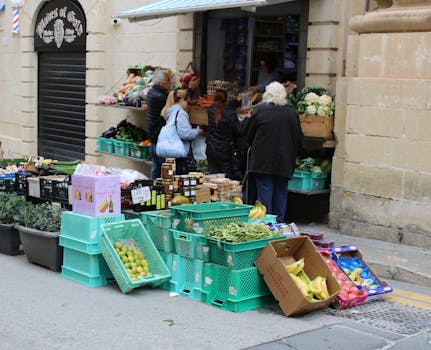 Photo: Ivan Dražić / Pexels